
La bola negra review: A breathtaking reminder of how far gay men have come
"If there’s one gay film this decade that demands to be viewed on a cinema screen, it’s this one," writes Attitude's film critic
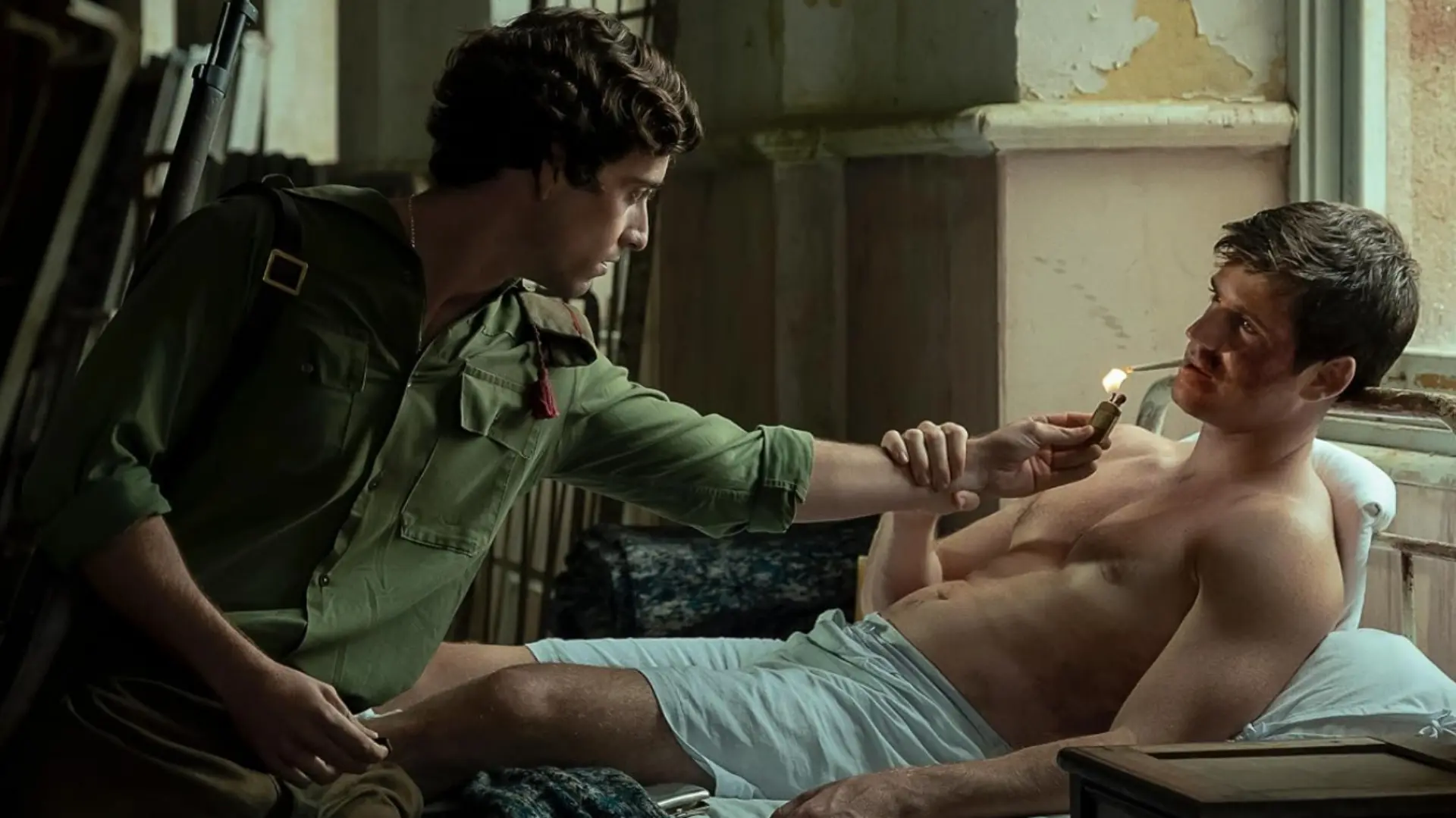
Every once in a while, a film comes along that reminds audiences of the boundless possibilities that the medium can provide as an experience. That is the feeling running through me after watching the sweeping historical gay epic La bola negra (The black ball). This film, from co-directors (and former lovers) Los Javis, delivers the biggest cinematic swing of 2026, and is a truly momentous achievement for the world of queer cinema. Not bad for two guys best known as judges on Drag Race España.
After its rapturous reception at the Cannes Film Festival, Netflix and the UK’s Altitude Films snatched it up as their major pony in the awards season race. Gay stories of this scope and magnitude are almost unheard of. However, La bola negra is something fiercely ambitious, unique and definitively cinematic. If there’s one gay film this decade that demands to be viewed on a cinema screen, it’s this one.
Shot for $15 million, the film is based on the unfinished work of renowned playwright Federico García Lorca. La bola negra is a sprawling generational drama that elaborately braids the lives of three queer men from three separate points in Spanish history – 1932, 1937 and 2017 – into a glorious tapestry of interconnected storytelling.
Los Javis are doing some serious flexing here, somehow running the entire gamut of the collective gay experience from across a century into one cohesive picture. The film touches upon homophobic persecution, forbidden desire, and how stories about gay identity, love and tragedy have endured through time.
As masters of controlled chaos, Los Javis give us visceral battle sequences, ethereal dance numbers, homoerotic tableaux of naked bathing soldiers, Penélope Cruz performing cabaret on a moving tank, and even Glenn Close speaking in flawless Spanish. Camp spectacle aside, it’s a soul-piercing reminder of all the gay men who came before who had to hide who they were, so that the rest of us could live a little more freely today.
Out today (6 November).
This is appears in Attitude’s November/December 2026 issue. Read our full film review roundup here.