Bowie: The Final Act review – why the Starman still matters to Gen Z
"A storyteller until the very end," says Attitude's Aaron Sugg
By Aaron Sugg
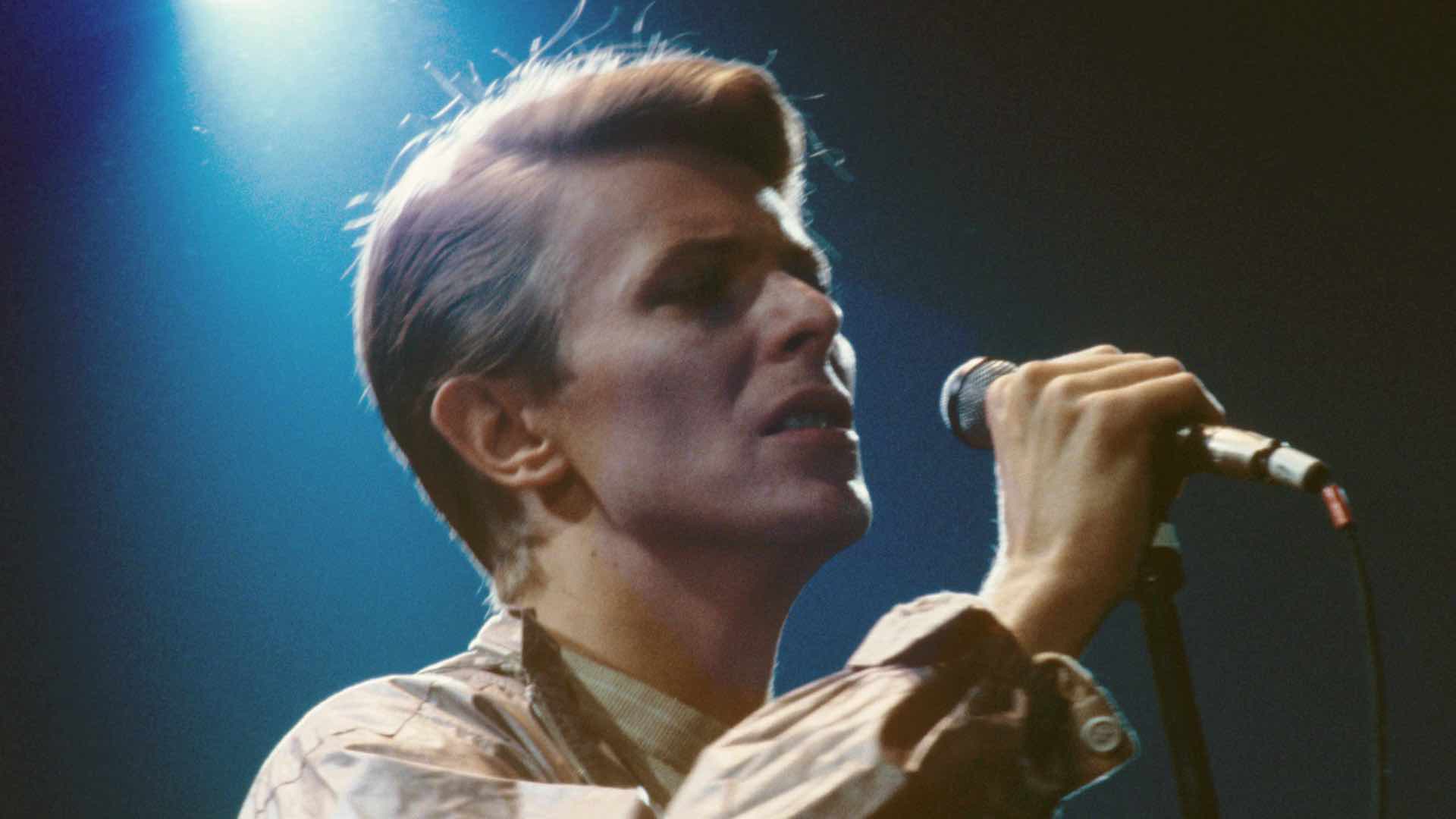
As a 22-year-old gay man, I know who David Bowie is, but, unashamedly, I don’t know much about his legacy, his history or his ascent into the Starman we continue to remember today. Bowie: The Final Act feels like a lesson in queer history, uncovering the glitter and lightning bolts only to reveal his vulnerabilities and illness. A tribute to the late stars galactic soul and enduring sense of otherness.
The documentary explores Bowie’s final creative chapter, marking ten years since the release of his last album, Blackstar. Directed by Jonathan Stiasny, the film immediately transports us into Bowie’s late inner world, moving through Blackstar and into deep space, a place where Bowie’s mind resided, reimagined the world, and ultimately, this documentary pays tribute to a lifelong fascination with those who exist outside the norm.
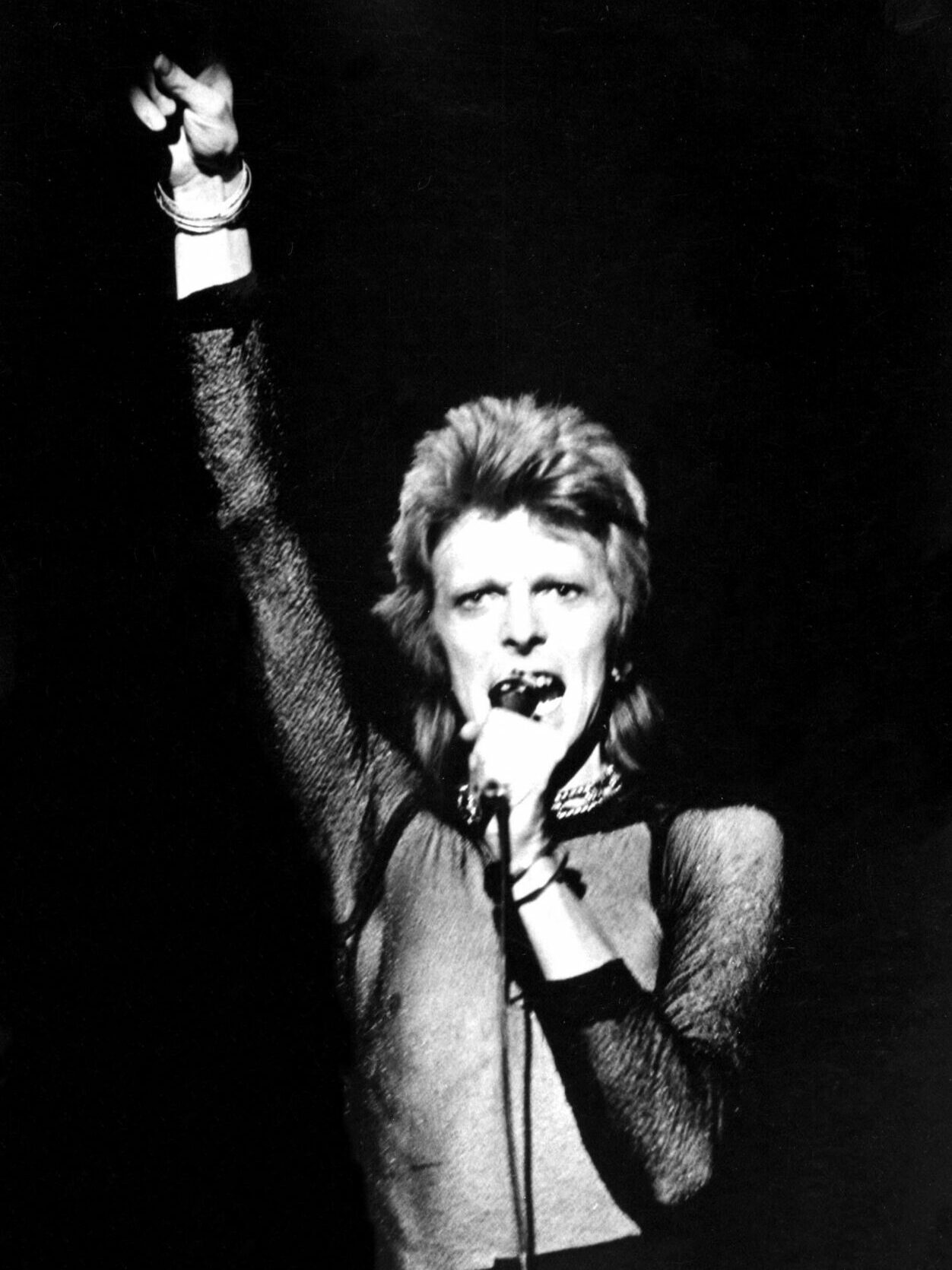
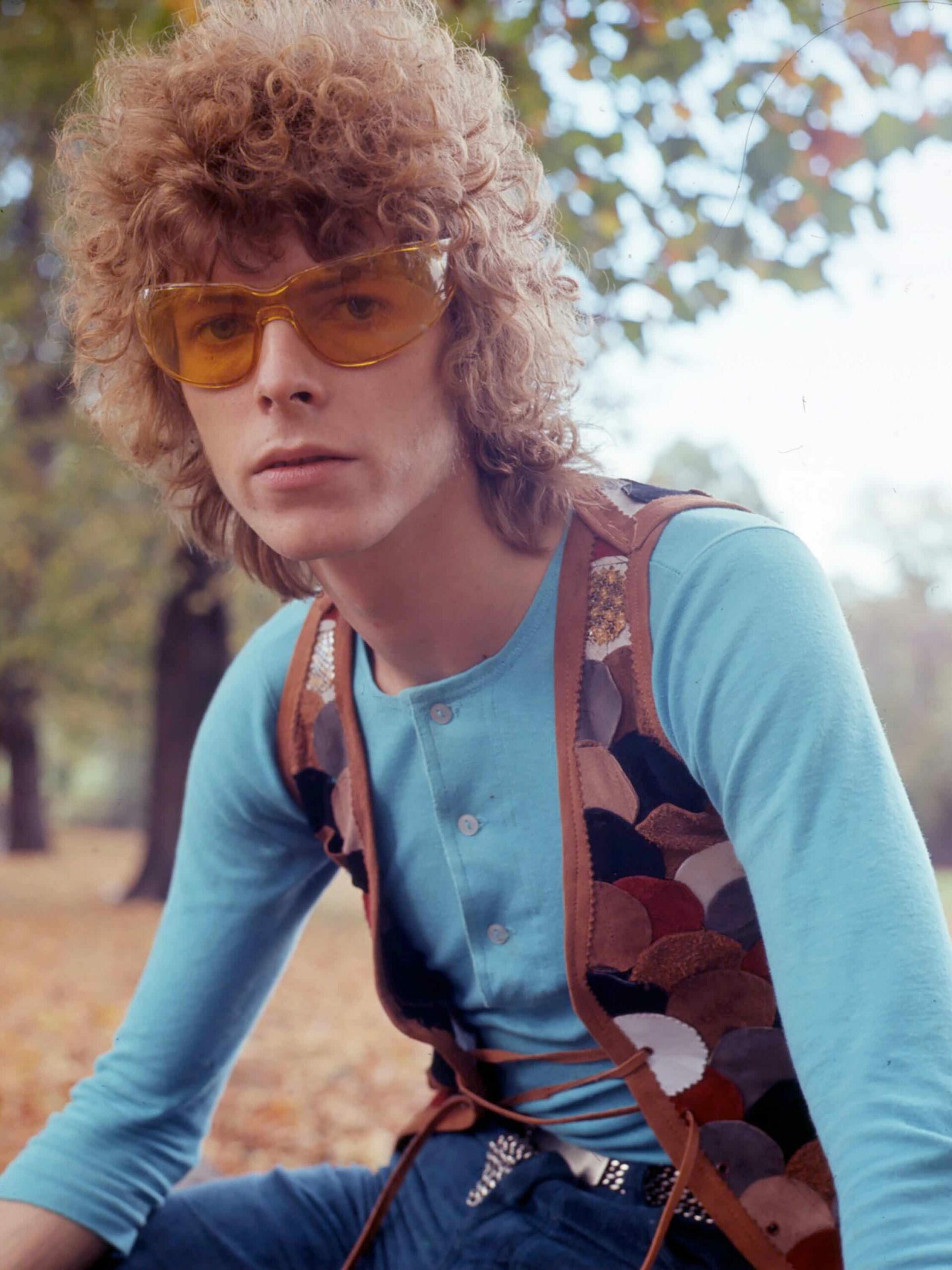
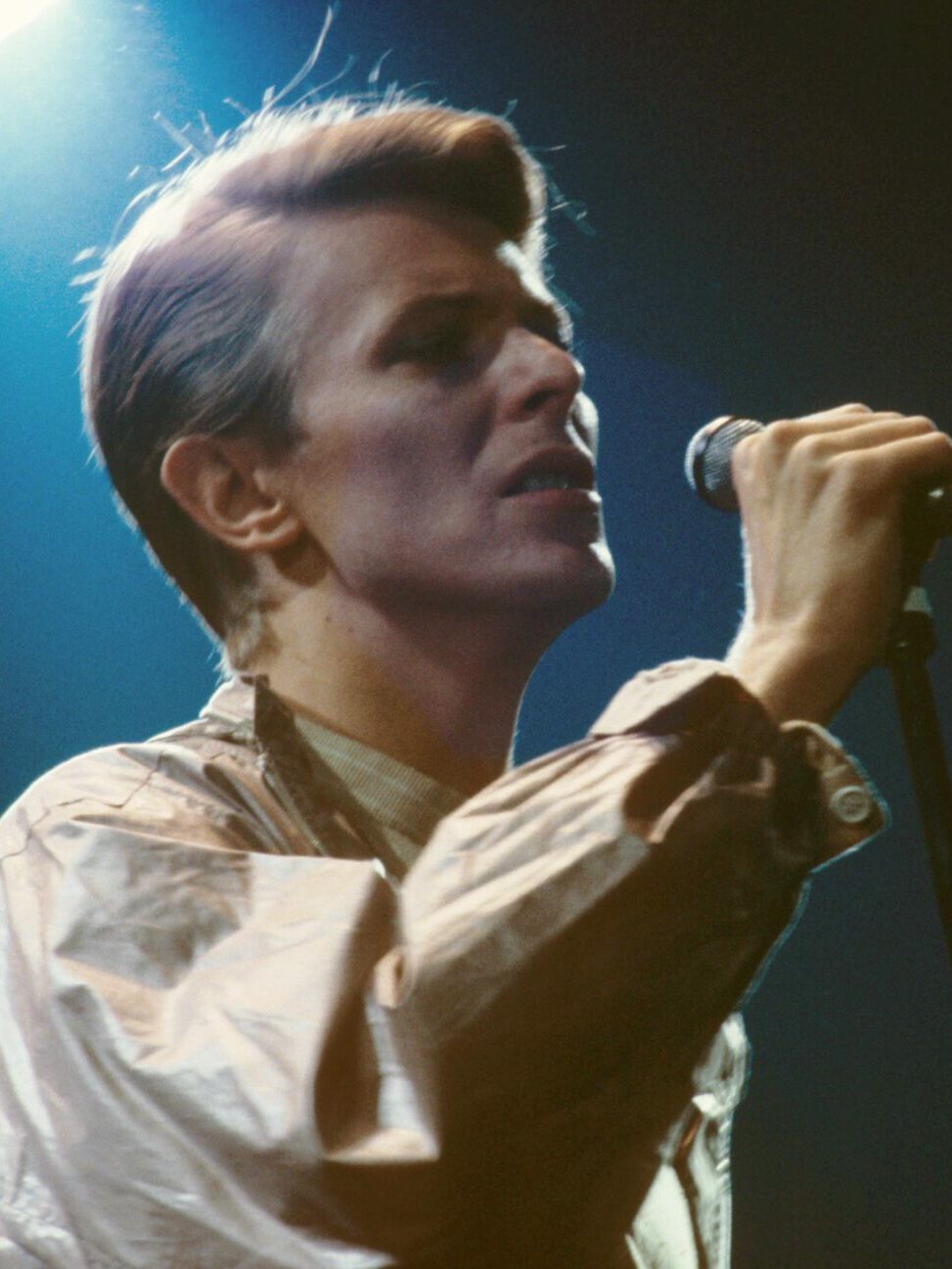
What most immersed me in the final years of Bowie’s life were the voices of his colleagues, friends and collaborators. These were not people permanently at his side, but individuals left with an indelible impression of his gravity and generosity. The shock of Blackstar landing just days before his death is handled with restraint and care, particularly through contributors like Tony Visconti, Bowie’s longtime producer and close friend, whose affection for the artist feels achingly sincere through his tears on screen.
“A moment in time which feels ageless”
One question lingered: why were there no voices from Bowie’s family? On reflection, this absence becomes an unexpectedly meaningful choice. Instead, the film centres those who shared Bowie’s creative highs, personal lows, and evidently, monumental moments. History. Bowie performing at the very first Glastonbury Festival in 1971, at around 5am as the sun, festival goers and his band rose – a moment in time which feels ageless. In that historic performance we get to hear the unseen happenings, which become emotional to the voices on screen and viewers today.
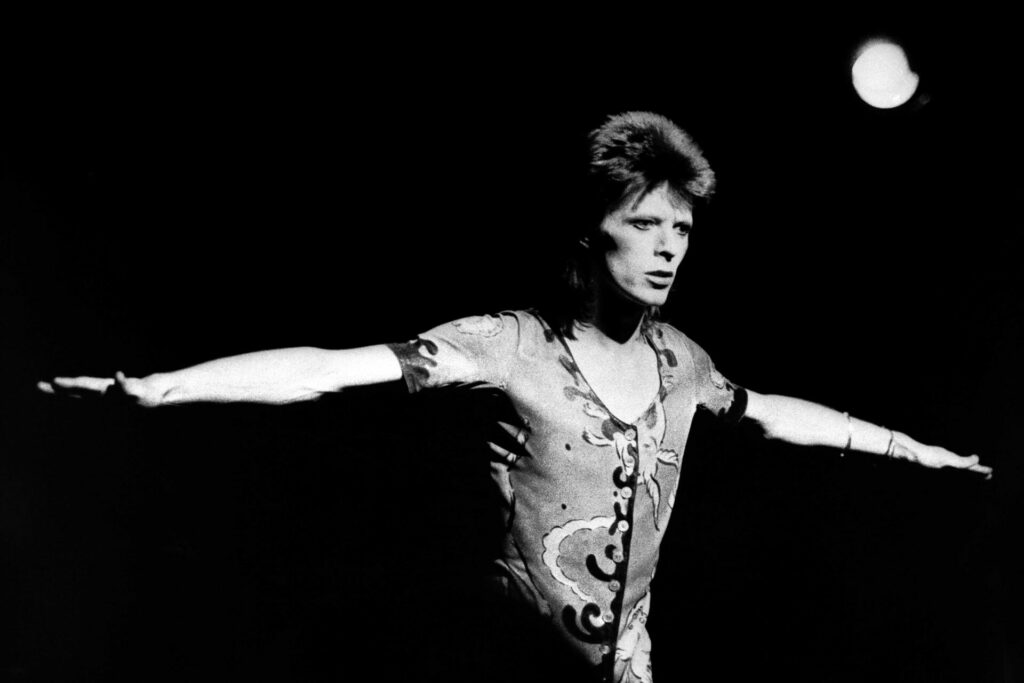
The documentary honours both iconic career milestones and intimate behind-the-scenes moments that, as a young gay man, I had not known before. These revelations help re-establish Bowie not just as a legend, but as a deeply human artist, someone whose nerves sometimes got the best of him, yet who powered through illness to do what he loved most: make music.
“A storyteller until the very end”
Looking back on his final years, following a cancer diagnosis in 2014, contributors highlight Bowie’s extraordinary bravery. Working through a period when many would understandably withdraw, Bowie instead transformed vulnerability into creativity with his final album Blackstar. Watching the Lazarus music video, the emotion from old friends is immediate and overwhelming, witnessing a once-unbreakable powerhouse turn fragility into art. A storyteller until the very end.
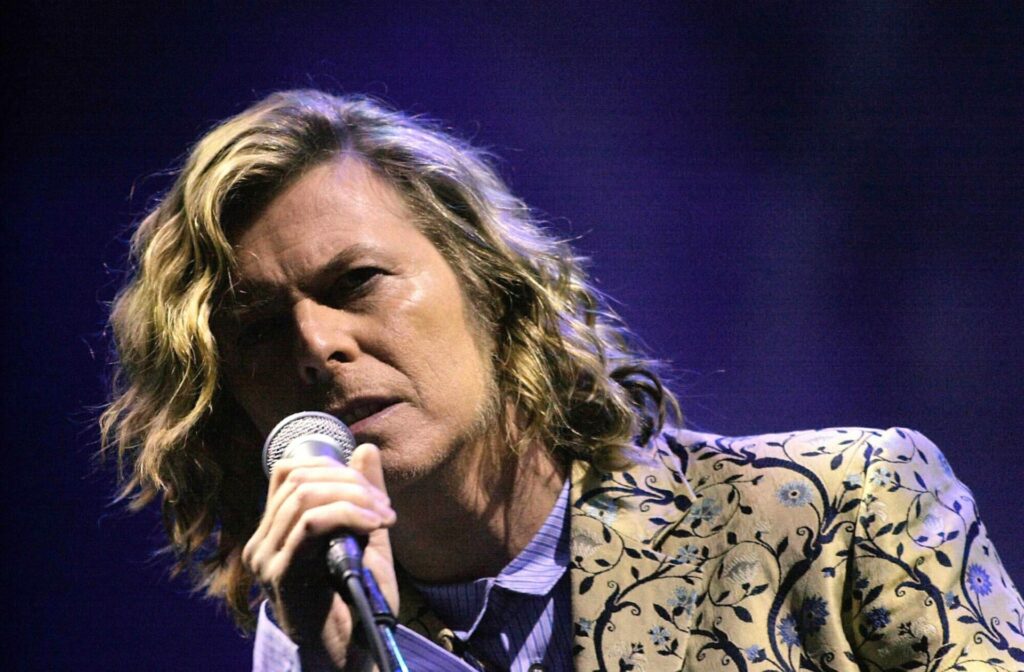
The film touches briefly on his sexuality as a bisexual man, though it does not dive deeply into his personal love life. Understandably, the focus is on his musical career, stretching from Tin Machine through his many different eras. However, given that the musical mastermind’s identity played such a huge role in his art, I would welcome seeing that aspect paid tribute to a little more.
“A performer who defied time in a way only a Starman could”
From a generational perspective, those like me, who did not live through Bowie’s rise but now inherit his legacy, Bowie: The Final Act offers more than nostalgia. It reframes Bowie as an icon, whose strength came from embracing difference until he passed, a performer who defied time in a way only a Starman could.
Bowie: The Final Act will run in selected UK and Irish cinemas from 26 December and air on 3 January at 10:00PM on Channel 4.
Subscribe to Attitude print, download the Attitude app, and follow us on Apple News+. Plus: find us on Instagram, Facebook, TikTok, X and YouTube.