
The top five nutrition myths, busted

Promotional feature
Nutritionists have spent decades debating the pros and cons of certain attitudes to nutrition, however, certain myths build momentum over time and are hard to extinguish. Here, Multipower Nutritionist Drew Price busts five of the most common:
Saturated fats are bad for you
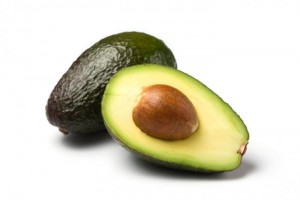
This is one of the most pertinent nutrition myths of them all. For a long time the anti-fat message has been held and the early research seemed to make sense. After all, fatty stuff clogs the arteries and hangs around our middles; however, a large amount of recent research suggests that the link between saturated fats and heart disease is weak or non-existent. In fact, studies show some forms of saturated fats can even improve blood lipid profiles.
The best evidence says two things: get your fat from a large variety of mainly high quality whole foods such as; olive oil, avocado, fish, nuts and seeds, and secondly, avoid the damaged and trans fats found in processed foods, and cheap cooking oils.
No carbs after 6pm
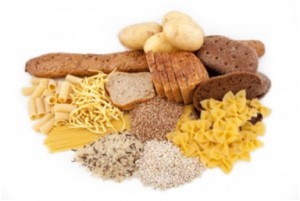
Banning carbs after 6pm seems sensible at first glance; after all, front-loading your day with carbs gives you more time to use the fuel up, instead of storing it as fat. However, evidence shows that the opposite is in fact true.
A study asking people to eat all their carbs at night saw subjects lose more fat compared to those who were told to spread them through the day. Also the ‘all at night’ group also reported more satisfaction from their diet, and it’s clear to see how this could also make socialising easier.
I’d recommend you eat your carbs when it suits you. From a body composition perspective having one serving in the evening may be best.
Six meals a day and metabolic rate

Research has shown time and time again that there’s little or no difference in the metabolic effects between three and six meals per day. Fewer meals make no difference in fat loss, but less frequent eaters show generally lower blood sugar levels and often have reduced rates of some diseases.
Don’t be too concerned over these details; instead eat the number of meals that makes it easiest for you to stick to a healthy, whole-food based meal plan.
Sugar and High Fructose Corn Syrup (HFCS) are poisonous

Sugar and especially HFCS are the new villains in the nutrition world. Plain sugar is – at best – empty calories, but focusing on the sugar and not the context is a mistake. How and in what form you’re consuming the sugar is crucial. Another question is what are those sugar calories displacing?
If you’re consuming significant amounts of sugar because you’re downing loads of soft drinks and junk, then this is the issue, not so much the sugar itself. The problem is exacerbated if all the rubbish is displacing ‘healthy’ choices like veg, proteins, fish etc.
Sugar is not a ‘poison’, but consuming it wrong forms and amounts will damage health. Focusing on one thing, for example HFCS at the expense of the big picture means missing the point.
Make sure the amounts fit your needs, the more exercise you do the more you can get away with, and make sure it’s mostly from sources that bring both fibre, vitamins, minerals and phytonutrients, i.e. whole fruit.
High protein diets are bad for your kidneys

Higher protein diets are getting more popular, we all want to be lean and carry a healthy (and good looking) amount of muscle and protein can certainly help here. The research shows that people who are training benefit from more protein, and high protein diets are effective for fat loss.
What the research doesn’t show, no matter how many times it is repeated, is that high protein diets are ‘bad’ or ‘stressful’ for healthy kidneys. Studies looking at bodybuilders pushing down frankly incredible amounts of protein show no ill effects. Interestingly, two conditions that are bad for kidneys, namely high blood pressure and diabetes, are actually improved by high protein diets.
High protein diets aren’t bad for the kidneys, but chronic dehydration might be. Remember to drink enough water so that your urine is light straw coloured most of the time.
If you exercise hard, eat a balanced diet and sleep well you will improve and work your way towards your fitness goals. For more information on how Multipower’s new range of protein powders can help with your training please see www.multipower.com/uk.