
New Mexico to fund gender-affirming care for minors after federal Medicaid cut
“Health Care Authority is planning to continue covering these services using state funds”, a spokesperson for the agency said
By Callum Wells
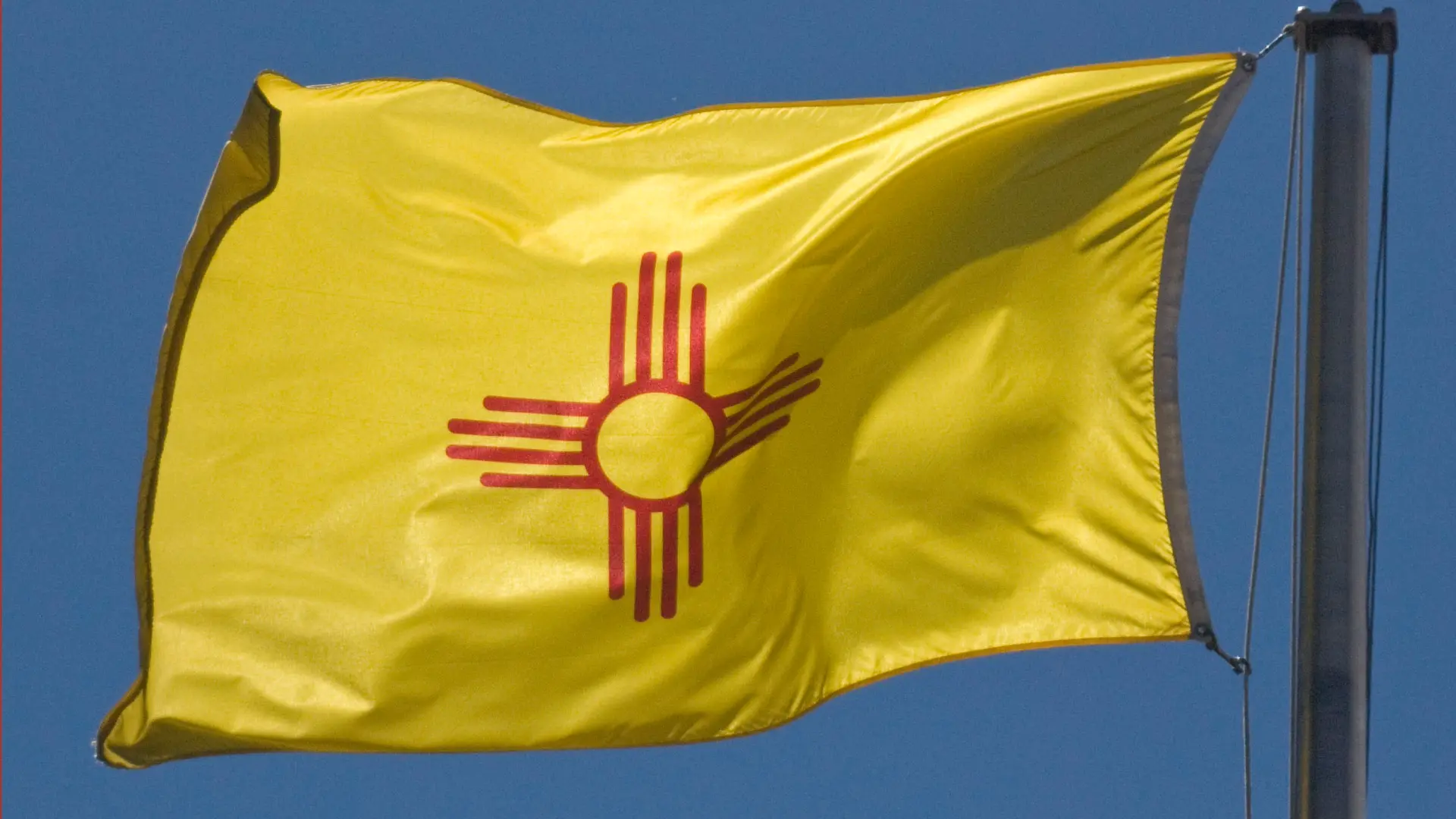
New Mexico will use state money to continue covering gender-affirming care for minors after the Trump administration moved to withdraw funding for the treatment.
The federal government finalised new rules on 13 August that will prevent federal Medicaid funding from being used for gender-affirming care for people under 18. The same restriction will apply to CHIP recipients under 19. The rules are due to take effect on 13 October.
However, states can continue paying for the treatment with their own funds.
“Health Care Authority is planning to continue covering these services using state funds”, a spokesperson for the agency confirmed to the Santa Fe New Mexican.
What does the new Medicaid rule cover for transgender young people?
The federal rule covers puberty blockers, hormone therapy and certain surgeries. It does not prevent states from funding the services independently, meaning New Mexico can maintain coverage without using federal Medicaid or CHIP money.
New Mexico has one of the highest rates of Medicaid and CHIP enrolment in the US, with 41.4% of its population covered through the programmes, according to the Centers for Medicare & Medicaid Services.
The state has also introduced legislation protecting access to gender-affirming healthcare. In 2023, lawmakers passed the Reproductive and Gender-Affirming Health Care Freedom Act.
An estimated 4,800 transgender teenagers aged between 13 and 17 live in New Mexico, according to research from the Williams Institute at the University of California, Los Angeles.
New Mexico has already passed protections for gender-affirming healthcare
New Mexico’s decision comes as the federal government introduces wider restrictions on gender-affirming healthcare for young people.
The new Medicaid and CHIP rule is expected to affect around 17 state Medicaid programmes that currently cover at least some gender-affirming services for minors, according to KFF. The organisation estimates that around 130,000 young transgender people with Medicaid or CHIP coverage live in states without restrictions on gender-affirming care.
Under the final rule, states can continue covering the affected treatments using state-only funding. For young people already receiving hormone therapy, federal funding can continue for those medications for up to six months after the rule takes effect.
New Mexico has confirmed that it will use state funds to prevent the federal change from ending coverage for gender-affirming care for minors in the state.