
Over 150 protestors detained in Turkey as police crackdown on LGBTQ+ groups
Authorities say the operation is intended to protect children from “obscenity”
By Aaron Sugg
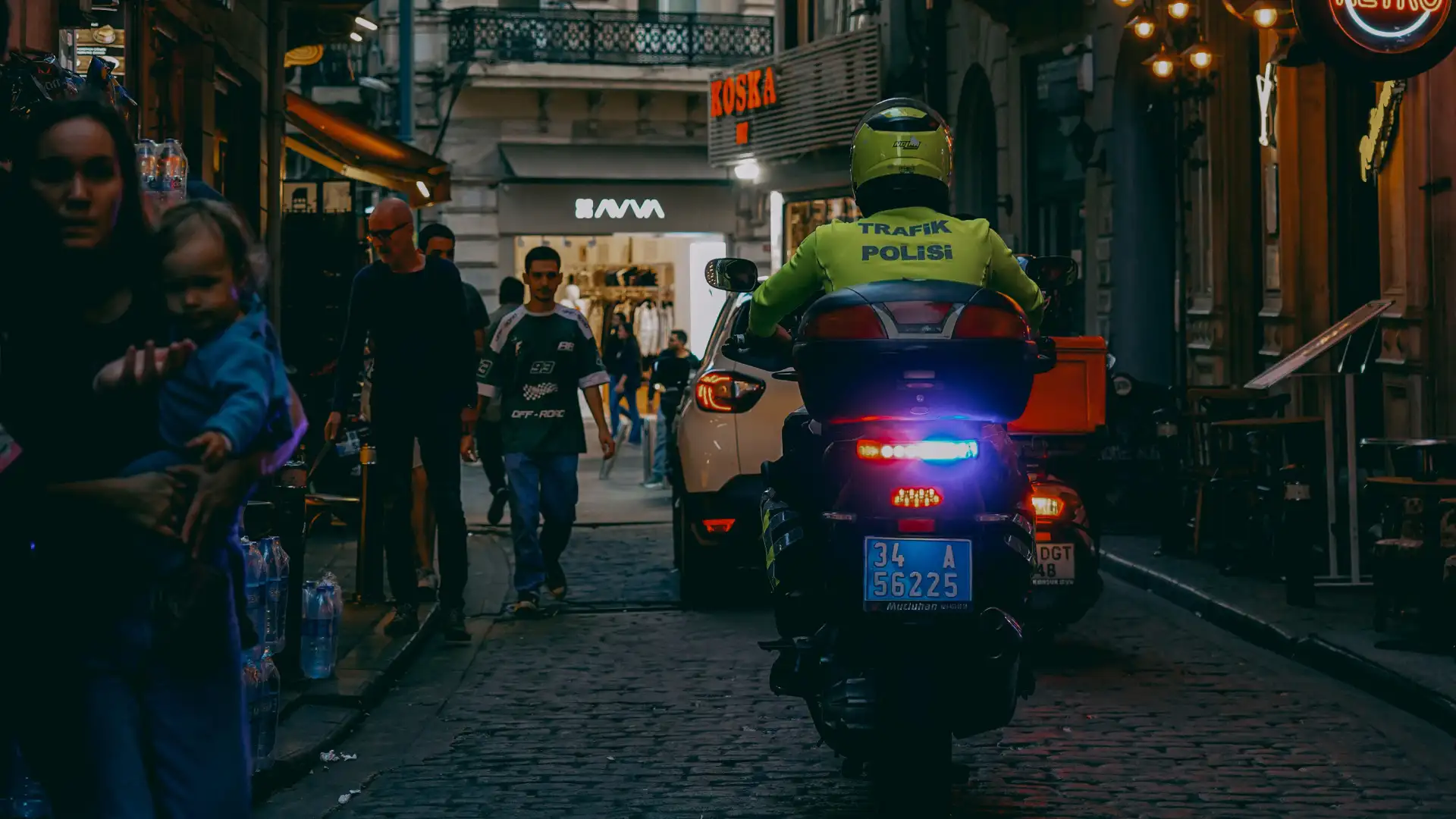
More than 150 protesters have been detained in Istanbul, Turkey, with dozens more arrested in Ankara, after protests erupted against a nationwide crackdown on LGBTQ+ groups.
The crackdown is being carried out under an operation dubbed “My Family is Safe”, launched by Turkey’s Justice Ministry on 13 September.
The operation forms part of President Recep Tayyip Erdoğan’s newly announced “2026–2035 Decade of Family and Population” initiative, which aims to strengthen the nuclear family amid declining birth rates.
Why are LGBTQ+ organisations being targeted in Turkey?
Authorities say the operation is intended to protect children from “obscenity” – material portraying same-sex relationships and gender ideology displayed by LGBTQ+ organisations and venues.
According to the Human Rights Foundation of Turkey, at least 106 protesters were detained outside Çağlayan Courthouse on 15 September. Among them was BirGün journalist Sarya Toprak, who reported that detainees alleged they had been tortured and otherwise ill-treated by police officers.
In Ankara, 20 people were detained as part of a criminal investigation targeting LGBTQ+ individuals and organisations
Journalists are being targeted
An increasing number of journalists have been targeted in Turkey’s crackdown. One such case is Tuğba Tekerek, who was detained after writing an article for Kaos GL, one of Turkey’s oldest LGBTQ+ rights organisations.
According to Reuters, eight Kaos GL members were jailed pending trial as part of the “My Family is Safe” crackdown. Prosecutors accused them of disseminating obscene content, citing their organisational roles and social-media activity.
The wider operation has targeted nine associations and 13 businesses across 15 provinces, according to Turkish authorities, with some LGBTQ+ websites and social-media pages blocked.
While homosexuality is not illegal in Turkey, queer people face increasing threats. With no comprehensive anti-discrimination laws in place and anti-gay rhetoric often used by the country’s politicians, human rights organisations have called, and continue to call, for action.