
New Spanish war epic La bola negra is the best gay film of the decade. Here’s why
Move over, The Odyssey – La bola negra, helmed by handsome ex-boyfriends and directing duo Javier Ambrossi and Javier Calvo (judges on Drag Race España) is an Oscar shoo-in. It's a film every man who’s ever loved a man (or struggled to) must see before he dies. “A big gay ancestors' strength was guiding us,” says Calvo
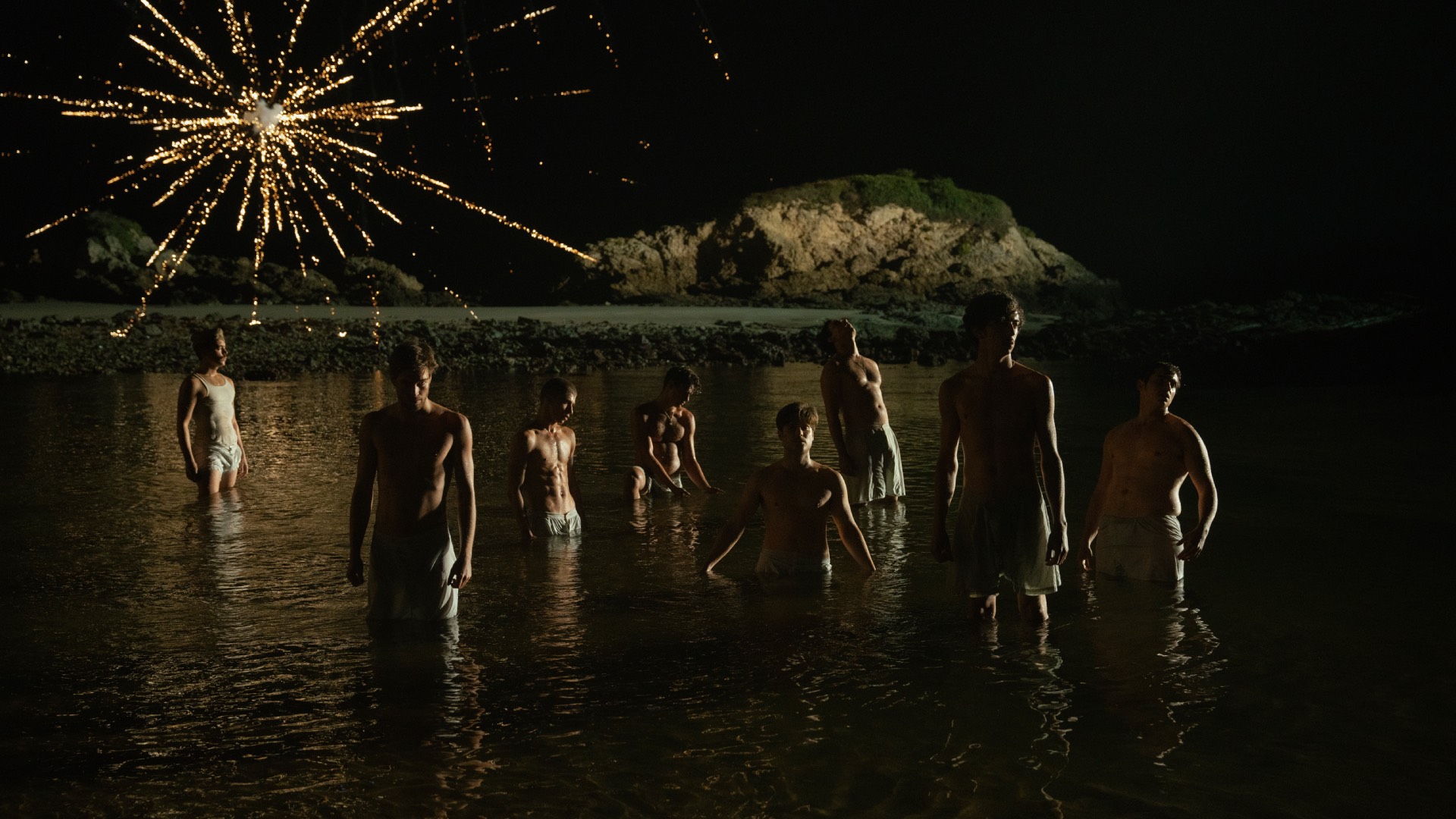
Whose inspired idea was it to punctuate the historical splendour and drama of a film about the Spanish Civil War – and the closeted queer men fighting it, already at war with themselves – with a cut to the modern day via the ping of a Grindr notification?

It’s a genius moment in upcoming release La bola negra (The black ball) that made film critics, who have near-unanimously named the romantic drama the greatest threat to Christopher Nolan’s expected awards sweep at the 2027 Oscars with The Odyssey, laugh out loud at the screening Attitude attended.
Directing duo Javier Ambrossi, 42, and Javier Calvo, 35, or “Los Javis”, as they’re colloquially known, simultaneously answer with “I think…” before descending into giggles. “I’m not sure whose idea it was because I never know!” says Ambrossi. “We write at the same time. I kind of forget. Sometimes I say: ‘That was my idea!’ Javi’s like: ‘Don’t lie!’”
Joint credit, then. In their native Spain, they were a power couple, appearing as judges on Drag Race España (RuPaul hasn’t seen La bola negra yet. “I think I might write him an email today!” says Ambrossi). I’m impressed at the playfulness and diplomacy between them, given they were formerly a romantic couple. They navigated a breakup during the film’s $17m production, an experience that informs one of its three storylines about gay love and loss. “I am surprised people are surprised about how well Javier and me are together,” admits Ambrossi of the cordial relationship between him and Calvo. Their creative partnership – which also birthed Spanish hit TV series Veneno, about the late trans cultural sensation Cristina Ortiz Rodríguez – still thrives.
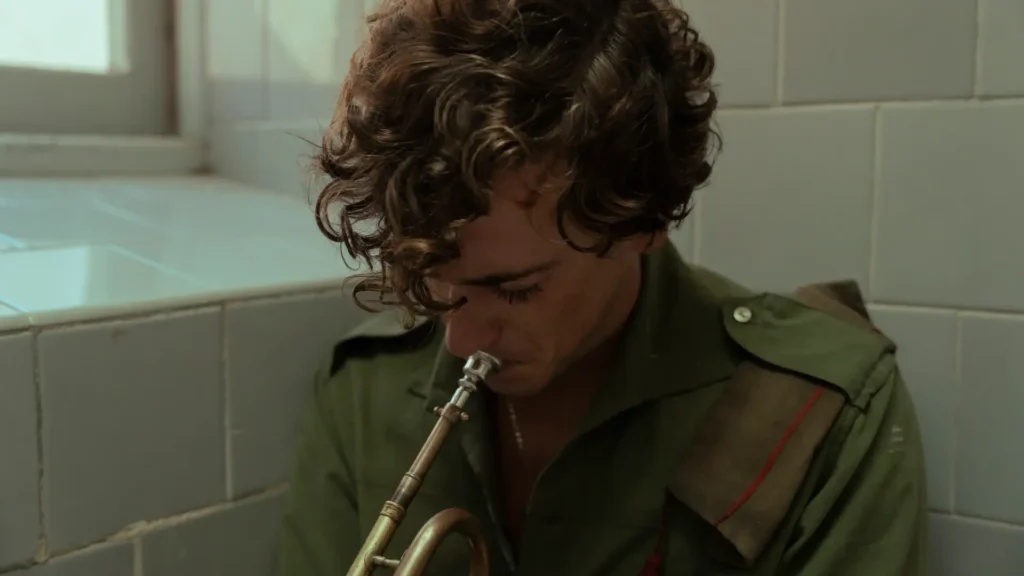
The film is a tribute to Spanish playwright Federica García Lorca, who was assassinated in 1936 in part over his homosexuality. Based on Lorca’s unfinished play of the same name, La bola negra investigates the lives of three queer men in history, with three sub-plots taking us back to 1932, 1937 and 2017.
Three out gay actors star in the main roles. In the modern storyline, a sullen historian named Alberto (Carlos González) awkwardly navigates his disaffection towards his innately warm boyfriend Juan (Julio Torres). This subdued domestic drama, the casual hook-ups and house parties, not to mention the necessarily glacial pace of Alberto’s research into the previously unknown queer lineage of his family tree (and the ramifications of its secrecy), is in stark relief to the other two storylines.
In the 1932 sub-plot, which offers an imagined expansion of Lorca’s original play, Milo Quifes plays Carlos, a young gay man rejected by his father’s elite, homophobic gentlemen’s club after a brutal membership voting process involving white balls (acceptance) and black balls (rejection).
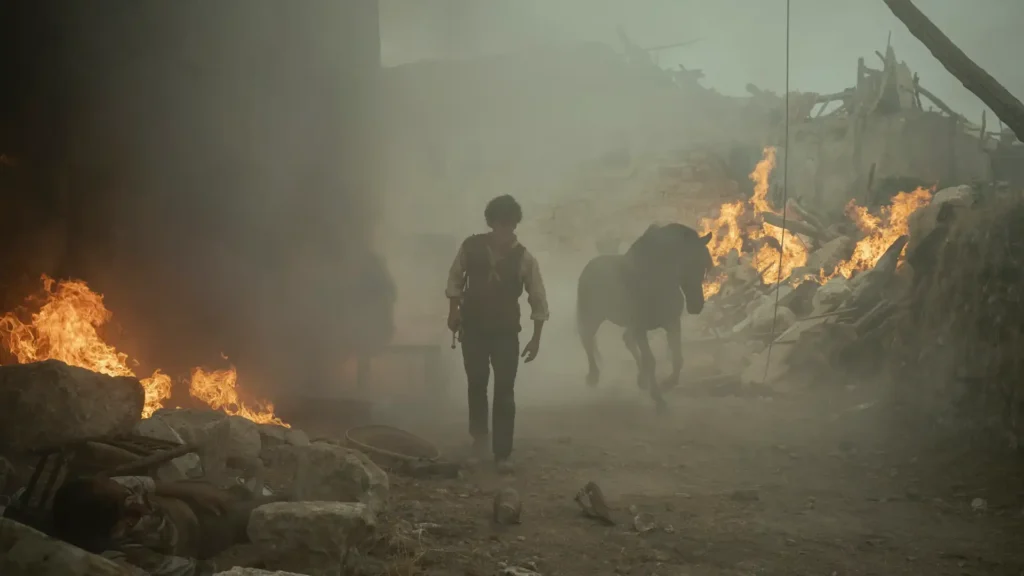
The 1937 sub-plot sees Spanish folk-pop star Guitarricadelafuente play Alberto’s late grandfather Sebastián, a hauntingly beautiful 25-year-old conscripted into the Nationalist army. Elite’s Miguel Bernardeau plays the gorgeous Rafael, the Republican prisoner Sebastián is tasked with guarding, with whom he promptly falls in love.
Ambrossi reflects on the modern sub-plot: “When we wrote Alberto and his boyfriend’s storyline, we were very open to what could happen. We weren’t sure – is it going to end well? Is it going to end [badly]? We were confused about it, so we tried to make it open, so everyone will understand whatever they want to understand. We were trying to figure out our own relationship [at the time] and finally understood we’re meant to be with each other in different ways: partners, friends. We tried to put it in the movie – the idea that you should live [fully] in order to pay tribute to the LGBTQ+ community that went before us. We have to try to be happy, at least try to find it.”
LGBTQ+s were ahead of the curve on open relationships – might the same be true of how we regard ex-lovers, I ask? “You’re right – we are ahead of that,” opines Ambrossi. “We’ve been through a lot as a community, so we’re not scared to break rules.” La bola negra is a symbol of it.
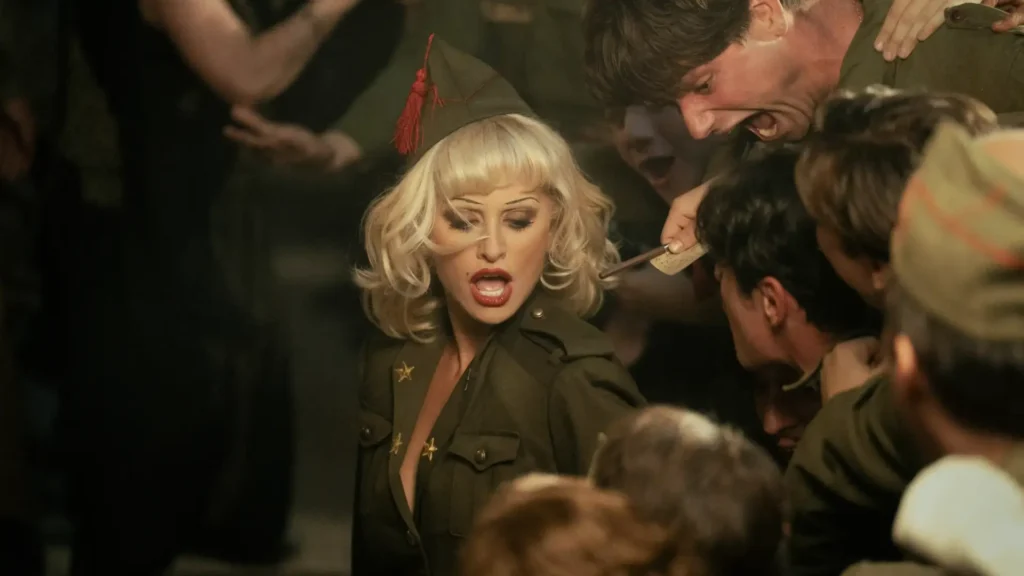
Calvo has this to say about the LGBTQ+-inclusive casting, which extends to Yenesi Suárez López, a Spanish singer and trans woman: “For us, it’s a matter of being committed to our community, the seeking of truth and catharsis. We like the actors to tell something of themselves, the pain they’ve felt. When we wanted to tell a story through the ages, we were thinking about the gay actors who are big stars who have had long careers – you don’t get many. When they wanna do a big queer movie, they hire big, straight stars. We didn’t want that. [It was] an artistic decision but also a political decision.”
A chain of “right” decisions – not least casting Hollywood legends Glenn Close and Penélope Cruz in scene-stealing supporting roles – coalesced into a joint Best Director win at this year’s Cannes Film Festival. They follow in the footsteps of Spanish auteur Pedro Almodóvar, who won in 1999 for All About My Mother, and co-produced La bola negra. “Having his approval, having him by our side, it gave us a lot of strength,” says Calvo.
He adds of the generations of queer men whose very souls seem to linger in the eyes of the characters: “It was like a big gay ancestor’s strength was guiding us. People died because they loved; they were killed because they loved. How do we honour the people who couldn’t live?” The answer: by loving.
La bola negra is released in UK cinemas on 6 November.