
New Zealand expands blood donation rules for gay and bisexual men
It comes just days after the Australian Red Cross Lifeblood eased restrictions for gay and bisexual men, and transgender people
By Callum Wells
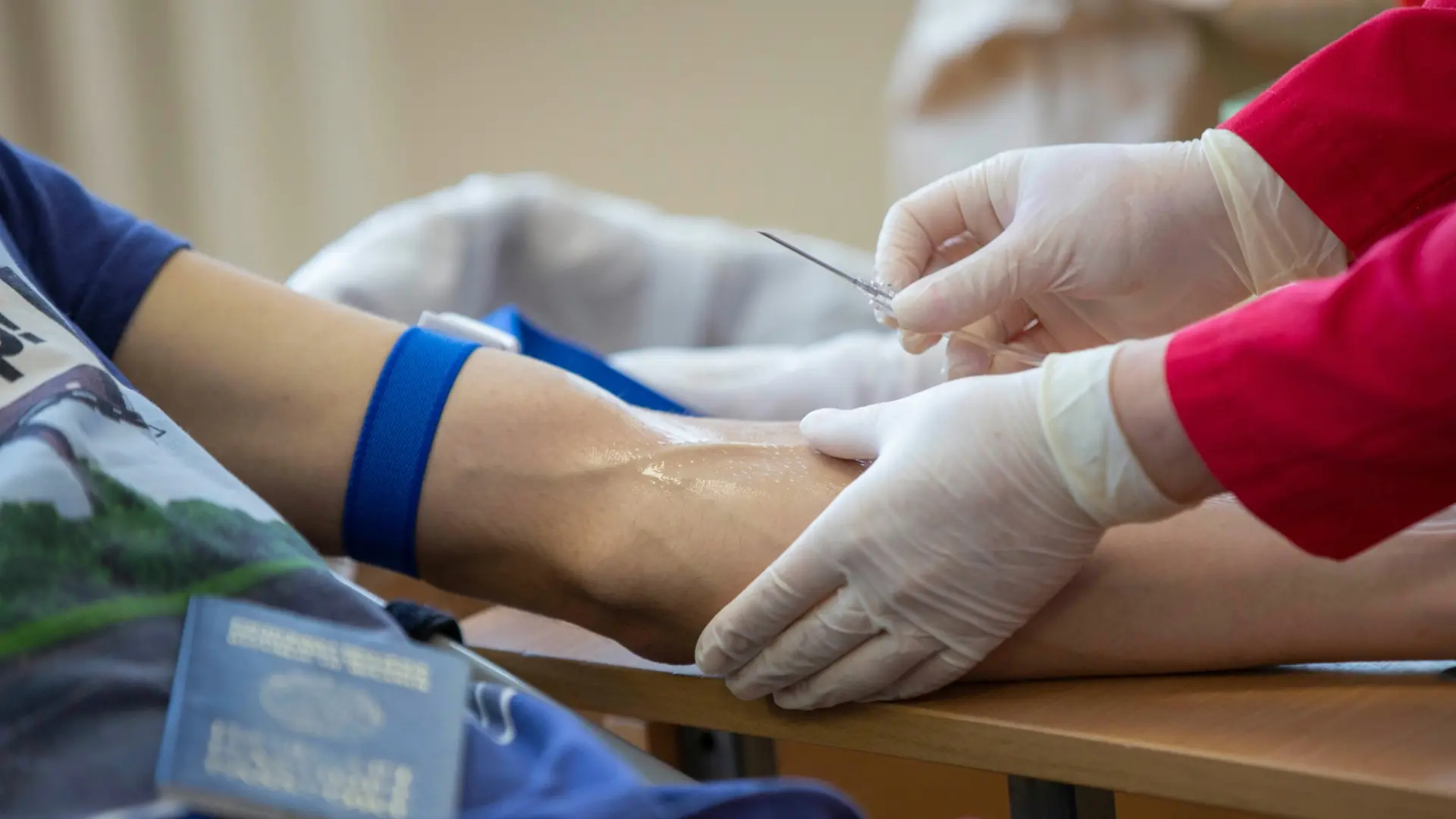
More gay and bisexual men in New Zealand will soon be eligible to donate blood under a revised screening system set to be introduced in May.
The New Zealand Blood Service has confirmed it will update its donor eligibility criteria from 4 May, replacing existing sexuality-based restrictions with a model focused on individual risk.
Under current rules, men who have sex with men are required to wait three months after oral or anal sex before donating, regardless of whether protection was used or the relationship context.
All donors will be assessed using the same set of behavioural questions, regardless of sexual orientation or gender
The new approach shifts away from that blanket deferral. Instead, all donors will be assessed using the same set of behavioural questions, regardless of sexual orientation or gender. This change is expected to allow a wider group of people to give blood, including those previously excluded despite presenting a low risk.
The move follows approval from Medsafe and is part of a broader transition towards what officials describe as “individualised risk assessment”.
Research commissioned to support the policy change found that large numbers of gay and bisexual men would be both willing and eligible to donate under a more targeted system. One study indicated that four out of five respondents in this group would consider donating if restrictions were eased.
Restrictions on men who have sex with men were introduced during the HIV/AIDS crisis
Current safeguards are based on the risk of undetected HIV transmission. While all donated blood is screened, there remains a short window in which a recent infection may not be picked up by testing.
Historically, restrictions on men who have sex with men were introduced during the HIV/AIDS crisis, when testing methods were less advanced. In New Zealand, the deferral period was reduced from 12 months to three months in 2020, reflecting improvements in screening technology.
The latest update aligns New Zealand with a growing number of countries that have moved to behaviour-based screening, rather than rules tied to sexual orientation.
It comes just days after the Australian Red Cross Lifeblood eased restrictions
Officials say the aim is to maintain the safety of the blood supply while increasing the number of eligible donors. Fewer than 4% of New Zealanders currently give blood, despite ongoing demand for transfusions.
Further details on how the updated questionnaire will operate in practice are expected ahead of the rollout date.
It comes just days after the Australian Red Cross Lifeblood announced that gay and bisexual men, and transgender people in monogamous relationships, will be able to donate blood.