
Michael Kearns, actor and HIV/AIDS activist, dies age 76
Celebrated as one of Hollywood’s first openly gay actors to publicly disclose his HIV-positive status, he used his career to challenge stigma, homophobia and social inequality
By Aaron Sugg
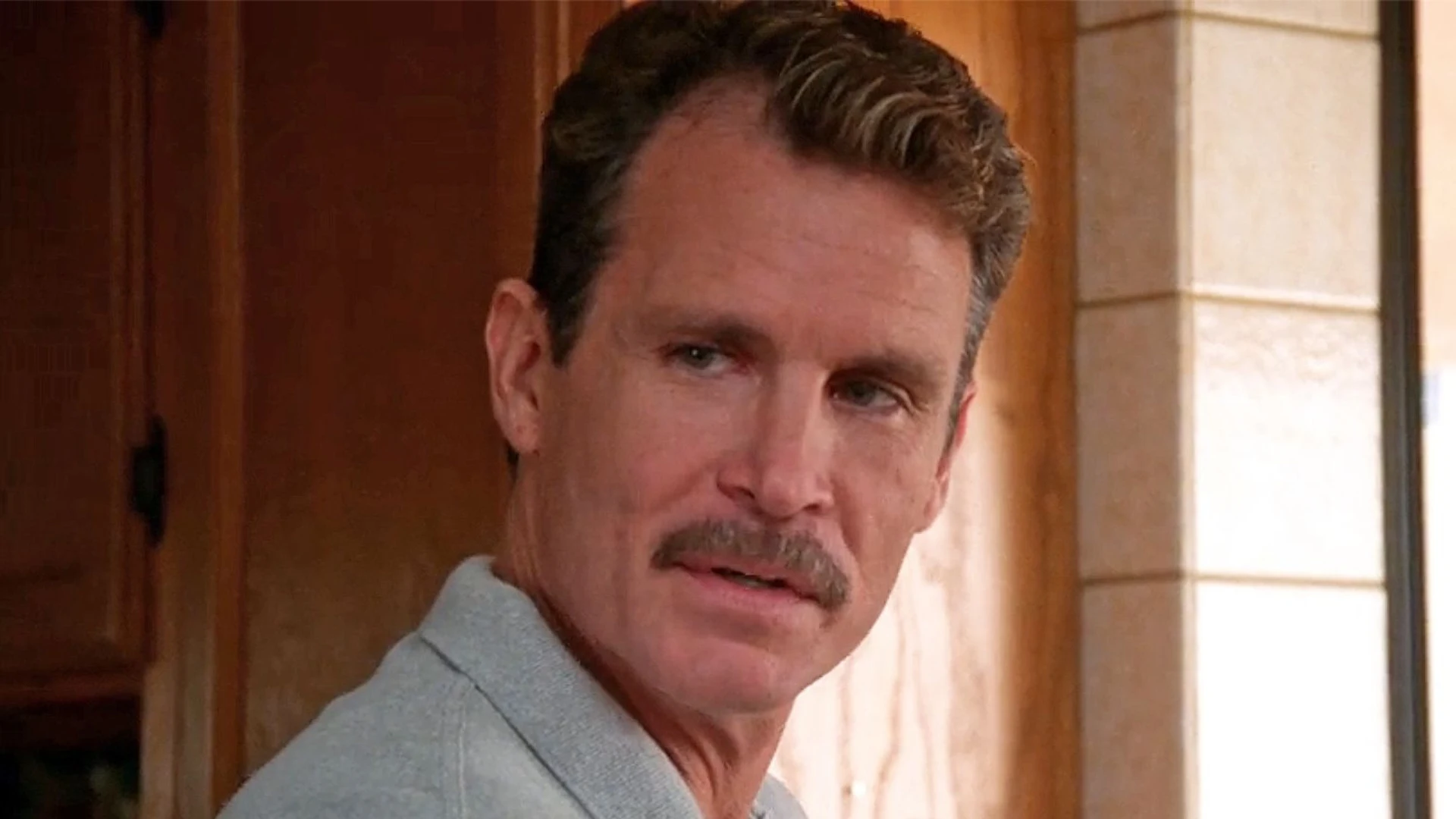
Michael Kearns, actor and HIV/AIDS advocate, died on October 5, 2026, aged 76. His death was confirmed by his longtime friend and journalist Karen Ocamb and filmmaker and professor Roland Palencia.
Writing for the Los Angeles Blade, Ocamb reported that Kearns died on Monday night, 5 October. His cause of death has not yet been announced, but Kearns had apparently not been in the best of health.
Palencia took to social media to announce the actor’s death, revealing that she had been with him the night before and had helped him get ready to call the paramedics.
“He was not feeling well” – Roland Palencia announcing Michael Kearns’ death
“He was not feeling well,” Palencia wrote on Facebook. “He was calm and lucid, but with an underlying anxiety as expected.”
She said Kearns was struggling with his health, claiming he had been in and out of emergency rooms more than five times over a three-month period.
“I don’t know if I want to do this anymore,” Palencia recalled Kearns saying in one of their final conversations.
Palencia described Kearns’ death as “foretelling”
Palencia said the words reminded her of her mother, who had said something similar 11 years earlier, shortly before suffering a heart attack that led to her death. “It was a foretelling,” she explained.
A wave of love and grief has swept across social media, with fans, friends and family remembering Kearns’ enduring legacy.
Kearns was a pioneering gay actor in Hollywood, having publicly come out in the 1970s, at a time when being openly gay could harm an acting career. He has been described as one of Hollywood’s first openly gay actors.
Coming out as HIV positive
He also became one of the first, and was widely described as the first, Hollywood actor to publicly disclose that he was HIV-positive. He revealed his status in 1991, following the AIDS-related death of actor Brad Davis.
“I felt that not one more HIV-infected actor or anyone else should die in shame,” he said. “I’m doing this for all people with HIV. HIV is nothing to be ashamed of. For me to remain silent indicates shame or fear on some level. Taking my cue from Brad Davis, I couldn’t remain silent.”
Kearns had reportedly known he was HIV-positive since 1989 but kept his status private because of the stigma surrounding HIV and AIDS at the time.
A career addressing AIDS, homophobia and sexuality
One of his most important theatrical achievements was Jerker. Kearns directed the world premiere of Robert Chesley’s Jerker at Celebration Theatre in 1986. The play depicted two gay men developing a relationship during the AIDS crisis.
Coming out as HIV-positive brought new opportunities. Shortly afterwards, Kearns appeared on ABC’s Life Goes On in 1992, playing an HIV-positive character. He later appeared as gay rights and AIDS activist Cleve Jones in HBO’s 1993 film And the Band Played On.
His acting work addressed AIDS, homophobia, sexuality, homelessness, racial inequality and other social issues, but his advocacy went far beyond the stage and screen.
Artists Confronting AIDS
He co-founded Artists Confronting AIDS in 1984 with playwright James Carroll Pickett. The organisation used the arts to address the AIDS crisis and its social consequences.
Kearns received significant recognition for his activism and theatre work, winning the Gay & Lesbian Victory Fund’s Victory Award in 1999 and the Robert Chesley Playwrighting Award in 2005. Celebration Theatre also honoured him with its Chuck Rowland Pioneer Award.
Following news of his death, Celebration Theatre sent its condolences to the LGBTQ+ community via Facebook.
“At Celebration, Michael is perhaps most remembered for his production of Robert Chesley’s JERKER. In fact, Michael was due to appear this Sunday (National Coming Out Day) in our Circa: Queer Histories Festival event, ‘Art in the Revolution: Queer Theatre in 1982 and Today’, where he was to reprise selections from the play alongside his longtime friend and colleague Joe Gill.”
He leaves behind his daughter, Tia Katherine, whom he adopted in 1995.