
Letting your dog hang out of the car window is more dangerous than you think, study reveals
Pet protection brand Tavo Pets has released new research revealing that millions of dogs across the UK are being put at risk by one of the most common habits in motoring
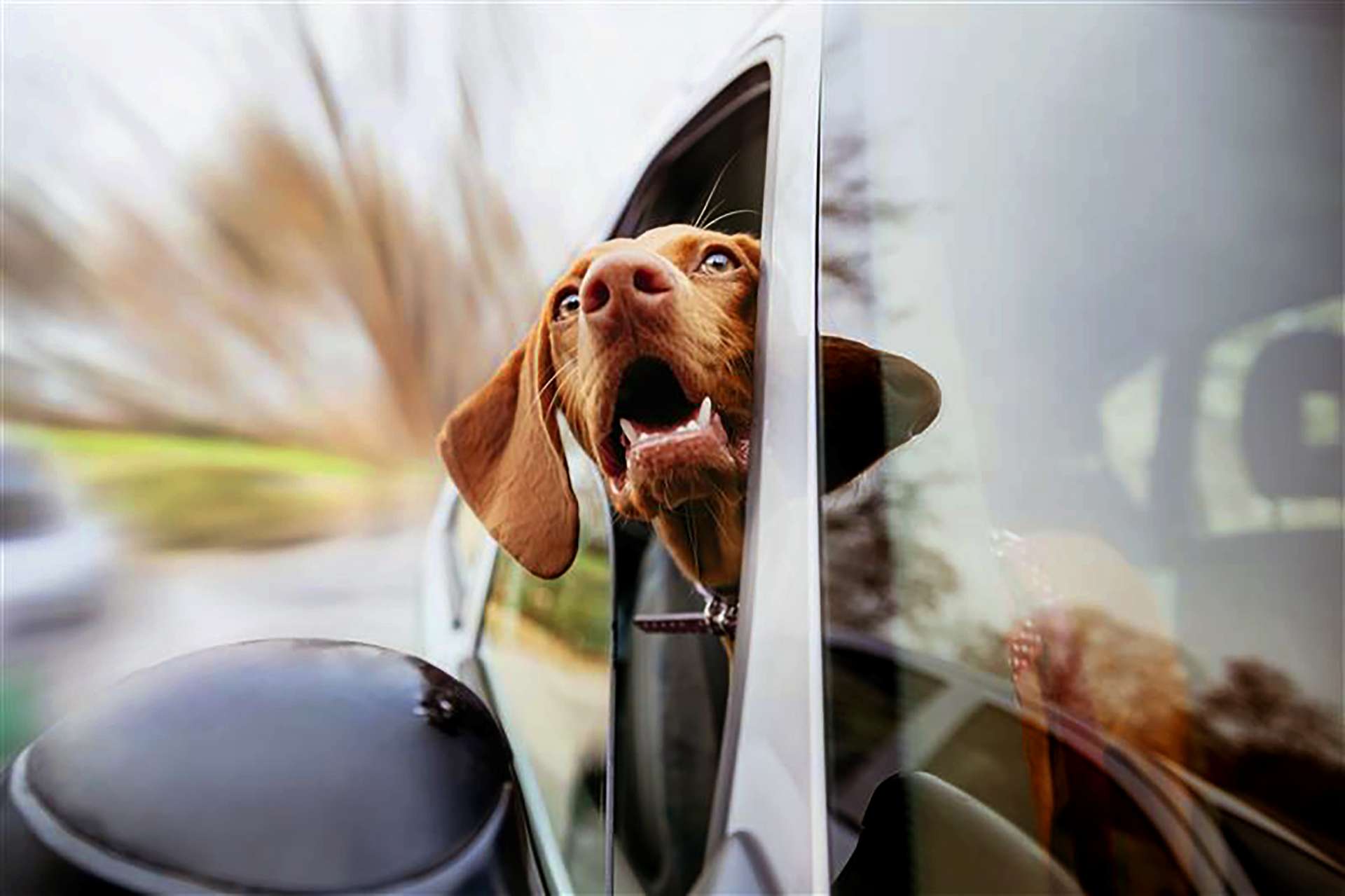
Most people know not to leave a dog in a hot car. Fewer, it seems, have considered the risks of letting one travel with its head out of the window. Research published today (6 March) by pet travel brand Tavo Pets suggests that 3.5 million dogs in the UK are doing exactly that, leaving them exposed to eye abrasions, impact injuries from road debris, and in the most serious cases, falling from a moving vehicle.
The study, carried out with 2,000 dog-owning drivers, found that 26 per cent regularly allow their dog to travel this way, a figure scaled against the Dogs Trust’s estimate of 13.5 million pet dogs in the UK.
The motivations behind the behaviour make for uncomfortable reading. Of those who allow it, 71 per cent said their dog enjoys it and 70 per cent cited fresh air as their reason. A combined 48 per cent, however, admitted they had given no thought to their dog’s welfare at all.
“Panting can in fact be a sign of stress” – canine behaviourist Adem Fehmi
Of that group, 28 per cent simply thought it looked cute, and 20 per cent said passers-by seemed to enjoy it. Veterinary surgeon Dr Scott Miller, resident vet on ITV’s This Morning, is direct about what that means. “That’s an estimated 1.5 million dogs being put in direct danger purely for ‘entertainment’,” he says.
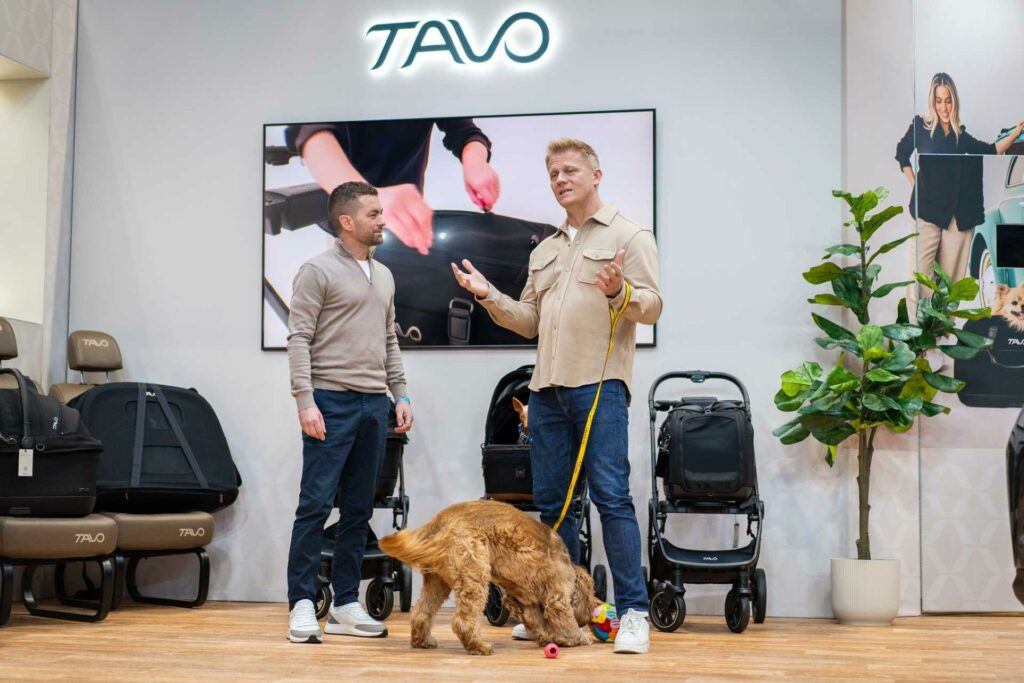
Canine behaviourist Adem Fehmi, also backing the campaign, warns against taking a dog’s apparent enthusiasm at face value. “Whilst some owners might think that a dog panting with its head out of the window is a sign that they are enjoying the fresh air, panting can in fact be a sign of stress,” he says.
Lucy MacLeod, borough commander at Hammersmith and Fulham for the London Fire Brigade, adds that an unsecured dog at a collision scene creates real complications for emergency responders. Even a well-trained animal, she notes, can become unpredictable around flashing lights and unfamiliar people.
Miller and Fehmi are both supporting Tavo’s Safer Inside campaign, launched today at Crufts, which calls for dogs to travel in secured, crash-tested carriers.