
Is The Convenience Of Digital Payment Costing Us More Than We Think?
In partnership with Kaboozt
By Nina Parker
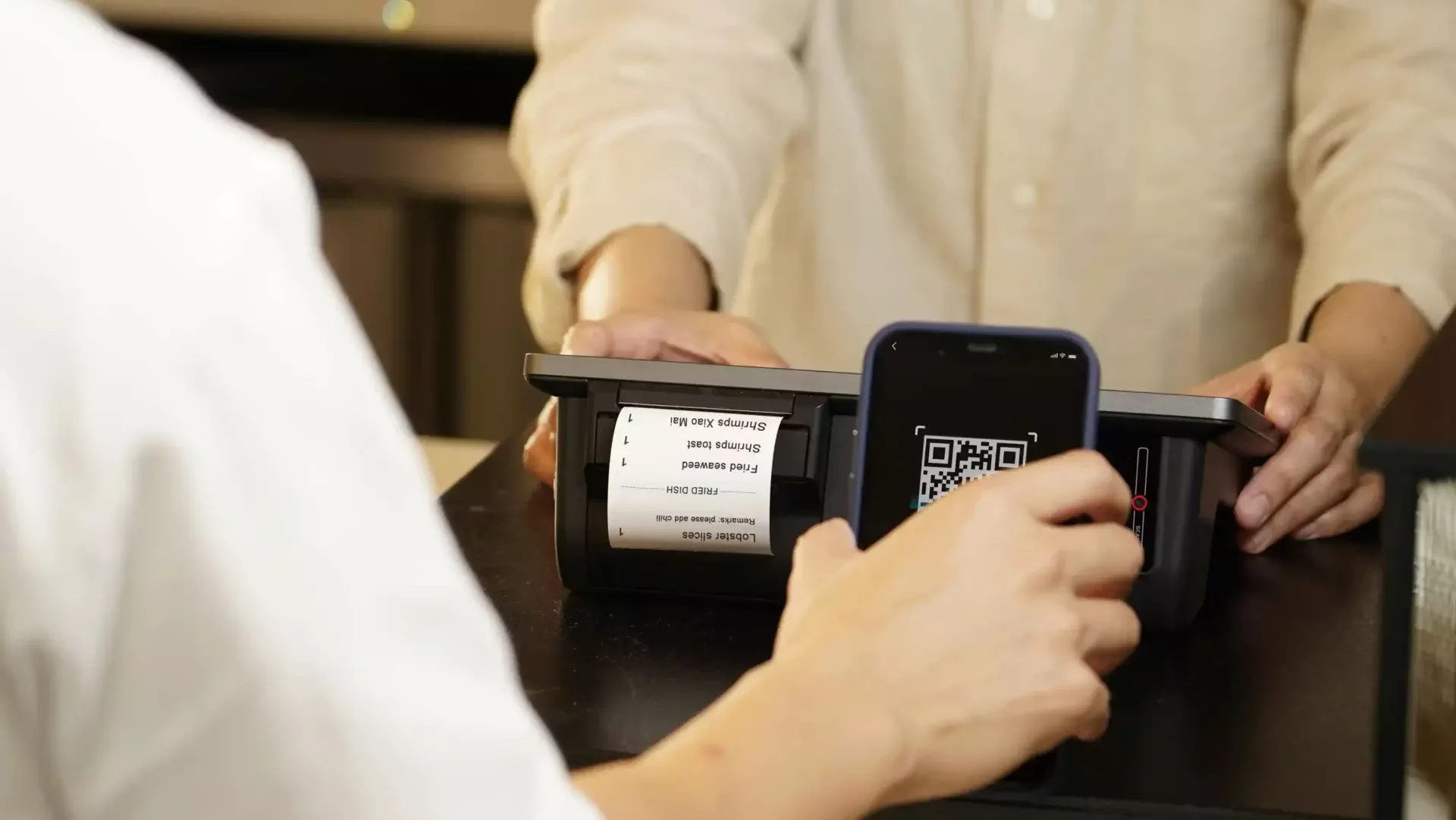
Digital payments have become so routine that most of us barely notice them anymore. A phone tap for coffee, a contactless card on the tube, a quick transfer to settle a dinner bill, money now moves with almost no effort at all. In the UK, especially, the transition away from cash has been so fast, turning everyday spending into something that happens almost automatically.
That convenience has changed more than just how we pay. When transactions take seconds and leave no physical trace, it can be harder to notice how quickly small purchases accumulate. As online payments continue to dominate daily life, it raises an interesting question: has making money easier to spend subtly changed how we think about it?
Psychological Effects Of Invisible Digital Transactions
The transition away from traditional high-street banking toward app-based finance has essentially altered our relationship with money. When your bank branch is just an icon on your home screen, the solemnity of financial management is replaced by the same dopamine-driven interface design used by social media.
This gamification of finance can make spending feel inconsequential. At least 40% of UK adults had digital-only bank accounts in 2025, up from 9% in 2019, equating to around 21.5 million people. This massive migration to digital-first platforms means a significant portion of the population is managing their wealth entirely through screens, often detaching the emotional weight of spending from the act itself.
This phenomenon is often referred to as “decoupling.” In a cash transaction, the consumption and the payment happen simultaneously, creating an immediate sense of trade-off. In a digital world, payment is often delayed or invisible, hidden behind a simple biometric check. This creates a psychological distance that marketers and retailers are eager to exploit.
Subscription models, one-click ordering, and auto-renewals all rely on this indifference. We are more likely to agree to a monthly fee than a lump sum because the digital drip-feed feels less impactful than a physical handover of cash. For the LGBTQ+ community, where disposable income is often directed toward travel, culture, and socialising, this invisible drain can quietly erode savings goals without setting off alarm bells until the monthly statement arrives.
Developing Regulations In The Online Economy
As the speed of money increases, regulators are scrambling to ensure that consumer protections keep pace with technological adoption. The payments sector is seeing a ton of new protocols and regulations designed to add a layer of safety without destroying the user experience. One of the most significant areas of regulatory focus has been on high-risk spending categories.
For example, new regulations coming into effect mean people can no longer use credit cards to Buy Now, Pay Later (BNPL) Debt, nor can users withdraw cash orpay tax with credit cards. These restrictions are meant to create a safety net. Many individuals are using credit cards at UK casinos, for withdrawals only, but not for deposits. However, the fees sit between 2%-5%, and it can take up to 3 days before the funds show up.
Ecommerce platforms like Amazon, on the other hand, aggressively promote “Pay by Bank,” a strategy to avoid the 1.5% credit card fees from eating into their profits. The government’s push for ‘Pay by Bank‘ helps the retail economy save millions in fees, but it leaves the shopper standing alone if a merchant fails. We are witnessing the end of ‘Shared Liability’ and the beginning of a ‘Buyer Beware’ digital age.
These types of interventions are becoming more common as the government seeks to balance the benefits of a digital economy with the need for responsible spending guardrails. By limiting the use of borrowed money in volatile environments, regulators are acknowledging that while friction is annoying, it is sometimes necessary for financial well-being.
Maintaining Financial Health In A Cashless World
Despite the psychological traps and the regulatory catch-up, the digital revolution offers powerful tools for those willing to use them. The very technology that makes spending easy also makes tracking it effortless. Banking apps now offer real-time categorisation, spending insights, and instant notifications that can act as a digital conscience.
At least 57% of UK adults used a mobile wallet in 2024, marking a significant increase from the previous year. This widespread adoption suggests that the smartphone has become the command centre for our financial lives. The key is to move from passive usage, simply tapping to pay, to active management, where we utilise the analytics provided by these wallets to understand our habits.
To thrive in 2026, we must cultivate a mindset of “mindful friction.” This means voluntarily adding steps to our own purchasing processes, such as disabling one-click ordering or setting up transaction alerts that force us to acknowledge every pound that leaves our account. It is not about returning to the days of carrying wads of cash or writing cheques, but rather about reclaiming the awareness that online convenience has stolen.
By leveraging the data our digital wallets provide and staying informed about consumer protections, we can enjoy the ease of payments without waking up to a Sunday morning shock. The future of money is invisible, but our management of it must be clearer than ever.