
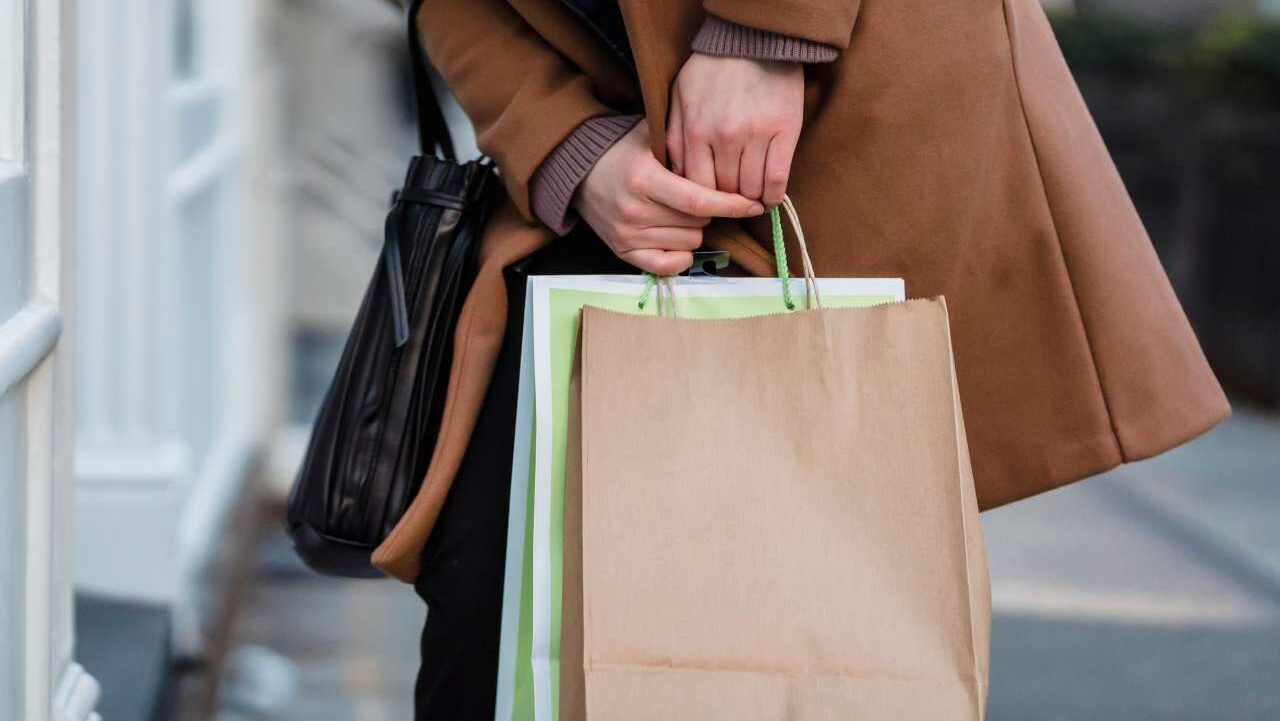
The purpose of visiting a commercial retail space has changed radically over the last generation. In the past, high streets and covered arcades existed to serve a purely transactional function, acting as places where consumers bought specific clothing, household goods or electronics before heading home. This straightforward commercial relationship no longer satisfies the requirements of modern urban citizens, who increasingly look for spaces that facilitate social connection, dining and leisure. As a consequence, physical retail environments have had to adapt to a shift in consumer habits, moving away from simple product displays toward the curation of entire afternoon itineraries.
Redesigning the retail footprint
This structural evolution is most apparent in the design and management of large-scale retail destinations across major urban areas. Instead of dedicating every square foot to clothing racks and storefronts, developers now allocate substantial portions of their floor plans to social infrastructure and community spaces. For people seeking a location where premium retail coexists with dining and entertainment options, Westfield shopping centres in the UK offer a clear demonstration of how these environments function today. These developments combine global flagship stores with complex lifestyle amenities, encouraging visitors to spend an entire afternoon or evening within a single space rather than completing a swift transaction and leaving immediately.
Upgrading hospitality and entertainment
The transformation of food and drink options represents the most visible element of this broader industry shift. The traditional concept of a retail food offering was once limited to a basic fast-food court, hidden away on an upper floor and treated as a temporary refuelling station for tired shoppers. Today, hospitality options act as a major primary draw for visitors. Modern retail hubs feature dedicated restaurant quarters containing independent eateries, regional street-food vendors and sophisticated cocktail lounges. People regularly book tables at these venues weeks in advance, using a dinner reservation as the central anchor for their weekend plans and treating the surrounding retail options as an additional benefit rather than the primary reason for their journey.
Leisure activities have expanded with similar momentum, providing interactive experiences that digital platforms cannot replicate. Standard multi-screen cinemas remain popular, but they are now accompanied by boutique bowling alleys, indoor mini-golf courses and high-tech simulation gaming lounges. These installations are designed to attract groups of friends, families and colleagues who want to combine a social activity with dinner or drinks. By integrating these interactive entertainment venues directly into the retail grid, physical destinations provide a reason to travel into a physical space that online e-commerce websites simply cannot match, supporting the human desire for shared real-world experiences.
Integrating wellness and seasonal events
The inclusion of wellness and personal grooming services has further expanded the utility of the modern retail environment. Visitors to these destinations can now access high-end hair salons, specialist skincare clinics, nail bars and boutique fitness studios under the same roof as major fashion brands. This close proximity allows people to integrate routine self-care appointments and fitness classes into their broader social calendar. Instead of making multiple trips to different parts of a town or city throughout the week, consumers can manage their personal care routines, meet friends for lunch and browse new seasonal collections in one structured visit.
Brand activations and temporary physical installations further distinguish these environments from traditional retail spaces. Rather than relying solely on permanent store fixtures, modern retail locations frequently host short-term pop-up shops, interactive art exhibitions and exclusive product launches. These temporary events create a continuous sense of change, giving returning visitors a different experience each time they walk through the doors. A space that functions as an ice rink in December might transition into an outdoor cinema space by July, ensuring the physical environment remains relevant to the current season. This adaptability prevents the location from feeling static, rewarding frequent visits with new cultural or brand-led experiences that extend the physical utility of the building.
The architectural design of these spaces has adjusted to mirror these lifestyle adjustments, focusing heavily on light, natural elements and open public seating. High glass ceilings, indoor tree installations and expansive open-air terraces create an environment that feels more like a public square than a traditional covered market. These design choices are intentional, aimed at reducing the frantic pace often associated with weekend shopping and replacing it with a relaxed, hospitality-led atmosphere. Physical retail locations now operate as central points of modern urban infrastructure, providing spaces where people can sit, talk and observe without an obligation to buy goods.