Grand Hotel Central review: Barcelona’s historic property has been refurbed to great effect
"When our hotel, the Grand Hotel Central, was constructed in the 1920s, not only was it the city’s tallest building, but it was the first on this street," writes Attitude's travel editor
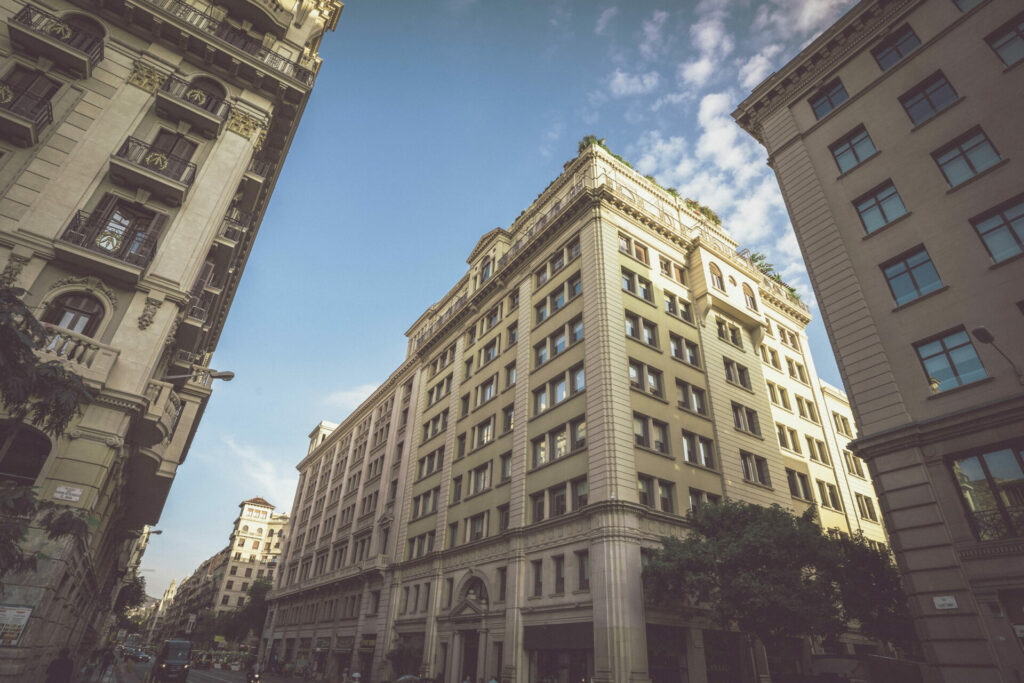
In the taxi from Barcelona’s train station, we are driven down the bustling boulevard of Vía Layetana, which connects the city’s Eixample district with its port. When our hotel, the Grand Hotel Central, was constructed in the 1920s, not only was it the city’s tallest building, but it was the first on this street.
The eight-storey building was built for politician and patron of culture and the arts Francesc Cambó, a visionary who foresaw the expansion of Barcelona. His former home and offices were converted into the Grand Hotel Central in 2005 and then completely renovated by London-based design studio Sagrada before reopening in 2024. The term “Salvaged Stays” — for transforming a building from its original purpose into accommodation — was coined by Hotels.com as a travel trend for 2026, and this building’s lavish transformation certainly lives up to its new name.
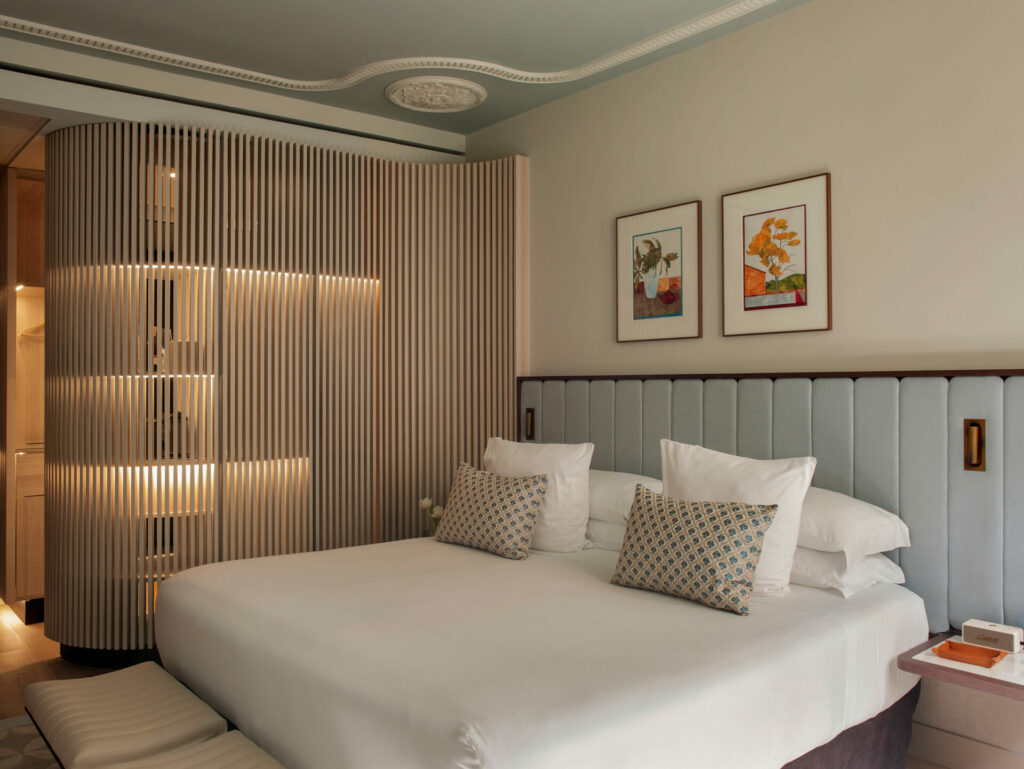
Each of its 147 rooms and suites features bespoke furniture inspired by the simple lines of the building’s design, which was informed by the Catalan Noucentisme movement. Neutral colourways, recessed lighting and a muted pink chaise longue creates a peaceful atmosphere as soon as we enter our standard classic room. A curving timber-slatted wall separates the bedroom from the bathroom and houses a narrow wardrobe, which does not offer much space for hangers, but we manage for the two-night stay.
On the top floor is a small gym, a dry sauna, and a Hamman, as well as Francesc Cambó’s wood-panelled library
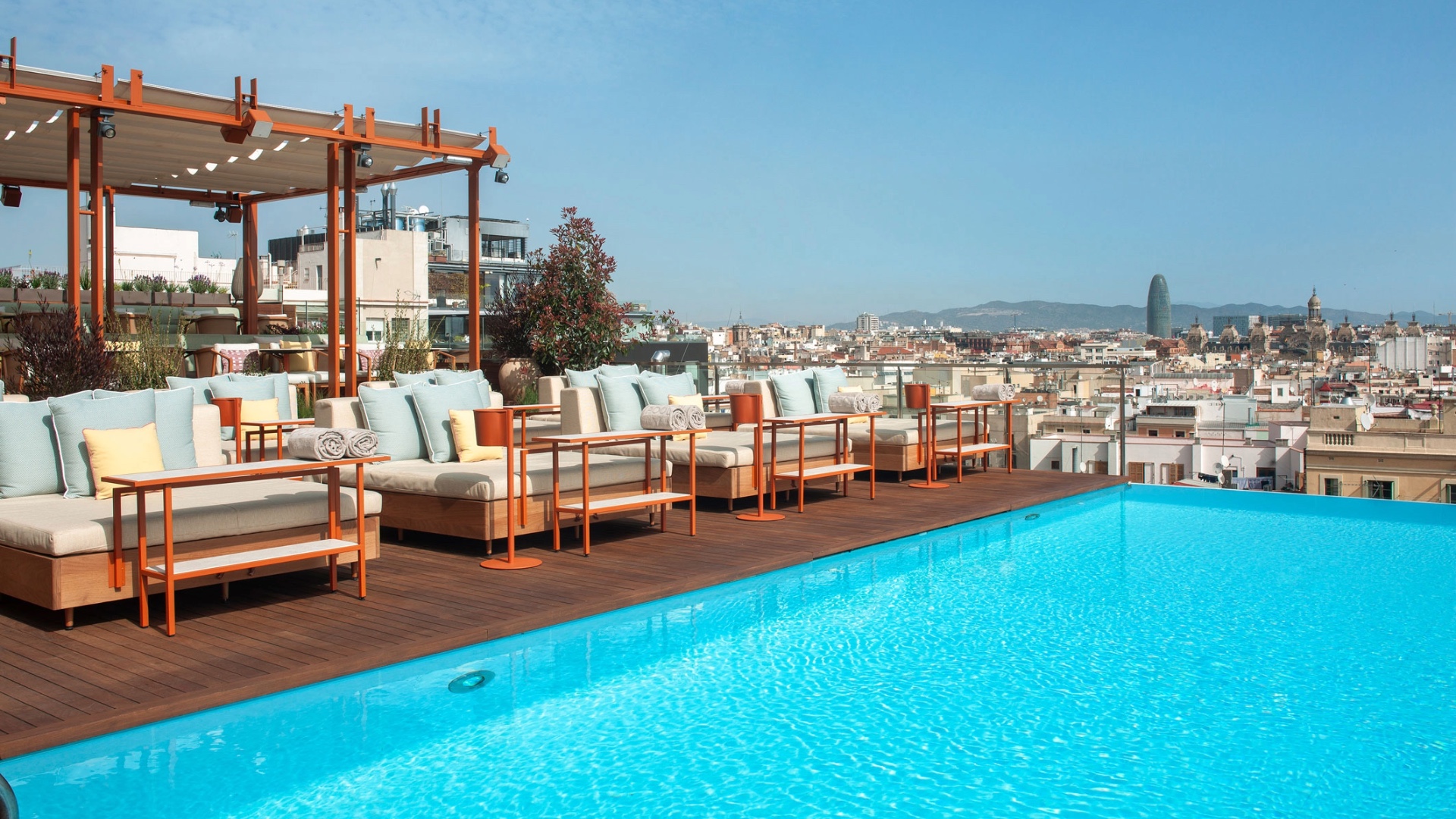
A hotel highlight is the rooftop infinity pool, which overlooks the old town. The deck is tiered with Balinese beds and seating for the La Terraza de Central restaurant which offers Mediterranean cuisine. We sip cocktails and enjoy the sgraffito mural of sailing ships on the building opposite. Commissioned by Cambó when new buildings partially blocked his sea view, it is only visible from this rooftop.
Also on the top floor is a small gym, a dry sauna, and a Hamman, as well as Cambó’s wood-panelled library, which still houses his personal collection of books.
The hotel has another treasure of Cambó’s: his former home and roof garden. As these are listed as a cultural asset of local interest, the hotel may be able to provide a private tour if you request it before your stay. One of the highlights for architecture aficionados is the curved staircase that leads to a reception room with a tricolour geographic floor mosaic. But the real gem is outside: the magnificent rooftop gardens feature a shallow pond and a rotunda-style gazebo made of stone.
Chef Oliver Peña’s experience from Michelin-starred kitchens is on show
Although Spain is famous for tapas, I must confess that I’m not usually a fan — they’re often too greasy for my palate. But the hotel’s street-level tapas restaurant Can Bo — another homage to the building’s former owner — entices us in, its elegant terrazzo flooring, marble-topped bar and booth seating lending it mid-century charm. Chef Oliver Peña’s experience from Michelin-starred kitchens is on show and the dishes’ delicious flavours definitely put tapas back on the menu for me.
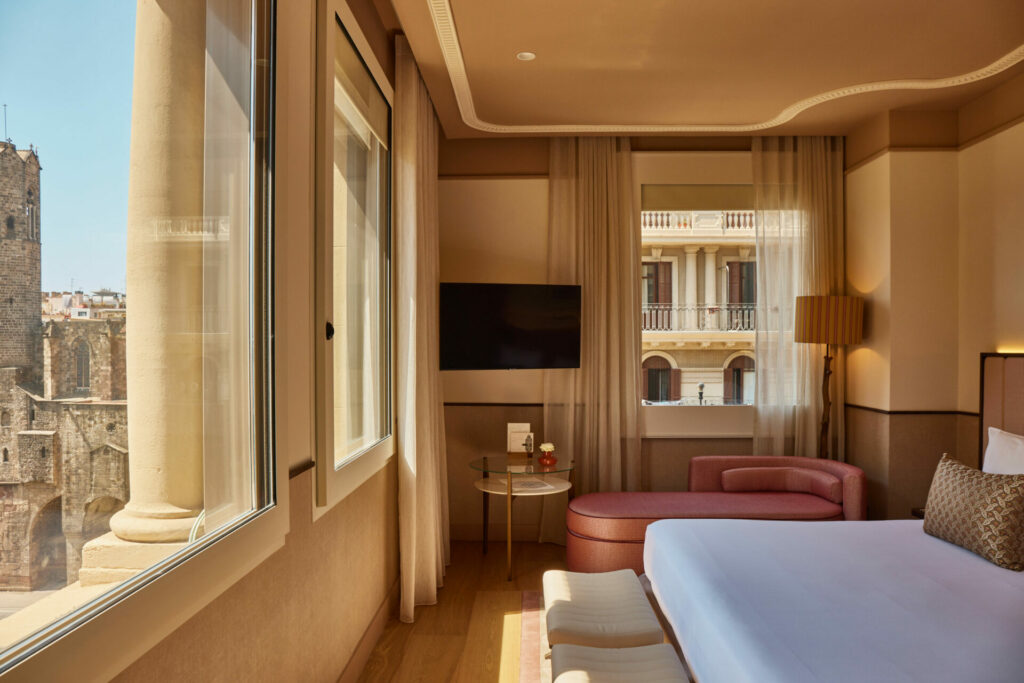
Directly opposite the hotel are the remains of the ancient Roman city walls, but what we love are the winding streets full of independent shops nearby. Only a 30-minute walk away is Gaixample, the gay neighbourhood in the Eixample district. After some purchases in the area’s queer-coded fashion stores and some cocktails, we are happy to return to the serene surroundings of Grand Hotel Central.
Subscribe to Attitude magazine in print, download the Attitude app, and follow Attitude on Apple News+. Plus, find Attitude on Instagram, Facebook, TikTok, X and YouTube.