
Why Gothenburg might be Scandinavia’s most underrated LGBTQ+ city break
For LGBTQ+ travellers looking beyond the obvious European city-break destinations, Gothenburg offers something refreshingly different
By Callum Wells
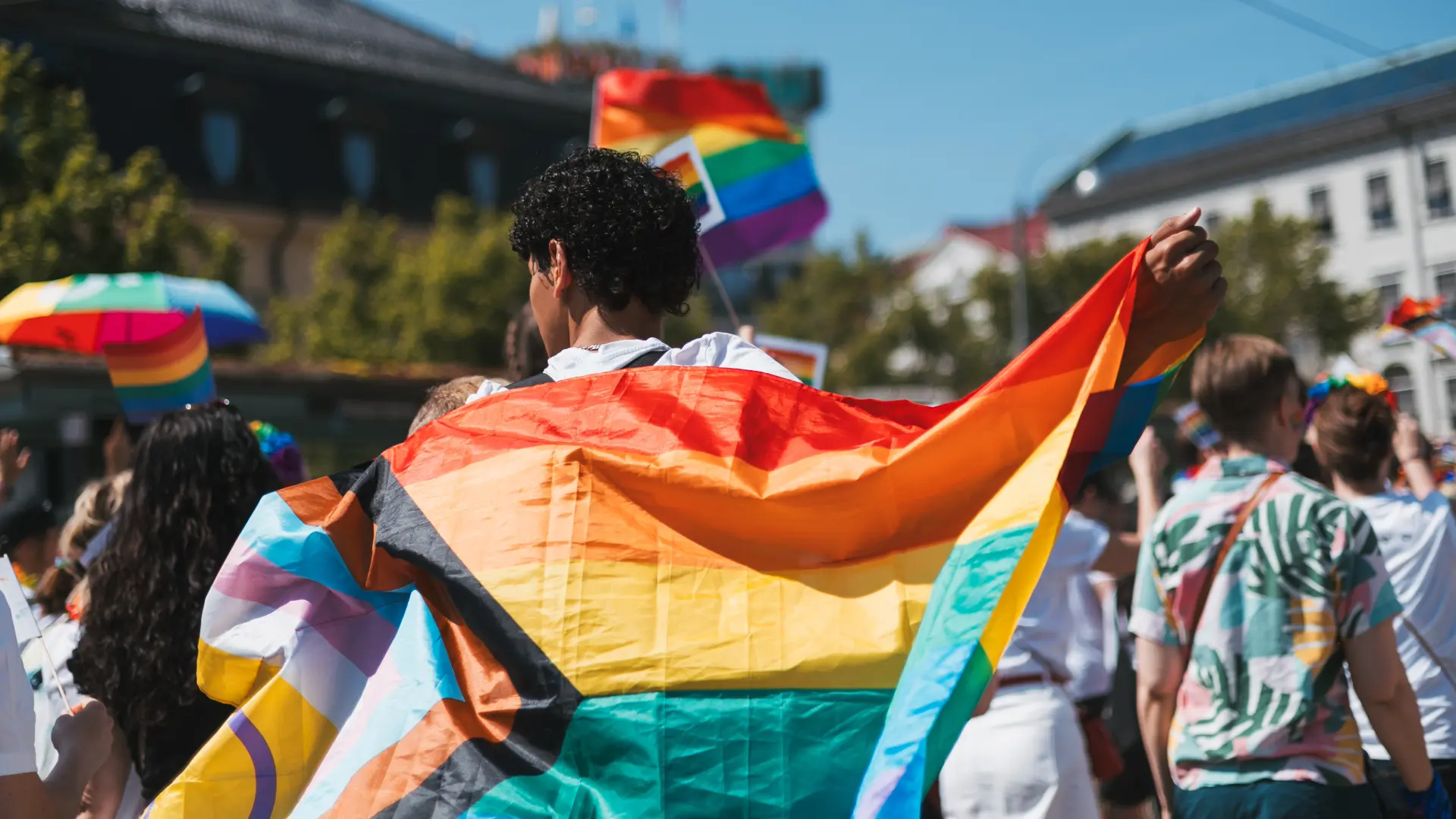
When people think of LGBTQ+ travel in Scandinavia, Stockholm and Copenhagen tend to dominate the conversation. But after spending a long weekend at West Pride in Gothenburg, Sweden‘s second-largest city has made a compelling case for itself as one of Europe’s most underrated queer destinations.
Every June, rainbow flags appear across Gothenburg‘s streets, squares and even its trams as West Pride takes over the city. Founded in 2007, the festival combines a traditional Pride programme with art exhibitions, talks, performances and community events spread throughout the city.
A short public ferry journey carried me from the city centre to the southern archipelago
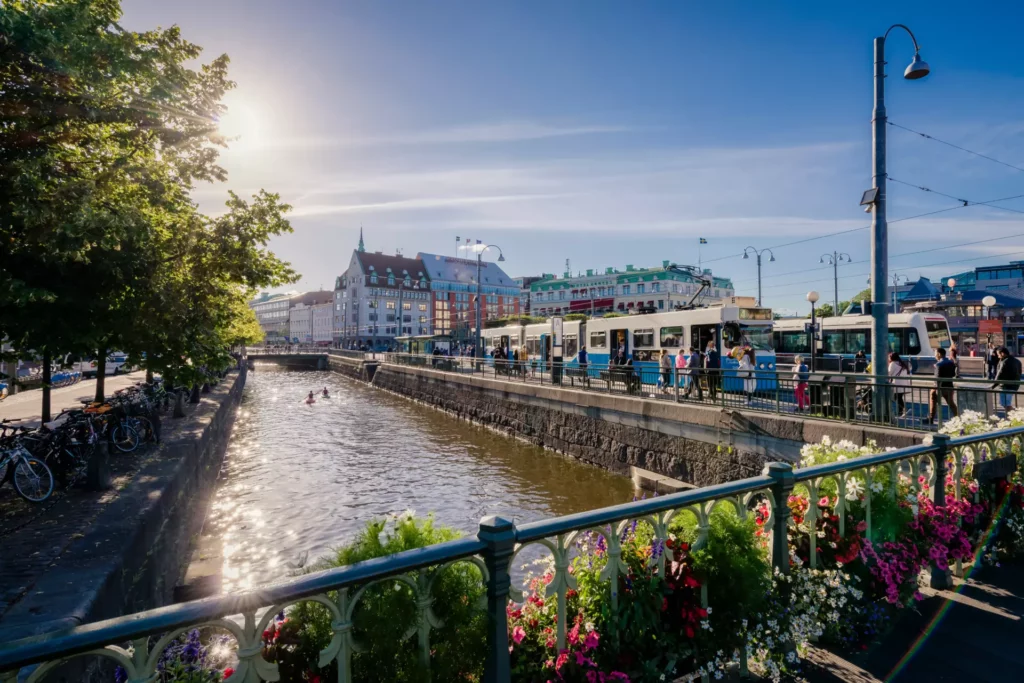
My first introduction to Gothenburg came on foot. After checking into Clarion Hotel Post – a striking former post office turned hotel opposite Central Station – I was taken on a stunning walking tour through the city’s historic neighbourhoods. Within minutes, it became clear why Gothenburg consistently ranks among the world’s most sustainable destinations. The city feels remarkably walkable, with leafy boulevards, extensive tram networks and an easygoing atmosphere that encourages visitors to slow down and explore.
One stop felt particularly fitting ahead of West Pride. At Esperantoplatsen sits Gläntan (‘The Glade’), Sweden’s first LGBTQ+ monument. Created by artist Conny Karlsson Lundgren, the memorial traces key moments in Gothenburg’s queer history through a series of pink stone platforms modelled on real LGBTQ+ gathering places from the city’s past. Designed as somewhere to meet, reflect and remember, it serves as a visible reminder that the fight for LGBTQ+ equality is woven into Gothenburg’s story – not just during Pride, but throughout the year.
Lunch at Bar Bulot inside the city’s market hall offered a taste of Gothenburg’s thriving food scene, where local ingredients and sustainability go hand in hand. Later, over coffee and a cinnamon bun at local favourite Da Matteo, I was introduced to one of Sweden’s most cherished traditions: fika. Part coffee break, part social ritual, fika feels woven into daily life here.
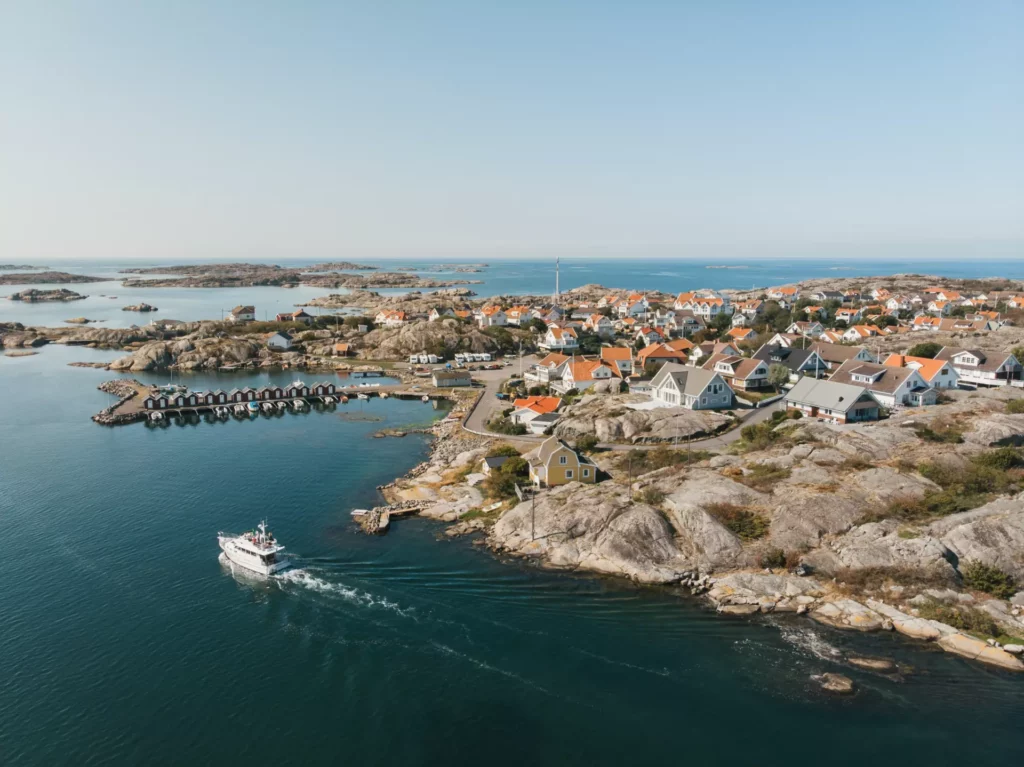
The following day demonstrated one of Gothenburg’s greatest strengths – nature is never far away. A short public ferry journey carried me from the city centre to the southern archipelago, a collection of islands where cars are largely absent and life moves at a gentler pace. On Donsö, fishing boats bobbed in the harbour while locals gathered outside cafés overlooking the water. It felt a world away from the Pride celebrations taking place back in the city.
West Pride showcased a programme that felt both international and deeply rooted in local community
Yet that contrast is precisely what makes Gothenburg special. Few European Pride destinations offer the chance to spend the morning swimming from smooth granite rocks in the archipelago before returning to watch drag performers and live music at a waterfront Pride festival.
Back at Pride Park on Bananpiren, West Pride showcased a programme that felt both international and deeply rooted in local community. Drag artist Vanity Vain, familiar to many from Drag Race Sverige and RuPaul’s Drag Race Global All Stars, headlined Queermania, while exhibitions explored themes of migration, identity and trans experiences. The atmosphere felt welcoming and accessible, with families, activists, artists and visitors all sharing the same space.
One particularly moving exhibition came from Syrian-born Palestinian trans artist Ward Zaraa, whose work explored identity, displacement and belonging. It was a reminder that Pride here is not simply a party but also a platform for storytelling and visibility.
Gothenburg offers something refreshingly different
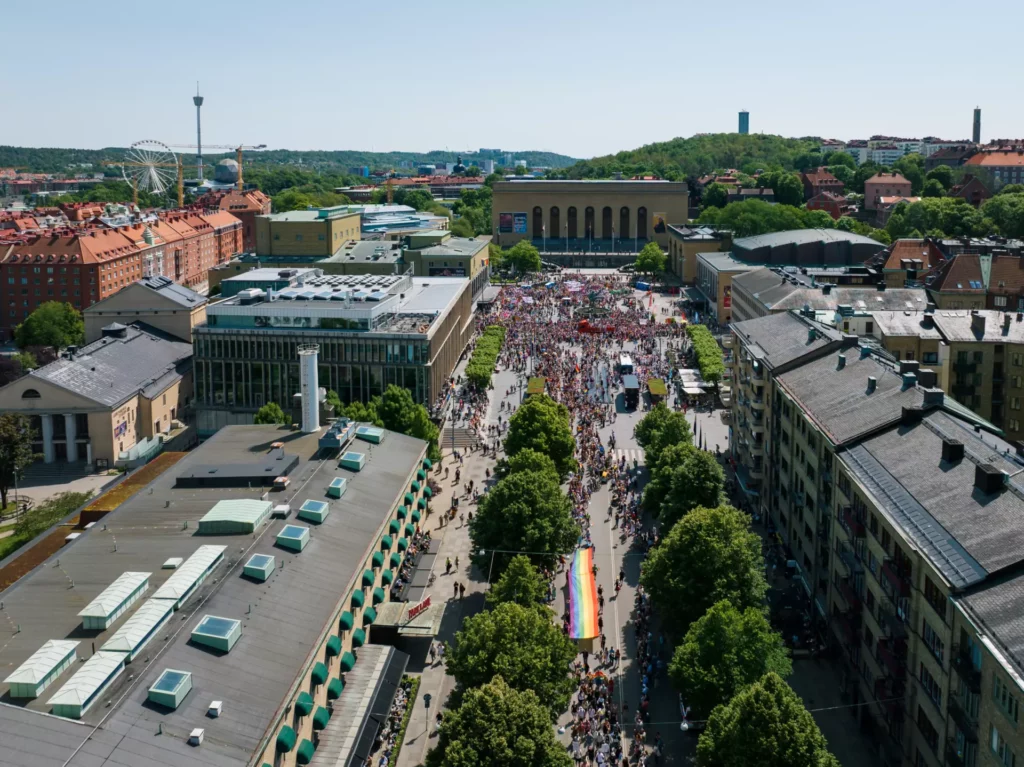
The weekend culminated in West Pride’s parade, which wound through the city centre accompanied by thousands of participants and spectators. Unlike some of Europe’s larger Pride events, Gothenburg’s parade feels intimate enough to foster genuine connection while still delivering all the colour, energy and celebration visitors expect.
Away from the festival, Gothenburg’s LGBTQ+ community remains highly visible year-round. Bee Kök & Bar, which proudly describes itself as “straight friendly”, has become one of the city’s best-known queer meeting places, offering a welcoming atmosphere in the heart of the city.
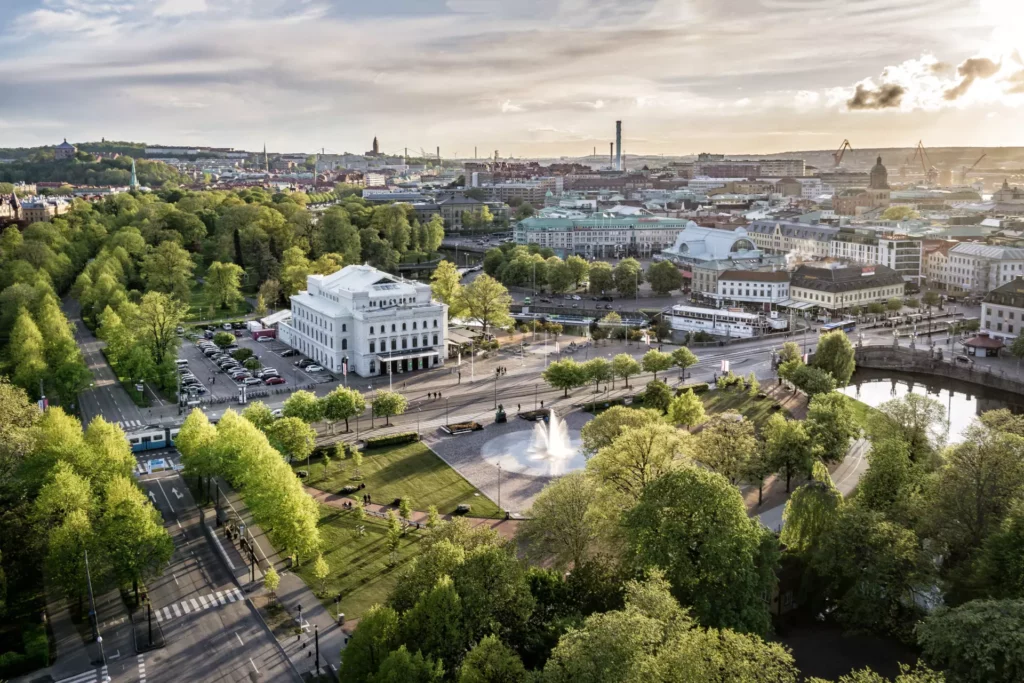
Perhaps what impressed me most, however, was the way sustainability runs through almost every aspect of a visit. From airport coaches and public ferries to renewable-energy-powered hotels and locally sourced food, Gothenburg demonstrates that tourism can be both enjoyable and environmentally conscious. The city has repeatedly ranked among the world’s most sustainable destinations, and it shows.
For LGBTQ+ travellers looking beyond the obvious European city-break destinations, Gothenburg offers something refreshingly different: a Pride festival that feels genuinely embedded within its community, easy access to spectacular coastal scenery and a city that manages to be both progressive and relaxed.
Not bad for a long weekend on Sweden’s west coast.