
First publicly gay Qatari says America’s LGBTQ+ rollback reminds him of home ahead of World Cup (EXCLUSIVE)
As debate builds ahead of the World Cup's opening ceremony on Thursday (11 June), Mohamed reflects on the realities behind the headlines - from surveillance and detention in Qatar to what he sees as troubling parallels emerging in the West
By Callum Wells
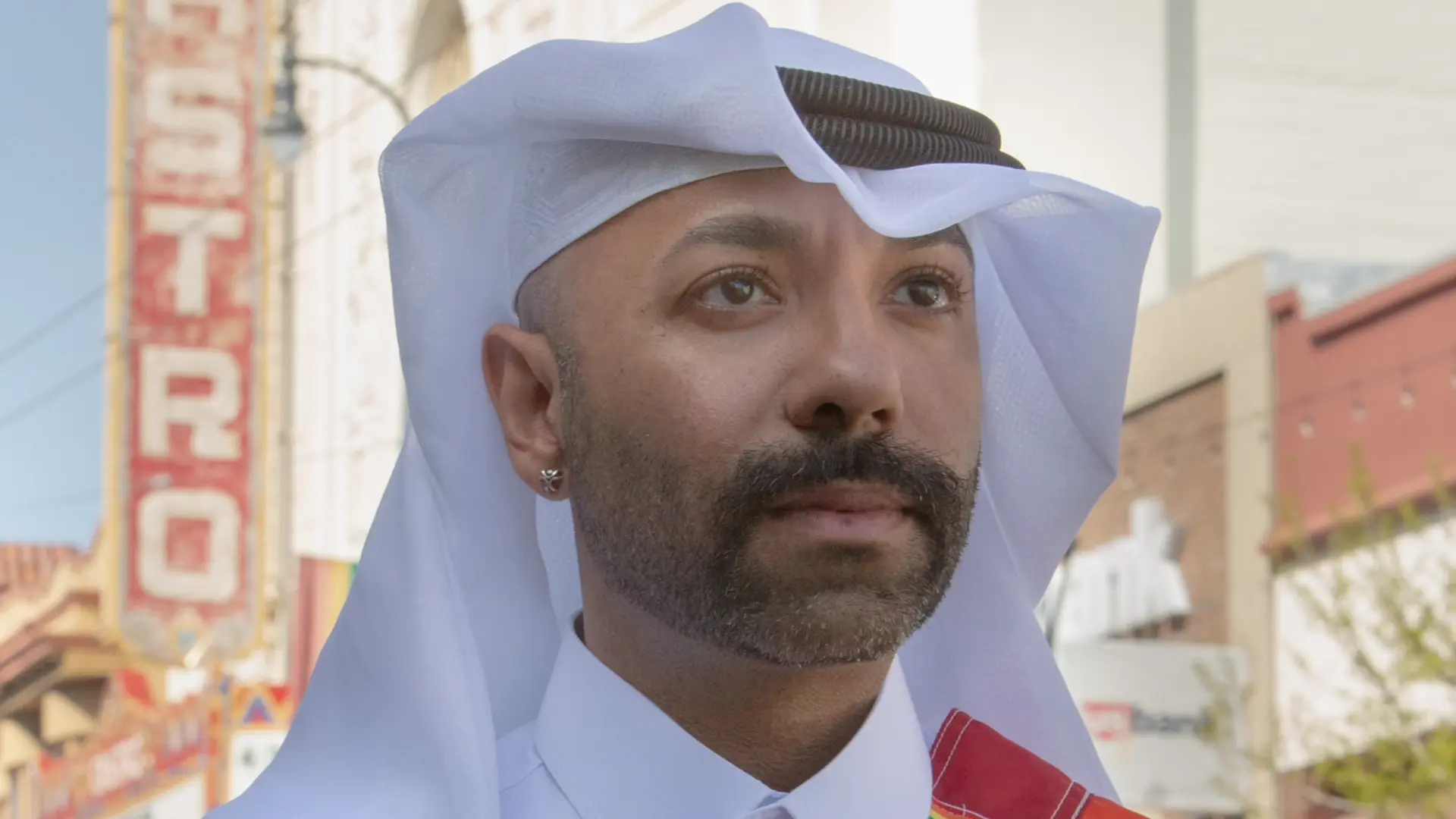
Dr. Nasser Mohamed made global headlines in 2022 when he became the first Qatari to come out publicly as gay, as the world’s attention turned to the country for the FIFA World Cup.
Raised in rural Qatar without access to the internet or any visible queer community, Mohammed grew up in a society governed by strict social codes where even heterosexual dating was taboo, and arranged marriage was the norm. Today, living in the US and working with LGBTQ+ communities across the Gulf, he speaks candidly about identity, belonging, and what he describes as worsening conditions for queer people in the region.
As debate builds ahead of the World Cup’s opening ceremony on Thursday (11 June), Mohamed reflects on the realities behind the headlines – from surveillance and detention in Qatar to what he sees as troubling parallels emerging in the West.
Attitude: You grew up in Qatar and became the first Qatari to come out publicly as gay in 2022. What was life like growing up there?
Dr. Nas: I grew up in rural Qatar, in Al Wakra, before the country was built up. I didn’t have access to the internet, I only spoke Arabic, and everything was very traditional.
There was a very controlled narrative about how life should look. Nobody dated – gay or straight. People entered arranged marriages, and there was a strict code for how to exist.
I didn’t have any queer role models. I didn’t even know the word for being gay. By high school, conversations about arranging my marriage had already started.
But somewhere deep in my body and soul, I knew something wasn’t right. I couldn’t explain it – I just knew I couldn’t do it.
Later, after I left and came out, I learned more about what others were experiencing – secret police, arrests, detention, abuse, and state-sponsored conversion practices. And when you don’t have rights, you don’t have protections.
That must have been so confusing – not having the language to describe yourself…
It was. I also identify as non-binary, and I didn’t have a word for that either.
I go by Nas, which comes from Arabic and is gender-neutral. It reflects my spirit more than my birth name.
Gender expression is very culturally specific. In Qatar, wearing eyeliner and a white thobe can be seen as masculine. These ideas are socially constructed, and I grew up navigating expectations about how to dress, speak, and behave without really having language for who I was.
What drove you to come out during the World Cup?
I think about my coming out by going back to being a child playing in the garden. In that moment, I never questioned that I belonged.
As I grew up, I saw more and more reasons in society telling me I didn’t belong – because of my background, my identity, everything.
By the time I left Qatar, I felt like there was no place for me. I moved to the US and went through another difficult journey, including a five-year relationship that ended in a way that left me feeling completely broken.
At the same time, I saw Qatar inviting the world in for the World Cup, including people like me, while people like me weren’t allowed to exist there.
My coming out wasn’t about fighting the government. It was about going back to my garden – to a place where I knew I belonged before anyone told me otherwise.
What did the World Cup change – or fail to change – for LGBTQ+ people in Qatar?
It brought visibility, which matters, and helped people connect. But in terms of accountability, it failed.
If anything, patterns of abuse have worsened. There are now more organised efforts targeting LGBTQ+ people.
The World Cup is supposed to represent belonging, but what it showed is that many of us are still excluded from that.
What kinds of abuses are being reported?
There are reports, including from Human Rights Watch, about authorities targeting LGBTQ+ people through apps, raids, and surveillance.
They’re also targeting gender expression. Officers will stop people in public, wipe their faces with makeup remover, and detain them if they find foundation or concealer.
Trans people are especially targeted, including detention and abuse. There are also reports of military-style programmes being used, which bypass standard protections.
The stories are very difficult to hear.
You moved to the US for a more accepting life. How does it feel watching current rollbacks there?
It’s been really hard. I live in San Francisco, so I’m in a bubble, but when you step outside that, you see how difficult things are becoming.
I’ve lived under extreme authoritarian control, so I recognise the patterns. Seeing similar shifts is very triggering.
More broadly, people still don’t see LGBTQ+ identities as part of human diversity. They see it as a choice or lifestyle, and that affects whether they protect us.
This is about safety, belonging, and being able to exist in society.
What parallels between Qatar and the US concern you most?
Dehumanisation. It starts with identifying something different about a person and using it to treat them as less human. From there, everything follows – loss of rights, persecution, exclusion.
The language being used now is what concerns me most.
What would you say to LGBTQ+ fans considering travelling to the US for the 2026 World Cup?
People should think about their personal safety first. Those who are visibly queer or trans are more likely to be targeted.
At the same time, change happens when we show up, when we take space and refuse to disappear.
So, it’s a balance between safety and visibility.
What should FIFA and organisers be doing differently?
They need to stop performative allyship. During the last World Cup, Gianni Infantino said, “Today I am gay, today I am Qatari.” That ignored the reality of what that actually means.
These gestures don’t address real harm. They just cover it.
Finally, what gives you hope?
People. I see people choosing to show up for each other and choosing to belong.
I think we all have our own “gardens”, and even when people are told they don’t belong, they keep finding their way back.
That gives me hope.