
Digital leisure habits evolve as community prioritises accessible home entertainment
In partnership with Kaboozt
By Nathan Coles
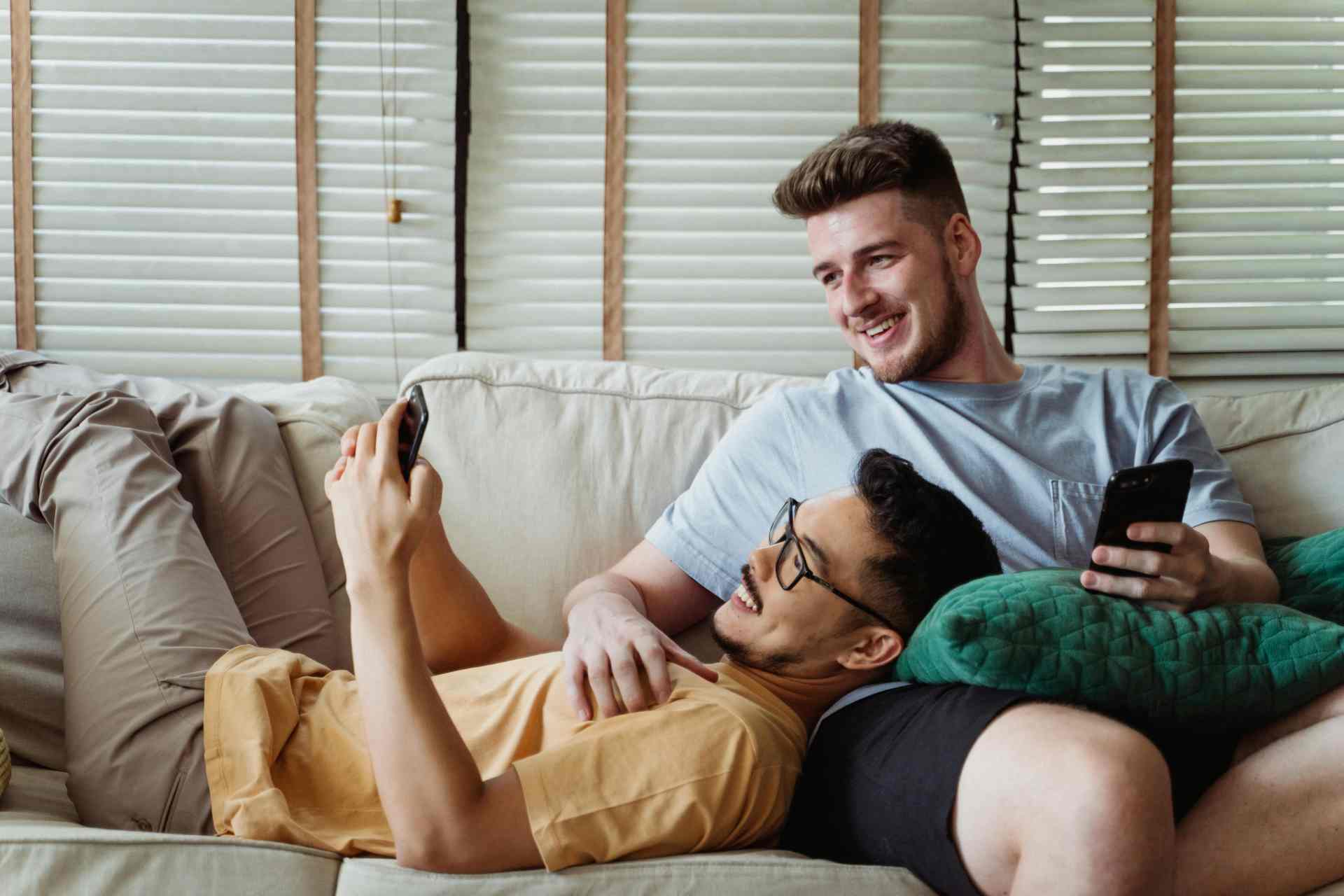
For decades, the beating heart of LGBTQ+ culture was undeniably found on the dancefloor. From the neon-soaked streets of Soho to the gritty basements of Manchester’s Gay Village, nightlife provided a sanctuary, a political stage, and a romantic playground all rolled into one. It was where we went to be seen, to be heard, and to find our chosen family. However, a quiet revolution has been taking place across the UK, moving the centre of gravity from the nightclub to the living room.
This shift isn’t merely a consequence of getting older or the lingering effects of past lockdowns; it represents a fundamental change in how the community seeks connection and entertainment. The “Big Night Out” is increasingly competing with the “Big Night In,” driven by a desire for comfort, safety, and a more curated leisure experience. As the cost of living continues to pinch and the desire for accessible, low-pressure socialising grows, many are finding that their digital devices offer a sanctuary that rivals the physical spaces we fought so hard to establish.
Shifting focus from nightlife to domestic relaxation
The allure of the domestic sphere has grown significantly, transforming from a place of isolation into a hub of high-quality entertainment. There is a growing appreciation for the control one has over a home environment. In a club, you are at the mercy of the DJ, the bar prices, and the crowd; at home, the playlist is yours, the drinks are affordable, and the guest list is strictly vetted. This prioritisation of comfort doesn’t mean the community is becoming anti-social, but rather that the definition of socialising is expanding to include more intimate, controlled settings.
For many, particularly those who may feel alienated by the high-energy, alcohol-fuelled nature of traditional scenes, digital leisure offers an inclusive alternative. It allows for relaxation without the pressure to perform or conform to a specific scene aesthetic. The rise of sophisticated home entertainment systems and high-speed internet has made the transition seamless, turning the sofa into a front-row seat for culture. We are seeing a move towards “parallel play,” where friends might gather physically or virtually to engage in separate digital activities while sharing the same space, valuing presence over performance.
Mobile gaming offers diverse interactive experiences
Interactive entertainment has surged in popularity, with mobile gaming becoming a staple of modern downtime. The smartphone has evolved into a powerful pocket console, offering experiences that range from meditative puzzles to high-stakes strategy games. This accessibility means that gaming is no longer the preserve of those with expensive hardware; it is available to anyone with a phone, fitting perfectly into the fragmented free time of modern life.
The variety of available content ensures that every taste is catered for, allowing users to curate their own digital playground. Users are exploring everything from strategy apps to online slots real money platforms for casual thrills. This diversity in gaming genres mirrors the diversity of the community itself, offering different ways to unwind, whether that means engaging in a complex narrative RPG or spending a few minutes on a casual game during a commute.
This engagement with digital platforms is statistically significant within our community. It is interesting to note that bisexual and gay/lesbian adults are significantly more likely to engage digitally with arts and culture compared to their heterosexual counterparts, suggesting that the digital realm is a preferred avenue for cultural consumption. This higher engagement rate points to a tech-savvy demographic that is quick to adopt new forms of entertainment that fit their lifestyle needs.
Streaming services bringing queer culture home
Television and film have played a massive role in making the home a primary destination for queer culture. Gone are the days when we had to scour TV guides for a fleeting glimpse of representation or settle for subtextual hints in mainstream dramas. Today, streaming platforms are overflowing with content that centres our stories, making a night in front of the television a genuinely culturally enriching experience.
The sheer volume of content available is staggering and validates the choice to stay in. Recent analysis highlights that 327 LGBTQ characters appeared across scripted streaming series during the 2023-24 season alone, providing a depth of storytelling that was unimaginable a decade ago. This visibility does more than just entertain; it fosters a sense of belonging. When you can access a library of global queer cinema and series at the touch of a button, the need to seek validation solely in physical venues diminishes. These shows often become the catalyst for digital discourse, creating a “watercooler moment” that spans social media platforms and connects viewers across the country.
Maintaining connection while enjoying digital solitude
A common criticism of this shift indoors is the potential for isolation, but the reality is often the opposite. Digital leisure habits are rarely solitary in the traditional sense; they are deeply connected. A gaming session is often accompanied by a voice chat on Discord; a streaming binge is synchronised with a WhatsApp group chat dissecting every plot twist. The solitude is physical, but the experience is communal.
We are witnessing the evolution of the “third place”—not quite work, not quite home, but a digital space where community thrives. These platforms allow for connections based on shared interests rather than just shared geography. A queer gamer in a rural village can feel just as connected to their community through a shared server as a Londoner does in a Soho bar.
Ultimately, this evolution doesn’t spell the end of nightlife, but rather a rebalancing of our social diet. The dancefloor will always have its magic, but the digital living room has established itself as a vital, vibrant counterpart. By embracing these accessible home entertainment options, the community is building a more diverse, inclusive, and comfortable way to exist and connect in 2026.