
Why Lady Gaga’s Born This Way feels more important than ever, 15 years on
Joseph Ryan-Hicks puts his paws up for the 15th anniversary of Lady Gaga’s seminal pop manifesto, 2011’s Born This Way
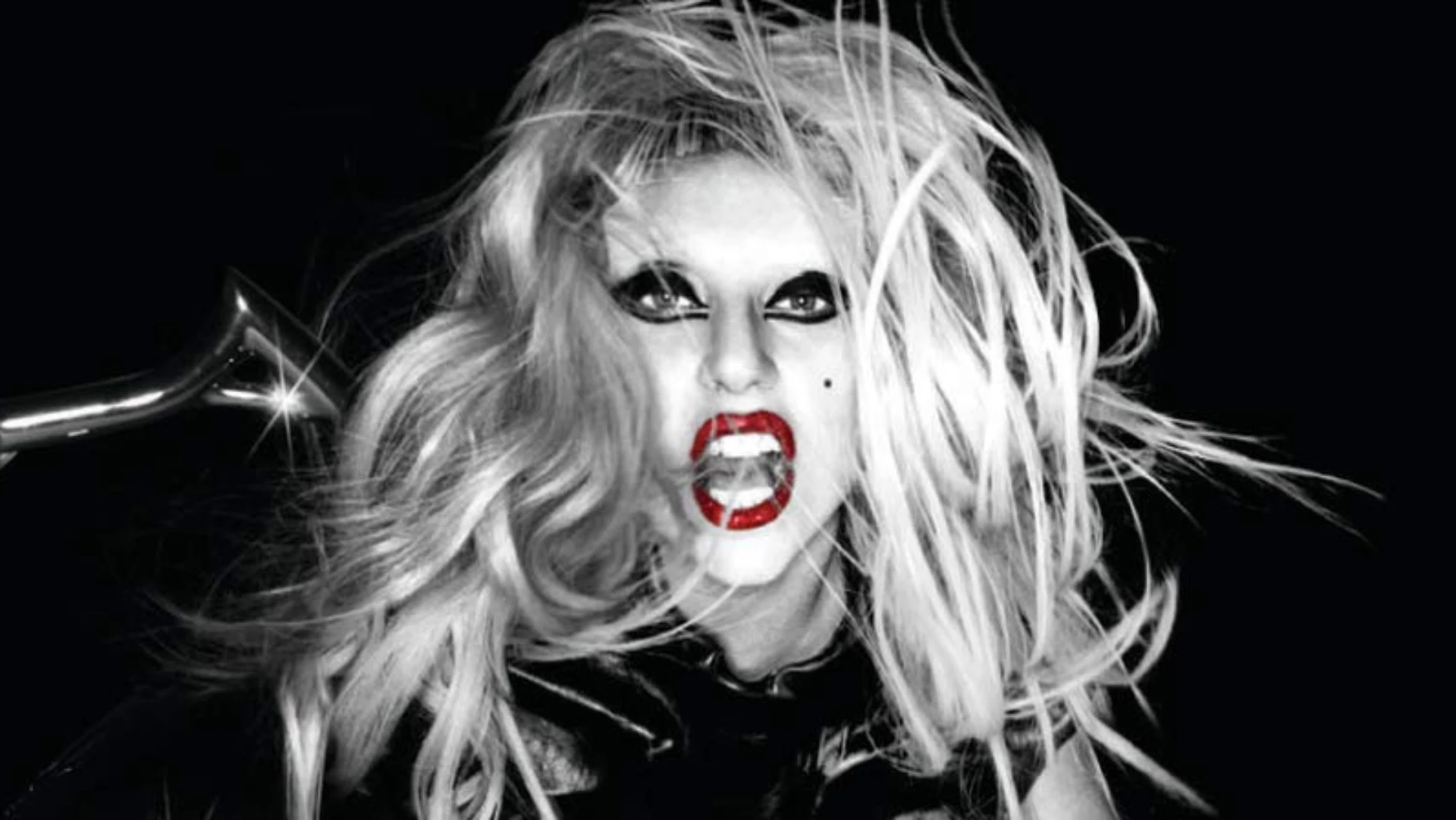
By early 2011, Lady Gaga was in the middle of an imperial phase. Aged just 24 at the time, the singer had the international charts in a chokehold. In three years, she had racked up several hit singles, four of which made the top spot in the UK, and two multi-platinum albums – debut record The Fame and its sequel, The Fame Monster. Gaga was on a high and what would come next would be era-defining.
Born This Way came at a pivotal point in the singer’s career. Gaga had already established herself as a new queer icon for the 21st century. Not since Madonna got into the groove in the 1980s had a new artist resonated so deeply with the LGBTQ+ community. For Gaga, it was instant with sexually fluid hits such as ‘Poker Face’ and ‘LoveGame’. She was camp, knew how to fill a dancefloor, and was fiercely outspoken against homophobia and transphobia. In 2009, just 18 months after her debut, Gaga publicly called on then-President Barack Obama to fulfil promises of LGBTQ+ equality in the States. It would take six more years for marriage equality to be rolled out across the US, but her unwavering allyship helped keep queer issues in the public consciousness. It was only a matter of time until Gaga’s politically outspokenness would bleed into the music.
Why ‘Born This Way’ changed pop music forever
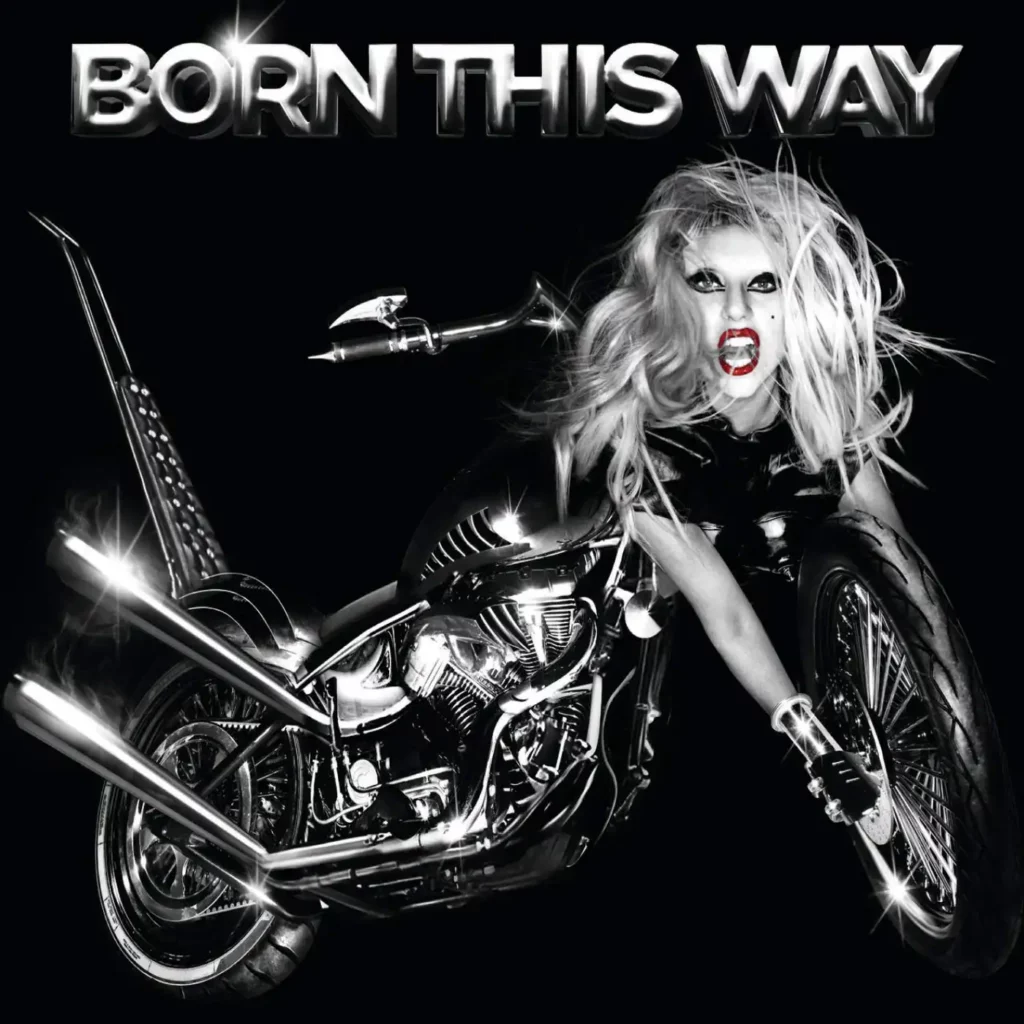
Lead single and album title track ‘Born This Way’ was a cultural detonator. Describing the writing process as like the Immaculate Conception, this empowered pop statement is an attack on prejudice and sees Gaga at her most unapologetic. “No matter gay, straight, or bi / Lesbian, transgendered life / I’m on the right track, baby / I was born to survive”, she declares over pulsating electronic beats. Like all classic pop songs, it’s hard to imagine a world without it. ‘Born This Way’ quickly became the queer community’s battle cry and its magic reigns to this day.
The biggest songs from Born This Way
In fact, the album is stacked with solid singles. ‘The Edge of Glory’, ‘You and I’ and ‘Marry the Night’ still sound massive, while the pop maximalism of ‘Judas’ resonates with just as much freshness and provocative edge as it did upon release. “In the most Biblical sense, I am beyond repentance… But in the cultural sense, I just speak in future tense”, sings Gaga on the track. It’s a lyric that perfectly summarises the overarching theme of the album: identity. The singer is caught in a conflict between wanting to liberate herself through expression while simultaneously battling repression from traditionalists.
On ‘Hair’, she begs for acceptance under no conditions, while on ‘Bad Kids’, she seeks to own her imperfections and embrace those in others. Despite the heavy subject matter, the album is overwhelmingly optimistic too. Origin story ‘Black Jesus + Amen Fashion’ demonstrates resilience and what can happen if you believe in yourself, as Gaga did. She doesn’t allow her Little Monsters to become victims of their problems, but to own them and find a way through in spite of them.
How Born This Way influenced the pop girlies
At the time of Born This Way’s release, political messaging in music had long been restricted to hip-hop and rock, with few out-and-out pop artists directly addressing social issues in their work (let alone at the top of their game). Born This Way set a new precedent for pop stars in the 2010s. It was no longer enough to simply sing a song and cash a cheque. Gaga pushed artists to speak out on the injustices faced by their fans. The likes of Katy Perry and Kesha followed in her footsteps. And for a brief period, mainstream pop had never felt gayer.
Why Gaga’s queer allyship feels more important in the music industry today than ever
Sadly, today it feels like we have lost this at times. We’ve seen once-gay icons like Nicki Minaj go MAGA, and new artists like Tate McRae collaborate with problematic figures with little to no consequence. Beacons of hope appear to have faded into the background, and the support for queer artists specifically feels to have dwindled in the mainstream.
But if there’s anything we can learn from Gaga’s third studio album, it’s that queer doesn’t equal niche. The record sold in its millions and was the singer’s first number one album in the States; her second in the UK. The lead single also became the first number one song in US history to feature the word “transgender”. But above all, a lesson we can take away from Born This Way is that there is always hope. Feeling “other” isn’t a weakness, and community will always be vital. Thank God for Gaga.
This is a feature appearing in Attitude’s May/June 2026 issue.