
The gay man who made The Beatles: Inside new play Please Please Me, about music manager Brian Epstein
Writer Tom Wright details this "electrifying" take on "the unsung gay 'Fifth Beatle'" in an interview alongside actor Calam Lynch; the new show plays London's Kiln Theatre until 23 May
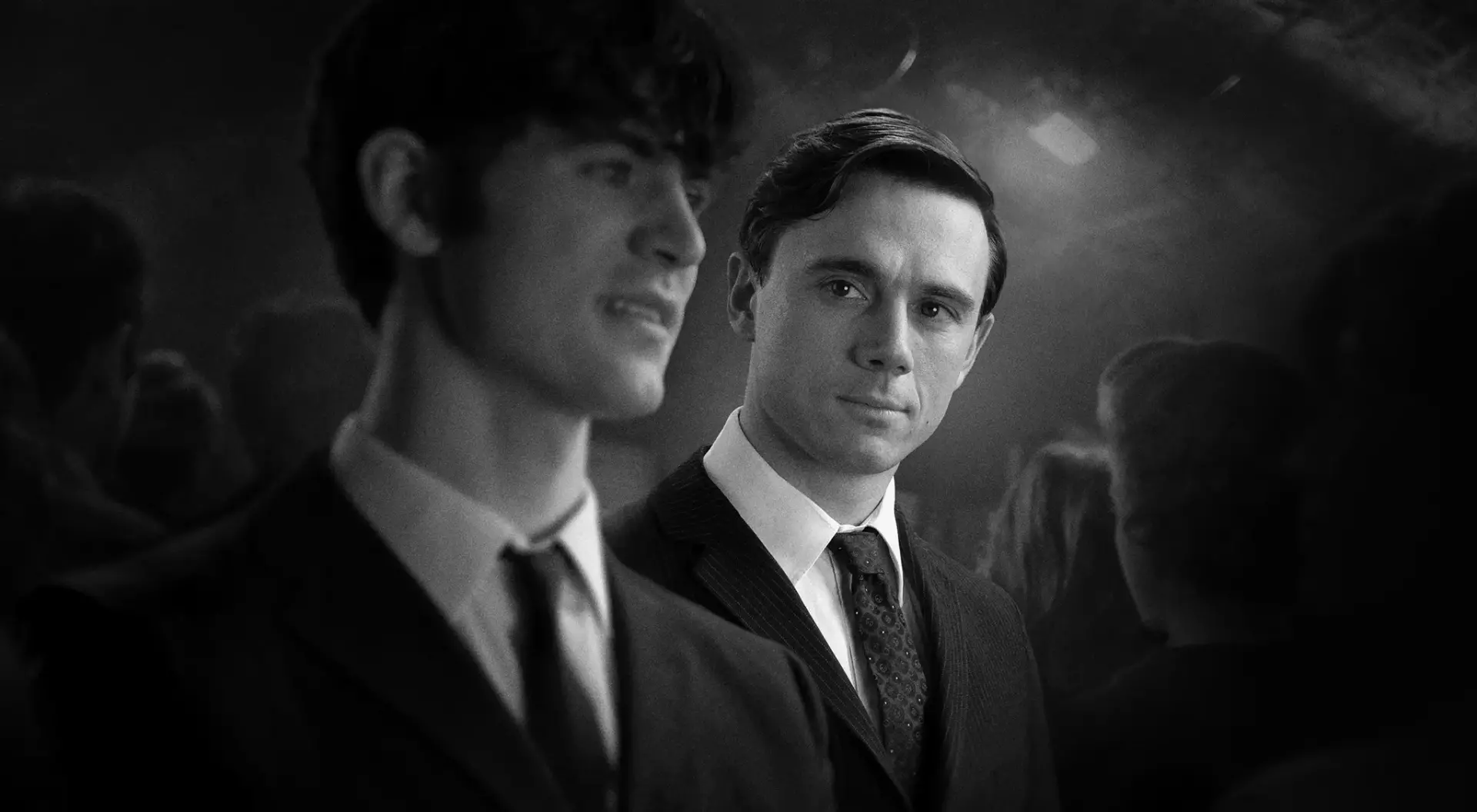
Tell us about the play – what is it about?
Tom: Please Please Me tells the electrifying story of Brian Epstein – the unsung, gay ‘Fifth Beatle’. A record shop owner with no experience managing a band, he stumbles into the Cavern Club [in Liverpool] and discovers his calling in John Lennon and the group that would become The Beatles. As their fame explodes, he navigates ambition, secrecy, and a deeply personal longing for love and freedom.
Tell us about your character – who do you play?
Calam: Hey! I play Brian Epstein – the Beatles’ first proper manager. Brian’s influence on the Beatles has been well documented… The boys’ themselves often referred to him as the ‘fifth Beatle’. Our play examines the wild Beatles years of his life, and John Lennon, with whom he had an especially intense relationship.
How does it feel to play real-life characters on stage?
Calam: It’s a lot of fun. It’s always nice to be able to watch actual footage when you’re preparing for a job, and there are loads of lovely clips of Brian. Interestingly, though, I think there’s actually only so far this can take you, especially with theatre work. All the video we see of Brian online is the public facing Brian – and in general the moments we see in the play are the more private, intimate ones. So those gaps you sort of have to fill in yourself…
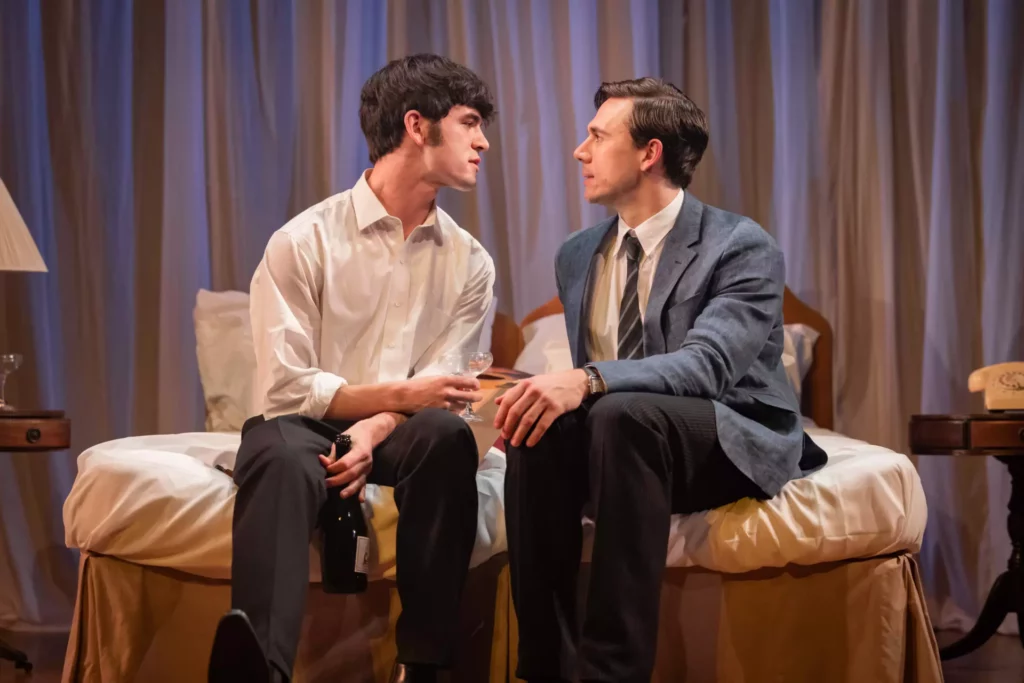
How are rehearsals going?
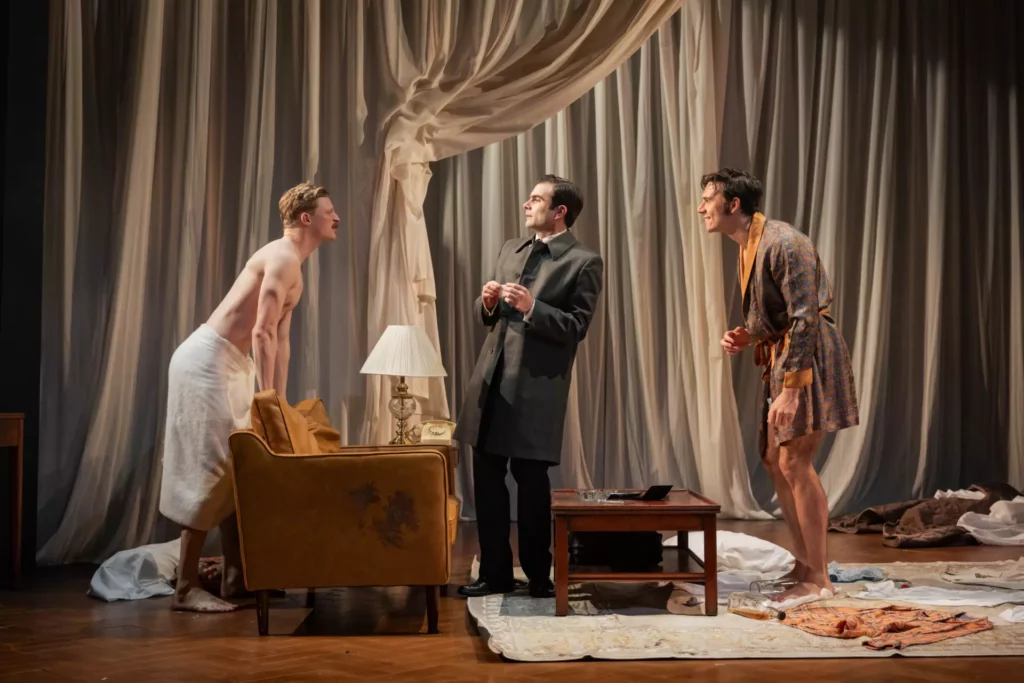
Calam: They’ve been great. We’ve got a really lovely company of actors who are all so talented. Noah Ritter and I only play one role, but Arthur, Will and Eleanor all play a couple of characters and I’ve loved watching them come up with these really distinct, truthful performances. Amit [Sharma] is a brilliant director, too – and we all really trust his judgement, which is so important when you’re directing the show.
Why did you want to take on this project? What was the appeal for you?
Calam: Well, as soon as I read Tom’s amazing script, I was pretty desperate to do it! Brian’s such a wonderful character. He occupied that really exciting space for me where I found a lot overlap between myself and him, but enough difference to feel challenged. There were definitely some nerves too… Playing a real person has an extra weight of responsibility, but I think a degree of nervousness can motivate you to do your best work.
Is it based on a true story?
Tom: Yes – it’s rooted in his life. But because homosexuality was criminalised, so much of his private world went undocumented. That absence is where the play lives – impressionistic, but emotionally true. As a gay, Jewish man navigating pressure and prejudice, it suggests his brilliance and vulnerability were inseparable – and that the forces shaping him also led to his undoing.
Did you know much about Brian Epstein before taking on this project?
Calam: Only a little – I’d watched Get Back [which Brian sadly doesn’t feature in given it’s post 1967], but that had me interested in The Beatles and led me down a fair few YouTube and Wikipedia rabbit holes. In a way I think it was the perfect amount of familiarity – enough to be aware of his huge legacy, but with room to dive deeper in preparation.
Why do you think Please Please Me will resonate with audiences today?
Tom: While his story belongs to the 1960s, it doesn’t feel distant. As a gay man today, I recognise that inner world – the drive for perfection, the need for validation, the quiet sense of not quite being enough. That unrest can tip into self-destructive patterns. It’s a thread across generations, from Oscar Wilde to Joe Orton, and into our own lives.
Why does Brian’s story still resonate so strongly today, nearly 60 years after his death and why is his legacy important?
Tom: At a moment when we’re re-examining who gets written into history, Please Please Me reclaims him as one of Britain’s great, often overlooked, gay figures – a visionary who helped shape modern culture while carrying a private weight. His legacy matters not just for what he achieved, but for what it reveals about what was hidden, and the lives shaped by that silence.
Can you tell us more about the LGTBQ+ themes within the play?
Tom: It centres on his experience as a gay man, and how that shaped the rise of The Beatles – uncovering a lesser-known queer history behind the world’s biggest band. It returns to themes I’m drawn to – sexuality, addiction, class, fatherhood – refracted through figures who loom large in our cultural imagination.
Why is it important to tell stories that highlight queer identity, visibility, and reclaiming overlooked histories?
Tom: Telling queer stories – and celebrating the richness of LGBTQIA+ lives – feels like both a responsibility and a privilege. These stories don’t just reflect experience, they expand it, giving all audiences permission to live more freely. Reclaiming overlooked histories also reminds us that we’ve always been here. At a time when the world feels uncertain, new perspectives aren’t just welcome – they’re essential.
Can you tell us more about the writing process?
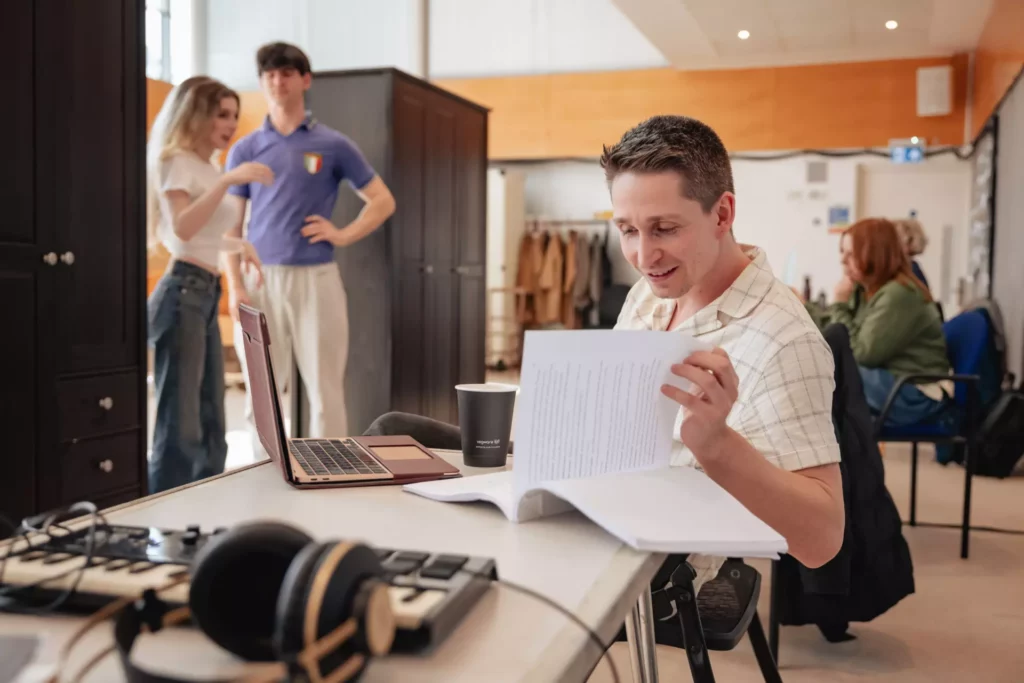
Tom: I’d never written directly about a real person before – I’m usually drawn to fiction for the freedom it offers. So this required deep research. But the more I read, and the more I spoke to academics, the more I realised history isn’t fixed. Facts may be objective, but meaning is shaped by perspective – and the play became about exploring the spaces in between.
Can you tell us more about Brian’s relationship with John Lennon?
Tom: I became fascinated by his relationship with John Lennon – a connection charged with admiration, need and tension. Lennon embodied a kind of masculinity he was drawn to, suggesting a complex interplay of power, desire and dependence. Their trip to Torremolinos, a known gay destination, remains the subject of speculation – and that ambiguity became a rich – and titillating – source of inspiration.
And what about Cilla Black?
Tom: Brian had a lifelong devotion to Cilla Black, the only female artist he managed. Theirs was a rich, enduring friendship that offers a different lens, while opening up the perspective of women in that era. With Cilla, there’s less projection or desire, and something steadier instead – loyalty, belief, and a rare sense of emotional safety.
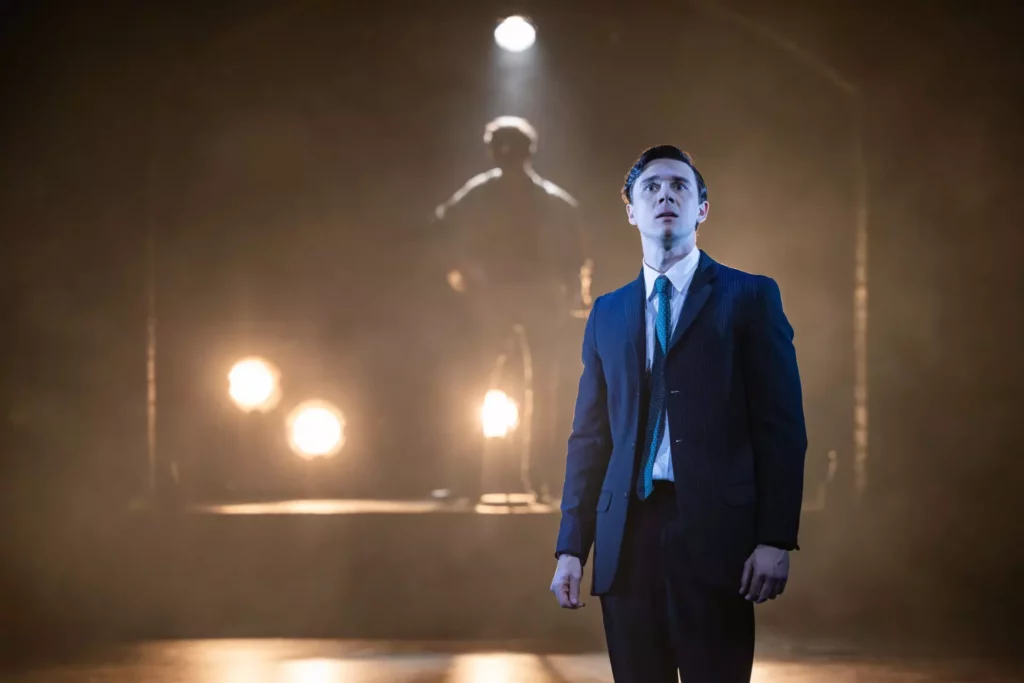
How does it feel to be staging a new play?
Calam: It’s really exciting! It’s an honour to get to bring a writer’s work to life for the first time. I think there’s an added responsibility – you want to make sure that you’re doing all their work justice. The feeling of doing your first preview of a new play is very special… For the audience too, I hope!
How does it feel to be back on stage?
Calam: I mean, I’ve loved being in the rehearsal room. Rehearsal is a luxury you rarely get in film and TV, so it’s nice to have five whole weeks of it! I’m really looking forward to the next phase, too, of being in front of an audience. That immediate feedback loop is something I do occasionally miss when I’m shooting – having an audience there, watching you in real time.
If Brian were alive today – what would you like to ask him?
Calam: Oh god, I don’t know! What really happened in Torremolinos with John?! I’d also love to hear from him what it was like in those first couple of years with the band. How it felt to see them in the Cavern, and what his individual dynamics with each of them were like. But I wouldn’t want the press-trained answers…I ’d need the truth…
Who should come see this play?
Tom: Anyone who loves a sexy, epic story about ambition, desire and the cost of success. If you’re a fan of The Beatles, there’s a fresh perspective on a world you think you know. But it’s also for queer audiences – a chance to more deeply explore our inner lives and culture, and to recognise something of ourselves in his story.
For more information, visit the Kiln Theatre website.