
Caribbean LGBTQ+ movements are fighting back – but funding is disappearing
As global LGBTQ+ funding shrinks and colonial-era laws still shape life across the Caribbean, advocate Liam Rezende drives change
By Liam Rezende
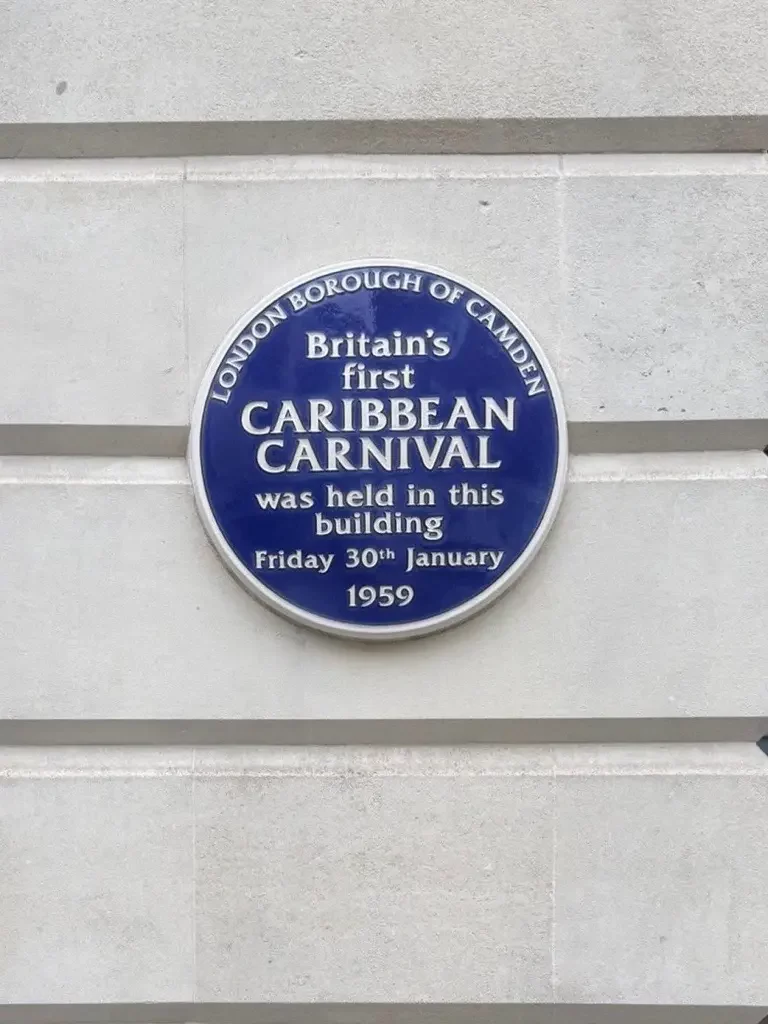
Britain’s first Caribbean Carnival did not begin in the streets. In 1959, Trinidadian activist Claudia Jones gathered Caribbean communities in Camden Town Hall to answer racism and hostility with rhythm, colour and joy. In the wake of the Notting Hill race riots – when Caribbean migrants were facing violence and exclusion – she created a space where we could gather, celebrate and insist that joy itself was political. That act of defiance would grow into today’s Notting Hill Carnival, one of the largest street festivals in the world.
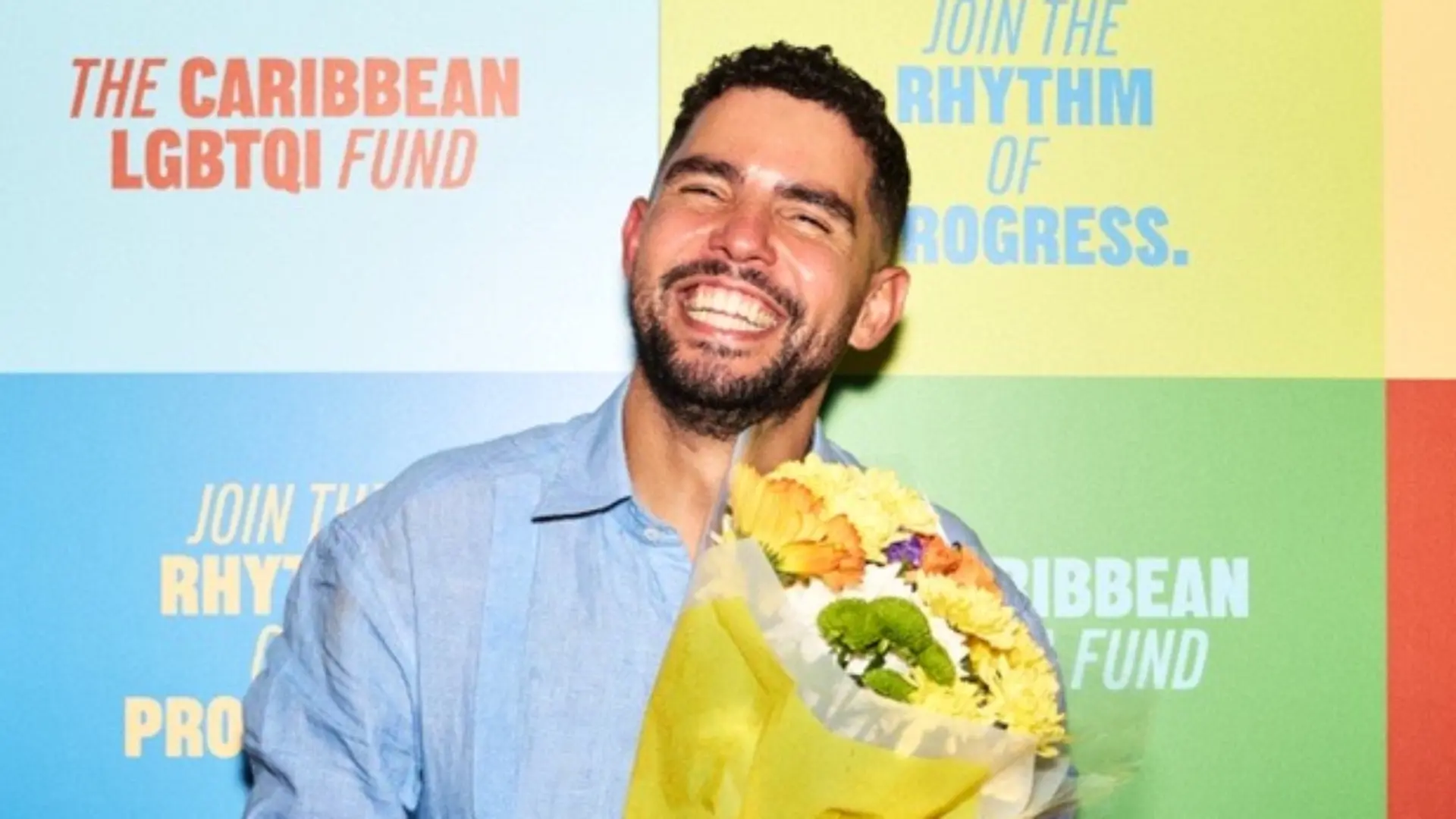
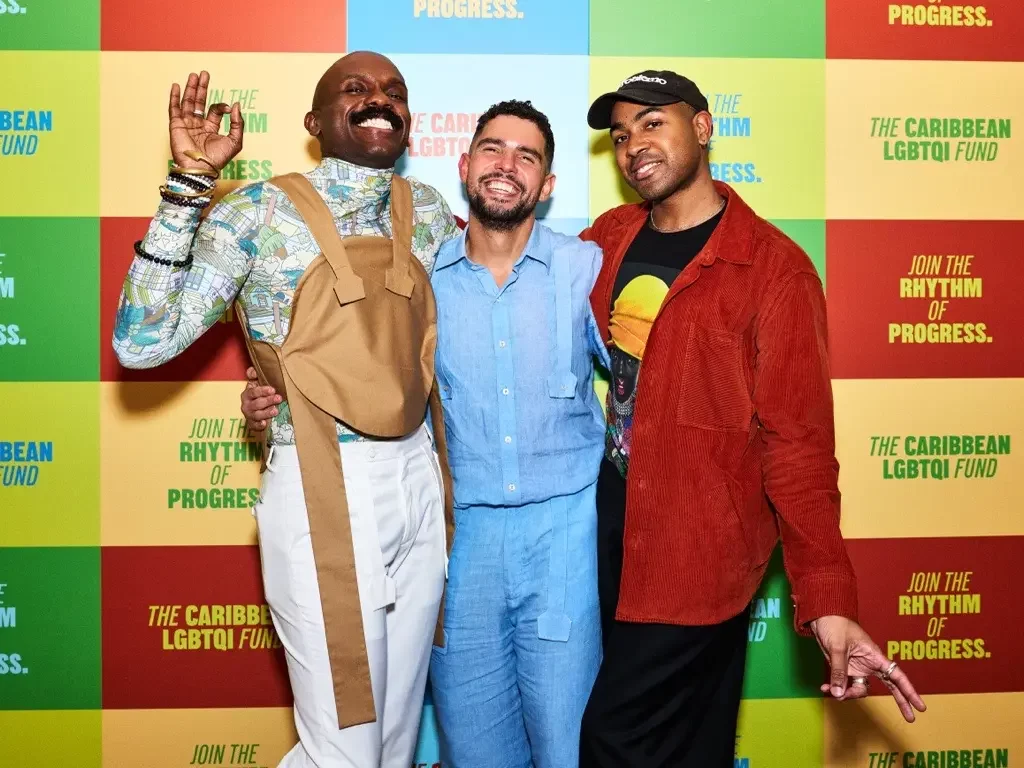
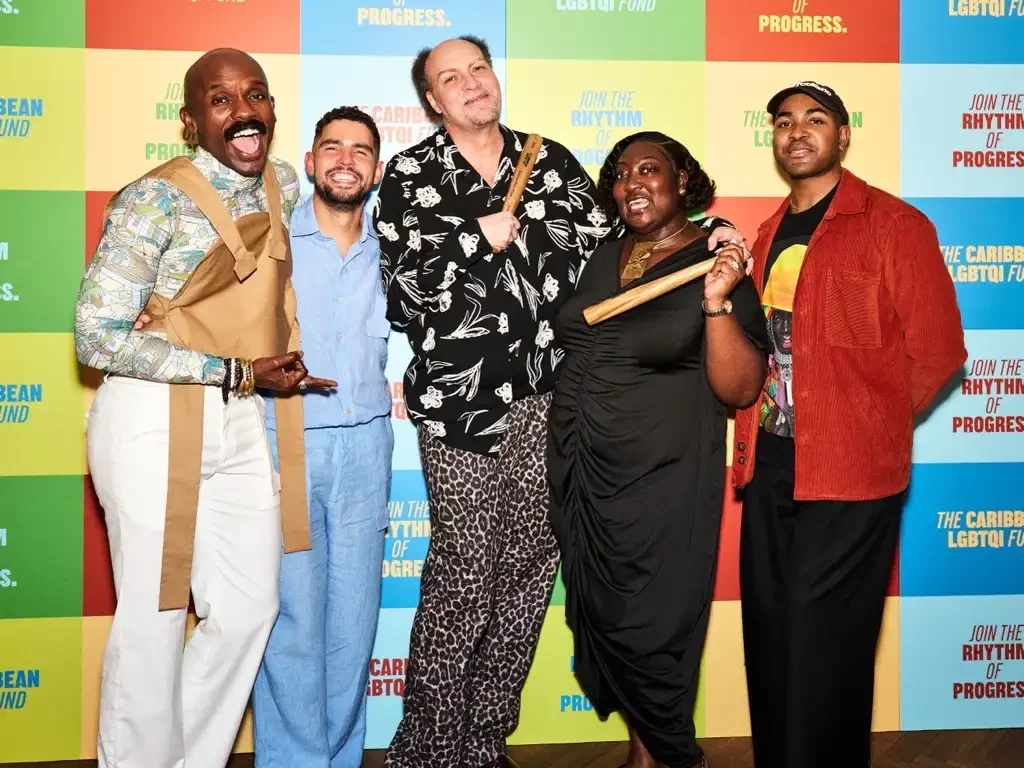
More than sixty years later, during LGBTQ+ History Month, Caribbean voices filled that same building again—this time to launch the Caribbean LGBTQI Fund with GiveOut. And we did so in a moment where community, culture and courage are once again being asked to answer a wave of hostility.
Global backlash against LGBTQ+ rights
Across the world, LGBTQ+ rights are facing one of the most coordinated backlashes in decades. Anti-rights movements are growing more strategic, more connected and more heavily funded – sharing tactics, messaging and political support across borders.
Yet just as LGBTQ+ movements need resources most, the funding that sustains them is quietly shrinking. In the UK, less than two pence in every £100 of overseas development assistance goes to international LGBTQI work. Across all UK charitable giving, international LGBTQI causes receive less than two hundredths of one percent. A fraction of a fraction. And yet the backlash we face is anything but fractional.
Funding cuts to LGBTQ+ organisations and initiatives
When funding disappears, the impact is never tidy. It doesn’t simply mean fewer campaigns or smaller projects. Whole support structures begin to buckle. A legal clinic closes and someone facing discrimination has nowhere to turn. A community centre shuts and young people lose the only safe place they had. Staff leave. Data is lost. Trust erodes. Restarting later costs far more than sustaining the work in the first place.
The funding ecosystem itself is precariously narrow. A small group of corporate donors and foundations often carry most of the load. When even one steps back, entire movements wobble.
Why is the Caribbean LGBTQ+ community under threat?
Now layer that global reality onto the Caribbean. Across much of the region, colonial-era laws still criminalise same-sex intimacy. Written in another century by another empire, they remain embedded in the legal systems of independent nations. They are not harmless relics. They shape stigma, embolden violence and restrict access to healthcare, housing and safety.
The Caribbean may be small on the map. But small is not insignificant. Many Caribbean nations are small states with limited resources, highly vulnerable to climate shocks, and often dependent on tourism and international aid. When funding priorities shift in Europe or the United States, the consequences land heavily in places like Guyana, Grenada or The Bahamas. And because our populations are small, our movements are small, too.
A grant that might seem modest elsewhere can determine whether an organisation keeps its doors open, or closes for good.
Caribbean diaspora: Caribbean people living across seas
For those of us in the Caribbean diaspora, this reality feels both distant and deeply personal. We build lives in London, Toronto and New York, carrying our accents, our music, our food and our stories with us. We celebrate Carnival in Notting Hill and Brooklyn. But the rights and safety of LGBTQ+ people across the region we call home remain uneven and fragile. Diaspora pride cannot stop at culture. It must extend to solidarity.
And yet, alongside the pressure, there is progress. Across the Caribbean, courts have begun striking down colonial laws criminalising same-sex intimacy. These victories were not inevitable. They were won through years of organising, courageous litigants, determined lawyers and activists who refused to accept that injustice should endure simply because it had existed for so long.
These changes are not being imposed from abroad. They are being led by Caribbean people. The Caribbean is not a passive recipient of change. We are authors of it.
“Pride may fuel us, but it cannot finance us”
The region has always had a talent for turning adversity into culture. Carnival itself was born from resistance—where survival became celebration. But creativity alone cannot sustain movements. Resilience cannot replace infrastructure. And pride may fuel us, but it cannot finance us.
At one gathering of Caribbean activists, I remember a conversation about funding that captured this reality perfectly. A well-meaning British activist spoke about refusing certain sources of money, drawing clear moral lines around which industries they would accept funding from.
A Jamaican activist turned to him and said quietly: “What a privilege it must be to turn down money.” The room fell silent. Because survival is complicated. For many Caribbean organisations, the question isn’t ideological purity. It is possibility. Keeping the lights on. Supporting isolated young people. Fighting legal cases that can reshape nations. That is precisely why the Caribbean LGBTQI Fund now exists. Not because Caribbean activists lack vision – far from it. The region is full of extraordinary organisers, lawyers, artists and community leaders driving change every day. But brilliance without resources is fragile.
Why does the Caribbean LGBTQI Fund exist?
The Fund was created to provide long-term, flexible support for LGBTQI movements across the Caribbean-strengthening legal advocacy, mental-health support, community-safety initiatives and leadership development. Our partnership with GiveOut helps ensure that funding reaches the organisations doing this work, with the accountability and trust donors rightly expect.
However, institutions alone cannot sustain movements. Diaspora communities have a role to play, too. Across Britain and beyond, millions of people trace their heritage to the Caribbean. We celebrate our culture loudly: our music, our food, our language, our history. But solidarity must extend beyond celebration. Movements are rarely built through dramatic gestures. More often, they grow through quieter acts: an introduction made, a resource shared, a door gently opened. A ripple here. A ripple there. And over time, those ripples become waves.
If Claudia Jones taught us anything in that same building more than sixty years ago, it is that when a community chooses joy, solidarity and courage in the face of adversity, something powerful begins to move. The Caribbean LGBTQ+ movements are already doing that work. The question now is whether the rest of us are willing to keep the beat.
More information is available via the official Caribbean LGBTQI Fund website.
Liam Rezende is a marketing executive and co-founder of the Caribbean LGBTQI Fund, an initiative dedicated to mobilizing philanthropic resources for queer grassroots organizing in the region. A Trustee for Open For Business, he co-authored a high-profile report on the economic case for LGBTQ+ inclusion in the Caribbean.