
‘These are not my people’: author John Grindrod on Tales of the Suburbs and growing up gay in Croydon (EXCLUSIVE)
From the fringes of a 1970s council estate to the forgotten gay hubs of airport towns, author John Grindrod unearths the hidden narratives of LGBTQ+ people who found their own communities behind the net curtains
By James Hodge
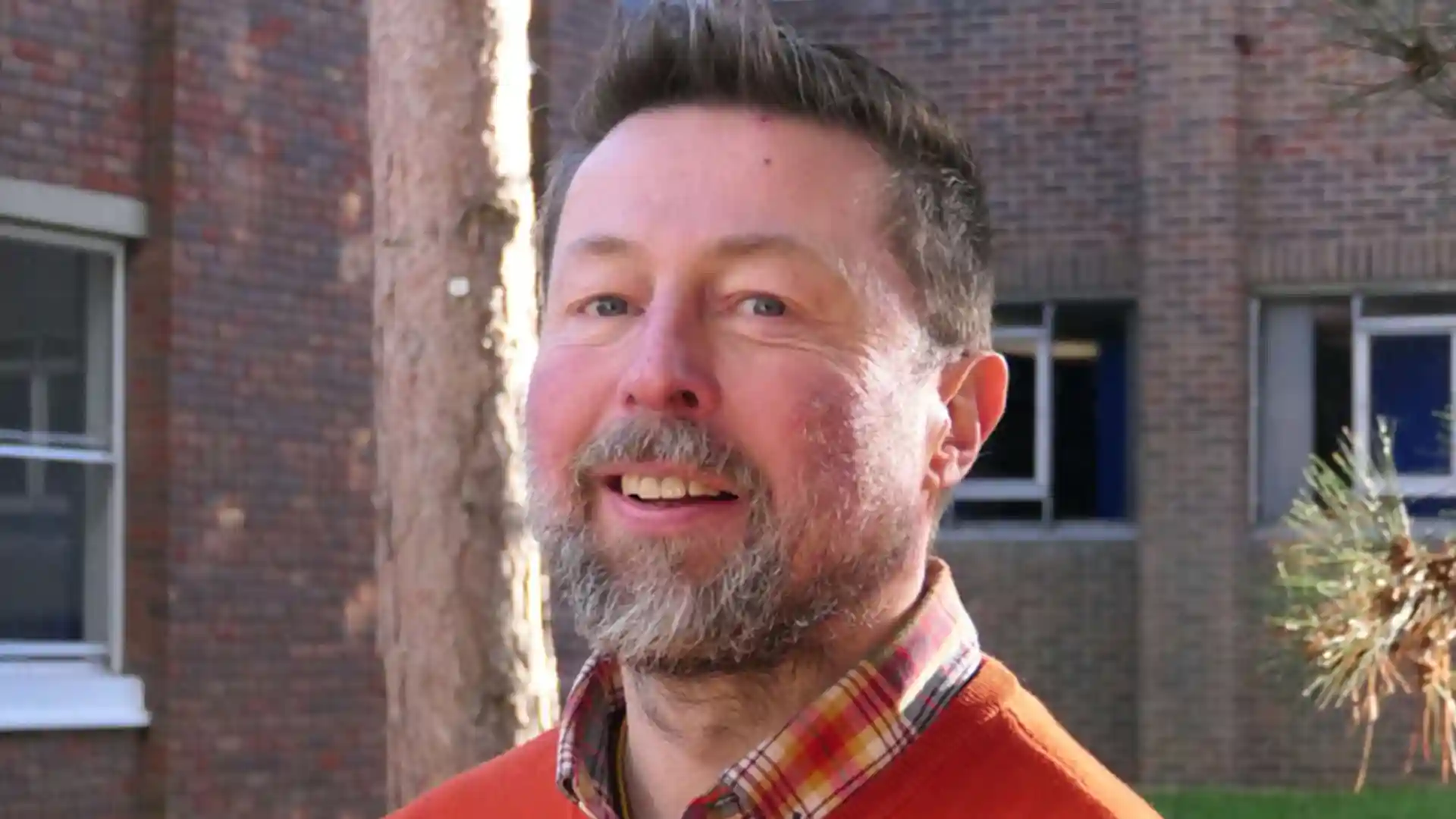
Author John Grindrod is a social historian who charts the past lives of modern towns and cities. Through his insights, archive materials and interviewees, he brings places to life. Here, Attitude speaks to Grindrod about his latest book, Tales of the Suburbs: LGBTQ+ Lives Behind Net Curtains, where he explores his process, his favourite “gaybourhood”, and reflects on the power of place in pop culture.
Attitude: What was it like growing up on the fringes of Croydon?
John Grindrod: I’m from New Addington – a council estate right on the edge of the borough. The centre of Croydon feels very urban, but as soon as you go outside, each suburb is quite distinct. A semi-detached on an avenue of similar homes, my house looked out onto fields. Although I was on the cusp of the city, I always felt isolated from what was going on. Growing up as a gay kid back in the 70s and 80s, I couldn’t see any evidence of there being anyone like me in existence. It made me feel exposed and vulnerable.
While there was a Croydon Gay Society, everyone was about 20 years older than me. I remember thinking, ‘These are not my people.’ It was zipping up the railway line that helped me find my people at places like Duckie at the RVT. Urban life was a lot more vibrant – an explosion of culture. But getting to know people, I realised many of us had lived in the suburbs and, indeed, many of us still did. We existed unknown to one another. Queerness was always hidden in the suburbs.
Now you have written a book about it: Tales of the Suburbs. Tell me more.
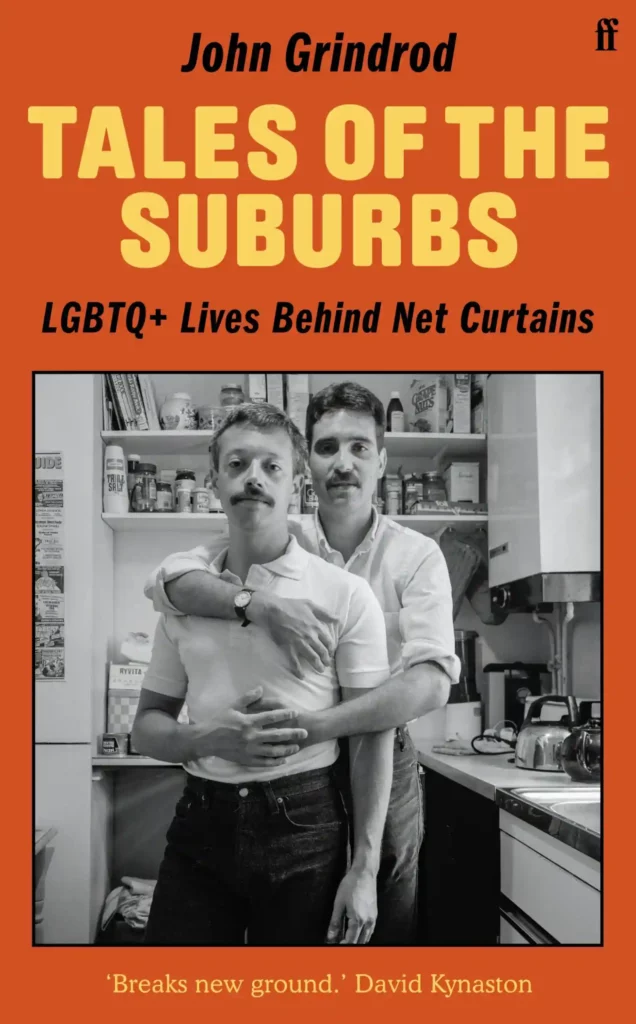
It tells the stories of LGBTQ+ lives from behind the net curtains of suburbia. The premise was inspired by the hunch that if I had experienced so much queer oddity in the suburbs, other people must have experienced the same. I interviewed people from all walks of queer life from all around the UK, and it’s eye-opening the range of experiences despite growing up in similar places.
It’s interesting that you make a link between suburbia as a liminal place and queerness as liminal identity.
Absolutely – queerness and suburbia are intertwined. Just look at the Pet Shop Boys song. Suburbs were invented at the beginning of the 20th century, when the concept of the modern queer identity was also being invented. One non-binary interviewee highlighted that the suburbs are like a middle space between city and country – and they felt like that was how they felt about their identity – somewhere in between the binary.
Is there a commonality between suburban queers?
People who grew up in the suburbs seem to have a similar ability to pick out the details of a story. They had brilliant memories and a way of drawing out the subtlety of experiences. Being on the fringe and not feeling a part of a community per se, they look in and are able to spot what is easily missed. It made them all brilliant storytellers.
Name some particularly memorable characters we might read about in this book.
There’s a mix of the interviewees who are alive today and material from the archives. For example, I begin the book with Quentin Crisp, who was born in Sutton and lived for periods out in the suburbs. I think he pushed against conventionality because he came from the most conventional of backgrounds.
I talk to people who came out in the suburbs, people who were raised by gay dads, people who were kicked out of homes and moved to the suburbs, trans and non-binary people…
So suburbia is more queer than people think?
Absolutely. One older interviewee was telling us about Horley [in Surrey] in the 70s and 80s: how gay it was; how it had all of these gay pubs that were completely unknown to city dwellers. It became a hub of pilots, flight attendants and airport workers who were based out of Gatwick and created their own gay neighbourhood that seems to have been forgotten.
This is an excerpt from a feature appearing in the May/June 2026 issue of Attitude magazine. Subscribe below.