
7 photos, artefacts and other hidden treasures from LGBTQ history
A new book unearthing artefacts relating to queer life in Britain and Ireland since 1945 is rich with scarcely seen material. Attitude meets the editors of The Queer Scrapbook
Attitude – the world’s biggest LGBTQ+ media brand and Europe’s best-selling magazine for gay men – is launching Attitude Uncut, an all-new digital magazine that will be published six times a year (between Attitude print issues) and available exclusively on Apple News+ and via the Attitude app. Featuring long-read journalism inspired by themes resonating within the LGBTQ+ community, each issue will provide a deep dive into topics as varied as sexuality, identity, health, relationships and beyond. Below is an extract from our latest issue.
“Very lonely member, 47 – lost friend of 18 years’ duration,” reads a personal ad printed in British lesbian magazine Arena Three in 1967. “Would appreciate sympathetic penfriends. Most interests, animal-lover.”
This heartbreaking yet unyielding testament to the power of human connection is just one of the subtly moving details enfolded in A Queer Scrapbook: Britain and Ireland Since 1945, a new history book out in March 2026.
Justin Bengry, who edited the book alongside Matt Cook, Rebecca Jennings and E-J scott, tells Attitude it is an extension of Matt Cook and Alison Oram’s Queer Beyond London: LGBTQ Stories from Four English Cities, which “looked at how LGBTQ+ experiences, lives and histories were reflected differently outside the capital. Different forms of activism, resistance, conflicts and local priorities.”
“That looked at Plymouth, Brighton, Leeds and Manchester,” he explains. “We wanted to create another book that went beyond those cities but had similar priorities.”
As well as institutions, the team put a call out – via personal networks and beyond – to storytellers of all stripes who shared their “generous” contributions in droves.
Here, Bengry, Jennings and Scott guide Attitude through 19 of the book’s most fascinating items.
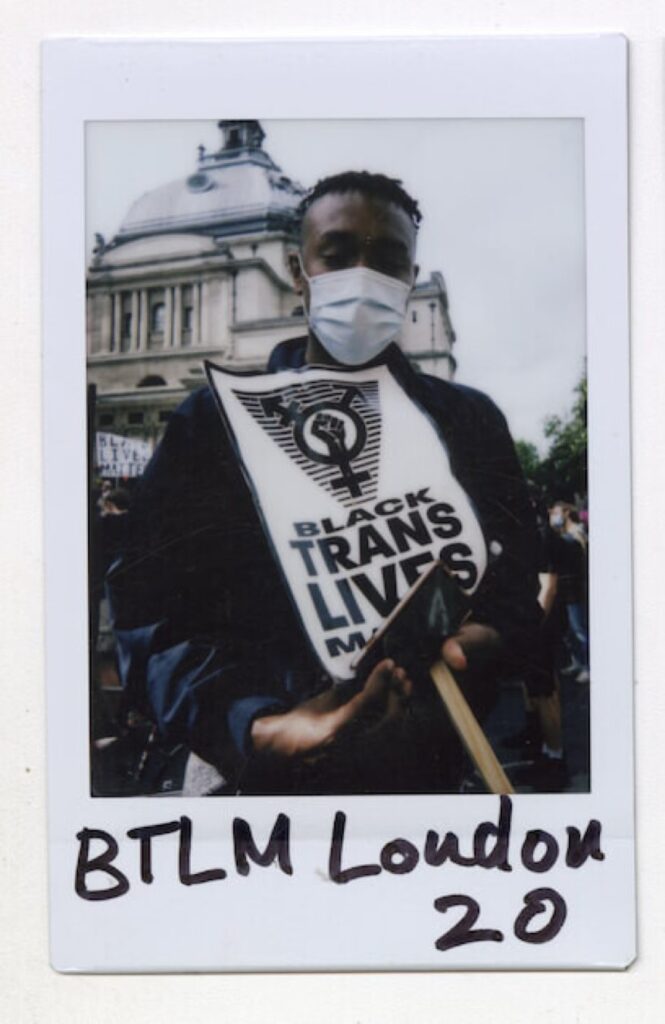
March on
Polaroid of trans activist at a Black Trans Lives Matter in Parliament Square, 2020.
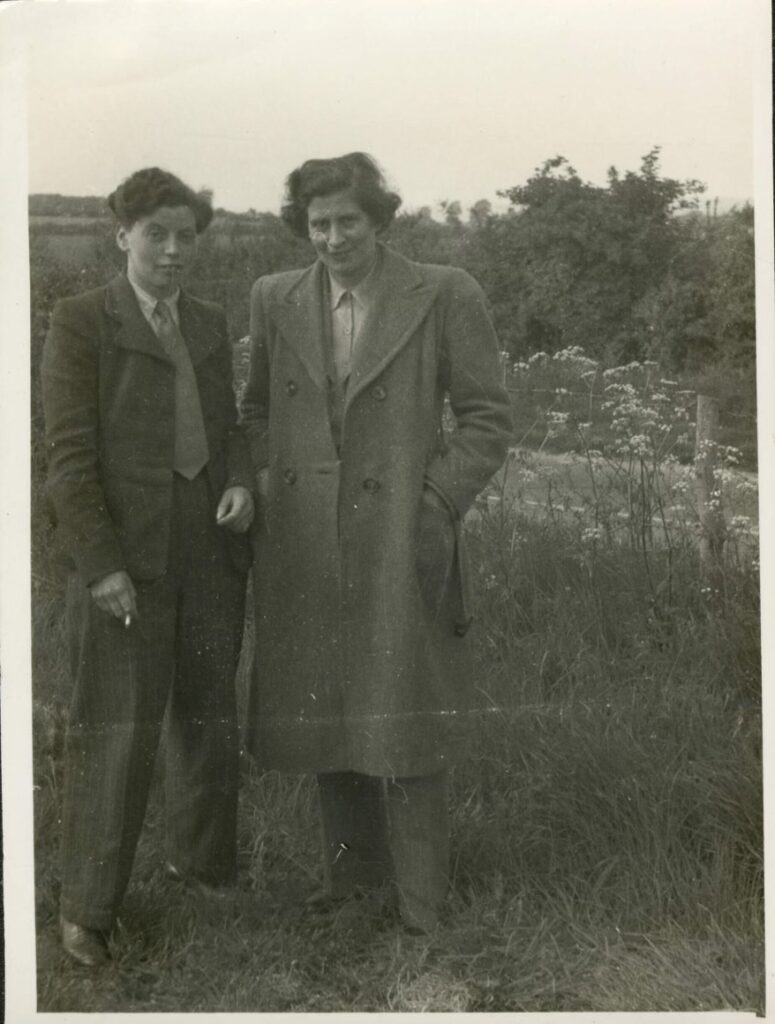
Power couple
A 1940s photograph of writer and journalist Zenka Bartek posing with girlfriend Wyn Cooper, held at the Bishopsgate Institute Archives.
“We approached a lot of heritage professionals, museums, galleries, archives about what in their collections could highlight the queer experience,” says Bengry.
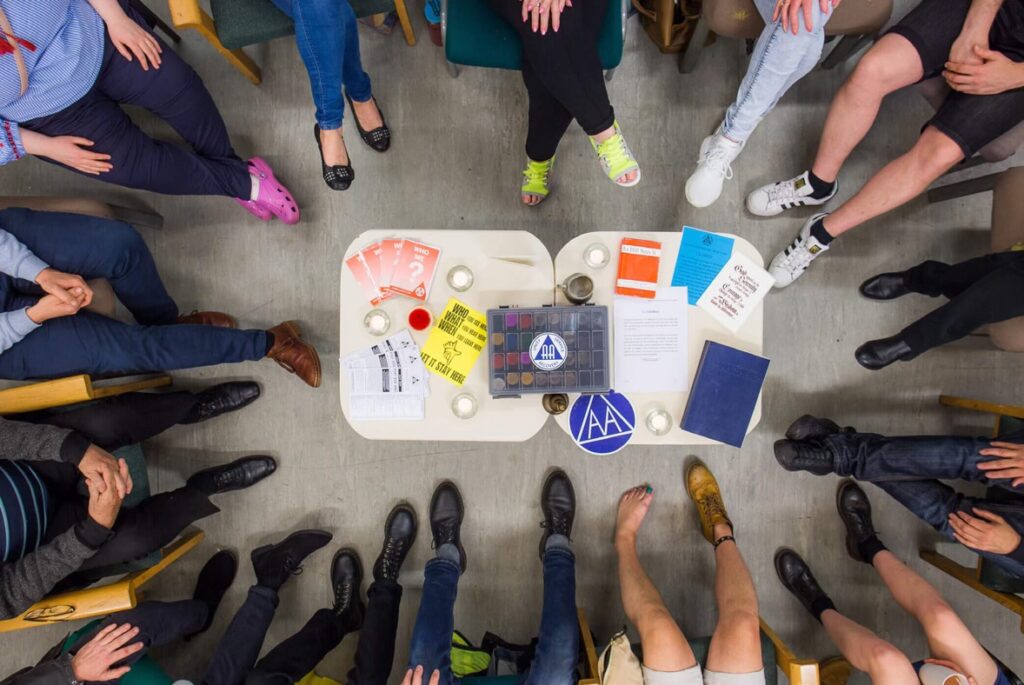
Not alone
A photograph taken at an LGBTQ Alcoholics Anonymous meeting.
Asked what the project reveals about the power of photography, Scott says: “It’s important for the communities to generate their own material and memories, and to use in these instances their own cameras to capture their own lives, their precious moments and precious things. It’s a tool where queer community members can be producers of their own culture. In turn, that process can produce hope and longevity, an ability to survive and see a future in times that are often challenging.”
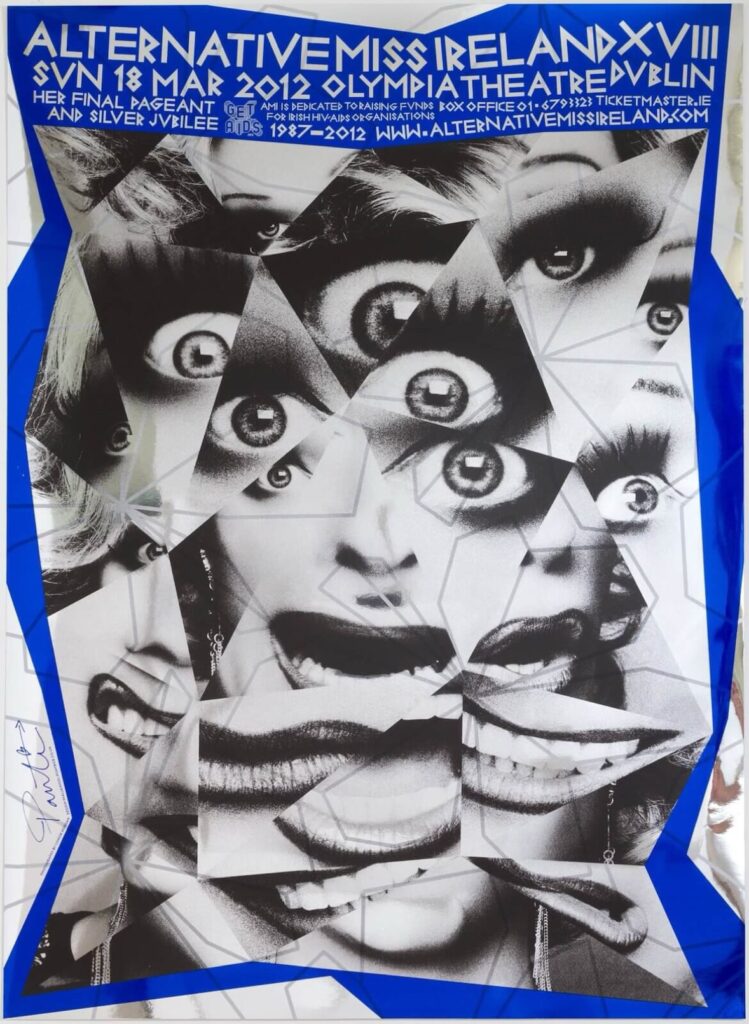
Judged beautiful
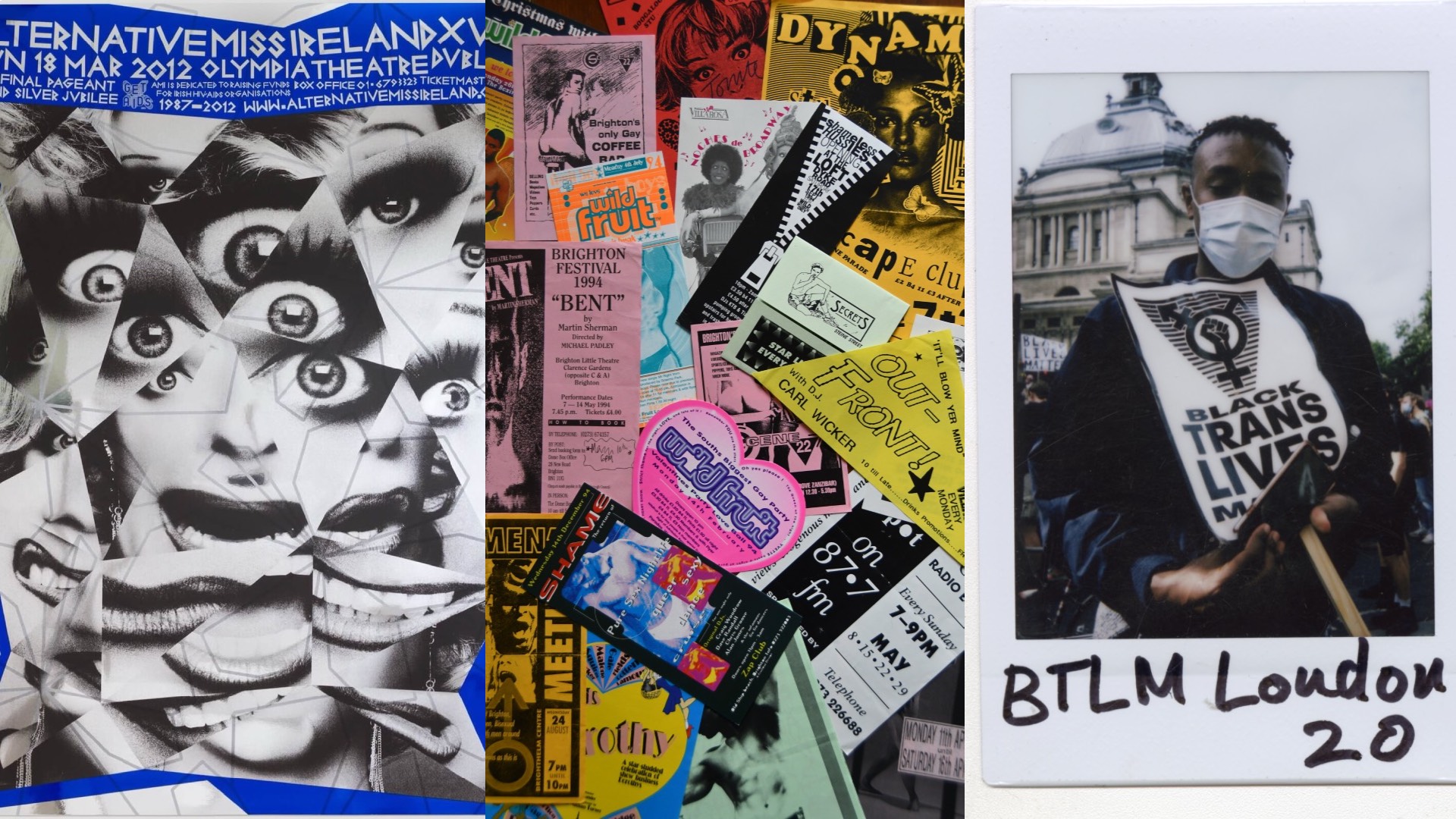
A poster for the final Alternative Miss Ireland in 2012, featuring a fragmented image of drag queen Panti Bliss.
“We wanted to expand beyond England, the UK, the urban, to anywhere we could access voices and sources,” says Bengry.
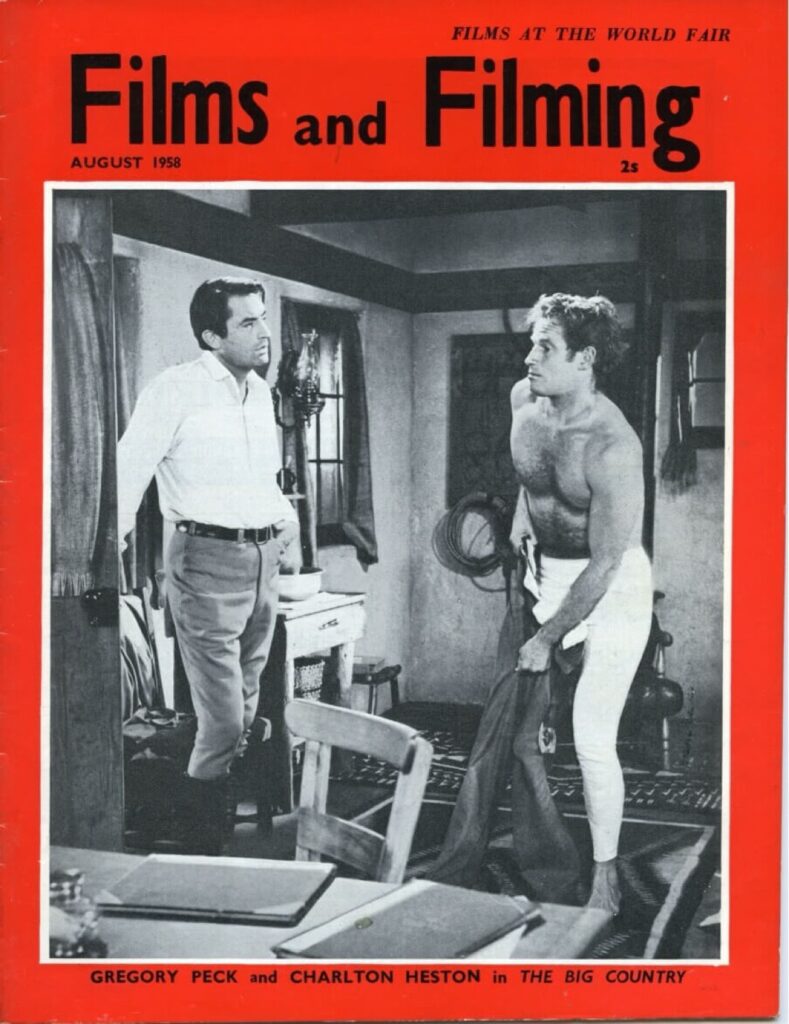
Lights, camera, action
Films & Filming cover from August 1958. “With its carefully coded content, fascination with male bodies, and personal ads in which ‘bachelors’ sought others like themselves, Films and Filming was effectively a gay magazine hidden in plain sight in the 1950s and 1960s,” says Bengry.”
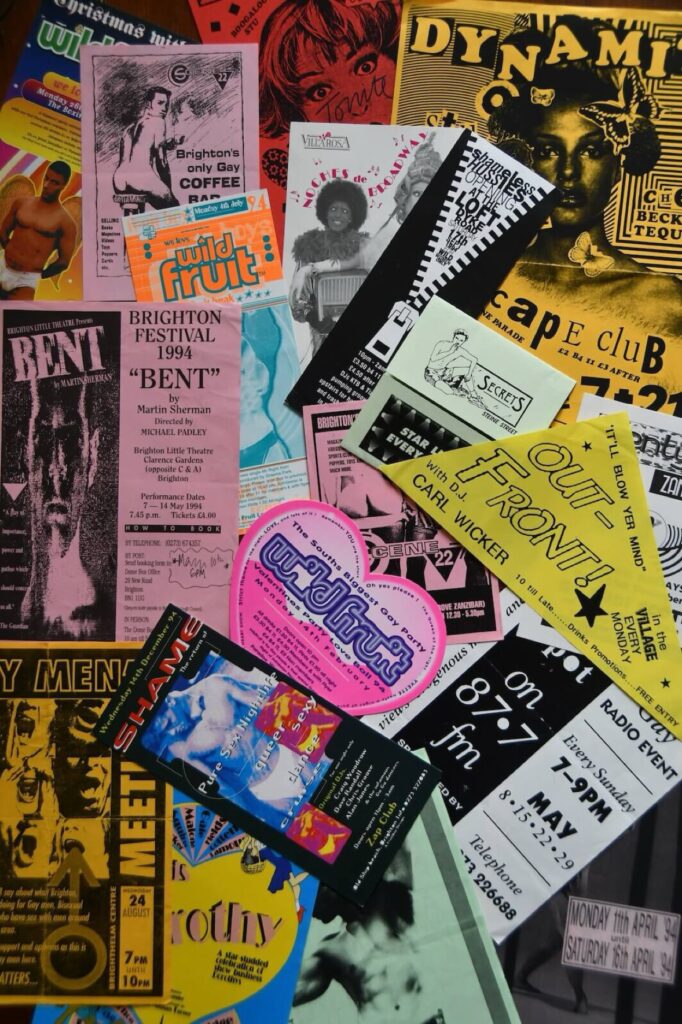
Brighton nights
A selection of scene and club adverts from Brighton, owned by Alf Le Flohic and photographed by Bengry.
“I went to the home of Alf Le Flohic to see these club fliers, posters and ephemera – stuff that doesn’t usually get saved and ends up on the street somewhere,” says Bengry. “Alf has methodically saved all of these things.”
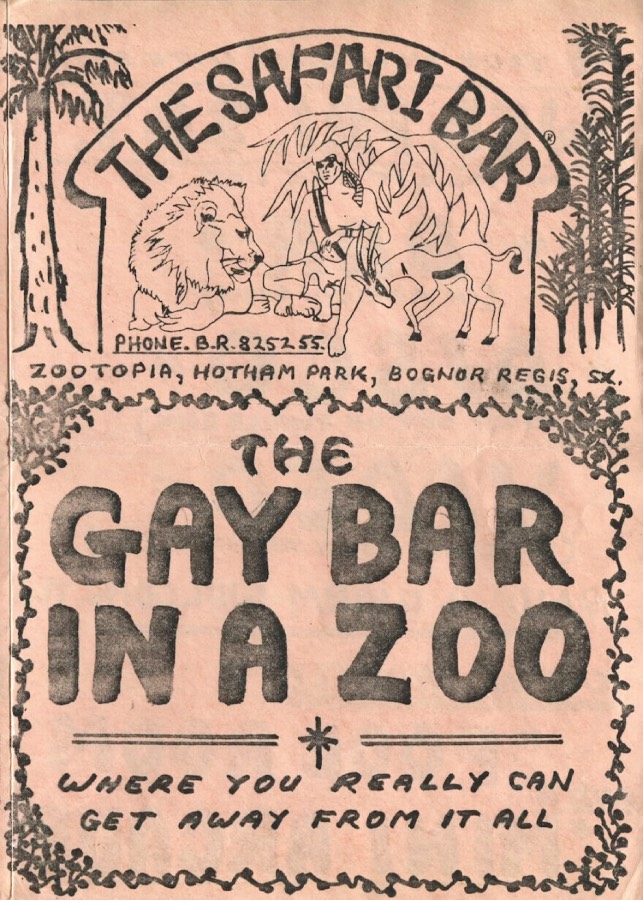
In the wild
Safari Bar flyer, designed by Barrie Appleyard and Ian Harding in 1983.
Says Bengry: “The Safari Bar was a gay venue in the cafe at Zootopia, a small zoo in Bognor Regis. It only existed for about nine months in 1983 but must be one of the most unlikely queer spaces in the UK.”
Subscribe to Attitude magazine in print, download the Attitude app, and follow Attitude on Apple News+. Plus, find Attitude on Instagram, Facebook, TikTok, X and YouTube.