
UK Eurovision selection process to be scrutinised by MPs after another ‘dismal’ year
The Digital, Culture, Media and Sport Committee is asking the BBC to explain its current selection process
By Aaron Sugg
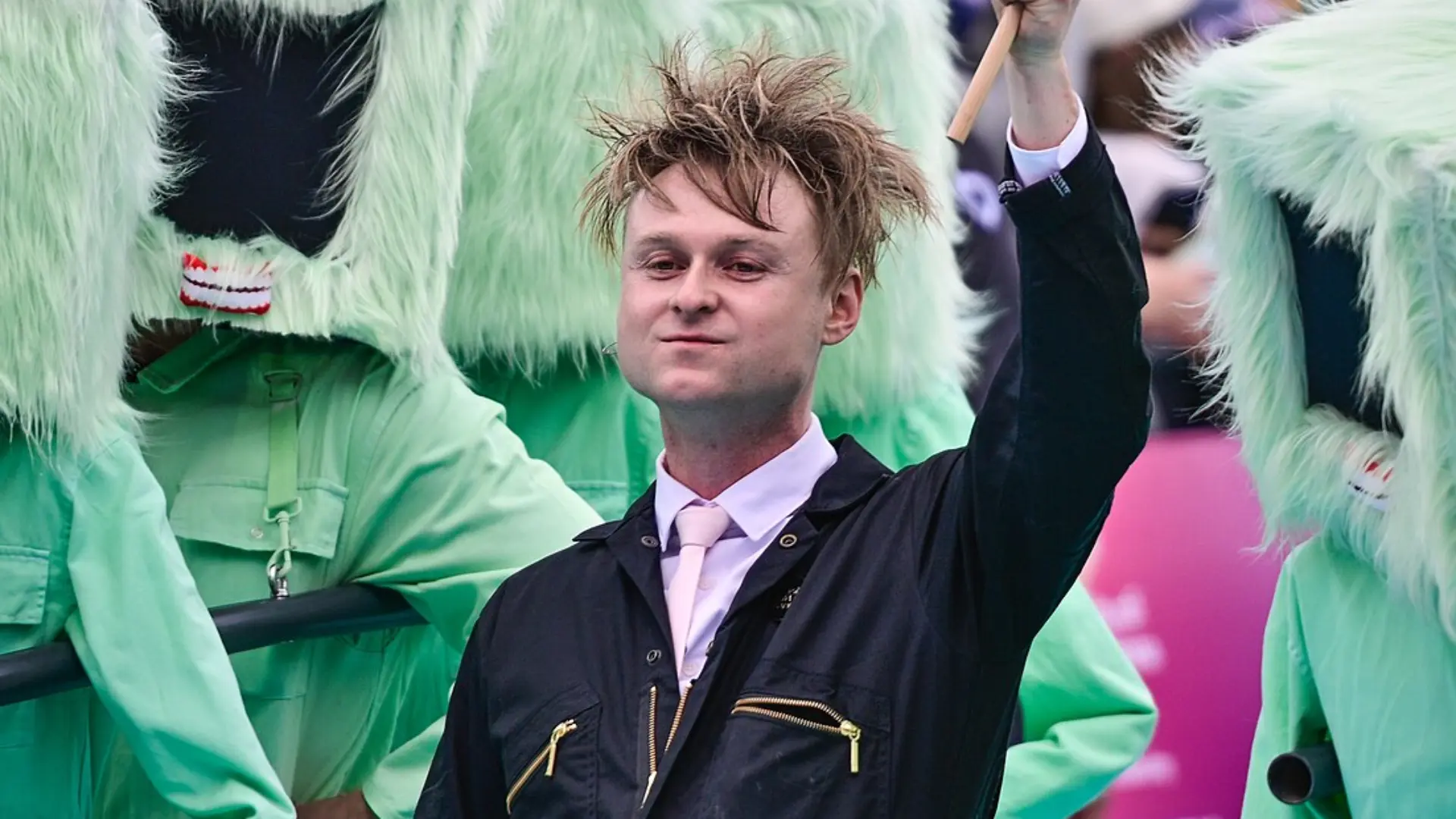
The UK’s Eurovision Song Contest selection process is set to be scrutinised by MPs after another dismal result at this year’s competition.
The Digital, Culture, Media and Sport Committee will hold an evidence session examining how the UK’s Eurovision act is chosen, with figures from the BBC and music industry experts expected to give evidence in the coming months.
Dame Caroline Dinenage, chair of the committee, told BBC News: “We want to get to the bottom of who chooses our entrant, on what basis and whether our dismal record of achievement in recent years [Sam Ryder to one side] is the result of bad song choice, weak performance… or something else”.
How the UK selects its Eurovision entries
Dinenage told BBC News: “This application interested us because of the UK’s reputation for scoring ‘nul points’, coming bottom, or close to bottom in recent years at Eurovision, despite having world-class songwriters and musicians.”
The Digital, Culture, Media and Sport Committee is asking the BBC to explain its current selection process.
The UK’s 2026 entry, Look Mum No Computer, came last at this year’s contest with just one point, while Mae Muller finished second from bottom in 2023 and James Newman came last with “nul points” in 2021.
UK Eurovision history
Over the past 15 years, the UK has only come higher than 15th place on one occasion – when Sam Ryder came second with ‘Space Man’ in 2022 – and it is approaching 30 years since its last Eurovision win.
The UK is one of a minority of Eurovision countries to select its entrant internally. In 2026, 23 of the 35 participating countries chose their acts through televised competitions, while 10 – including the UK, France, Australia and Switzerland – used internal selection.
Italy has its own route through the Sanremo music festival, while Israel uses a hybrid system.