
Trans+ Solidarity Alliance condemns EHRC code set to come into force next month
The revised Code of Practice for Services, Public Functions and Associations willcome into force on 5 August
By Callum Wells
Trans+ Solidarity Alliance has warned that new equality guidance set to come into force on 5 August will put transgender people at greater risk of harm.
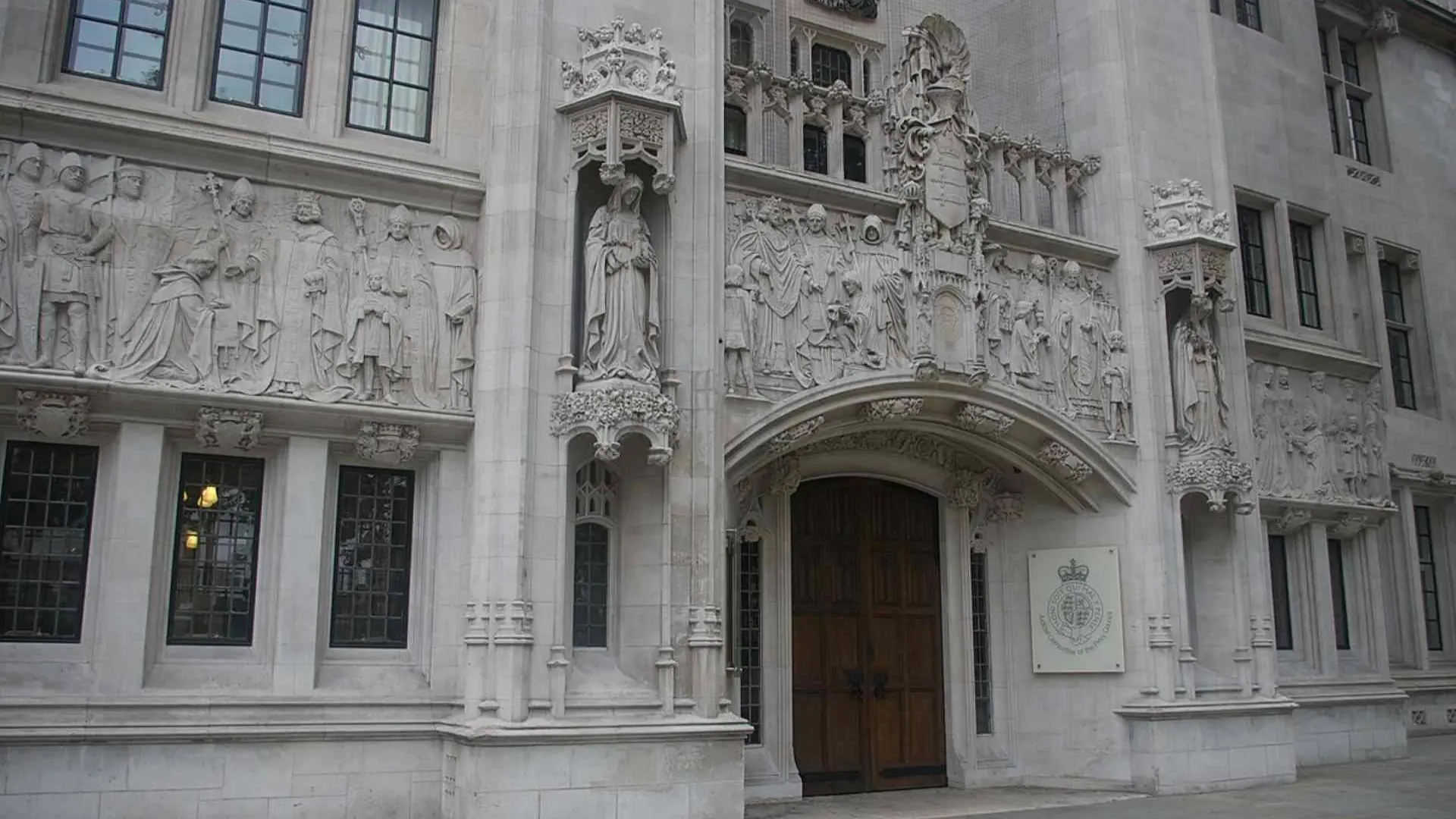
The organisation’s comments came after the government confirmed that the Equality and Human Rights Commission’s (EHRC) revised Code of Practice for Services, Public Functions and Associations will take effect next month, following the UK Supreme Court‘s ruling on the definition of sex under the Equality Act 2010.
Designed for service providers, public authorities and associations, the statutory code explains how organisations should apply the Equality Act when setting policies and delivering services. It does not create new criminal offences or make it illegal for transgender people to use particular spaces. Instead, it sets out the circumstances in which organisations may lawfully restrict access to some single-sex services under existing equality law.
“This is going to lead to widespread harm for trans people” – a Trans+ Solidarity Alliance on the new EHRC code
Responding to the announcement, a spokesperson for Trans+ Solidarity Alliance said: “This is going to lead to widespread harm for trans people and those who don’t conform to gender stereotypes, and put businesses and charities in the crossfire of endless litigation. This is not what Parliament originally intended for trans people’s rights.
“Bringing this unworkable guidance into force is one of the last acts of Starmer’s government, but it’s not too late for Labour to change course. Andy Burnham must listen to the backlash to this and fix our broken legal framework for trans equality, by amending the law to ensure trans people are treated in a way that is fair, proportionate and works in reality.”
The trans-led organisation also criticised the parliamentary process that led to the code’s implementation, noting that over 160 MPs, including more than 90 Labour backbenchers, backed an Early Day Motion calling for the draft guidance to be withdrawn. Despite this, the government did not grant MPs a debate or vote before the code completed the scrutiny process.
The legal background to the new EHRC code
Trans+ Solidarity Alliance further pointed to the government’s own Equality Impact Assessment, which acknowledged that some transgender people “could face a disproportionate risk of violence and sexual assault” as a result of the changes. The assessment also warned that women perceived as masculine “may face greater scrutiny” when accessing single-sex spaces.
The code follows the Supreme Court’s landmark judgment in For Women Scotland v Scottish Ministers, which found that references to “sex” in the Equality Act 2010 refer to biological sex. The EHRC says the revised guidance is intended to help organisations comply with existing equality law in light of that ruling.