
New HIV treatment could allow some people to stop medication for up to two years
Researchers at Imperial College London tested a treatment made from two broadly neutralising antibodies (bNAbs)
By Callum Wells
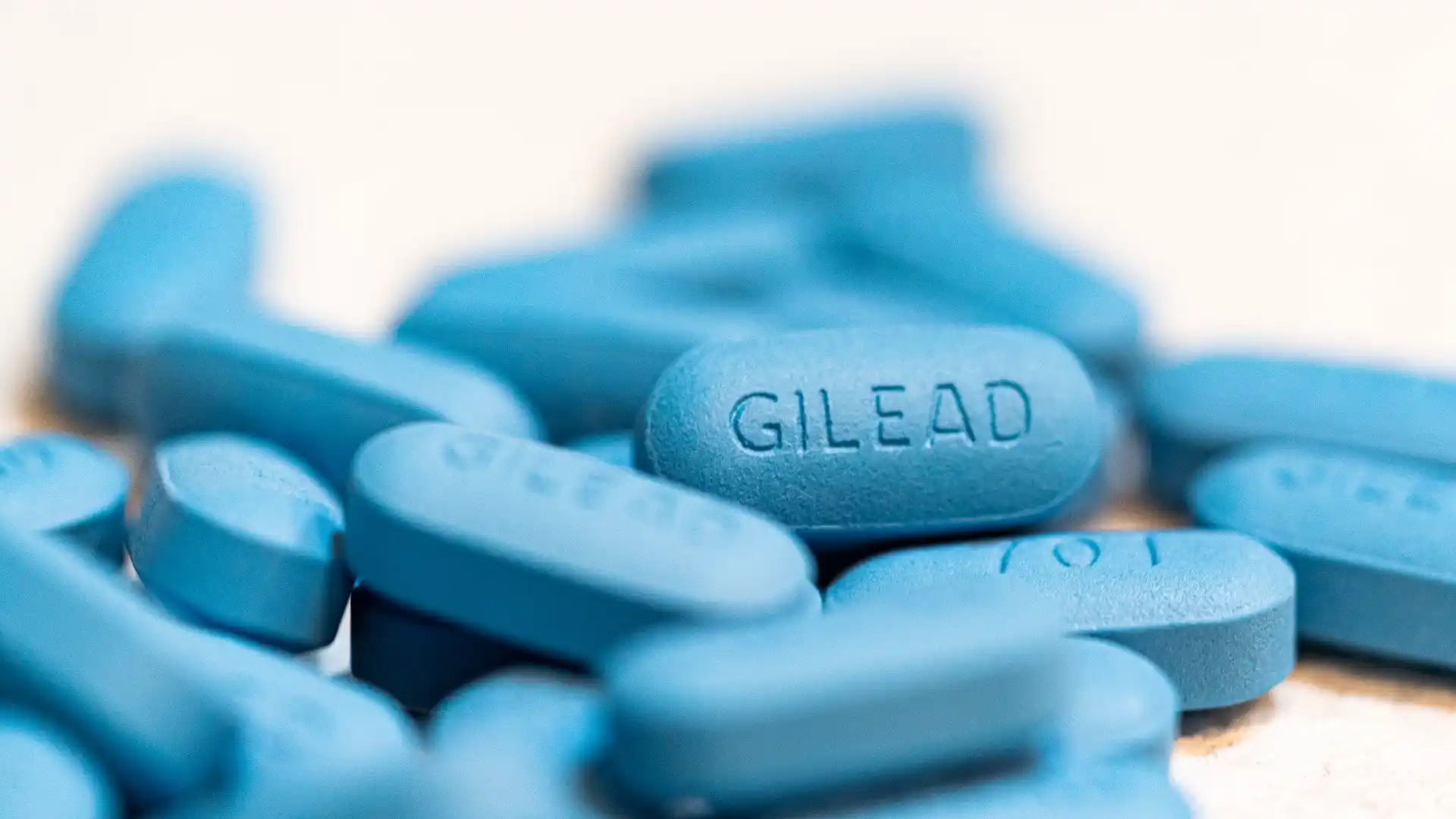
A new HIV treatment has allowed some people to stop taking their medication for up to two years, according to the results of a clinical trial.
Researchers at Imperial College London tested a treatment made from two broadly neutralising antibodies (bNAbs) – immune proteins that can target and block HIV.
The trial involved 68 people in the UK and Denmark whose HIV was already being controlled with antiretroviral therapy (ART). Participants received either the antibody treatment or a placebo before stopping their usual medication under medical supervision.
Could a new HIV treatment allow people to stop taking daily medication?
ART is highly effective at preventing HIV from replicating in the body and allows people living with the virus to lead long, healthy lives. However, it is not a cure and must usually be taken for life.
The study found that 75% of people who received the antibody treatment were still able to control the virus 20 weeks after stopping ART. Around half remained off medication for a year, while about a quarter maintained viral suppression for two years.
The antibodies used in the treatment, known as 3BNC117-LS and 10-1074-LS, target different parts of HIV. Researchers hope they could eventually offer a new way of controlling the virus without the need for daily medication.
The findings were published in The Lancet HIV.
“These results open new possibilities for HIV treatment and bring us closer to our goal of finding a cure” – Prof Sarah Fidler of Imperial College London
Prof Sarah Fidler of Imperial College London said: “This is the first time a bNAb-based therapy has demonstrated viral load control of this duration and magnitude in a randomised placebo-controlled trial.
“These results open new possibilities for HIV treatment and bring us closer to our goal of finding a cure.”
There is currently no cure for HIV. Although ART can reduce the virus to an undetectable level – meaning it cannot be passed on through sex – HIV remains hidden in dormant cells and can return if treatment stops.
Latest UK surveillance figures show new HIV diagnoses fell from 3,169 in 2023 to 3,043 in 2024, as the government continues efforts to end new HIV transmissions by 2030.