
LGBTQ+ veterans star in photographic campaign as gay ban compensation scheme approaches last call
Fighting With Pride hopes to help an estimated 1,000 veterans who may be unaware of the compensation scheme
By Aaron Sugg
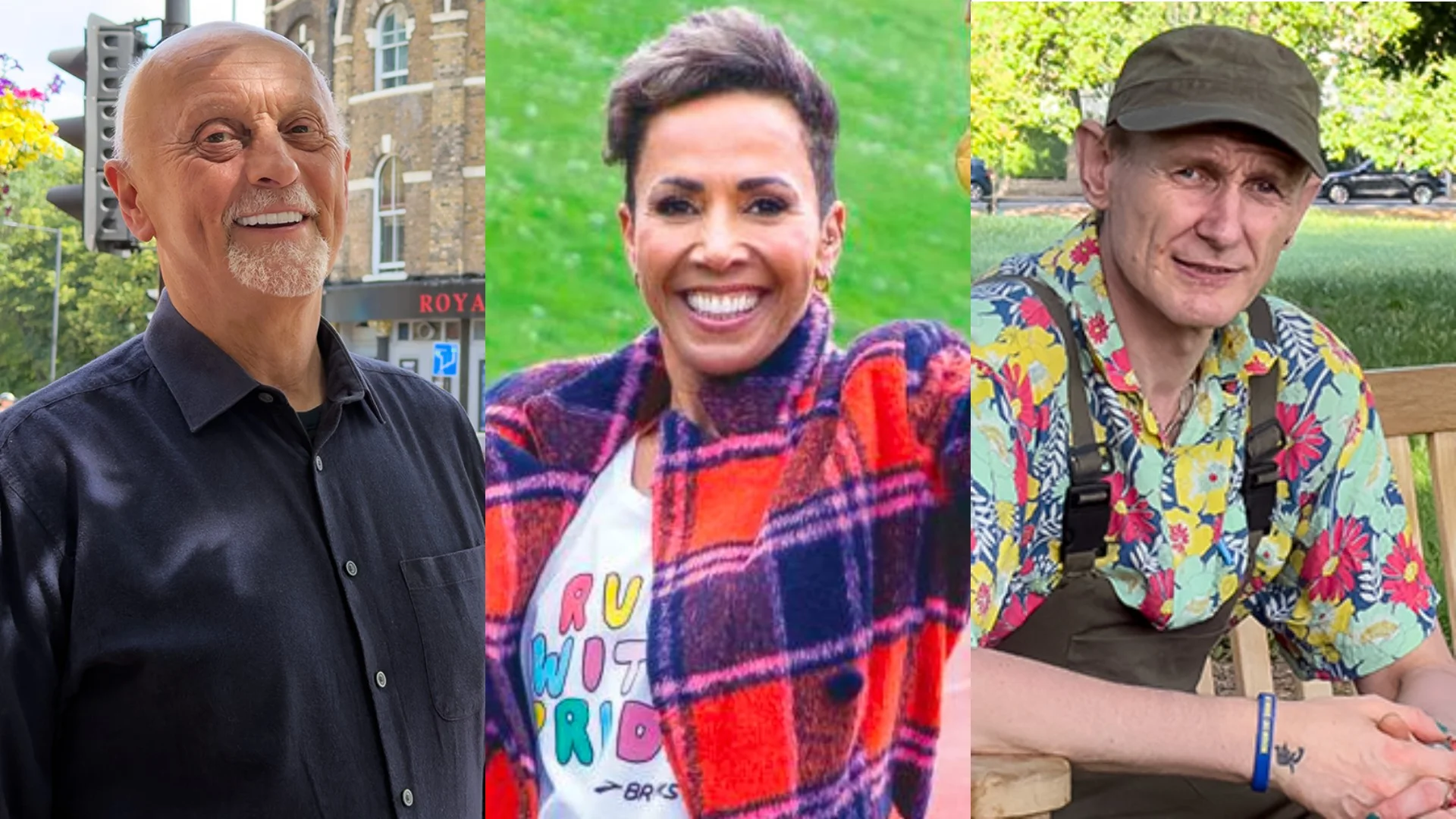
Fighting With Pride have unveiled their heritage project, True Colours, documenting the lives of LGBTQ+ veterans in a bid to help them apply for the soon-to-close gay ban compensation scheme.
True Colours comes at a significant time for LGBTQ+ veterans, with the Government’s LGBT Financial Recognition Scheme, for those affected by the historic ban on homosexuality in the Armed Forces between 1967 and 2000, approaching its closing date.
Those who were dismissed because of the ban can apply for a fixed payment of £50,000. A separate Impact Payment of up to £20,000 is available to those who experienced other forms of anti-gay discrimination.
Time is running out
Applications opened on 13 December 2024 and will close at 11.59pm on 12 December 2026. The Government has confirmed there are currently no plans to extend the deadline.
Through its True Colours campaign, Fighting With Pride hopes to help an estimated 1,000 veterans who may be unaware of the compensation available to them understand what they are entitled to claim.
By giving veterans the opportunity to share their experiences, True Colours also aims to raise awareness of the compensation scheme and encourage those affected to seek the recognition they deserve before applications close.
Fighting With Pride’s True Colours campaign
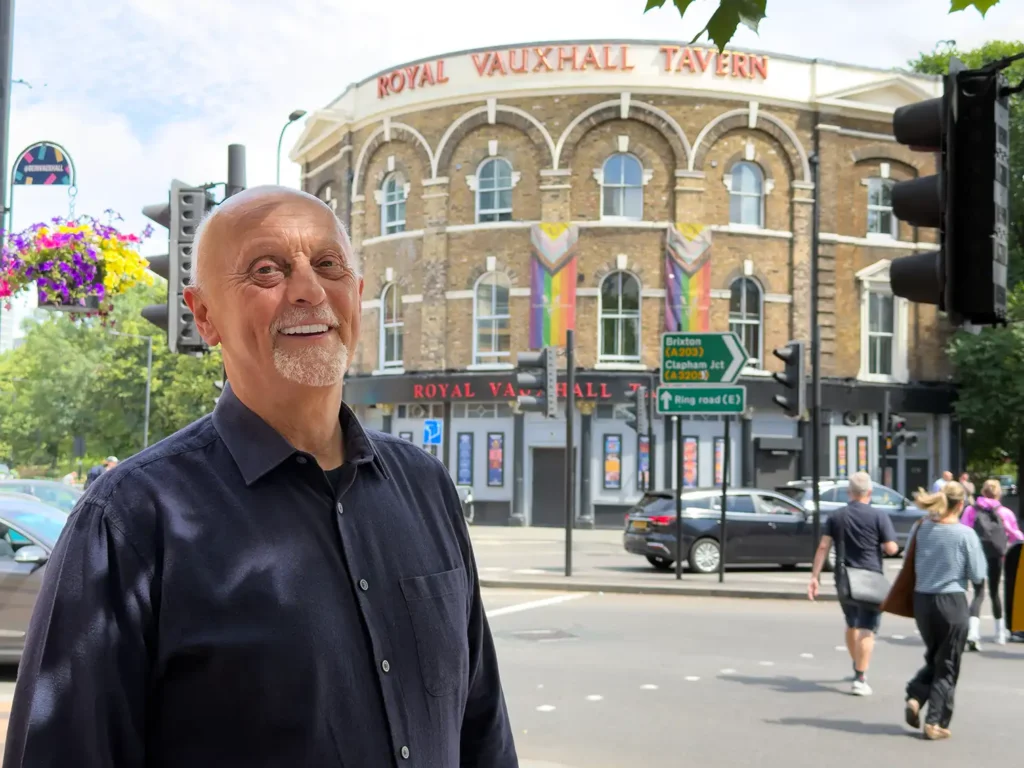
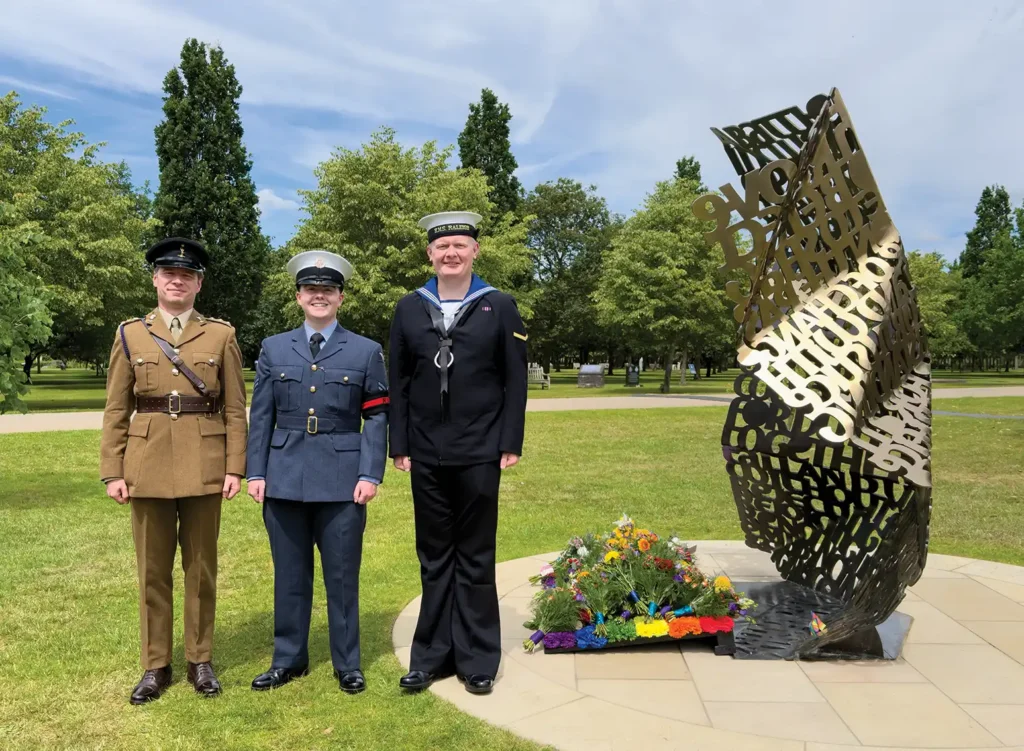
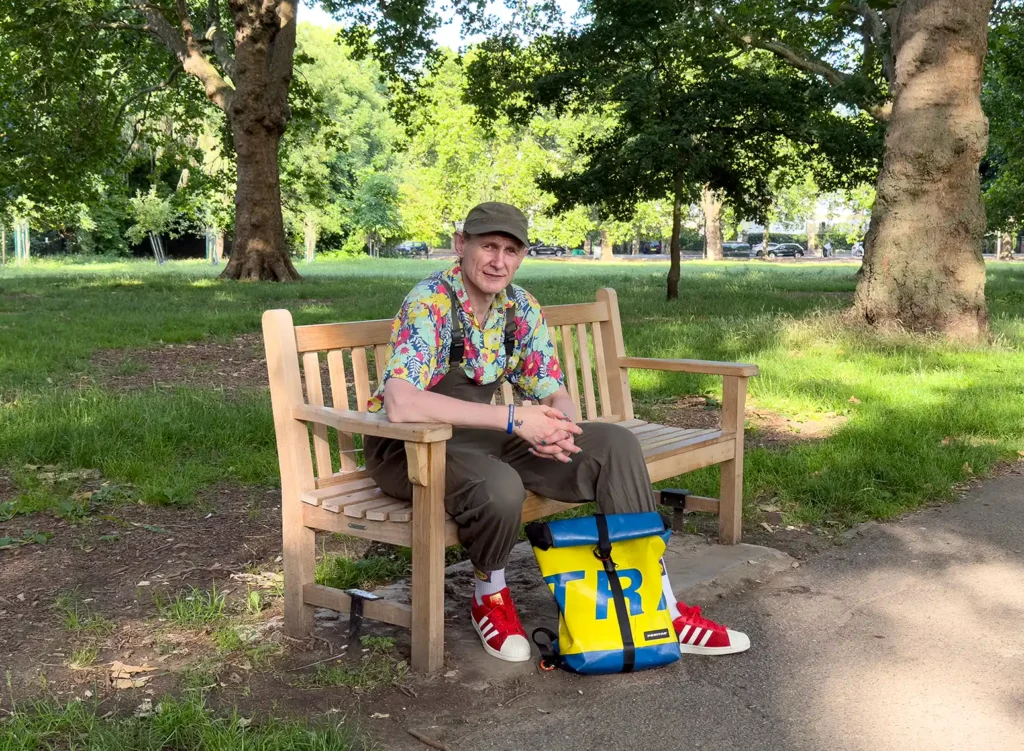
The campaign features photographs and personal stories from Colonel Leona Barr-Jones, Royal Navy Leading Regulator James Lindsay, artist, educationalist and activist David Tovey, Flight Lieutenant Rowena Brodi Purdy and Attitude Pride Award winner Dame Kelly Holmes.
Sharing her story, Holmes reflected on the fear of being discovered as a gay woman while serving in the Army.
Dame Kelly Holmes describes “a witch hunt” whilst serving
“At the age of 23, I experienced what we would now describe as a witch hunt,” she said.
“At the time, I was a respected corporal, having recently been promoted and posted to a new unit. The invasion of my privacy and the trauma of that experience stayed with me for decades. It left scars that affected me for more than 30 years.
“Since then, I have heard countless stories from veterans who went through similar experiences and I know just how deeply damaging and life-changing those investigations were for so many people,” said Holmes.
The scheme has not come without its fair share of problems. Steven Stewart is one of two veterans taking the Ministry of Defence (MoD) to court over what they argue are unfair compensation rules.
Steven Stewart takes MoD to court

He served for seven years in the British Army as a corporal in the Royal Military Police before being investigated over his sexuality and subsequently told to resign or face a court martial.
He chose to resign, meaning his departure was not formally recorded as a dismissal, which made him ineligible for the compensation scheme’s £50,000 dismissal payment.
Stewart and fellow veteran Mark Shephard won the first stage of their legal challenge against the MoD last month. Fighting With Pride has formally joined the legal proceedings as an interested party, supporting the veterans in their fight for fairer compensation.
For more information, visit the Fighting With Pride official website.