
Fiji announces national emergency as one in 60 adults live with HIV
UNAIDS has welcomed Fiji declaring HIV a national crisis and the government’s plans for firmer action
By Aaron Sugg
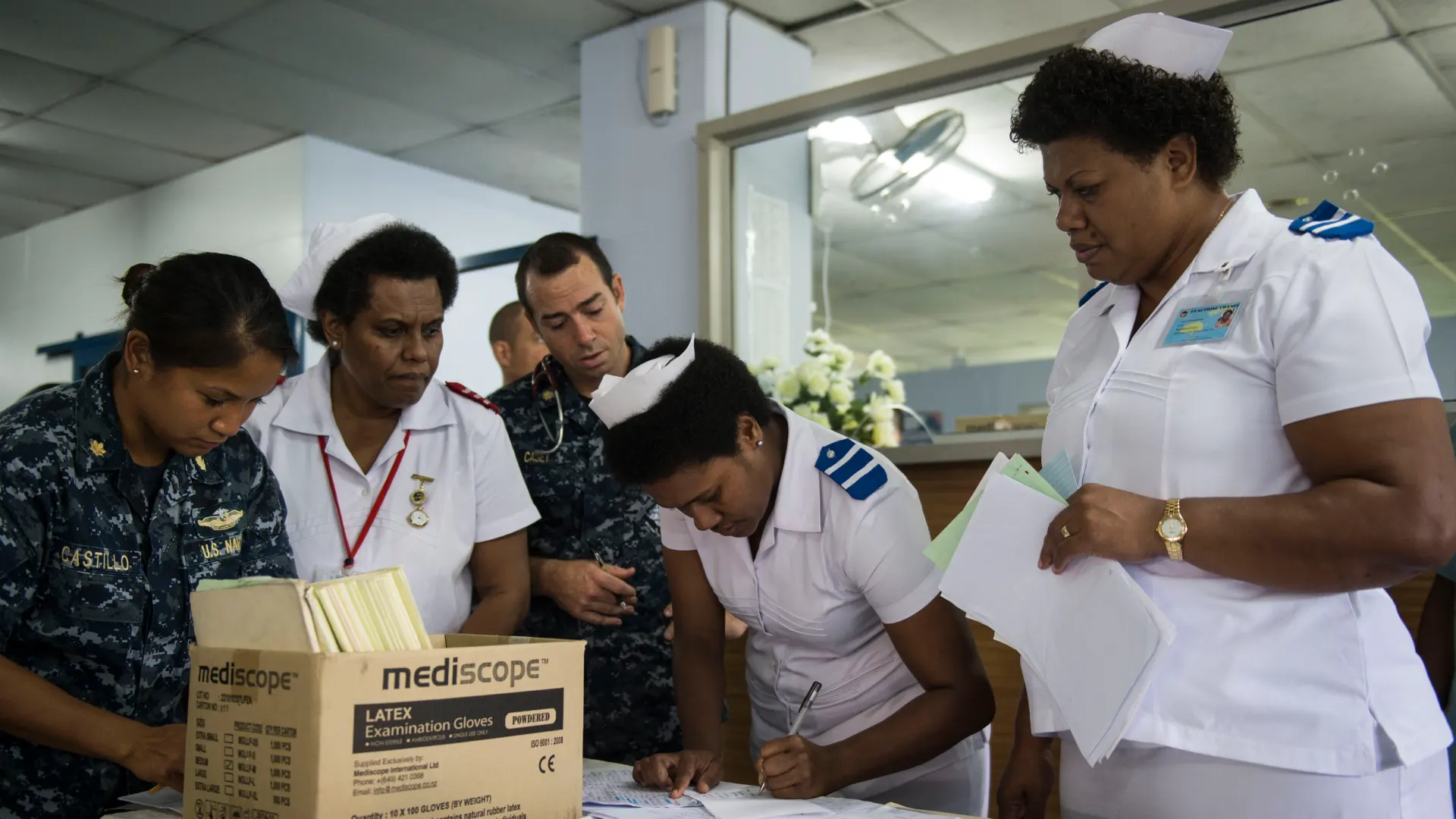
Fiji has declared a national emergency as increasing HIV cases put pressure on the country’s health system.
Roughly one in 60 adults living in the archipelago are now believed to be living with the virus. This is compared with one in 167, five years ago.
The country’s health and medical services minister, Dr Ratu Atonio Lalabalavu, said in a statement shared on social media that an outbreak-level response was no longer sufficient to address what he described as an “epidemic”.
“Today I am formally declaring a national health emergency in Fiji,” he said. “This decision recognises the seriousness of the epidemic and the urgent coordinated response our country now needs.”
2,060 new HIV diagnoses recorded in 2025
“Five years ago, the estimate was one in 167. In 2025, we recorded 2,060 new HIV diagnoses,” he said, adding that one in 50 pregnant women has HIV.
Experts link the increase to drug use, unsafe sex, needle sharing and “bluetoothing”/“hotspotting” – a practice involving the sharing of blood between people who inject drugs.
UNAIDS has welcomed Fiji declaring HIV a national crisis and the government’s plans for firmer action. They also voiced support for Fiji’s planned needle and syringe programme.
Prevention plans
A needle and syringe programme (NSP) provides people who inject drugs with clean needles and syringes to minimise the risk of transmitting HIV through blood on used needles.
The government also plans to expand HIV prevention, testing and treatment, including wider access to PrEP and long-acting prevention such as twice-yearly injections.
Making the crackdown announcement on social media, the Fiji Government said: “The response is focused on protecting lives, improving access to health services and reducing stigma.”
Support from global allies
Its international partners, including Australia, New Zealand, India, the Global Fund and the United Nations, have all shown support.
Eamonn Murphy, UNAIDS Regional Director, said in a news release: “The national crisis declaration is a call for action, not fear. HIV is not transmitted through everyday contact, and people on effective treatment with an undetectable viral load do not sexually transmit HIV.”
“Fiji still has an opportunity to change the course of this epidemic. Stronger cooperation across the Pacific and sustained international solidarity can reinforce the national effort and help accelerate action.”