
HIV is part of my story, but it isn’t all of it
Ahead of World AIDS Day, Steve Wyatt reflects on sixteen years of living with the virus, the progress of treatment, the persistence of stigma and what it means to reach 50
By Steve Wyatt
When I was told I was HIV positive in July 2010, I’d already spent weeks believing it. I was 34 and desperately ill during seroconversion, experiencing pain unlike anything before or since. I knew what was wrong.
A couple of weeks earlier, I had been clubbing in Vauxhall. Following a sexual encounter, I was standing in the garden at Fire, opposite the two guys involved. Both repeatedly questioned whether I had HIV, loudly enough for others to hear. I remember wondering why they were making such an issue of it. I hadn’t had sex for around three months beforehand and had reason to believe I was HIV negative. Their behaviour unsettled me deeply, and when I became seriously ill shortly afterwards, those words took on an entirely different meaning.
Around two weeks later, I felt well enough to attend 56 Dean Street in Soho. An initial rapid HIV test was negative, but further blood tests were taken. When the results didn’t arrive, I contacted the clinic and was told I needed another test.
Eventually, somebody telephoned and asked me to attend the clinic. I explained that I believed the result was positive. After initially declining to tell me over the telephone, he confirmed what I already suspected.
What remains with me isn’t simply the diagnosis. It’s the emptiness I felt, and the impression of being another number in a clinical process when I desperately needed some humanity.
Sixteen years later, I still remember that feeling.
When treatment works, but you don’t feel well
In 2010, immediate HIV treatment wasn’t routine. I participated in the START clinical trial, comparing immediate antiretroviral treatment with delaying it until clinically indicated.
I was allocated to the immediate-treatment group. Within a couple of months, I had an undetectable viral load.
Today, we know that people living with HIV who maintain an undetectable viral load through effective treatment cannot sexually transmit the virus. Undetectable equals Untransmittable: U=U. In 2010, that understanding wasn’t established or widely communicated.
While my treatment was suppressing HIV, I was struggling with side effects.
My initial medication was Atripla. My clinicians knew I had a history of sleep difficulties, yet I experienced persistent sleep disruption, vivid dreams and nightmares.
The lack of proper sleep affected me physically and emotionally. I raised my concerns repeatedly, but for more than a year I felt expected to tolerate the effects because the medication was achieving its clinical objective.
After considerable persistence, my treatment changed. Sleep problems continued, although the vivid dreams stopped. Later, chest pains required investigations and another treatment change.
I made a formal complaint about aspects of my care. The subsequent hearing was deeply unpleasant and damaged my confidence in the healthcare system.
I came to understand that effective treatment and good patient care aren’t necessarily the same thing. Suppressing a virus is essential. So is listening to the person living with it.
Today, I take a combination I tolerate well, without noticeable side effects. Treatment options have improved enormously. I’m grateful for that progress, while recognising that finding the right treatment wasn’t straightforward for me.
The fear of never being loved
Becoming undetectable didn’t immediately remove the emotional consequences of my diagnosis.
For years, I worried that nobody would want a loving relationship with someone who was HIV positive. On dating apps, I was often blocked as soon as I disclosed my status. Other times, I encountered insults. Much of that stigma came from within the gay community, where I’d hoped to find understanding.
Looking back, some of those fears were ordinary human insecurities, intensified by HIV stigma. Today, I’m in a loving relationship of more than five years. Something I once feared might never happen is part of my life.
In those early months, I withdrew from social life. Clubbing no longer felt the same. I was navigating depression, questioning my future and struggling to imagine what life might look like.
My friend, Farha, made an extraordinary difference. For months, she spoke with me virtually every day, listening and remaining present when I struggled to cope. She was a lifeline.
Eventually, I returned to the Vauxhall clubbing scene. I remember dancing on the podium at Beyond, glow sticks in both hands, absorbed in the music. It reminded me that my life was never solely about HIV, even when the diagnosis seemed to overwhelm everything else.
There wasn’t one moment when everything changed for the better. There were difficult relationships, setbacks, therapy, friendships and gradual steps towards enjoying living and being again.
More than a diagnosis
My experiences of adversity didn’t begin in 2010.
I’d experienced childhood neglect, abandonment and a lack of love. I first attended therapy at 13, beginning a lifelong process of understanding myself.
Since my diagnosis, I’ve experienced further personal and professional challenges, poor physical and mental health, loss, achievement, friendship and rebuilding. At times I’ve felt unable to cope, fallen apart and had to find a way forward again.
I don’t believe resilience means never struggling, or that surviving difficult experiences somehow makes those experiences worthwhile. For me, it means recognising what I’ve lived through without allowing any single event to become my whole story.
Between 2017 and 2018, I volunteered with Terrence Higgins Trust, facilitating peer-led groups for men newly diagnosed with HIV. I remembered my own fear and isolation, and I knew how much it could matter to speak with someone who understood from experience.
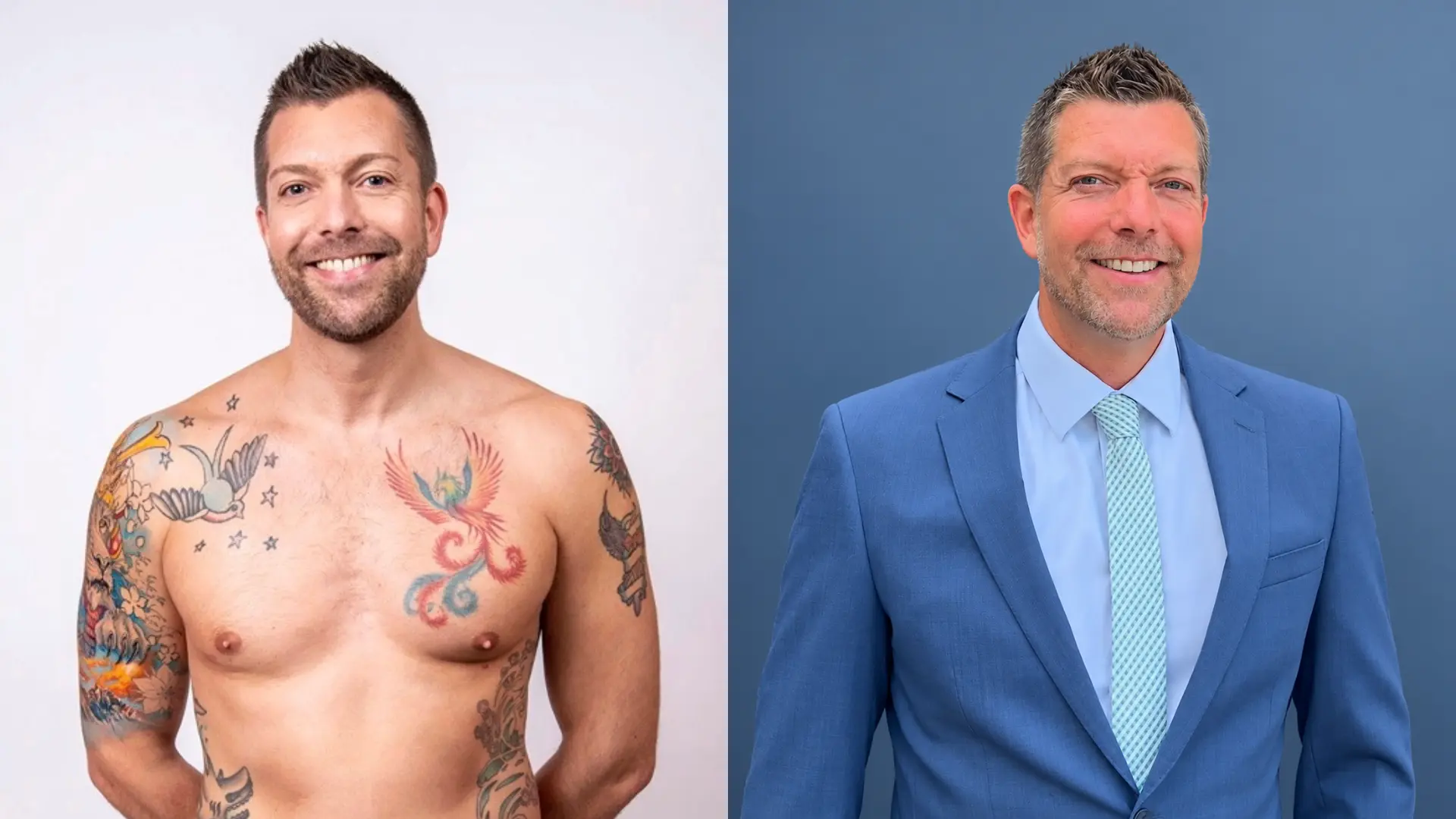
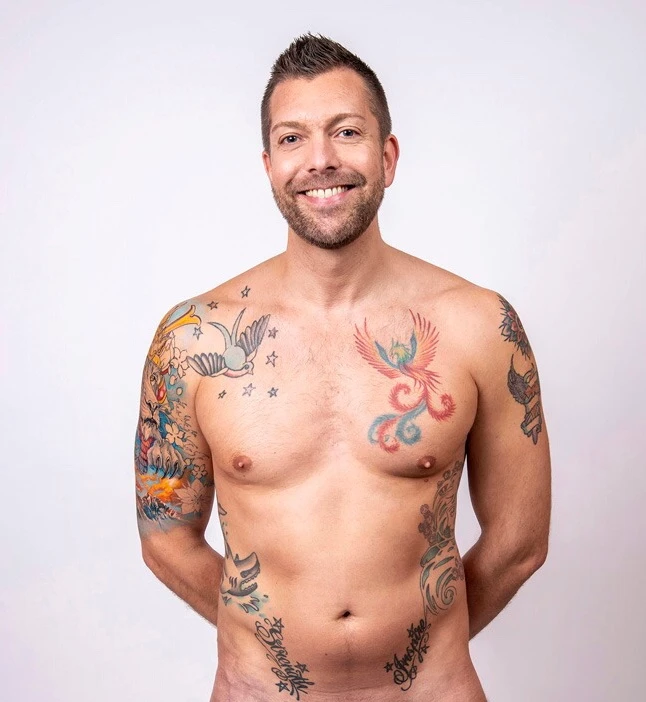
In 2018, I also took part in a World AIDS Day photography campaign alongside other HIV-positive men, helping raise awareness and challenge stigma.
I was an open person before HIV and have remained one afterwards. I’ve made my own decisions about sharing my status with friends, family and colleagues. Fundamentally, I wanted to be accepted for who I was, not judged through the lens of a medical condition.
Living, not simply surviving
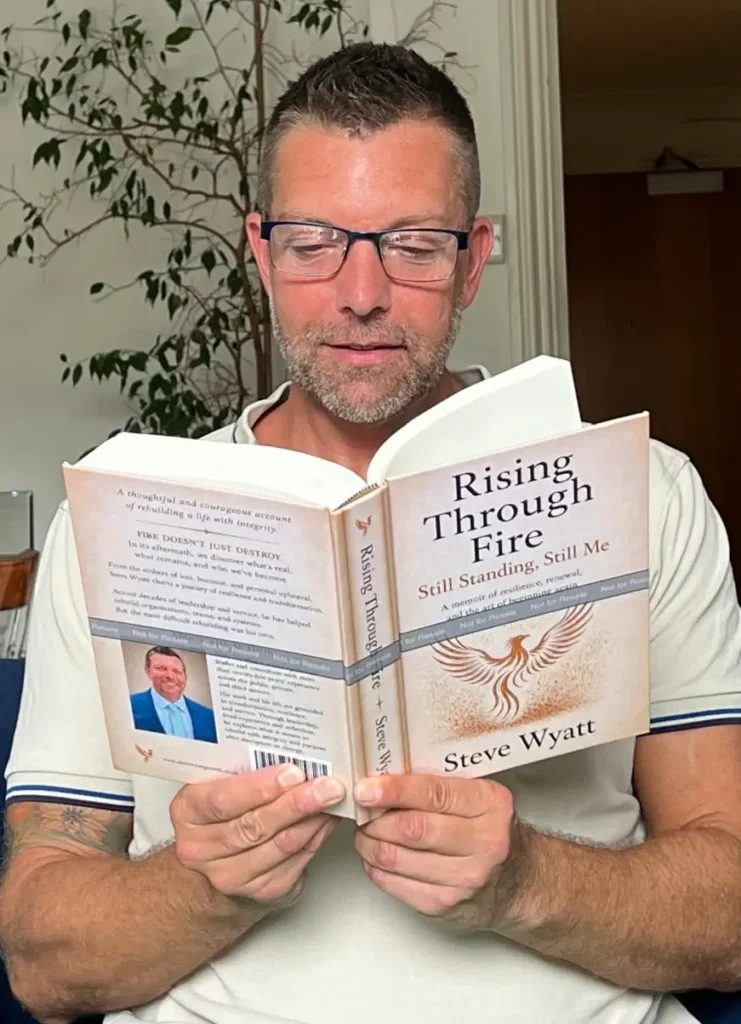
This year, I turned 50 and published my memoir, Rising Through Fire: Still Standing, Still Me.
Writing it meant revisiting five decades of experiences I’d often considered separately. Childhood, bullying, sexuality, relationships, domestic abuse, HIV and other chronic illnesses, work, mental health, loss and resilience were all interconnected.
I am a gay man. I am living with HIV. I’ve experienced trauma and significant difficulties. I’ve also built a career, formed meaningful friendships, loved, made mistakes, achieved things I’m proud of and continued to grow.
None of those things tells the complete story on its own.
HIV treatment has transformed lives, but stigma persists. Diagnosis can have profound psychological consequences, and good healthcare involves more than successful blood results.
At 50, I don’t pretend to have resolved every difficulty or discovered permanent happiness. Life continues to bring challenges, and I continue to learn and grow.
I’ve spent sixteen years living with HIV, and considerably longer learning how to live with everything else life has thrown at me.
HIV is part of my story. An important part.
But it has never been the whole of me.
Steve Wyatt is a London-based author who published the memoir Rising Through Fire: Still Standing, Still Me in August 2026. In this work he looks back across five decades of his life and invites the reader to reflect on their own. Rising Through Fire: Still Standing, Still Me explores “loss, burnout, reinvention and the moments that test us, but it is also about hope, resilience and the strength that can emerge from life’s most difficult chapters”.