
Inside the group programme at 56 Dean Street helping gay and bi men reclaim their sex lives
Dr Michael Yates on his experience working in a space for queer men who have an overwhelming relationship with sex
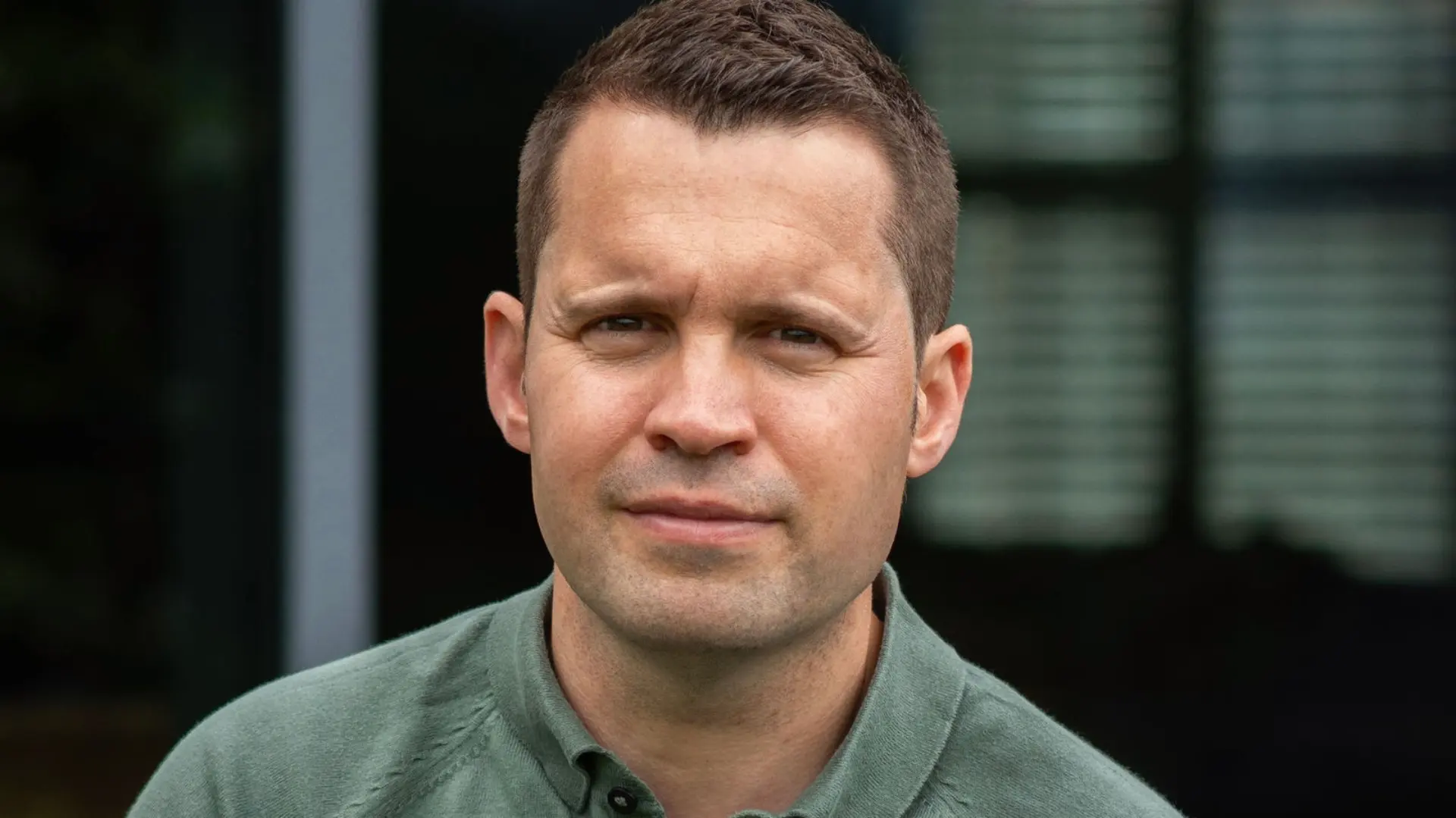
When I joined 56 Dean Street in 2020 to lead the psychosexual service, one thing was immediately clear: the numbers of gay and bisexual men struggling with drugs and sex (including chemsex), and out-of-control sexual behaviour, were rising, and the services available to them needed were struggling to keep up. Men were coming through the door having tried 12-step programmes, which work for many, but had not fit the lives these men were living. Others had been to individual therapy with clinicians who did not always understand the culture they were navigating. Often, they were accessing nothing at all because asking for help felt impossible.
We wanted to build something different. A group programme that started from the assumption that these men were not broken, that their behaviour made sense in the lives they were living. Within the team, we had been there ourselves. We knew first-hand how services can sometimes let down gay and bi men, and men who have sex with men, and we knew the often-unspoken relationship between sex, identity, wellbeing and particularly the loneliness and isolation that runs underneath. Our own research has consistently shown this is where the work has to start. We wanted everyone in the room to carry that knowledge from the start, not just for the men attending.
We developed a structured group programme, run fortnightly, for gay, bisexual, and other men who have sex with men whose relationship with sex had become distressing and difficult to control. Now in its fifth year, the group has worked with men whose difficulties span everything from drugs and sex (including chemsex) to compulsive use of apps, to sexual behaviours that continued despite serious consequences to health, relationships, work, and their wider life.
“Initially I was conflicted, I didn’t think I would fit in”
The group is open to anyone over 18, and the men who have come through have ranged from their early twenties to their mid-sixties, a reminder that this isn’t a young man’s problem, and that the shame that keeps people from seeking help can accumulate quietly across many, many years. We do not hold a predetermined idea of what recovery is supposed to look like. We recognise that abstinence does not work for many of the men who attend, so it is not a requirement of the group. We work with people where they actually are in their lives. There is no judgement and no shame.
The first session is always the hardest. Men arrive nervous, often certain they won’t fit in, certain that what they’re carrying is uniquely shameful. “Initially I was conflicted, I didn’t think I would fit in,” one participant wrote afterwards.
As facilitators, we feel some of that too. Building trust in a space like this is not something you can prepare entirely in advance. It must be created together, session by session, and in those early weeks there is a particular kind of attention required, a watchfulness for the moment the room begins to feel safe enough for connection to build.
“Knowing the personal stories of others made me realise I am not the only one experiencing difficulty in my sex life; that I wasn’t alone”
What tends to happen, usually within the first two or three sessions, is that the group starts to do something that no individual therapy session can quite replicate. Men begin to recognise themselves in each other. The isolation that shame creates (often the feeling of being uniquely, privately broken) starts to reduce. One participant reflected that, “knowing the personal stories of others made me realise I am not the only one experiencing difficulty in my sex life; that I wasn’t alone.”
Across every group we have run, men have independently described the same experience; for the first time, they did not feel alone with it.
The model we use is Compassion-Focused Therapy, an approach developed specifically for people carrying high levels of shame and being very critical and hard on themselves. Its premise is straightforward, even if living it is not: many of us grow up without learning how to look after ourselves when life feels hard, and sex can step into that gap. At first, it works. It gives real relief, the kind that gets remembered and reached for again. But over time the relief gets shorter, the behaviour often escalates to keep up, and what started as a way of coping becomes a source of pain in its own right.
For the men impacted, this is not about something broken in you. It is about growing up in a society where your sexuality, by itself, was always going to make certain things harder. Growing up with a sexuality that had to be hidden, from family, from friends and colleagues, sometimes from yourself, shapes your relationship to intimacy in ways that do not get addressed just by coming out.
“These sessions have shown me it is possible to face and to change patterns I thought would never change”
Sessions move through understanding what is actually happening, ways to emotionally and practically look after yourself when life feels hard, and increasingly open conversations about shame, loneliness, and the separation of sex and intimacy that many gay men navigate their whole lives without anyone ever naming it. When looking back on the work another participant commented, “these sessions have shown me it is possible to face and to change patterns I thought would never change”.
Crucially, we do not ask men to stop. We do not promote abstinence or tell anyone what healthy sexuality is supposed to look like. Instead, we ask a harder question: what is sex doing for you, and what would you actually prefer?
“I felt part of the group from the beginning and it was really good that the leaders were gay men too, it always felt like a supportive space”
By the later sessions, something has usually shifted. The nervousness of the early weeks has given way to something that looks, from where we sit, like genuine connection. Men who arrived unable to be honest with other gay men are showing each other compassion, challenging each other when they are being hard on themselves, bringing a warmth to the room that we certainly cannot fully take credit for. “I felt part of the group from the beginning,” one participant wrote, “and it was really good that the leaders were gay men too, it always felt like a supportive space.”
That explicit affirmation, a gay and bi-led group, where you don’t have to explain to strangers that you’re gay, that hookup apps exist, that the culture has its own particular shape, where the basics of these men’s lives are taken as a starting point rather than something to negotiate, matters more than we initially anticipated.
The results have been tremendously encouraging. The majority of those completing the programme have seen real reductions in the sexual behaviours that were causing them distress, behaviours that had felt impossible to change before they walked through the door. Men have left with less anxiety, less depression, and a more satisfying relationship with their own sex life. Almost nine in ten men (86%) completing the programme showed meaningful clinical improvement in their compulsive sexual behaviour. The full outcomes and findings are set out in two peer-reviewed papers we have published this year.
What we did not expect, and what we think is one of the most important findings, is that the programme reached men that services have historically failed to engage. The men routinely described as hard to reach engaged, and stayed. 84% of those who started the programme completed it.
“It really made a difference; it potentially saved a life and made a life”
And the men who came in using drugs and sex (including chemsex) saw improvements at the same rate as those who were not. That finding challenges a long-held assumption that this group is somehow harder to help.
But the outcome I come back to most is in a feedback form, written at the end of his sessions:
“It really made a difference; it potentially saved a life and made a life.”
That is what this programme is for. Not to fix sexual expression or to suggest it was broken. But to offer something that, for too many men in our community, has been missing for most of their lives; a room full of people who understand, and enough safety to finally start being honest about what we want for our sex lives.
RECLAIM is available through the psychosexual service at 56 Dean Street. For more information visit 56deanstreet.nhs.uk.
Dr Michael Yates is a Senior Clinical Psychologist, EFS-ESSM Certified Psychosexologist and COSRT-registered Sex and Relationship Therapist. He is Lead Clinician and Psychology Service Lead at 56 Dean Street, part of Chelsea and Westminster NHS Foundation Trust. His research on compassion-focused group interventions has been published this year in two peer-reviewed papers in the Sexual and Relationship Therapy journal.