Ex-royal insider turned ‘Mr Bubbles’: How Martin Dibben went from Buckingham Palace to champagne king
Dibben reflects on his extraordinary path, his love of fizz and his commitment to creating welcoming, celebratory spaces for all
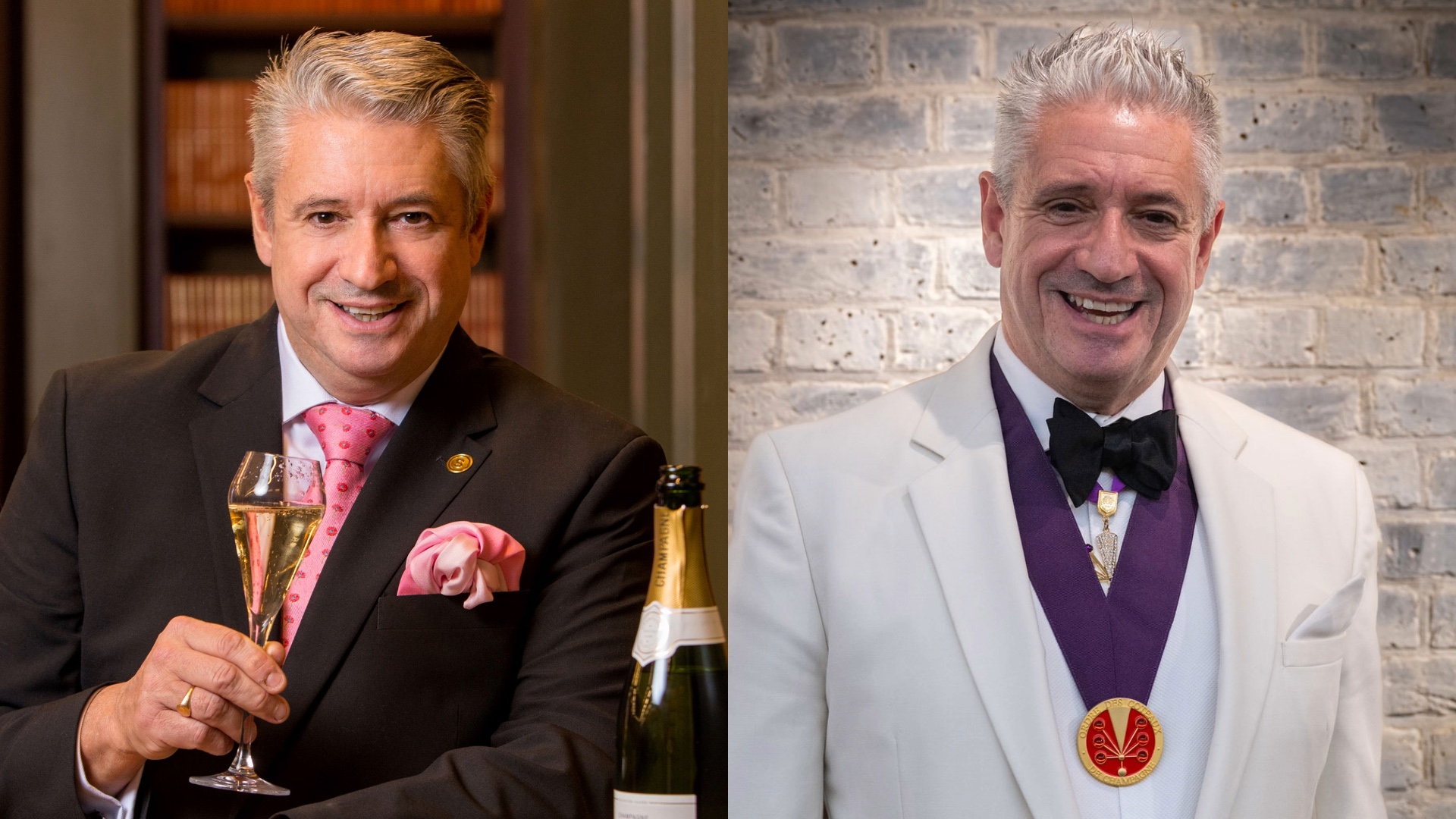
From Buckingham Palace to reaching the heights of London’s hospitality scene, Martin Dibben’s career has exuded sparkle. After starting his professional life in the Royal Household, he went on to shape dining alongside industry icons, run his own acclaimed restaurant, and champion nutrition for people living with HIV. Today, as head of champagne and drinks at Searcys, and affectionately known as “Mr Bubbles”, he brings theatrical flair, deep expertise and a passion for storytelling to every glass poured. Here, he reflects on his extraordinary path, his love of fizz and his commitment to creating welcoming, celebratory spaces for all.
Your first job after university was very prestigious. Can you tell us how you ended up in the Royal Household?
In 1986, the palace decided they were going to get a food and beverage computer system. A computer was something which the staff hadn’t come across and it’s bizarre to think of it in these modern days, but it literally took up a whole room. So, they came to the University of Surrey because we were starting to be taught about computer systems and spreadsheets and all these sorts of things. We became a key commodity, and I was the second person to go from the university to the palace.
What was it like working there?
It was a wonderful job. I did administration for the food department — from food ordering to menus and assisting in state events. In London, my office was Buckingham Palace, but I did travel with the family, whether it be to Balmoral or Windsor. I even had two wonderful experiences on the Royal Yacht. I remember when the Pope came. And when Ronald Reagan arrived to meet Her Majesty, you could see the Queen was almost excited, or even nervous to meet a film star like him.
Did you have any interactions with her?
At the smaller houses or castles, it was more informal — you might bump into them on the estate. And I had a wonderful situation at the Ghillies’ Ball — where the ladies dance in the middle and the men dance on the outside and it’s a bit like a roulette wheel — two years on the trot I danced with the Queen. What conversation do you start with? I did the safest of subjects and that was horses.
Why did you leave the Royal Household after three years?
It’s a diary that was the same again year after year to a certain extent. It was my first job, and I realised that I had to start getting some commercial experience rather than just following one person’s style of cuisine. So, I went from one powerful woman, the Queen, to go and work for [The Great British Bake Off’s] Prue Leith, which I did for nine wonderful years. She was famous then for the sandwich on British Rail because she’d gone in with Sir Peter Parker and shaken up the whole system and tried to get some decent food on the plate.
You created Dibbens restaurant in 1999. What lessons did you take away from owning a restaurant in the City in the early 2000s?
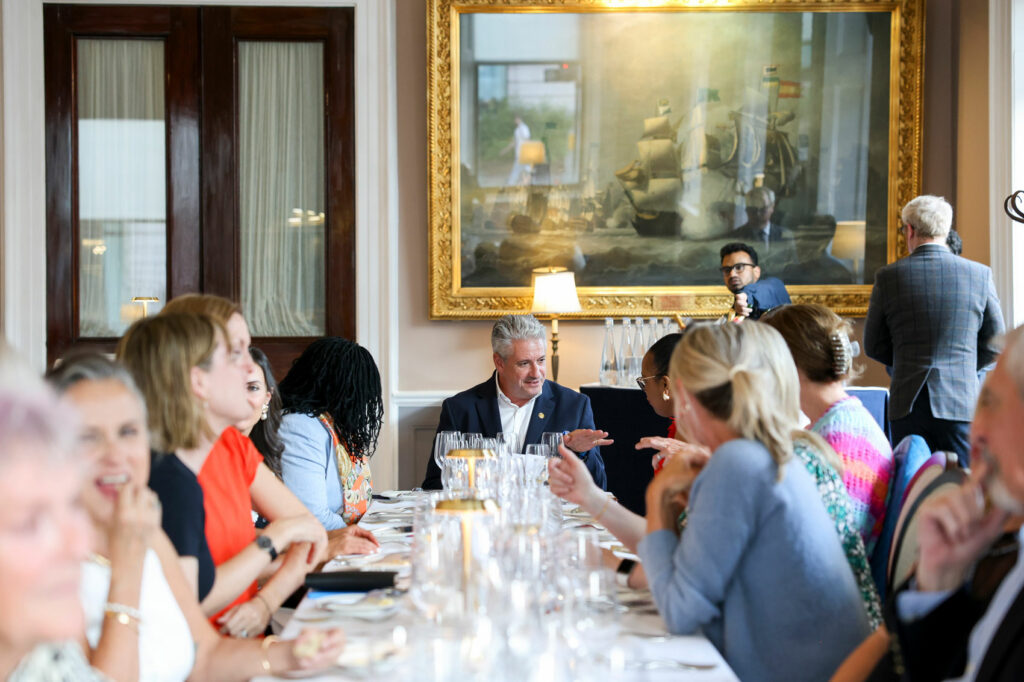
If you can run a small organisation like a restaurant, and it’s yours, you are doing everything. You’re looking at the cash control, product development, marketing, working with teams, developing your staff — all these things. If you can do that in a small operation, and mine turned over half a million a year, suddenly if you get bigger you fully understand all the operations and how things interact. It slightly put me on the map in that suddenly you’re a restaurateur and people have great respect for you.
It was during this time I also started realising the importance of food. At that point, we had a lot of issues [in the community, including] HIV. I became the chairman of The Food Chain, [the UK’s only HIV specialist nutrition charity], which was very significant because obviously food was so key to the drug regime. That was a big part of my life during that time.
You are now head of champagne and drinks for Searcys. Tell me about Searcys’ offering.
We have a variety of restaurants, retail outlets and bars. That’s everything from the Pump Room down in Bath, the Champagne Bar at Battersea Power Station, 116 Pall Mall Brasserie and Champagne Bar and, of course, we have St Pancras Bar & Brasserie. We’ve got a restaurant at National Portrait Gallery, we’ve got Vintners’ Hall, Gray’s Inn, so [we’re located at] all these great British institutions which have their own heritage. And then, on top of that, Searcys provides a lot of venues for events such as [for] the Royal College of Surgeons.
Tell me about the brand heritage and how that’s created a unique offering in London?
The wonderful thing is that Searcys has longevity. Our history goes back to 1847, and right back to 1889, [when] we had our first Searcys Cuvée. Champagne has been a pillar of Searcys. Then, right through the early 20th century, we’ve got menus recording the wonderful champagnes that were served at the events that we did right up through to modern times. And now we have our own champagnes: we went out fairly recently in 2022 and said we want to re-engage and have our own brand with Searcys on it, so now we have our own rosé and non-vintage [wines].
How many bottles of champagne do you sell a year?
We sell roughly 55,000 bottles of champagne. We’re also focusing on English sparkling wine — we’re [selling] about 12,000 bottles at the moment, so quite a lot of bubbles. The largest number of champagnes offered is actually at St Pancras. We do about 250 different types of bottles.
Where did your passion for bubbles stem from?
The Champagne Academy — which is made up of the 16 Grande Marques, the big houses of Champagne[, France] — invites 16 people to come from their most important market, Great Britain, to study for a week in the region, understanding the complete process of making champagne, selling champagne, the viticulture, and then you’ve got tastings and an exam at the end. I went in 2000, and it was [about] seeing how complex and interesting the wine of Champagne is, and how the history is so rich.
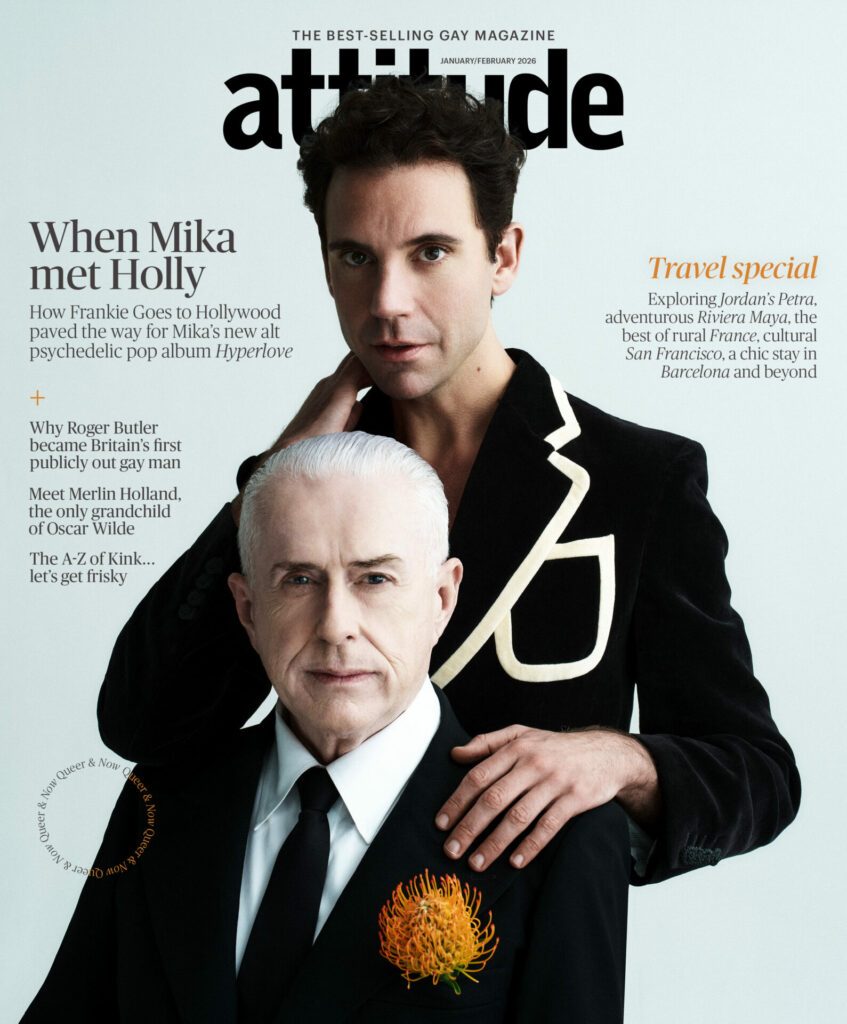
This is an excerpt from a feature appearing in Attitude’s January/February 2026 issue.
Get more from Attitude