
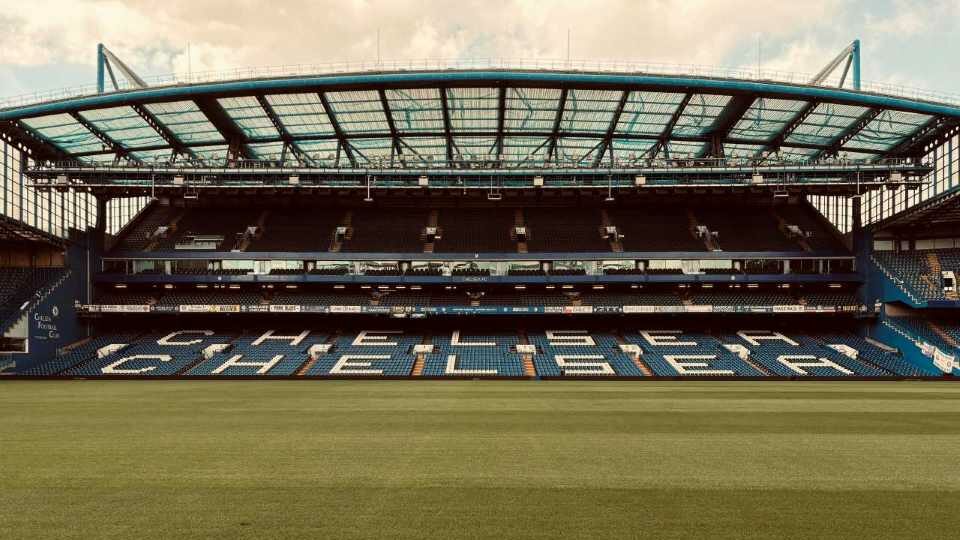
Football stadiums have historically been complex environments for LGBTQ+ supporters, often dominated by a narrow vision of masculinity that left many feeling alienated. Yet the modern matchday experience is shifting. In West London, Stamford Bridge serves as a clear example of this transition. Home to Chelsea FC, the ground draws thousands of international visitors every week. With the rise of dedicated queer supporter networks, navigating the turnstiles and finding a place in the stands is becoming more accessible than ever.
Securing Your Place in the Stands
Obtaining entry to major London stadiums once involved navigating convoluted membership tiers and entering oversubscribed ticket ballots. Today, digital travel platforms cater specifically to international visitors by aggregating access to sports, theatre, and cultural events. Consolidating event access with broader travel itineraries takes the guesswork out of matchday logistics. Chelsea’s supporter groups have pushed hard for inclusion at the ground, and match seats at Stamford Bridge are easier to sort than they once were. Having entry confirmed in advance allows you to build out the rest of a travel itinerary without the stress of last-minute delays.
Confronting Discrimination and Building Community
The push for equality inside football grounds remains an ongoing effort. While institutional campaigns raise awareness, grassroots experiences highlight the scale of the challenge, as a significant portion of LGBTQ+ attendees still face prejudice. According to Stonewall, one in five LGBTQ+ people who attended a live sporting event in the last year felt discriminated against because of their identity.
Offensive language was long dismissed as harmless banter, leaving many feeling unwelcome in spaces built on shared passion. However, visible allyship and the response from within the sport have grown stronger. Activists and supporter trusts now ensure incidents of abuse are addressed directly. In recent seasons, clubs have publicly condemned discriminatory chanting, sending a clear message that abusive behaviour will not be tolerated. This institutional backing provides a vital foundation, but the true driving force for change comes from the fans themselves. Supporter groups, including Chelsea Pride, have established a firm presence at the stadium by organising meetups and offering a reliable network for queer fans attending their first match.
Understanding the Stadium Layout
Stamford Bridge is compact for a major European venue, holding just over 40,000 spectators. This scale positions fans close to the pitch, amplifying the noise and creating an intense environment. The stadium is divided into four distinct sections. The Matthew Harding Stand holds just under 11,000 fans and is traditionally home to the most vocal local supporters. Sitting here guarantees a loud afternoon, though the focus is often on the atmosphere rather than a perfect tactical view.
The West and East Stands run along the lengths of the pitch, offering a more panoramic perspective. The East Stand provides excellent sightlines for visitors wanting to absorb the technical details of a Premier League clash. Opposite the Matthew Harding Stand, the Shed End houses both home and away supporters. The proximity between rival fanbases here creates the lively dialogue that is central to English football culture.
Making Football Part of a London Itinerary
London’s dynamic LGBTQ+ scene allows visitors to easily integrate a trip to West London with broader cultural experiences. The area surrounding the stadium connects to the rest of the city via the Underground network, making it simple to transition from daytime football to evening nightlife. Many fans start their day in central neighbourhoods like Soho or Covent Garden before a quick tube ride on the District line drops them directly into Fulham.
After the final whistle, fans might head south to the late-night venues of Vauxhall or opt for a quieter evening exploring the arts and dining scene in East London. Visitors often combine their sporting trips with guided queer history tours. These walks offer insights into the activists and everyday people who shaped the LGBTQ+ rights movement in the United Kingdom. The progress seen on the terraces today is a direct result of decades of advocacy across the city.