
Sir Ian McKellen reveals Star Wars actor criticised his campaign for LGBTQ+ rights as ‘unseemly’
The Lord of the Rings star reflected on a lunch invite with an ulterior motive from the actor in a new interview
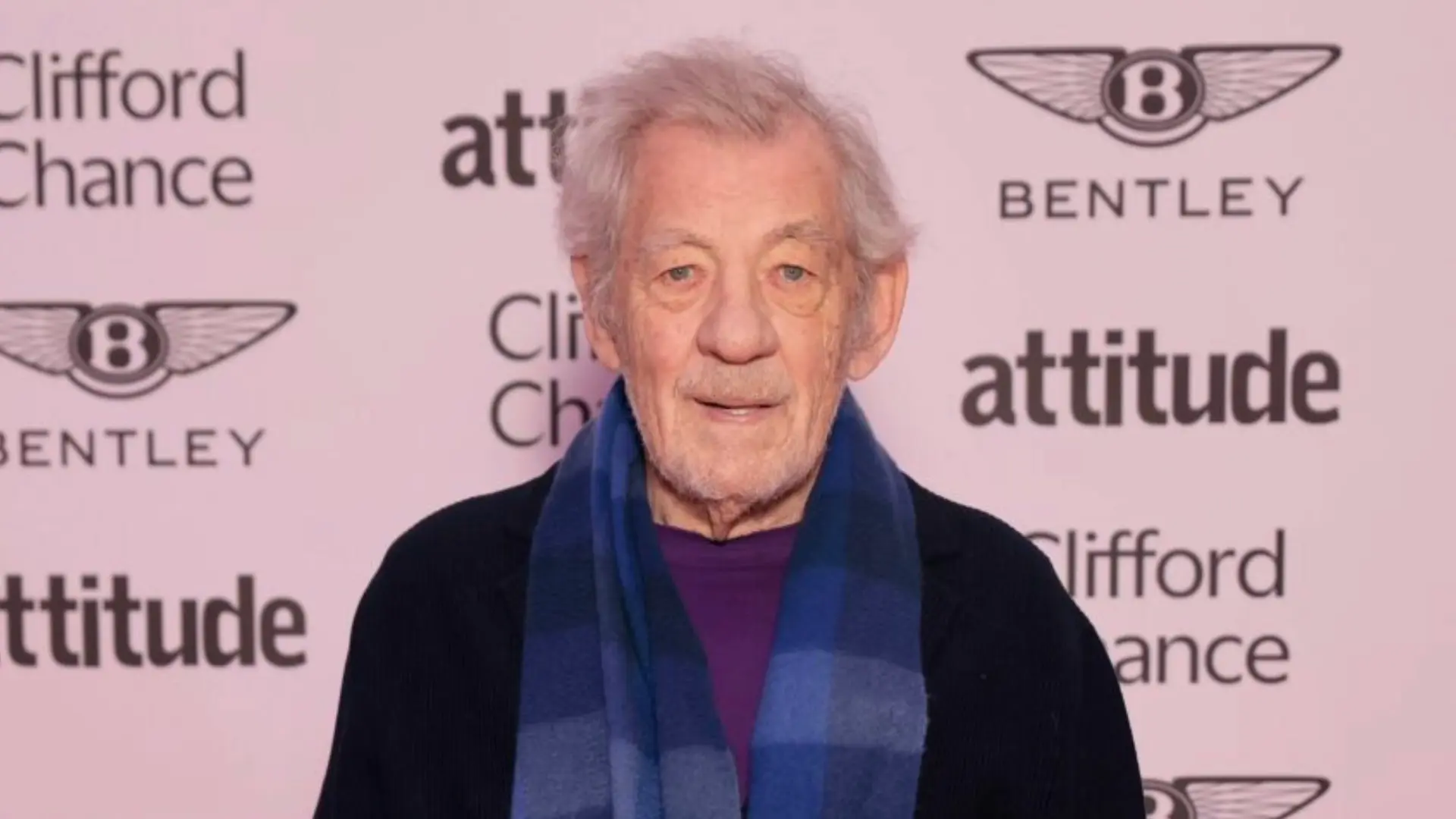
Sir Ian McKellen has revealed he was urged to stop campaigning for LGBTQ+ rights by Sir Alec Guinness – calling it the “worst advice” he has ever received.
The Lord of the Rings star reflected on a lunch invite with an ulterior motive from the Star Wars actor in a new interview.
As a vocal advocate for LGBTQ+ rights and a founding member of Stonewall, McKellen pushed back against Section 28, a ban on promoting homosexuality, by publicly coming out as gay during a BBC Radio 3 interview in 1988.
What did Sir Alec Guinness say to Sir Ian McKellen?
The now 86-year-old reflected back on the culture at the time and a particularly awkward lunch date with the Obi-Wan Kenobi actor where he was “pleaded” to stop taking part in LGBTQ+ activism.
“He took me for an Italian lunch in Pimlico where we chatted about this and that until he brought up the real reason for his invitation,” McKellen told the Guardian.
“He had heard about my work to establish Stonewall – a lobby group to present to the government, and the world at large, the case for treating UK lesbians and gays equally under the law with the rest of the population.”
McKellen continued: “He thought it somewhat unseemly for an actor to dabble in public or political affairs and advised me, sort of pleaded with me, to withdraw.”
Why did Alec Guinness oppose McKellen’s LGBTQ+ activism?
Despite receiving this advice, McKellen has doubled down on his efforts, deeming the advice that Alec had given him as “from an older generation.”
After Guinness’s passing in 2000, three biographies made claims that he hid a ‘homosexual side’ from the public, including one that he was arrested, charged and fined for a ‘homosexual act’ in a public bathroom.
Author Sheridan Morley alleged that he used the pseudonym Herbert Pocket, a role he was then playing in an on-stage adaptation of Great Expectations, to bury the secret.
She believed that if the conviction would have come out “it would have traumatised him”.