
Injectable HIV treatment will be made available on NHS in England
NHS England estimates that around 300 people could receive the treatment within three years
By Aaron Sugg
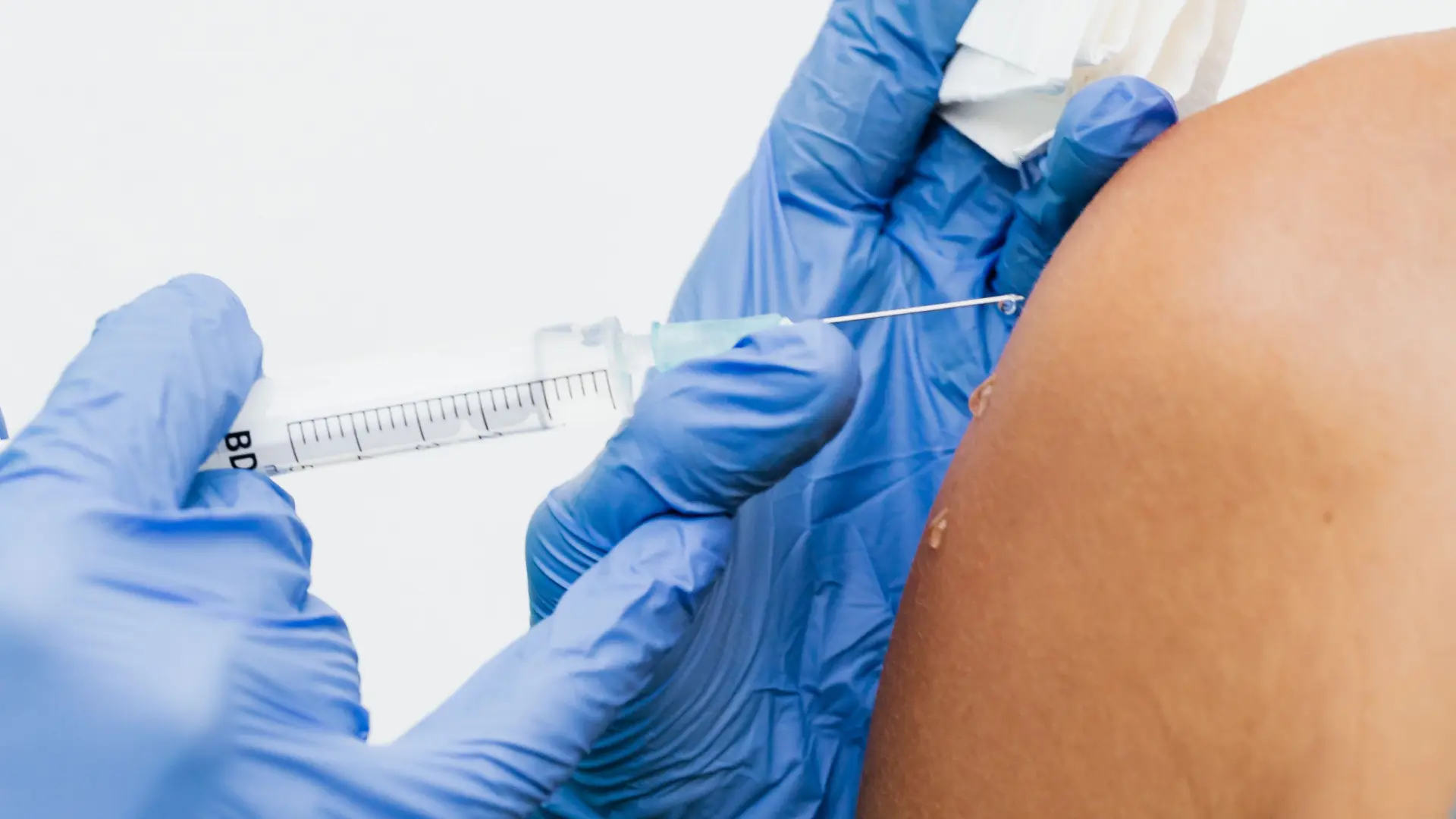
Lenacapavir, an injectable HIV treatment, will be made available on the NHS in England following a recommendation from the Clinical Priorities Advisory Group.
The NHS made the announcement yesterday (18 August), describing lenacapavir as a “trailblazing” drug to reduce the risk of serious illness and prevent passing the virus on to others.
The treatment is aimed at a small number of people whose HIV has become resistant to existing antiviral medicines, such as Antiretroviral Therapy (ART), and who have limited treatment options.
How does it work?
According to Terrence Higgins Trust: “Patients initially take a tablet for two days, then have a follow-up tablet on day 8, after which they will have two injections on day 15, before switching to a bi-annual injection.”
John Stewart, National Director for Specialised Commissioning at NHS England, said: “This trailblazing drug will offer a lifeline to people living with HIV for whom conventional treatments have not worked and options are currently limited – giving them the opportunity to live a normal, healthy and long life.”
“It’s fantastic news that this treatment will offer fresh hope to hundreds of patients going forward and help transform HIV into a manageable condition for them,” Stewart continued.
NHS England estimates 300 people are eligible for the treatment
NHS England estimates that around 300 people could receive the treatment within three years, with eligible patients already being contacted.
Daniel Fluskey, Director of Policy at the National AIDS Trust, said: “This is a huge decision for people who need life-saving treatment and takes us a step closer to ensuring that no one dies from AIDS-related illnesses here in the UK.”
He added: “Over years, too many people have lost loved ones, family, and friends because of a lack of access to medicine and the harm caused by stigma, prejudice, and discrimination – so when a new life-saving treatment is available, it must get to the people who need it.”
Eliminating HIV transmission
The announcement forms part of the NHS’s wider goal of eliminating HIV transmission in England by 2030.
Other measures in that strategy include opt-out HIV testing in A&E departments, free home-testing kits available through the NHS App, and efforts to reconnect people with HIV care and treatment.
According to the UK Health Security Agency, an estimated 111,800 people are living with HIV in the UK, 5,200 of whom are expected to be undiagnosed.
Richard Angell OBE, Chief Executive of Terrence Higgins Trust, welcomed the new injectable HIV treatment, though celebrated the existing treatments available to those affected by the virus.
“For the small number of people for whom a daily pill does not work – most likely those who took earlier HIV medication or acquired HIV at birth – the option of injectable treatment presents them with hope,” he said.