
UK Black Pride co-founder Lady Phyll: ‘Why LGBTQ+ inclusion at work cannot survive as branding’
UK Black Pride CEO Lady Phyll addresses diversity, equality and inclusion in the workplace, and what true inclusion really looks like
By Lady Phyll
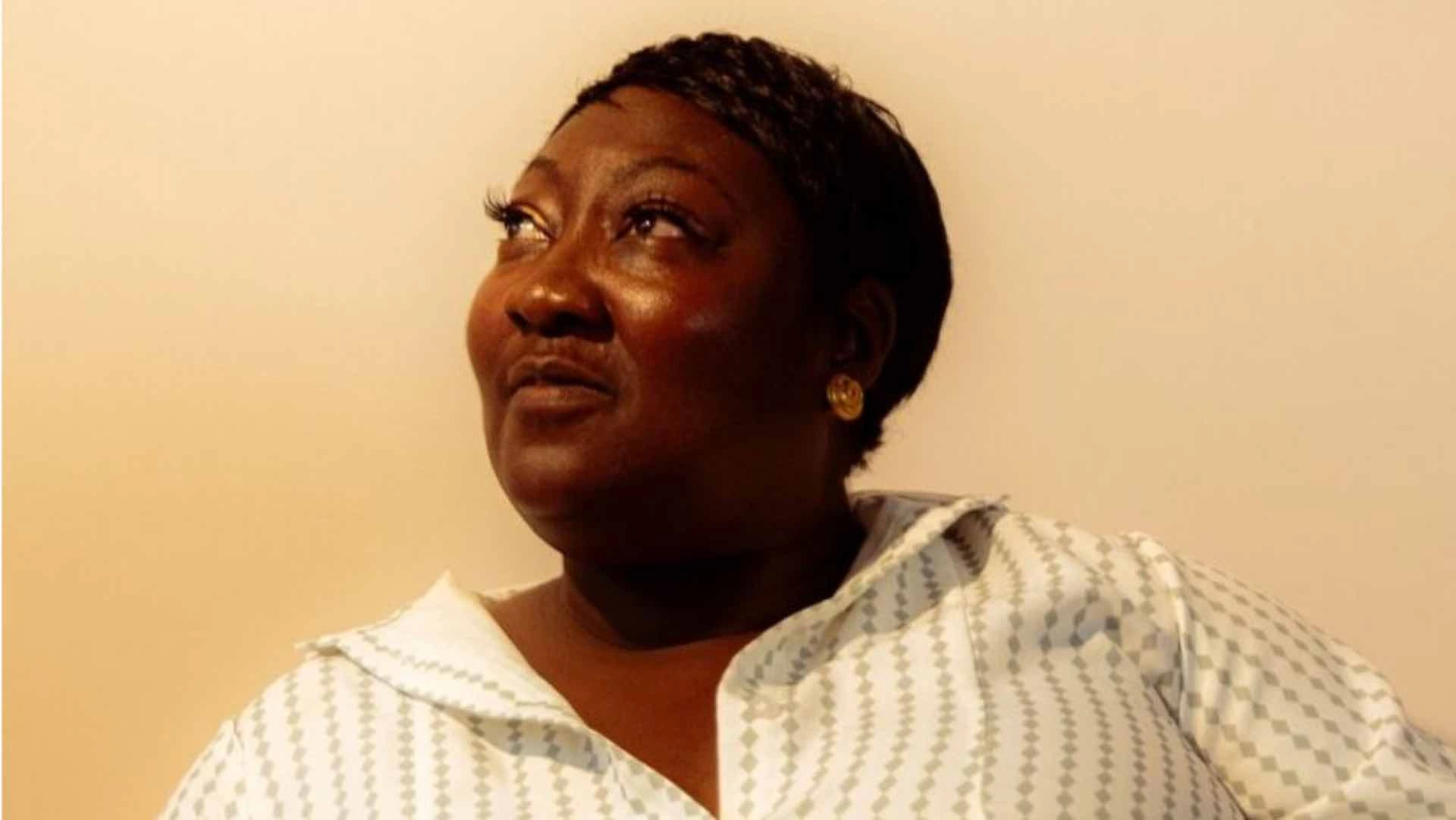
One of the biggest challenges businesses face is moving beyond surface-level commitments. It is easy to put out statements about DEI, diversity, equality or inclusion, hire a consultant, run one-off training sessions, or celebrate diversity in a marketing campaign. But it has to go much deeper than that.
It has to be about shifting power, redistributing resources, and embedding equity into every aspect of the business. For me, true inclusion starts when we begin listening – and I mean really listening – to people who are marginalised, vulnerable, discriminated against, or victimised. It requires brave leadership, and it requires leaders to take action even when it feels uncomfortable.
“Discrimination is not singular”
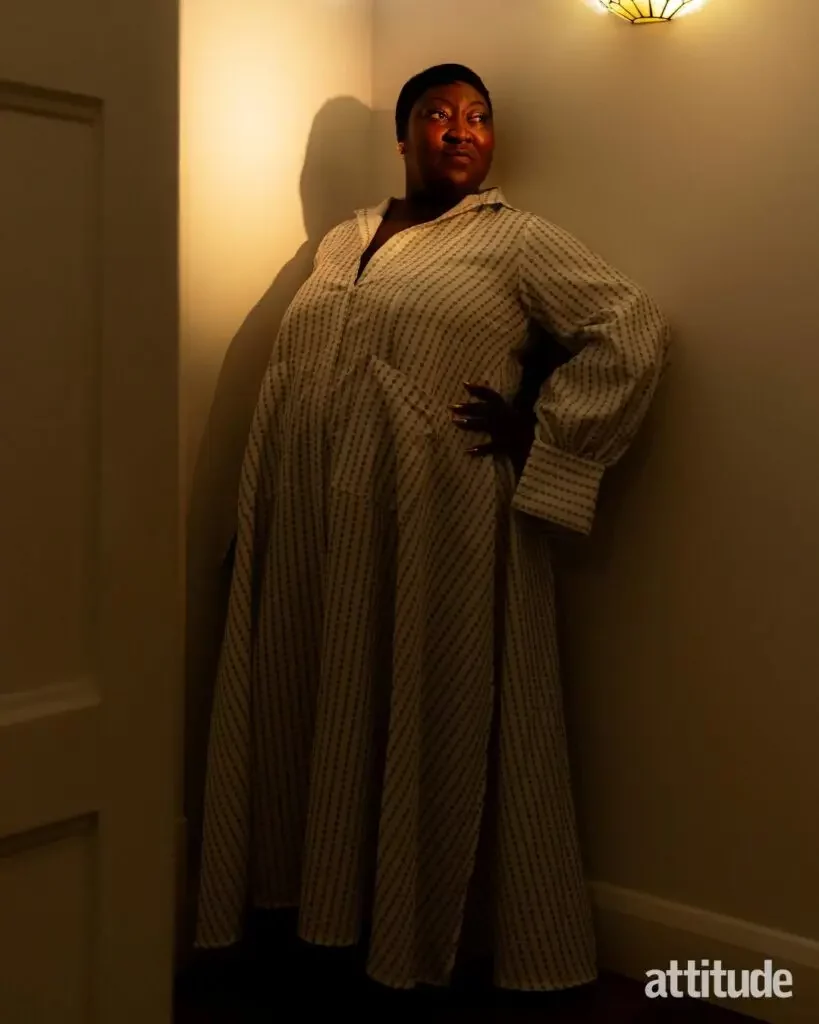
As an LGBT+ speaker, I think it is important to be clear that intersectionality is not a buzzword or a synonym for diversity. It really is a necessity. It is about understanding the compounding forms of oppression that shape people’s experiences of discrimination. Discrimination is not singular. As a Black queer woman in the workplace, my experiences will be different to those of a gay man. A disabled trans employee’s experience will be very different to that of a working-class migrant who is also a person of faith.
That is why leaders have to recognise that a one-size-fits-all policy approach does not work. It requires investment. It requires culture change. It requires looking at what true inclusion actually means by creating sponsorship and mentorship programmes that bolster, foster and uplift those who are underrepresented in the workplace. It also requires building cultures where people feel safe enough to speak up about their experiences without fear of retaliation or harm. That is how people feel valued and respected, and that is how you retain great talent.
“Those resisting DEI are often doing so to protect boundaries. But when businesses pull back, things start to fall apart”
When we talk about creating safe environments for LGBTQ+ employees, we have to start by recognising that LGBTQ+ people are not a monolith. People may also be Black, people of colour, young, older, disabled, religious, or from other marginalised backgrounds. Those intersections matter when we talk about safety.
A lot of businesses are now talking about psychological safety in the workplace, but safety goes beyond policy. Culture matters. Networks can be helpful, but if queer employees do not feel protected from discrimination or even microaggressions, then it all feels performative.
This has to be about creating safety and embedding inclusivity into company policy, but also about accountability. When discrimination happens, it has to be addressed swiftly. I prefer to move away from the language of zero tolerance and instead talk about full acceptance against all forms of discrimination. It means addressing issues from the outset and making sure no LGBTQ+ employee has to shrink themselves to fit into a workplace. People should be able to show up as their full professional selves without fear of being penalised.
“I think the focus has become too much about defending the acronym”
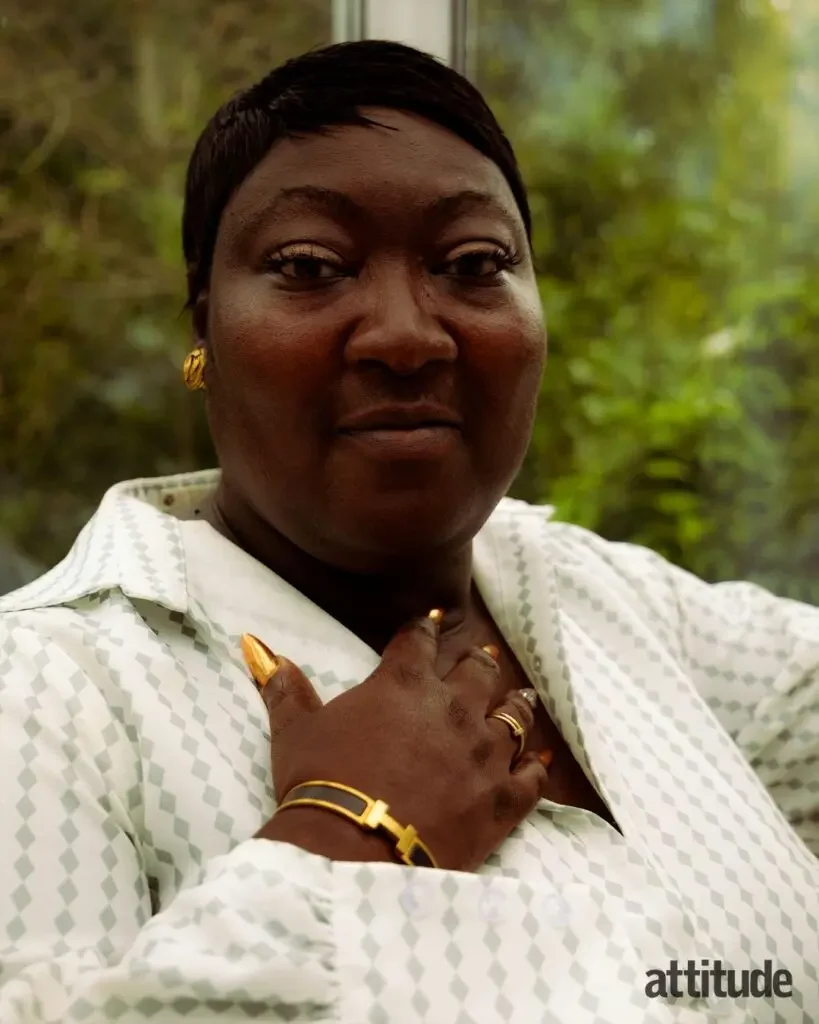
When it comes to the backlash against DEI, I am torn, because I have seen many businesses pull back from their commitments. But I think the focus has become too much about defending the acronym. It is not about defending the acronym. It is about defending the work.
When we push back on inclusion, we risk undoing the progress that has been made. The truth is that diversity, equity, equality and inclusion benefit everyone. Companies that put inclusion at the heart of what they do perform better. They attract top talent. They create workplaces that feel innovative. It is not just about surviving. It is about thriving.
Those resisting the DEI agenda are often doing so to protect boundaries. But when businesses pull back, things start to fall apart. Leaders, in particular, have the power and influence to change things. My view is simple: keep the pressure on and reaffirm your commitment to diversity, equity and inclusion.
In the end, leaders should think carefully about what side of history, her story, or their story they want to be on.
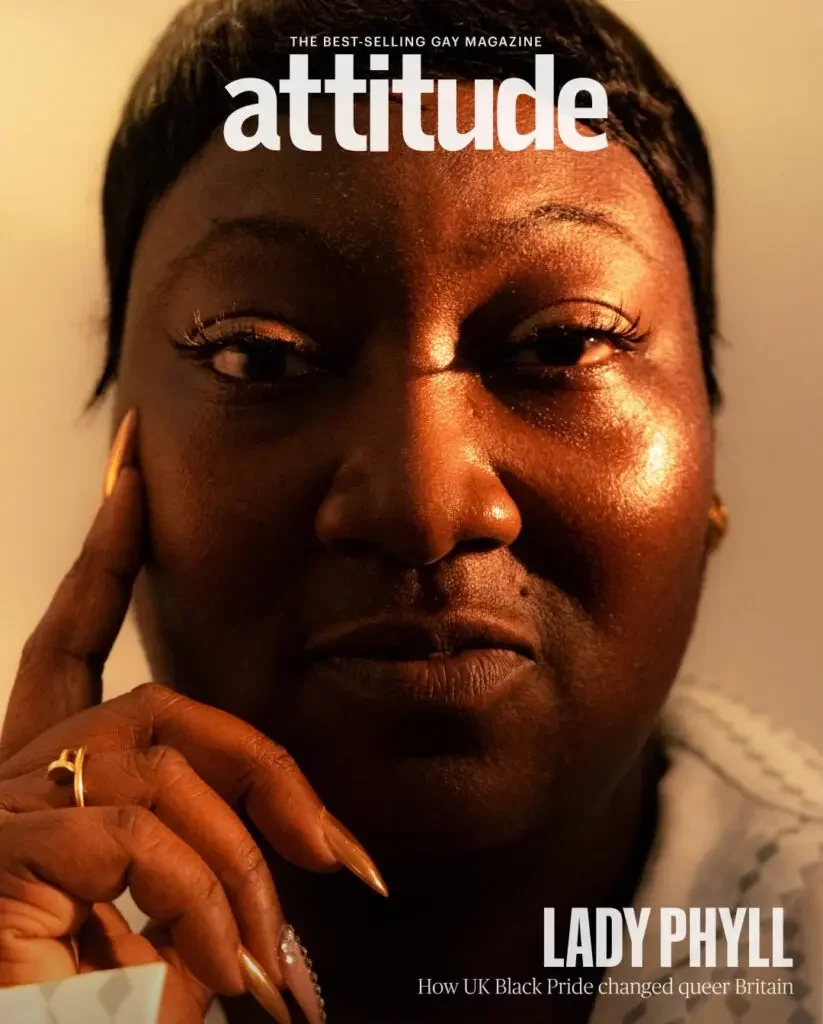
Lady Phyll is an LGBT+ speaker represented by LGBT+ Speakers Agency. She co-founded UK Black Pride in 2005 and has continued to be an outspoken advocate for marginalised voices. Phyll celebrated the 20th anniversary of UK Black Pride in her exclusive Attitude digital cover interview.