Youth MP Tom Clifton: BBC’s I Kissed a Boy axing is a step backwards for queer visibility
"Representations cannot be treated as a trend that appears briefly before being quietly removed," Clifton writes for Attitude
By Tom Clifton
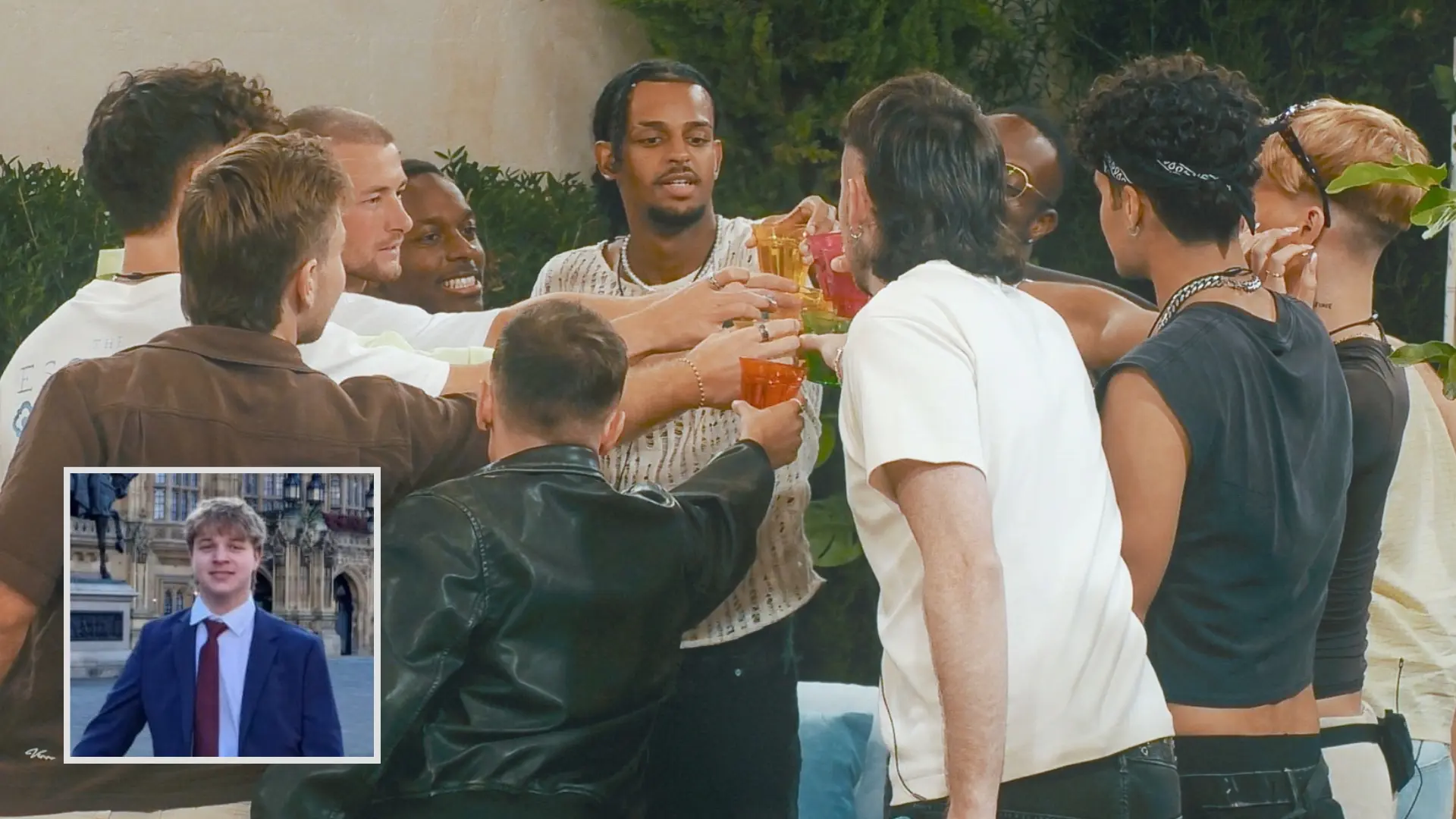
The cancellation of I Kissed a Boy and I Kissed a Girl is more than a programming decision – it’s a step backwards for queer visibility across British television.
When I Kissed a Boy first aired on the BBC, it broke the silence. The UK’s first ever queer dating show was out there for all the world to see, and, with the backing of one of Britain’s biggest broadcasters, it hit mainstream television with a bang. Followed by its sister show, I Kissed a Girl, these shows started much needed conversations within communities across the UK. With topics ranging from HIV awareness to what it’s like being queer in today’s society, these shows gave many young people the courage to talk about who they are – and who they love.
As an elected member of the UK Youth Parliament, I have seen the impact that these programs have had on young people navigating who they are in a society that does not always reflect them. Shows like I Kissed a Boy and I Kissed a Girl have played a role in a wider cultural shift, offering visibility, normalising queer relationships, and creating space for conversations that otherwise might not happen. In communities like my constituency of Dorset, where LGBTQ+ visibility can still feel like a distant horizon, that kind of representation is not just meaningful – it is essential.
“When representation is already limited, decisions like this carry a greater weight”
The impacts of this mainstream attention goes beyond simply raising awareness – it has real and measurable impacts on the lives of LGBTQ+ young people, allowing them to not just be seen, but to be heard. Research from Stonewall estimates that nearly half of LGBTQ+ young people in the UK experience bullying at school, with many also reporting feelings of isolation and a lack of support. These experiences can have lasting consequences, often shaping confidence, identity, and wellbeing into adulthood. This goes to show that the value of broadcasting queer love on mainstream television is not trivial. It is affirming, relatable, and for some, even life changing to see a reflection of who they are – a “summer of love” on national television, shared with a group of people just like them.
Against that backdrop, the decision by the BBC to cancel I Kissed a Boy and I Kissed a Girl feels particularly short-sighted. As a public service broadcaster, the BBC is guided by a mission to “inform, educate and entertain” – a remit that goes beyond simple viewing figures and speaks to its responsibility to reflect the full diversity of the UK. I Kissed a Boy and I Kissed a Girl did exactly that, by opening conversations, increasing understanding, and bringing underrepresented stories into the mainstream.
When representation is already limited, decisions like this carry a greater weight. Removing one of the mainstream platforms for queer relationships risks reinforcing the idea that these stories are still seen as expendable, rather than essential to modern British television.
In my role as an elected member of the UK Youth Parliament, I can already see the consequences of these decisions reflected in the conversations I have with young people. Time and again, issues of belonging, identity, and visibility come to the forefront – particularly for LGBTQ+ youth who are still finding their place in a society that doesn’t always make space for them. In this context, the role of the BBC should not be to follow trends or chase ratings, but to lead – to reflect the realities of modern British television and ensure that all audiences can see themselves represented on screen.
“For the BBC, this is an opportunity to reflect on what public service broadcasting means in 2026”
When programmes like I Kissed a Boy and I Kissed a Girl are axed, it is not just a gap in scheduling: it is a loss of visibility at a time when it is still urgently needed. Decisions like this risk undermining the success the BBC made when they decided to air the two shows and the very principles the BBC is built upon, particularly in its commitment to represent those from all walks of life. For young people in particular, that representation is not optional – it is part of how they understand themselves, their relationships, and their place in the world.
Representations cannot be treated as a trend that appears briefly before being quietly removed: it must be sustained, developed, and taken seriously. For the BBC, this is an opportunity to reflect on what public service broadcasting means in 2026. If its role is to inform, to educate, and to entertain, then that must include telling stories that reflect the full diversity of modern Britain – not just when it’s easy or convenient, but when it matters most.
Through listening to and representing many young peoples voices in my role as a Member of the UK Youth Parliament, I know that what young people are asking for is to be seen, to be heard, and to be represented. The question now is whether the institutions that shape our national conversations are prepared to listen and step up. Because when representation disappears from our screens, it does not just leave a gap in television programming – it leaves a gap in how a generation sees itself.
Tom Clifton is the Member of Youth Parliament (MYP) for Dorset, elected in 2024 by over 9,000 students. Representing the county’s 11-to-18-year-olds, his legislative focus includes sexual violence support services, period dignity, and lowering the national voting age to 16.
Get more Attitude