
Gay Godfather of Spanish cuisine José Pizarro on his journey from Talaván to the King’s honours (EXCLUSIVE)
Award-winning Spanish chef, restaurateur and author Pizarro opens up to Attitude about 25 years in hospitality, conquering highs, lows and love
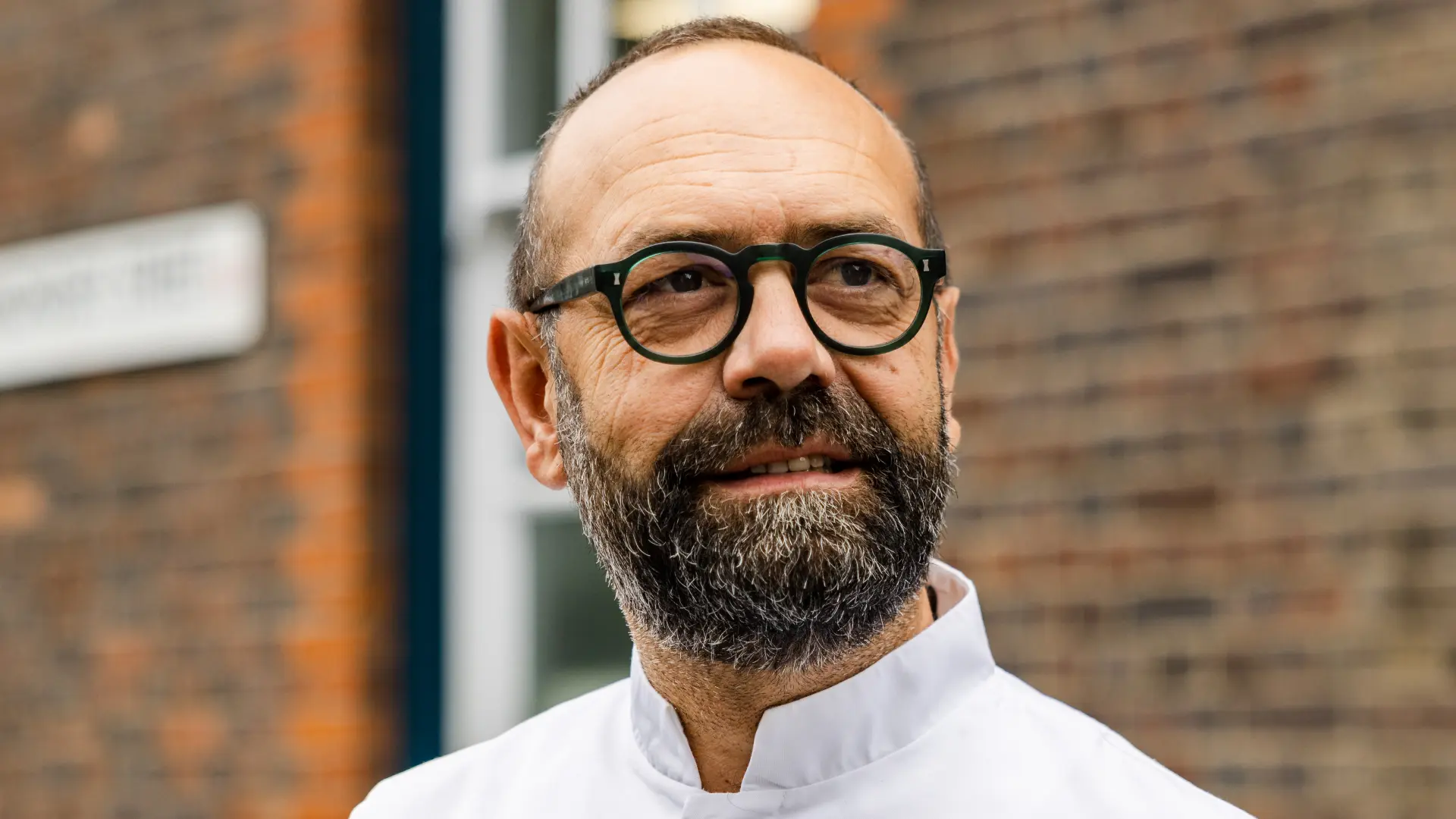
“Pizarrolicious.” That was the word I coined in a WhatsApp reply to José Pizarro after he asked a simple question: “How was dinner?”
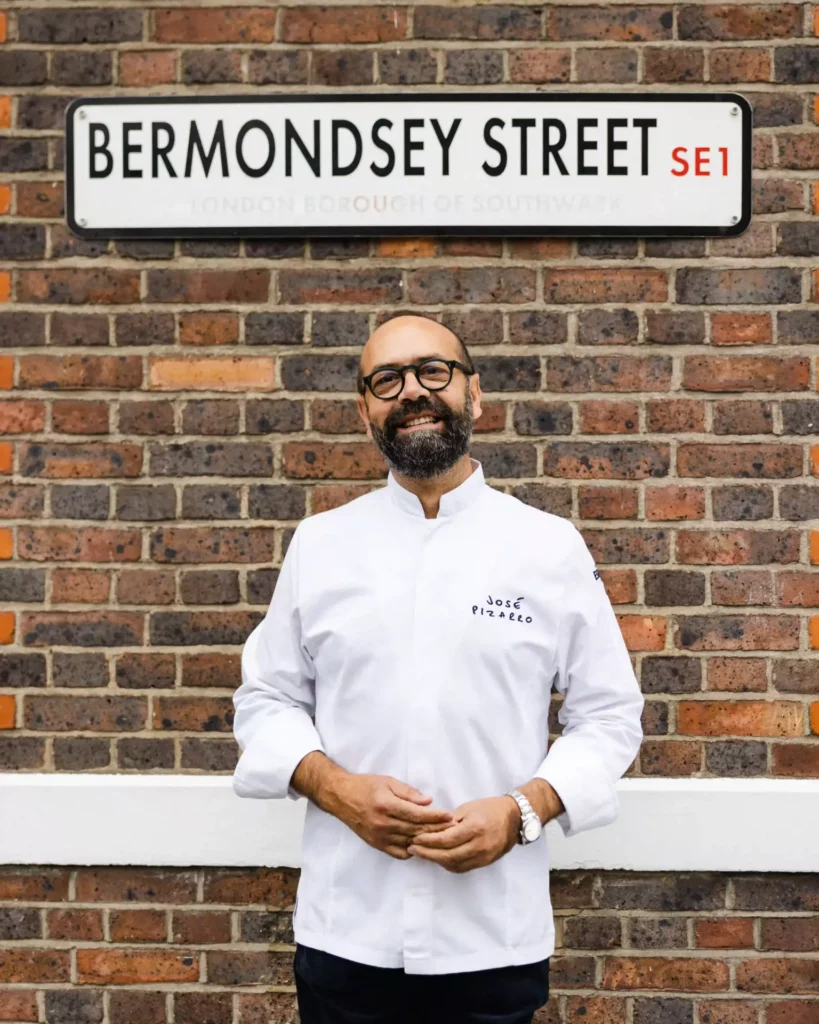
Last night at Pizarro on Bermondsey Street, Attitude had indulged in Iberian ham croquetas, pa amb tomàquet, fresh white anchovies and beautifully prepared pork loin, all washed down with fragrant, tantalising orange wine. From the kitchen counter, we watched handsome chefs prepare meat with meticulous precision, smiling as they worked and occasionally merging into our conversation. The front-of-house team was beautiful, warm and alive with a signature Pizarro buen rollazo – neither artificial nor manufactured in pursuit of a generous tip. Not that we’re cheap or anything.
But “Pizarrolicious” isn’t just about the food. There’s already a word for the food, it’s delicious. It’s about the brand world created by the man often called the “godfather” of Spanish cuisine in Britain. Pizarro believes it’s all there in the words: hospitality is hospital; a restaurant is a place for restoration. And my God, do we need some respite in 2026, before AI decides to end all humanity. Probably starting with the gays.
Pizarro arrived in London in 1998 to broaden his culinary education. The boy from the tiny Extremaduran village of Talaván ended up staying because, quite simply, we got under his skin. Today, he proudly holds both British and Spanish citizenship. And he cried when Brexit happened. He couldn’t have known all those years ago that he’d spend almost three decades getting Britain to take Spanish food seriously. Not a Spain reduced to paella and sangria – no doubt Pizarro’s versions of both are world-class – but the country he knows: regional, generous, produce-led and serious about food and the ritual of eating.
“I think part of my brain is my gut,” he told Attitude aboard Britannia, on the Copenhagen-to-Southampton final leg of P&O Cruises’ 14-night Northern Europe and Scandinavia sailing, where he was appearing as a Food Hero.
That single sentence offers a clear passage into the man behind the José Pizarro brand.
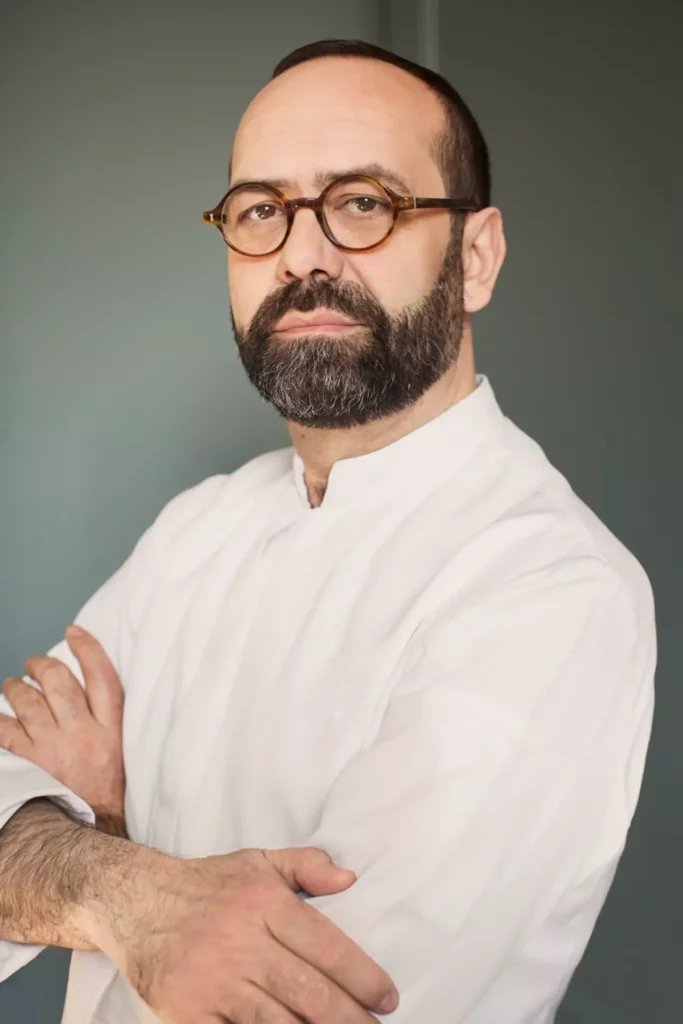
Attitude: You’ve had so many forks in the road. Dentistry nearly happened, hospitality intervened, and Madrid eventually led to London. When you look backwards, does becoming José Pizarro feel like destiny or some extraordinary accident?
José Pizarro: I think it has to be destiny. But there is an accident there as well. I am a person who loves people. Something intervened that means I’m sitting here talking to you, as opposed to sat at a desk on my own, cleaning teeth. I never thought I would do OK in life: I was ADHD, dyslexic, everything wrong with my brain. For me, to study to be a dental technician seemed to be the way. To do something for myself, to not go back to the place I grew up. And I still have amazing friends there, you know. As my dad told me, “José, you go and do something for yourself.” And that’s why I chose dentistry, because I have problems concentrating, for me, concentrating is so difficult. But doing something that involves hyperfocus, I was able to do that. But I love people. I ultimately needed to be around people. I get energy from people.
You knew very young that you were gay, and you’ve spoken very lovingly about Talaván while acknowledging that homosexuality simply wasn’t something people talked about. Then you moved to Madrid and eventually London. Was London an escape at all?
I didn’t come to London because I was gay and I wanted to escape. From Cáceres I went to Madrid. I mean, Chueca – come on! We were talking about 1996, that was a life I had never seen. I had never seen a drag queen before I went to Madrid at 26. It was the most incredible time.
I came to the UK to learn more about different cuisines. Because I knew my padrón peppers and croquetas, but I needed to learn much more. I stayed to seize that opportunity, and had the best time ever. The diversity I found when I got here was not at all in Spain. When you come here, that friendship, that diversity, it makes you a better person. And London in the late nineties – absolutely incredible. But I don’t go out nearly as much as before.
You’ve recently become British as well as Spanish.
Yes. It’s there. I’m British now. They are both my countries, you have to love them both. When Brexit happened, I woke up and cried. I think many people did. I think for everyone it was a disaster, but when you are from another country and you consider this country your home, that’s even worse. I think that was when big divisions started to take place.
Brexit aside, the portfolio of business you’ve managed to build in the UK and abroad is impressive and eclectic. Has there always been a masterplan behind your commercial strategy?
You know what? La barriga.
I think part of my brain is my gut. Not just because I love to eat, as you can see. But I’m not looking for business. I think business needs to come to you. I think, when you see a space, you feel it. And you can say, I can work here. It’s about quality. Above everything else is hospitality. Hospitality is hospital. Restaurant is for restoration. It’s there, defined in the words themselves. It’s not me. The businesses need to talk by themselves. You can’t just replicate, “Oh, I want to open another José” – I mean, maybe I will. But it’s unique. Pizarro as well, unique. The people, the food, the feeling, it’s different.
You’ve spoken candidly about being burnt in business before, especially when you first went out on your own.
Yes. In time, I think something makes you a bit better at being receptive to bad energy, something that before you might not have noticed. Once you can see it, you can cut it from your life. You can catch bad energy from people, I don’t want that to kill how I am. It’s a bit of self-preservation, but you know, I am who I am.
You are known for being extremely generous – in leadership as much as to your friends. Are you ever conscious of people pushing your generosity too far?
Yes. More than ever. But I’m still doing well, mentally speaking. I try to spot it, I try to protect myself, but you know, people are very clever. But in the end those people suffer more. Those people will never be happy. Jealousy is very bad in this world, my dad always said that. The jealousy can be either “I want to be you” or “I want to fuck you” and not in a nice way.
When it comes to generosity, we grew up with that. My mum was always saying “You have to leave my house full and happy.” That is the philosophy I have in my restaurant. I want people to say to me, “José, I left your house very happy.” My parties are fucking amazing. I don’t eat, I don’t drink, I just want to see the people happy. I’ve been so lucky to be able to hold five parties in the Spanish Embassy.
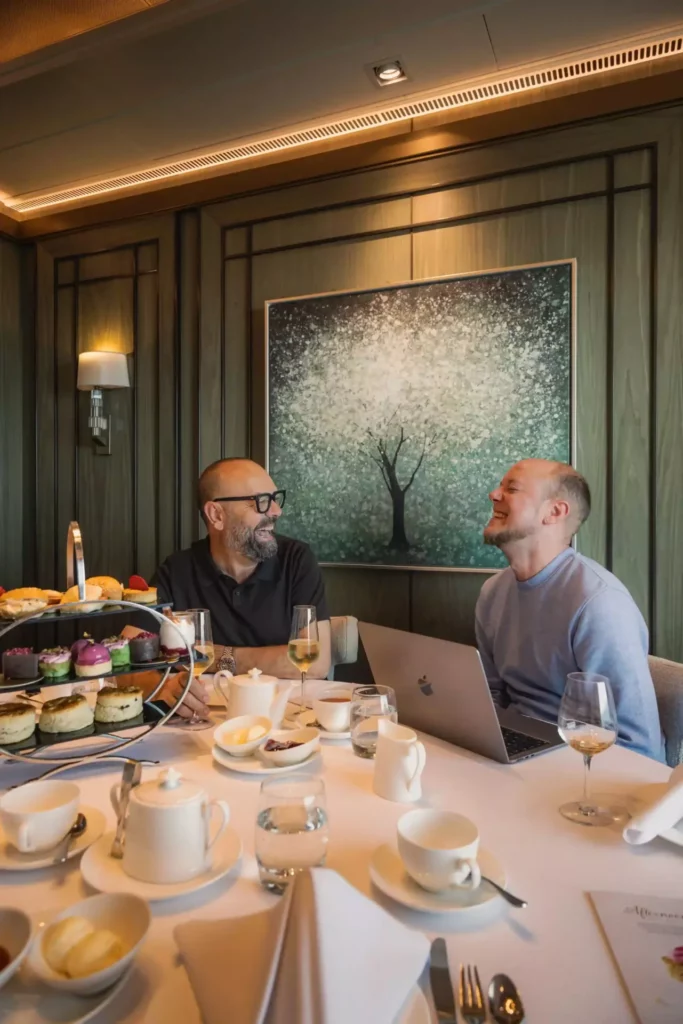
What makes a Pizarro party?
Food and drink. Happiness, good music. When you bring someone to your house – it’s about being generous with time, with the table, and with the glass, and the conversation. That’s what it’s all about.
You are due to marry your partner, Peter Meades. Apparently he’s joked about you being stressed because you aren’t stressed. Do you balance each other out?
He balances me totally. He’s a psychotherapist. He just wrote a book, he’s doing so well. That book is totally for me. “Darling, I cannot do therapy for you. So just buy it on Amazon”.
But no, I haven’t learned to switch off. I started doing Pilates again. But now is the point that I really need to look after myself. He’s 55! I’m still thinking I’m 27. I am always resolving something in my brain; business, friendship, whatever. It is always working overtime.
You have two miniature schnauzers – do they come into your restaurants?
My girls, Conchi and Pie. They are bonkers. They come to the restaurant, they come to bed with us. They know when you feel down, when you have an argument, when they need to protect you.
When you come from a farm, you respect the animals above all else. I needed to look after them because that was going to be our food, you know? We always used to have two pigs in my family, you know they are going to be your friends for two years, but you know perfectly as much as you love and respect them, they are going to be your food. But I don’t like when people try to criticise me for eating meat, that kills me. So many people criticise me for eating chicken. Sorry. You don’t know anything about chickens. You’ve never seen one in your life. I grew up with them, I respect them, I give them a good life, but I know it’s going to be a finished life. They’re in my heart.
It’s 15 years since José opened in Bermondsey. It’s been an incredible few years. Do you often reflect on the legacy or are you more focused on what lies ahead?
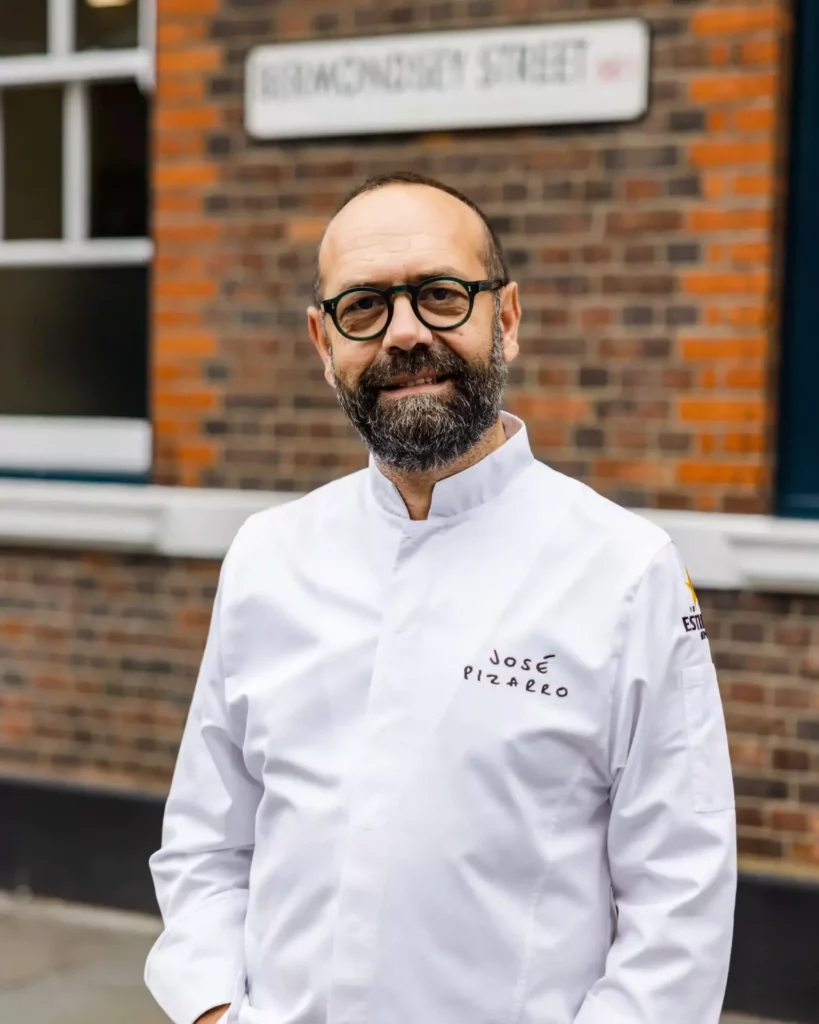
I was at Brindisa and was lucky enough to buy an apartment around Bermondsey, and saw how it was developing. I didn’t have the money to open anywhere else, simple as that. I sold Brindisa, I had the money to open there. And it’s still strong and hopefully strong for many years. I was lucky because I opened José in May, and opened Pizarro in December. And the White Cube, it was quite the year. For now, the focus is making a strong team, from a commercial point of view.
I think what I wanted when I came to London was to work very hard to make people understand Spain. And one day, for people to say “he is one of the people who did well for Spanish cuisine”. And yes, I do paella and I do sangria, but there’s a lot more behind it.
People now call you the godfather of Spanish cuisine in Britain. How does that sit with you?
I don’t understand why people call me that. But inside, of course it is quite nice. Because it means people respect what you did. Without any titles. But I’m happy with what I did for Spain and for the UK. And it’s not ego. It comes from the heart.
And when the King gave me the honour – that was fucking amazing. My mum was there. We were celebrating my 25 years in the UK. I had hundreds of people there because, of course, I love a party.
And I think it was one of the most incredible things that has ever happened in my life.
Then Extremadura gave me a medal as well. My village has honoured me.
You think: I came from that little village. Dyslexic, ADHD. That little poofy guy that no one understood. And now to have these honours… how amazing is that? Everything came from my heart. I never expected any of it. Sorry for crying.