Chris Glass on life before becoming the director of diversity, equality and inclusion at Soho House (EXCLUSIVE)
"I do this work because it’s how I was taught to show up in the world," says Glass
By Dale Fox
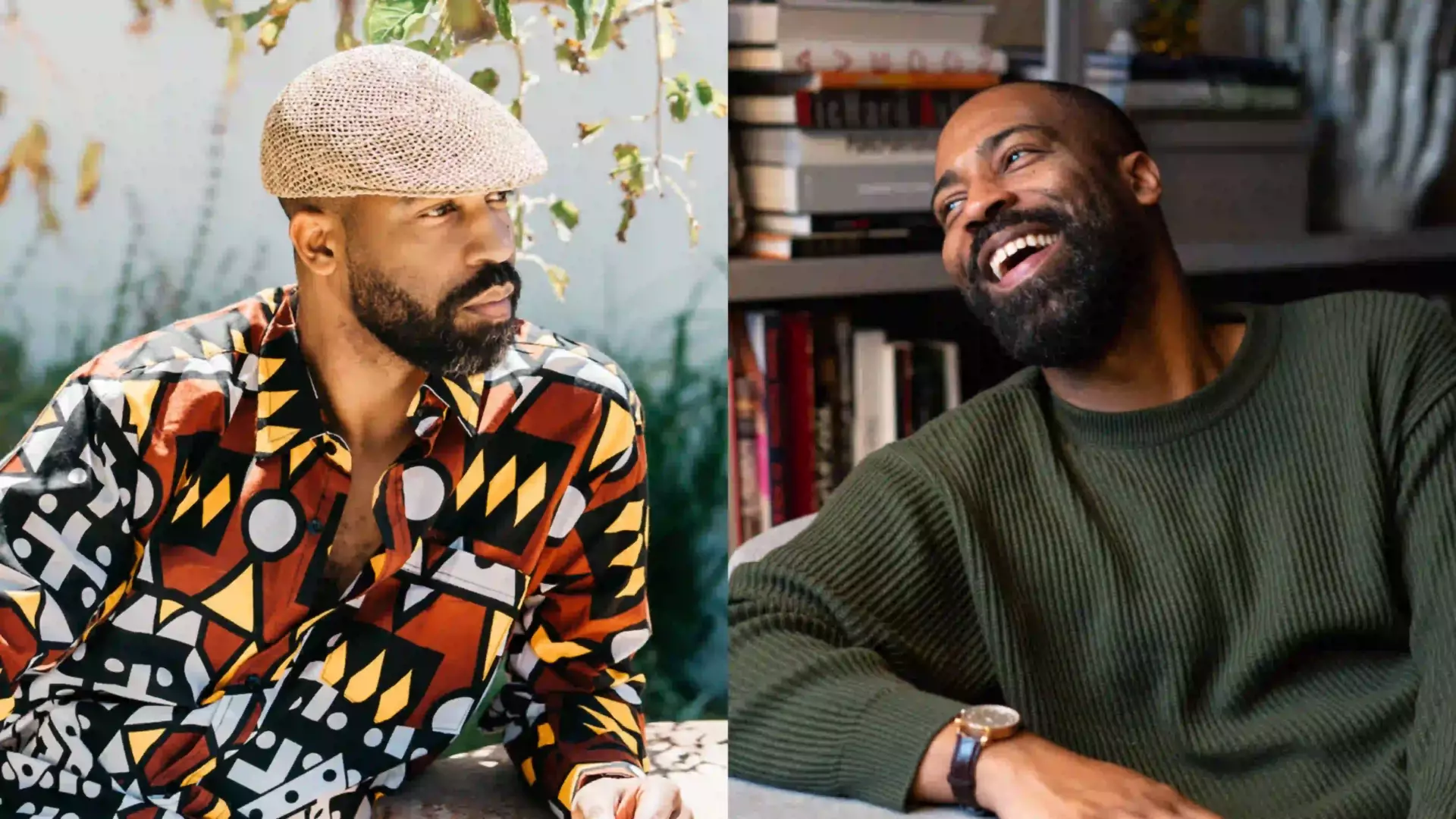
Chris Glass has built a career on connection. Growing up in Georgia, he was shaped by a family deeply involved in community service. After moving to New York, he found his footing in the city’s queer nightlife scene before a chance opportunity led him to Germany.
Now, as Soho House’s global director of diversity, equality and inclusion (DEI), he ensures that the brand remains a welcoming space for creatives worldwide. Here, he reflects on his 15 years with the company and why cultivating belonging has always been at the heart of what he does.
Attitude: What was growing up like for you?
Chris: I grew up in a suburb of Atlanta, Georgia, called Cordele. It was an idyllic childhood. I was the oldest of three. My mother worked for the state of Georgia as an environmental protection specialist. My father worked for an electric company. My mum was on the Neighbourhood Watch Association and my parents were active in the Parent-Teacher Association. They were very active in our church. Community service was a huge part of our environment growing up.
Has that shaped what you do for a living now?
In the wake of the pushback on DEI at the moment, I’ve said to folks: “I do this work because it’s how I was taught to show up in the world.”
It’s a very essential part of me.
Do you remember coming out to your parents?
I went away to university, and my mum went with me to help me get set up. When she left, I changed clothes … I put on very short shorts and a tank top. I was suddenly magically gay.
As it turns out, my mum was still downstairs, so I pranced down the stairs and saw her, and she just looked at me, and I kept going.
Over a year later, I got a phone call from my mum, saying: “Underneath your bed are a bunch of magazines called Out, and I’m looking in them and just concerned if I need to be worried about something.”
I sent her a long letter after that, saying: “I want you to know that I am the child and the human that you raised me to be. I’m now an adult, and the only thing that’s changed about the person that you helped to craft, who you know me to be today, is there’s an additional piece of information, and that piece of information is the truth that I don’t want to hide. Otherwise, I’m God’s child, and I love you, and I appreciate you.”
And that was the beginning, middle and end of it.
Do you still have a good relationship with your family
I do. My younger brother is also gay. I have active support from both of my parents, and they are proud of me as a human being, and that includes the fact that I’m a gay man.
What was your first job after university?
I dropped out of university after the first year because I was very unhappy and felt trapped. I moved to New York, and like any young person — I was 19 when I moved there — it was just scraping to get by.
I worked in a shoe store, then a restaurant. I eventually became a manager at a restaurant, then worked at another restaurant as a host. Then I started working for a spa downtown in Soho that was a hotspot for cool New Yorkers.
Were you part of the queer scene?
I was. This was the late 90s. For me, this was the tail end of a real community of queer people, where there were bars and spaces where you came together — going out with friends, going to Pride parades, being active in community events.
As I left New York, I feel like those opportunities started to taper off. But in those early years, and when I lived in Boston as well, those places were where it felt safe to be that version of me.
What made you decide to move to Germany?
I was working for a beauty startup in New York. In 2001, the company asked me to come to Munich and help them open their shop, which I did. After going back and forth for six months, they convinced me to stay in Munich for another six months.
Fast-forward to 2009, I moved to Berlin. I’d met some folks in Miami during Art Basel who worked for Soho House, and we became friends. When the time neared for the House to open in Berlin, they asked me to help them put together a lunch, to bring together interesting people who could be potential members. On the heels of that, they asked if I would consider doing that full time, to build Soho House Berlin, to which I said yes.
How would you describe that job in simple terms?
A lot of it [at first] was using the network of people in creative industries that I’d built over the years to acquire members, managing a committee of folks that helped us to build the community and to find new members.
It was answering questions, giving tours, supporting with marketing and PR, really being the face and voice of the brand in this city and in the country, and helping to connect us to all the folks that we needed to open successfully.

What does Soho House do?
Our mission statement is: “Soho House is a place for the world’s creatives to come together, have fun and make an impact.”
For me, Soho House is a home away from home. It’s that place if I’m in a city that isn’t my home that I know I can duck into and meet people who are like-minded. I know what I’m getting in terms of food, service and experience. It’s the living room that I need to settle in.
Certainly, in my home city, where I use the House most often, it’s that place that’s familiar, where people know your name and are happy to see you.
What do you do in your current role?
I’m currently the global director for diversity, equity and inclusion. At the moment, there’s a big focus on America, given politically what’s happening here with the pushback on DEI. I’m looking at how I support our teams in feeling safe, in feeling like this work continues.
I run the inclusivity board, which is a group of about 40 members around the world who support us in our diversity, equity and inclusion goals. What I’m committed to this year is having moments of joy that really celebrate identity and culture and successes that we have in this space.
This is an extract from a feature appearing in issue 364 of Attitude.
Get more Attitude