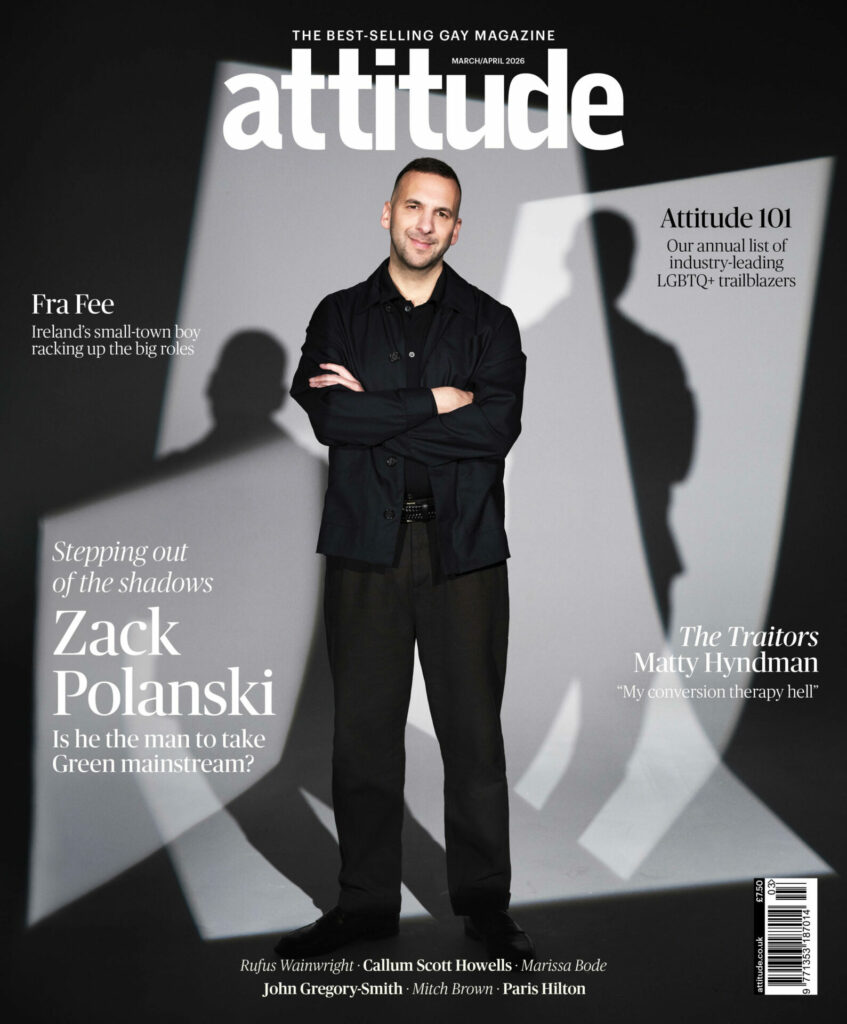
Jordan Luke Gage on queer musical Redcliffe and playing a closeted footballer in Armour: ‘There couldn’t be a better time to tell this story’ (EXCLUSIVE)
Speaking to Attitude, the West End star opens up about the challenge of writing, composing and starring in the production, and why its themes feel strikingly relevant in today’s political climate
By Callum Wells
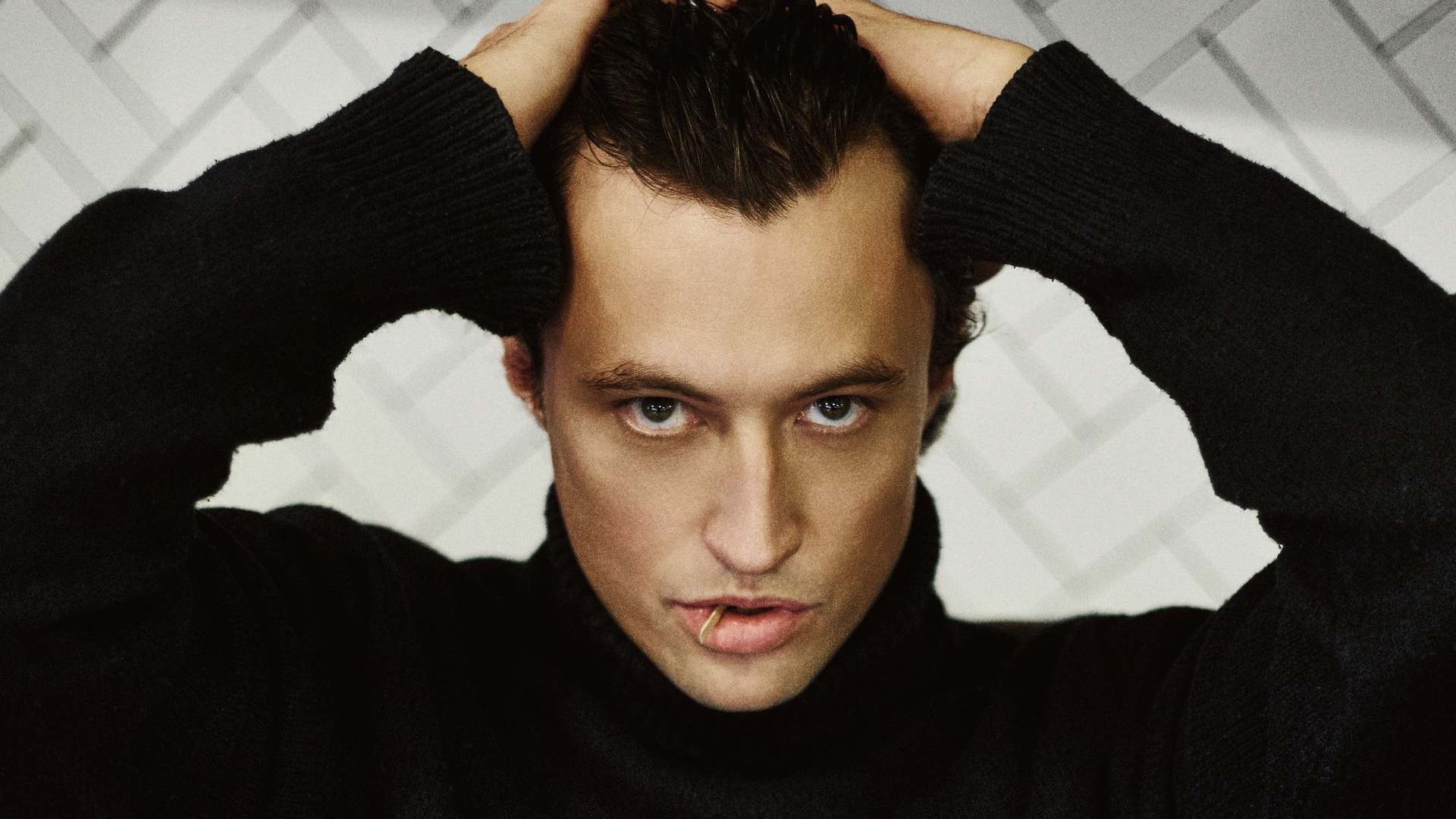
Jordan Luke Gage is stepping into a new era of his career, writing and starring in Redcliffe, a sweeping historical musical inspired by a real forbidden love story in 18th-century Bristol.
Developed over three years, the show – playing at the Southwark Playhouse Borough in London – blends romance, comedy and tragedy while confronting a time when being gay could carry devastating consequences.
Speaking to Attitude, Gage opens up about the challenge of writing, composing and starring in the production, and why its themes feel strikingly relevant in today’s political climate.
Away from the stage, he’s also taking on TV drama Armour, playing a closeted Premier League footballer forced to confront his identity under intense public scrutiny. Together, the two roles see Gage exploring queer lives separated by centuries but connected by the same search for freedom.
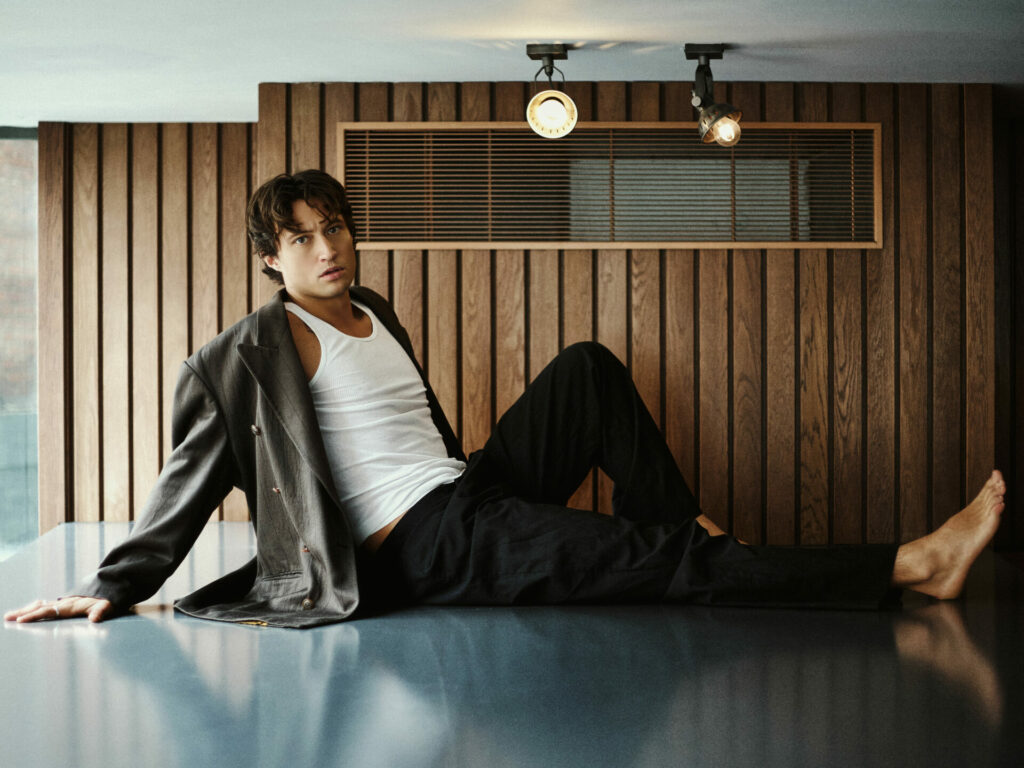
Redcliffe sounds like such a powerful story – but it’s a musical. How did you decide to tell such a grave story through music?
I first discovered the story about three years ago. I’ve always known that I wanted to write something for the stage and most of my experience is extensively in musical theatre, so it felt like a no brainer that I would end up writing a musical. I also play guitar and have always written songs. I was in Bristol at the museum and found this article from 1752 detailing an incident between two men at a time when it was illegal to be gay. If you were caught doing anything remotely sexual with another man, it could be punishable by death. I read this article and it really moved me, so I started by writing a song that just naturally flowed out of me reading it. Once I had that song, I built the whole show around it. We don’t have a huge amount of resources from the 1700s, so a lot of the characters are fictionalised, which has been a really enjoyable part of the process.
You’ve workshopped the show several times already. What does that process involve?
We did our first workshop in February 2024 with just the first act. I’d spent about six months writing it and then we had 10 actors come together for a couple of weeks to work on the material, teach them the songs and constantly change things around what feels natural. It’s a very collaborative process and it’s the part I love the most because I love feeding off other people’s ideas. We presented the first act to about 150 people, including producers, and the feedback was great. Then we did a longer three week workshop of the full show. It’s fundamental because you need to understand what the audience responds to before going to a full production.

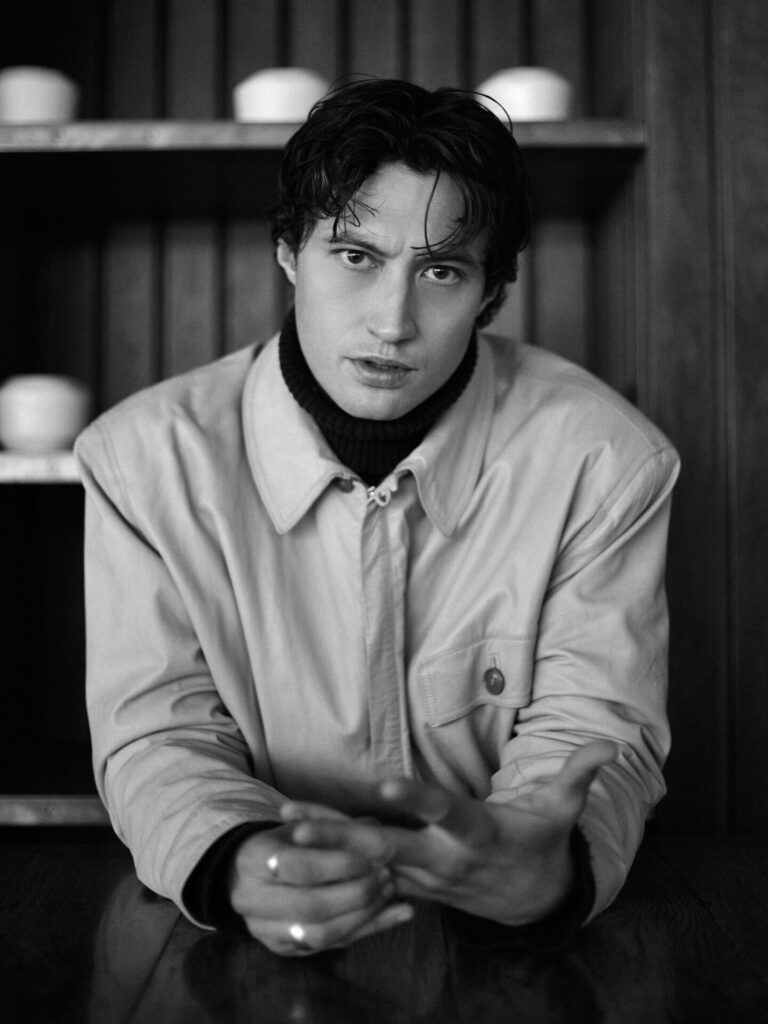
What kind of feedback did you receive from audiences?
The story focuses on these two men and their relationship. The second act becomes much darker with a trial when they’re found together. A lot of the feedback was that audiences wanted to spend more time with their love story. I’d cut those moments a bit too short. Over the last year I’ve been fleshing out those scenes. It’s been a challenge balancing the drama with the relationship, but I think we’ve found a good fitting with it now.
Why does this story feel important to tell right now?
People keep asking why this is important now, and my response is that there couldn’t be a better time. The legislations being reversed around the world are terrifying. This happened less than 300 years ago and we’ve come so far, but we can never forget it did happen and we can’t allow ourselves to go back there. Even LGBTQ+ audience members who came to the workshops said it was an education for them. Pride is amazing, but we need to remember what it stands for and the people who fought before us.
You’re also starring in a show you’ve written. How are you balancing both roles?
It’s tricky and something I’m still working on because it’s quite unusual to write the book, music and lyrics and also perform in it. I’ve worked tirelessly on this show every day for the last three years, so my aim is to have everything as locked in as possible before rehearsals so I can focus more on performance. There will still be changes creatively, but I’m excited by the challenge.
Tell us about your character, William Critchard.
He’s a real person who lived in Bristol in 1752. He’s an introverted, vulnerable man who doesn’t have many people he can trust except his mother and sister. He meets a sailor called Richard and something ignites within him – it’s the first time he’s able to explore feelings he’s always known were there. Richard is the opposite of William, very extroverted and charismatic, and he brings him out of his shell. The final scene is based on the original article I found and it’s incredibly moving.
Despite the heavy themes, you’ve said the show also has humour. Why was that important?
People often come in expecting a very dark piece, and it does have that, but it’s also filled with light and comedy, especially in the first act. You have to make the audience fall in love with the characters before you break their hearts. It has a whole mesh of genres and I feel like it’s got something for everybody, not just people in our community but the wider world too.”
You’ve also been cast in Armour. Can you tell us about that role?
I’m playing Harry Slade, a Premier League footballer set in modern day who is in the closet. He secretly has relationships with men and is terrified that if the public find out it will affect his career. He’s the first person in his position and doesn’t know how people will react. Things take a turn when a man he hooks up with accidentally sends an explicit photo of him to a friend and it ends up with a newspaper, who try to blackmail him into doing a tell all.
What drew you to the character?
In my career I’ve never really been given the opportunity to play gay men before, so it’s really nice that these two roles are back to back. They’re both closeted men but living 300 years apart, which brings different challenges. The writing is so powerful because it’s about what’s unsaid. There are lots of moments that are purely emotional, and I’m excited to explore who he is internally.
You’ll be working with Josh Cavallo on the project. What are you hoping to learn from him?
We haven’t started filming yet, but I’m excited to ask him about his experiences as a footballer who was in the closet – the culture, the homophobia and whether he was surprised by how people reacted when he came out. It’s great to have someone who can enlighten us on that world so I can do the character justice.
Redcliffe runs from 22nd May until 4th July 2026 at Southwark Playhouse Borough. Tickets are available to buy here.
Get more from Attitude