
Swedish alt-pop artist River scrapped three albums before finding her voice on A Dying Source (EXCLUSIVE)
From losing her father at 17 to rediscovering her confidence on stage, River has channelled the highs and lows of her life into the her debut album, A Dying Source
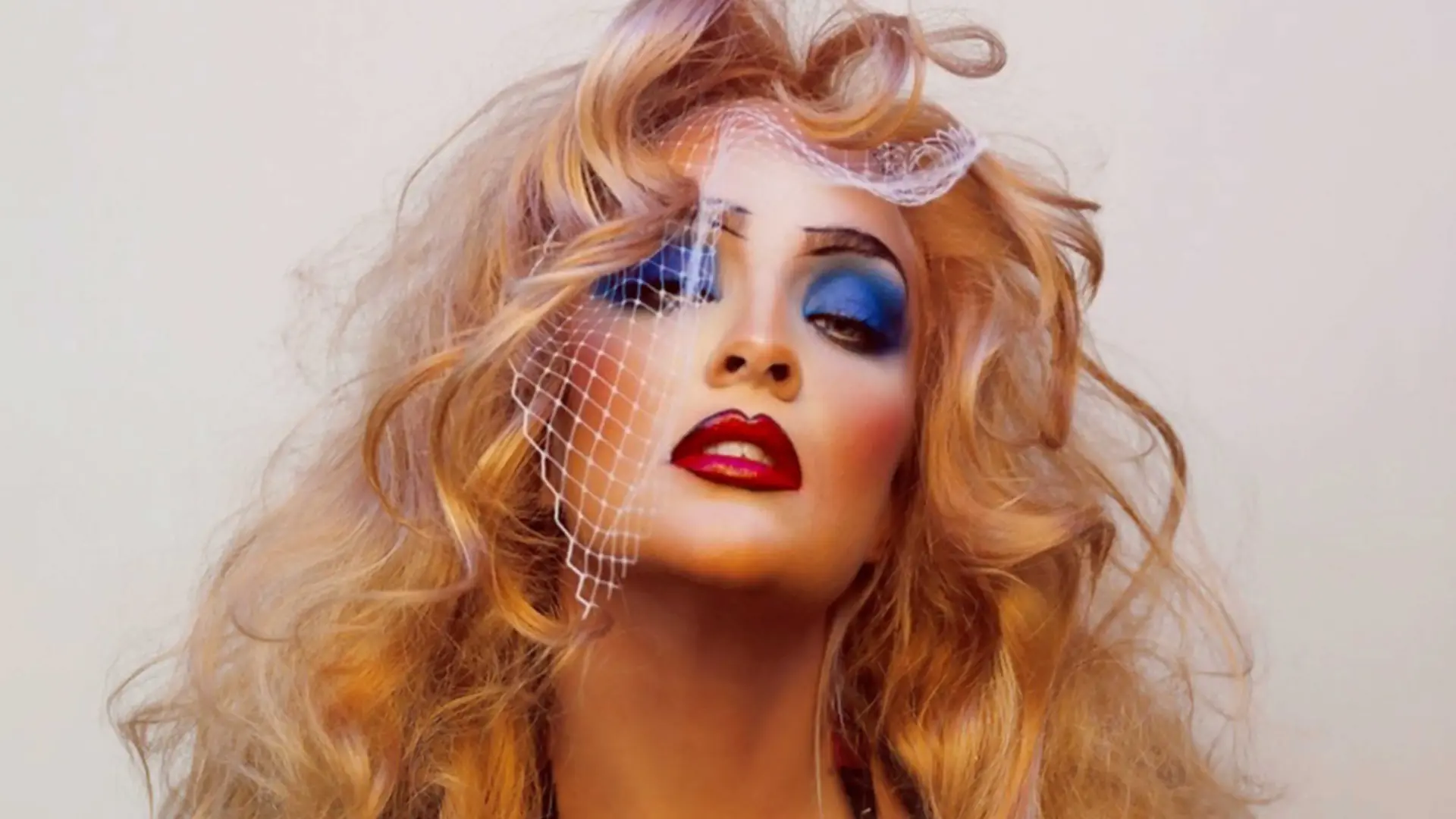
After scrapping three albums, Swedish alt-pop artist River finally found her “voice” with A Dying Source. Her debut album explores themes of loss, self-discovery and the desire to break free from her insecurities. River was born out of necessity, the musician tells Attitude, as an alter ego, allowing her to express parts of herself she had struggled to show the world. But now, she sees her true self, Elsa, and her performing persona coming together. Her 12-track album embodies that unity. From losing her father at 17 to rediscovering her confidence on stage, River has channelled the highs and lows of her life into the record. Attitude spoke to the Swedish musician about the journey to creating her debut album, A Dying Source.
Attitude: What’s the journey been like making this album?
River: I started working on an album before my EP was released in 2023, and it turned into three albums that I trashed one after another. When I started working with the producers on this album, we had a whole album written with all the demos ready. But then ‘Infected Mind’ happened, and I just knew we had found something special. It felt so right to trash one more album to get this one ready. From the outside it must have looked like I was a hopeless perfectionist, but I just hadn’t found MY voice yet. I wanted to do something original that truly felt like me, not based on trends or someone else.
Tell me about the themes of the album? Do they echo real experiences for you?
A Dying Source is about transformation. Writing this album became a way for me to process my fears, my insecurities and anger, the fear of getting old, of what people might think. All those things that held me back, but also made me who I am today.
As a teenager I was very codependent and let my fears decide the choices I made. When my dad passed away when I was 17, I was broken, but it was so clear to me that he left me a gift, to look at my own life with new eyes and not take it for granted. I realised I had no time to sit around waiting for something to happen that would take me out of my shell. I don’t think I had those exact thoughts so clearly back then. It was more like an intense calling to get moving, and that made me not think twice when I started leaving the past behind. The songs are written from my own experiences, but also from what I’ve seen and felt in the people around me along the way.
How does this album reflect where you’re at in your career/life?
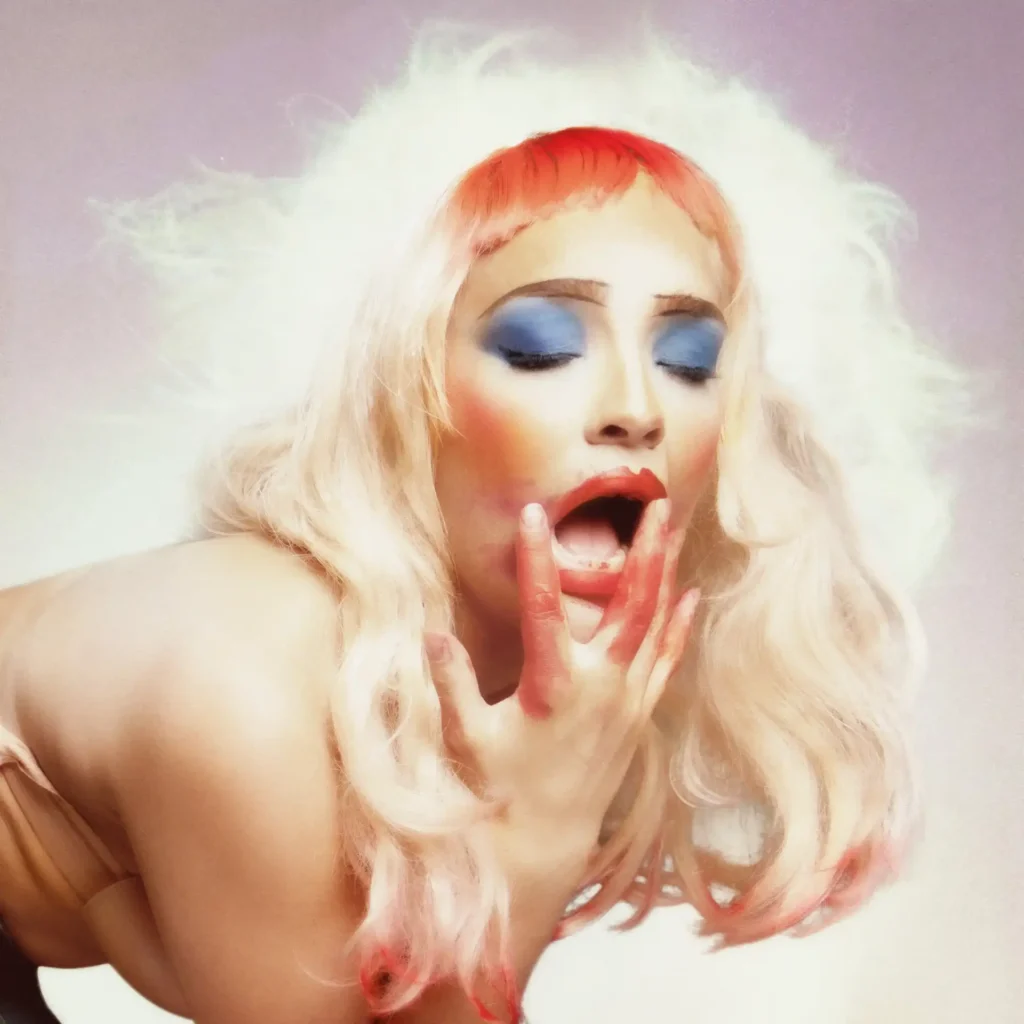
When I started RIVER, she was a character I made for myself, so I could feel free to express myself in a way I wouldn’t have without her. Transforming yourself can feel weird when people on the outside question what the hell you’re doing, acting like someone who doesn’t fit with the person they used to know. When I had those feelings, I could just say, “But I’m not Elsa, I’m RIVER.”
With time, RIVER and Elsa have grown together. Making a character for myself has helped me find my true self and feel more comfortable being every shade of me. I don’t have to play the untouchable diva. I can be vulnerable and real with my flaws and still feel strength in that.
This album is the union of Elsa and RIVER, and the soundscape is more raw than anything I’ve done before.
Your sound is very large and atmospheric, where did you imagine this album being played while you were writing it?
I never really thought about where. All I wanted was for the whole album to be based on real live instruments, and to be my ticket back to my roots as a live artist. It was made to be impossible to perform with backing tracks without losing its essence. So much of what the album is, and what it reflects, is in the productions and the instrumentation.
I love the range of instruments you have in the songs, like the brass/wind instruments used. How did that work in the studio?
We made demos of every track and brought in musicians gradually as we got closer to finishing. Many of the musicians played on several songs, and some on all of them. It was surreal to see musicians I really look up to be so dedicated and really get the music. Some of them are the musicians I have with me live now. For the brass, we had the amazing Nils Berg, who came in and played flute and sax, and Tobias and Magnus Wiklund, who recorded a bunch of different brass instruments from their home studio. We sent over a demo, and they recreated it and added a lot of their own stuff.
What messages did you want to convey to your fans through these songs?
More than a message, I want you to feel like you’ve been somewhere, not just listened to twelve songs. I don’t expect anyone to feel exactly what I felt when the songs were made, but I hope for a flash of recognition, a feeling of not being alone in it.
The lyrics seem very intimate, what song holds the most meaning for you?
It’s so hard to choose, I have a strong connection to all of them. But I really love ‘Baby Dream’. It never became a single, but it’s one of my favourites on the album. I wrote it from the perspective of someone lying on their deathbed, talking to someone who still has time, about the regret of not living closer to the dreams they once had. Another really personal one is ‘Infected Mind’. To me it reflects a conversation between my future self and my younger self.
Who inspires your sound? I know you’ve mentioned Portishead and Mazzy Star. I definitely hear that on the album, it’s very 90’s alternative cool.
When this album first started taking shape, I couldn’t really put my finger on the sound, and that’s what I liked about it. It felt fresh to me, but still familiar. Along the way it became clear what references you could hear in the songs, and Mazzy Star is definitely in there. Prince has inspired me a lot too, even if the album doesn’t sound very Prince-y. But with this album I didn’t want to focus on my inspirations. I wanted to let them play the part they naturally have in how I’ve found my own voice.
Tell me about your history with music? Is art the most important thing to you?
I’ve been an Elvis fan for as long as I can remember, and I’ve been into music just as long, but I had huge stage fright. In secondary school I was in a music class, but I felt like the worst in the class, because I was too bored to learn theory and too scared to give a good performance. That’s why I later started busking when I went to Australia, where nobody knew me. I always went out when it was dark and played the few songs I had written and could play on guitar, over and over again. Later I did musicals, and in Mexico I started to realise that singing was something I was good at, because of the response I got. I started a jazz and blues band, and that’s where I really found my place on stage. I started RIVER two years later, when I moved to Stockholm. Art is my life. My projects are my whole world, and I could go years without meeting anyone or doing anything other than being in my creative process, which makes me a terrible friend in some ways. When I’m in a creative process, I hardly take in anything else. And when I have a creative block, I spend that time thinking about how to push through, or taking in new inspiration.
I love the retro imagery in the ‘Paradise’ video, it gives me vintage Americana/Warhol vibes. Where did that come from? Is it part of a storyline for the album?
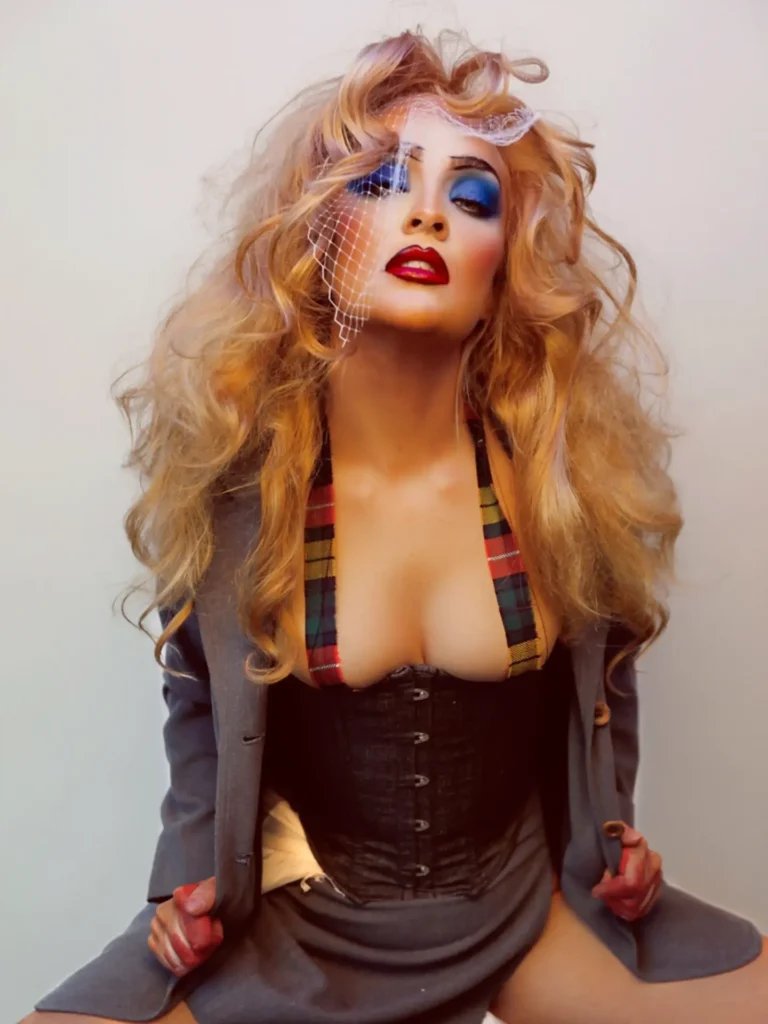
I’ve admired the beauty of old Hollywood stars and the look of the 50s and 60s since I was a kid. Andy Warhol has been a huge inspiration, and still is. When I created my artist persona and project, he was the main influence on how I wanted RIVER to look. I love playing with contrasts, like vintage Hollywood and punk. If I have to put a name on it, I’d call it subversive retro-glamour. I’m just as involved in my videos as I am in the music. I write and direct them from the music, and I see them as an extension of it. They let me express a feeling or an image that doesn’t fit in the song itself. We’ve been the same team on all the videos, which also creates a common thread between them. And yes, ‘City of Thirst’, ‘Change’ and ‘Paradise’ was made as a video trilogy. In ‘Paradise’ I play a woman whose husband has just survived her attempt to murder him in the last video ‘Change’. She’s an insane, sweet, perfect looking housewife, she’s pregnant, smoking cigarettes, drinking and feeding her husband cat food.
A Dying Source is available to stream now across various platforms.