
Queer art is amazing – from Frida Kahlo to Paul Cadmus, these 8 artists prove it
Curator Gemma Rolls-Bentley discusses her new book Art Essentials: Queer Art, which offers a global overview of modern and contemporary queer art from the 19th century to the present day
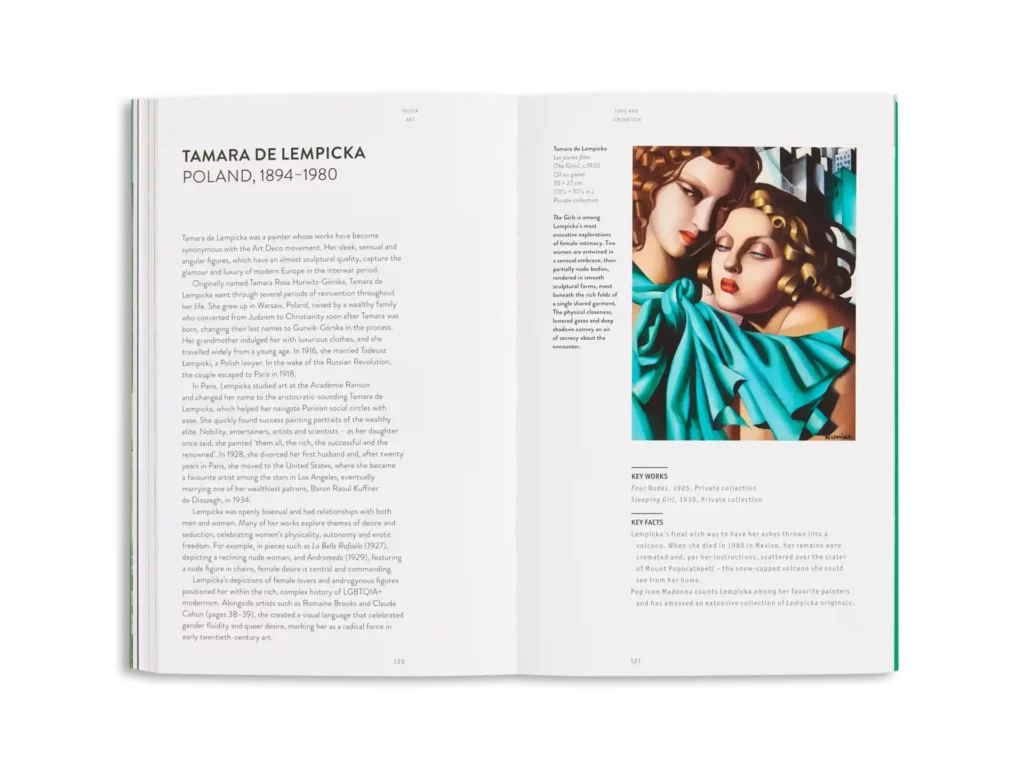
“There are books in this series that have sold upward of 70,000 copies,” says curator and writer Gemma Rolls-Bentley with palpable excitement of Queer Art – her new release with fellow curator Mollie E. Barnes. Other titles from Thames & Hudson’s Art Essentials series include Greek and Roman Art, Pop Art and Impressionism; adding a queer art book to this important series of books feels like a big moment for art history.
“In our introduction, we talk about some of the earliest examples of queer life appearing in classical art, medieval art – those examples are there if we look for them,” says Rolls-Bentley, adding of viewing art through a specifically LGBTQ lens like in this book: “People are desperate for this type of publication, because we just don’t have it.”
This is serious stuff: the book launched in April with an event at the National Portrait Gallery in London. “It was perfect to launch the book against the backdrop of Catherine Opie’s landmark exhibition at the NPG – she’s an artist I’ve worked with a lot and it’s incredibly meaningful to see her work displayed in such an important historical institution,” says Rolls-Bentley of the American fine art photographer known for her arresting portraits of the LGBTQIA+ community.
“I was lucky, I grew up with a grandmother who took me to museums and galleries,” she explains. “I’ve always felt comfortable in those places, which I’m aware lots of people don’t, as they’re not structured to be the most welcoming and inviting environments.”
Here, Rolls-Bentley reflects on artists featured in the book, from icons of eras past like Frida Kahlo to the 29-year-old London-based Rene Matić.
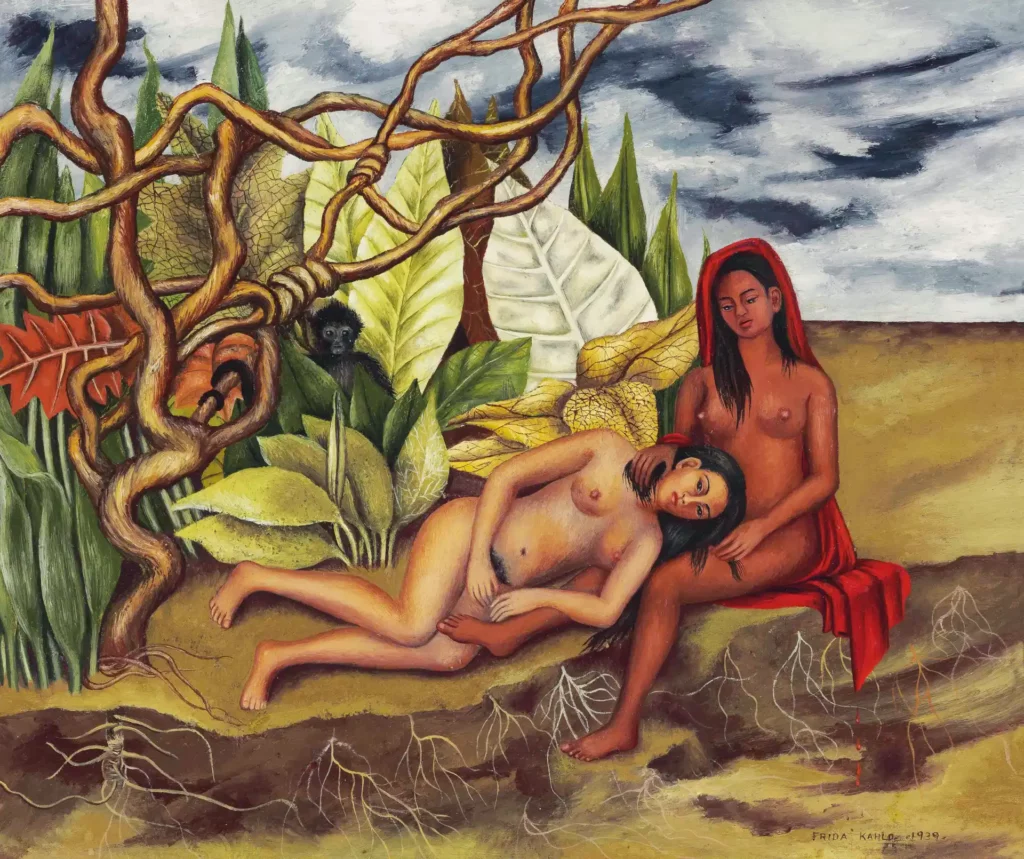
11 7/8 in.). Private Collection.
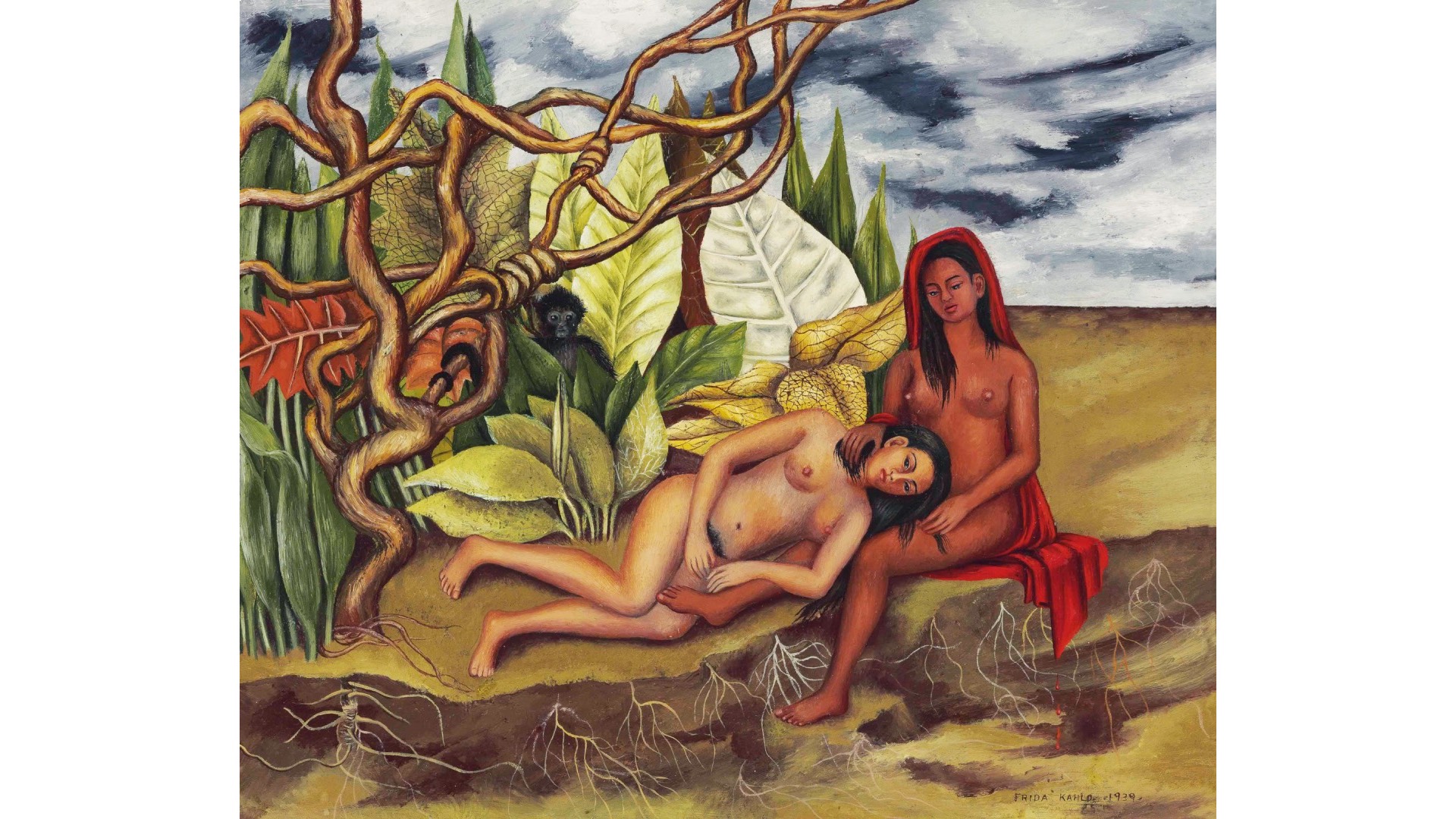
Frida Kahlo
“Arguably one of the most famous artists in the world. The queer part of Frida’s identity is so rarely discussed. For many years, her marriage with Diego Rivera is what really overshadowed her own work – when she was so clearly the better artist.
“There’s a great irony in Diego and Frida’s legacy. Diego set up a trust to preserve both his own sprawling museum and Frida’s home, but today, Frida’s museum is so popular that its ticket sales actually pay to keep his running.
“I recently visited Frida’s home in Mexico City. It was interesting – there was zero reference to her queer identity. She had many female partners – many very prominent female partners like Georgia O’Keeffe and Josephine Baker. For a figure as mainstream as Frida, just imagine if the queer part of her identity was talked about more publicly. It could have real power in terms of helping people understand… we’ve always been here and we have made important contributions to culture.”
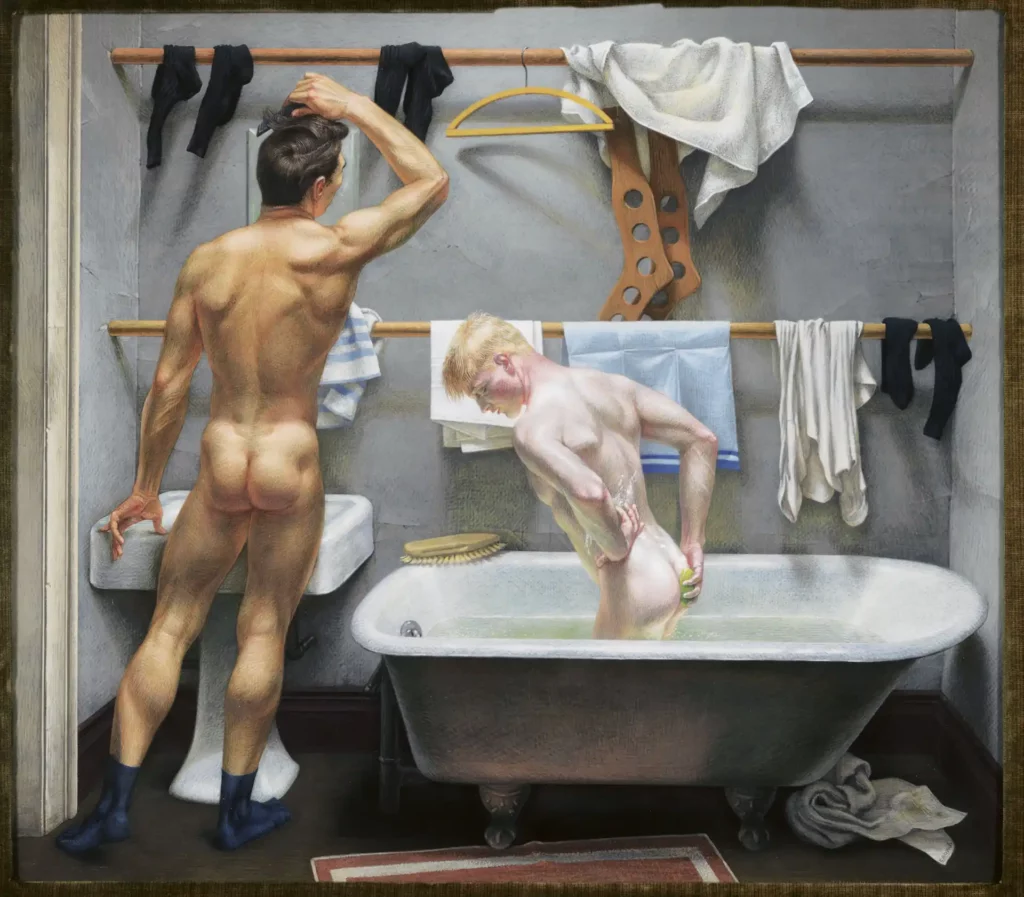
Paul Cadmus
“This beautiful painting called The Bath was painted in 1951. Paul Cadmus was a very important painter commissioned by the US government in the 1930s to create art celebrating American life. He’d bring in these coded references to queerness; like painting sailors with exceptionally tight trousers showing off their bums and even sneaking in gay cruising scenes. The Navy was so outraged that his very first major government painting was confiscated and banned. He was essentially ‘cancelled’ by the government for being too subversive and gay, but the scandal actually made him an overnight star in the art world.
“But this image is obviously about private life. A lot of his drawings and paintings reflected intimate moments like this one, but they were kept private. It’s beautiful to see queer tenderness of daily life captured through the relatively mundane act of bathing – these are the aspects of queerness we don’t always see.”
Catherine Opie
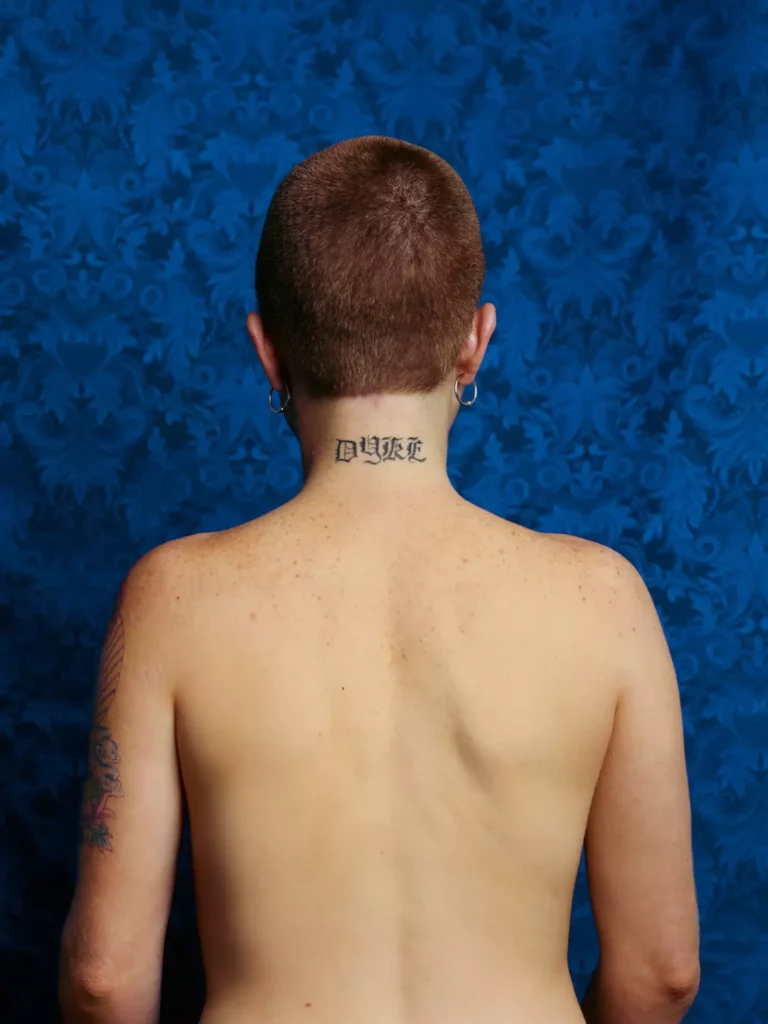
“This iconic image is from 1993 and was the front cover of Harmony Hammond’s very important book called Lesbian Art in America: A Contemporary History, which was published in 2000. I’ve seen this work referenced so much over the last five or so years as we’ve been experiencing what people are calling a ‘Lesbian Renaissance’. This is a real go-to image.
“At the opening of Cathy’s solo show at the NPG, I sat next to an amazing filmmaker called Steakhouse who, halfway through dinner, revealed to me: this is them! They showed me the ‘DYKE’ tattoo on the back of their neck and I was so excited. As a lesbian growing up in the ’90s Cathy’s work was an incredibly important reference point. I basically learned about lesbian culture through Catherine Opie’s photography and The L Word! I shared Steakhouse’s tattoo – then and now – on my Instagram and the lesbians went wild for it!”
Cornel Brudaşcu
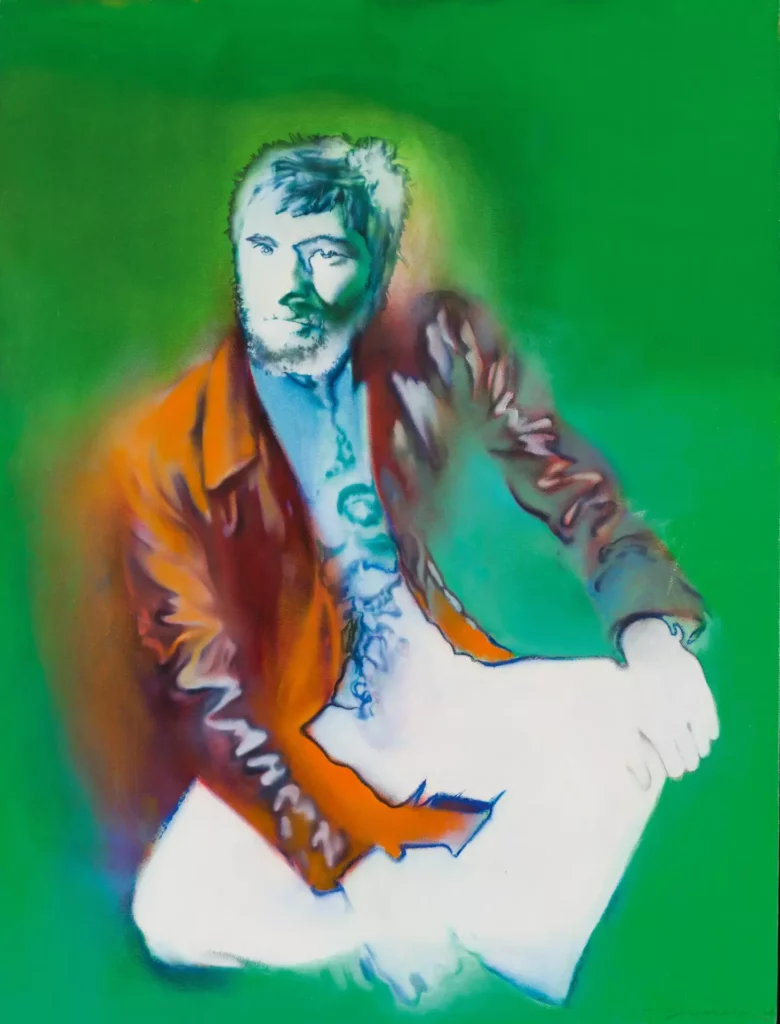
“Cornel Brudaşcu is an influential artist from Romania. He taught for many decades, including artists who went on to be part of the Cluj School: a well-known group of figurative painters of post-Communist life.
“He didn’t come out until much later in life, after which the content of his work shifted. He started painting more homoerotic nudes and intimate bedroom scenes. There’s often an undertone of darkness in the work, which I’m sure comes from his own experience of repression.
“This work is from 1970. Now that we understand more about the artist’s queer identity, many art historians have reflected on his whole oeuvre considering where moments reflecting queer experience may have previously been overlooked because, he wasn’t able to live openly at the time they were made.”
Inkjet print, framed; unframed dimensions: 25 × 16.9 cm (97/8 × 65/8 in.).
Rene Matić
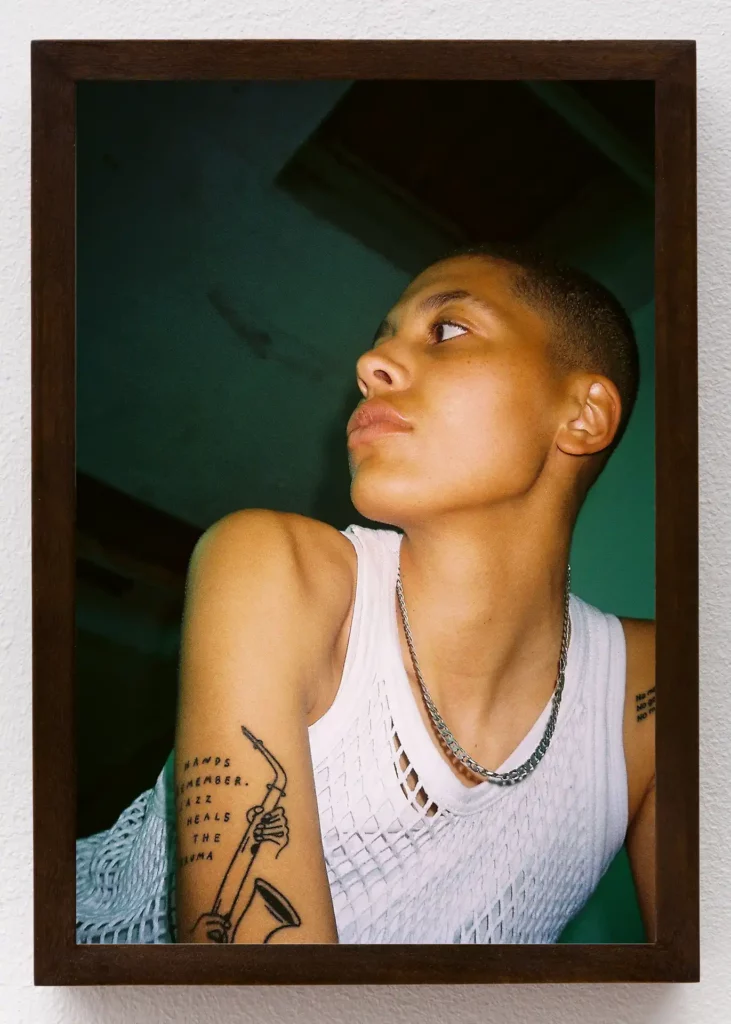
“Rene Matić is a very young British artist. Photography is part of their practice. Rene was nominated for the Turner Prize last year and they’ve recently been announced as the winner of this year’s Deutsche Borse Photography Prize. In part Rene’s work is about bearing witness to queer life, but it’s also about community and understanding one’s own identity.
“This is a photo of Kai-Isaiah Jamal. Key figures fromRene’s community often appear in their work. People such as Kai, who’s a model, or the playwright and writer Travis Alabanza, or the singer Campbell King. You see a lot of the same people appear over and over, photos taken in clubs, parties and bars – the work is truly a love letter to those people. There’s resistance in the work, but also, joy.”
Leilah Babirye
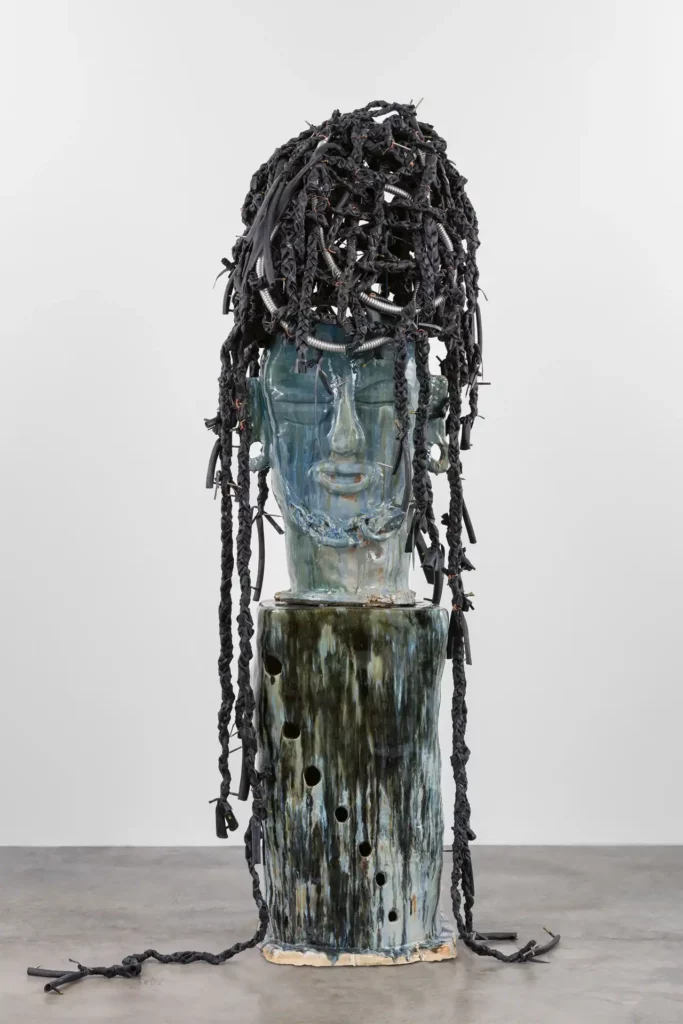
“Leilah Babirye is an amazing artist from Uganda. She’s most known for her sculptures but she paints too. She uses a lot of discarded materials in her sculptures. This particular piece brings together ceramic and parts of old bicycle tires.
“The word for queer in Ugandan is the same as the word for a discarded corn husk [‘ebisyaga’]. It’s very disrespectful. ‘These people are no good, discarded.’ So, it’s poignant that Leilah reclaims discarded materials.
“The figurative works that she makes reference figures from the Ugandan clan system. Leilah will look through history and find examples of gay leaders, of which there are many, and invent her own figures, creating her own queer clans.
“Leilah was publicly outed by the press in Uganda in 2015. She had to flee to New York, where she has been based ever since. She continues to be a dedicated advocate for gay rights in Uganda, tackling the issue directly in her work. Her art highlights how several African countries have reintroduced anti-gay laws over the last decade. People often claim these laws are about protecting traditional African culture, when in fact, the anti-gay sentiment in these countries is a direct legacy of British colonialism. Telling stories like this about queer figures who held positions of power and influence before colonialism is incredibly important and educational.”
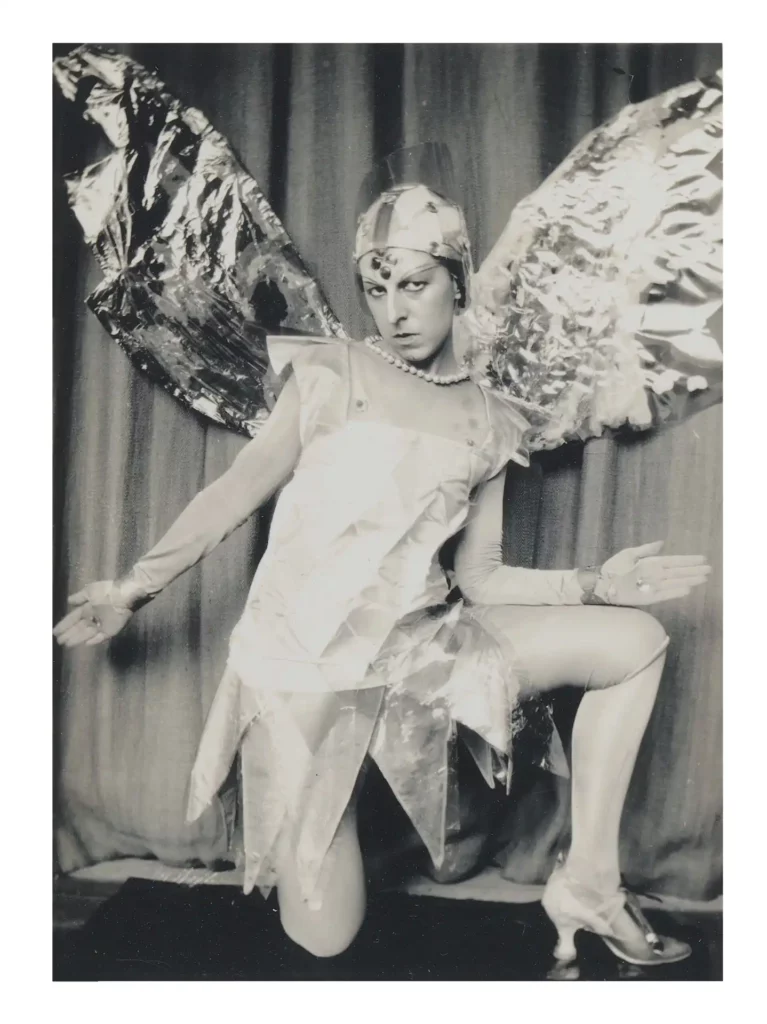
10 × 7.6 cm (4 × 3 in.).
Claude Cahun and Marcel Moore
“This is a legendary image, and Claude Cahun and Marcel Moore are absolute icons of queer art history. Their work is a brilliant exploration of identity and performance, fluidly playing with non-binary and gender-conforming signifiers decades before those terms even existed. Claude and Marcel were a romantic and artistic couple living in early 20th-century France, constantly resisting the rigid social norms of their time. In this 1929 photograph, Claude is costumed as the Devil for a production of Le Mystère d’Adam, perfectly showcasing how they used theatrical roleplay to completely destabilise the gender binary.
“Claude famously once said ‘Masculine? Feminine? It depends on the situation. Neuter is the only gender that always suits me.’”
Del LaGrace Volcano
“Del LaGrace Volcano is a truly foundational photographer of queer life. They gained prominence in London during the late 1980s and 1990s, acting as a core part of radical activist scenes and using their camera to shine a light on aspects of identity that often go unseen. As an intersex artist, Del famously documents their own body while also celebrating underground dyke and transmasc culture. A brilliant example of this is their book, Queer Dyke Cruising, which features a rare series of photographs capturing the lesbian community reclaiming historic cruising grounds on Hampstead Heath. Del’s work can be confronting, which means it’s often not been celebrated as much as it should be, but things are changing – two UK solo shows have just been announced for the Summer; one at Autio Italia in London and one at Edinburgh Art Festival.
“This image is of a transmasculine figure called Johnny Berlin taken in the ‘90s. I know from experience, from my transmasculine friends and family, that seeing someone who lived and thrived 30+ years ago is really important and inspiring.”
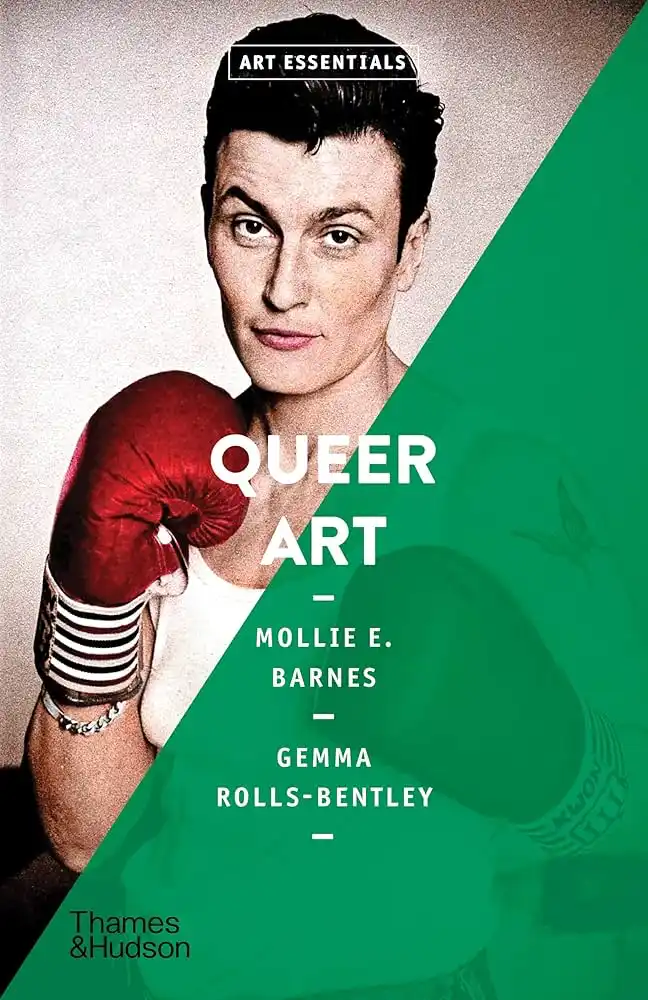
Queer Art (Art Essentials) is out now.
To read this interview in full, check out Attitude Uncut, available to read now on Apple News+ and the Attitude app.