
Kele Okereke on the heartbreak behind Bloc Party’s new album: ‘I’ve had to become a different person’ (EXCLUSIVE)
For Kele Okereke, two painful break-ups led to Bloc Party’s most personal record. He reflects on love, loss, queer life and why compassion matters more than blame
By Ryan Butcher
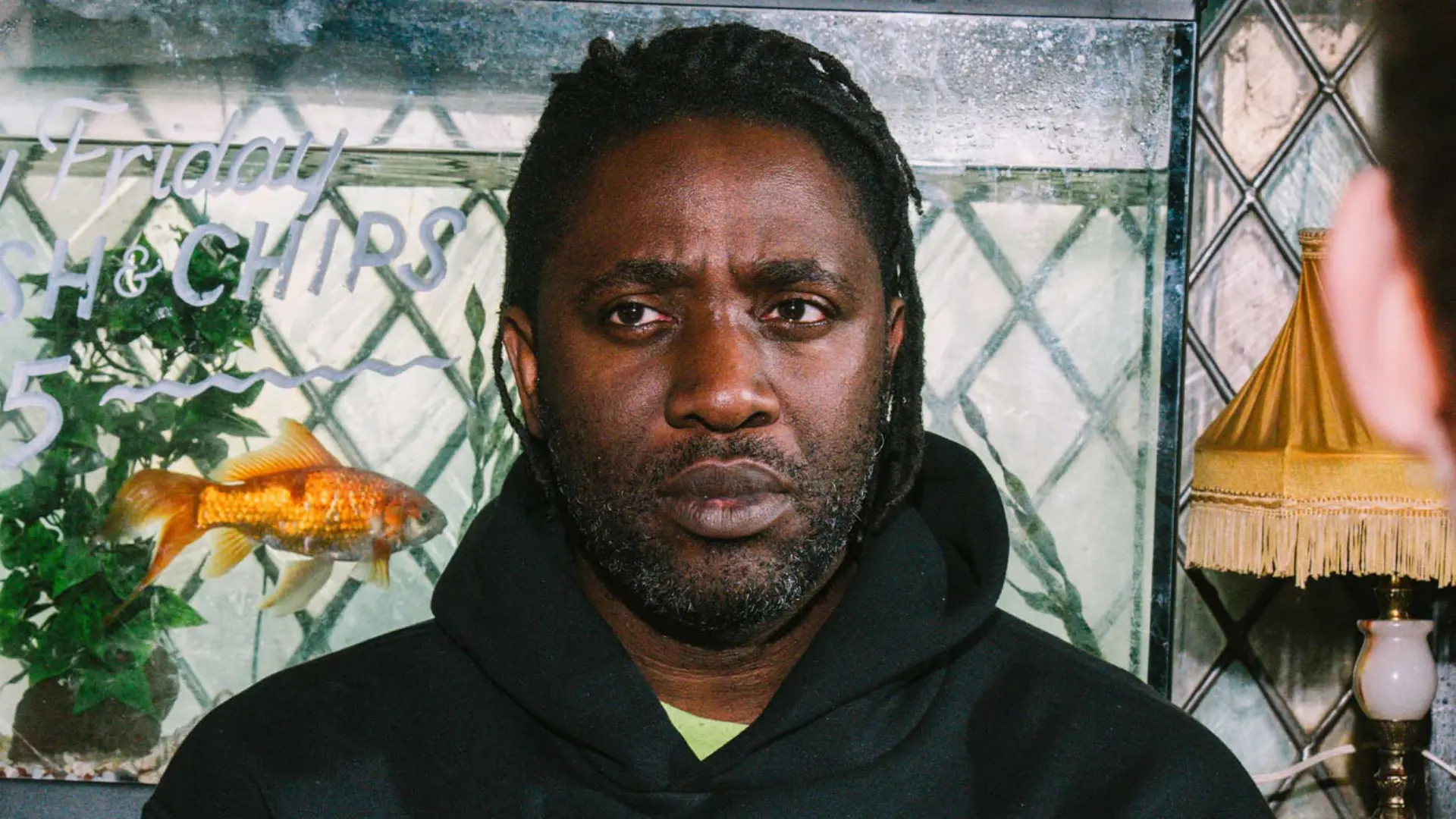
Love isn’t something you win. Kele Okereke knows that all too well.
The past few years have changed him. They have seen the end of two significant relationships, reshaped his understanding of intimacy and left him questioning what queer love even looks like in his forties. Out of these experiences emerged Anatomy of a Brief Romance, the Bloc Party album he never expected to write.
Across 14 songs, the band’s seventh studio album follows a relationship from its euphoric beginnings to its painful end, while retaining the restless, shape-shifting sound that has defined Bloc Party for more than two decades.
“The last two years had been quite dark”
For Okereke, though, making the record wasn’t an exercise in reflection. It was survival. “I’d gone through a very tough time,” he tells Attitude from his Toronto hotel room. “The last two years had been quite dark, and the only place I had to put those feelings and thoughts was into this music. I just had to get these thoughts down because they were eating me up.”
By Okerek’s own admission, the grief surrounding his 11-year relationship had begun long before it officially ended. The heartbreak that defines Anatomy of a Brief Romance came from what happened next. “I was with my partner for 11 years. We had kids. But when that came crashing down, I very quickly went into a new relationship. Possibly too quickly,” he admits. “Because I realised there were still lots of things from my previous relationship that I hadn’t really processed.”
The new relationship offered a sense of hope when he needed it most. When it ended, the weight of two serious break-ups arrived at once. “I don’t think I was really prepared for that. I think that’s where a lot of the angst on the record comes from. I was looking to this new relationship to be a balm for everything. And when it collapsed in on itself, I was just left holding the pieces.”
“Even though I’d been through this awful time, it felt like there was still something to be hopeful about”
What surprised him most was the intensity of the grief. “It’s funny, though. I actually felt more grief for the end of the relationship that inspired Anatomy of a Brief Romance than I did for the end of my 11-year relationship. That still feels kind of strange to me.” He pauses before explaining why, “Even though I’d been through this awful time, it felt like there was still something to be hopeful about. When that ended… Yeah. I couldn’t really make sense of what had happened. We woke up in love and, by the end of that day, everything was over.”
The break-ups didn’t simply leave Okereke grieving. For the first time since the early 2010s, he found himself navigating queer single life again. Much had changed while he was away, forcing him to rethink who he was without a relationship. “I’ve always been quite a romantic person,” he says. “I’ve always been quite centred around monogamy. So to go through these last few years without that… I’ve had to become a different person, really.”
The gay scene he stepped back into barely resembled the one he’d left more than a decade earlier. “The way gay men interact with each other has changed so much – with Grindr, with PrEP… It feels like the rules are different now. Because I’d been in a relationship for more than a decade, I didn’t really notice those changes happening gradually. But now, when I go out and meet people, it feels like everybody I meet is in an open relationship. I’m learning that the scene has changed.”
“I think, as gay men, we can sometimes get sucked into a kind of Peter Pan way of living”
Okereke is careful not to present his own experience as universal. Everyone, he says, finds their own way. “The rules are like anything – they’re there to be broken. They don’t apply to everybody.”
The conversation turns to whether achieving the kind of family life generations of queer people were denied can create its own pressure – not simply to find love, but to hold onto it. “I guess having a family and that kind of life does bring a different sort of pressure. It’s a renewed pressure every day because you’re fighting for this thing. But I don’t think that’s a bad thing.
“I think, as gay men, we can sometimes get sucked into a kind of Peter Pan way of living, where life is just about gratification and hedonism. I get that. But at the same time, having responsibilities – kids, or a partner – and choosing to put that partner above everybody else… I know that might sound like a limitation, but it can also be a blessing.”
Full interview appears in the September/October 2026 issue of Attitude, available on digital platforms and in print now. Buy here