
Is drag over? Three performers stepping back from the ‘drag rat race’ tell their story (EXCLUSIVE)
With over 700 Ru girls having walked into a “werk room” somewhere in the world over the past two decades, have we reached peak drag? Attitude meets Crystal, Polka Dot and Lady Lloyd to ask why they’re stepping back from the drag rat race…
By Jack Cullen
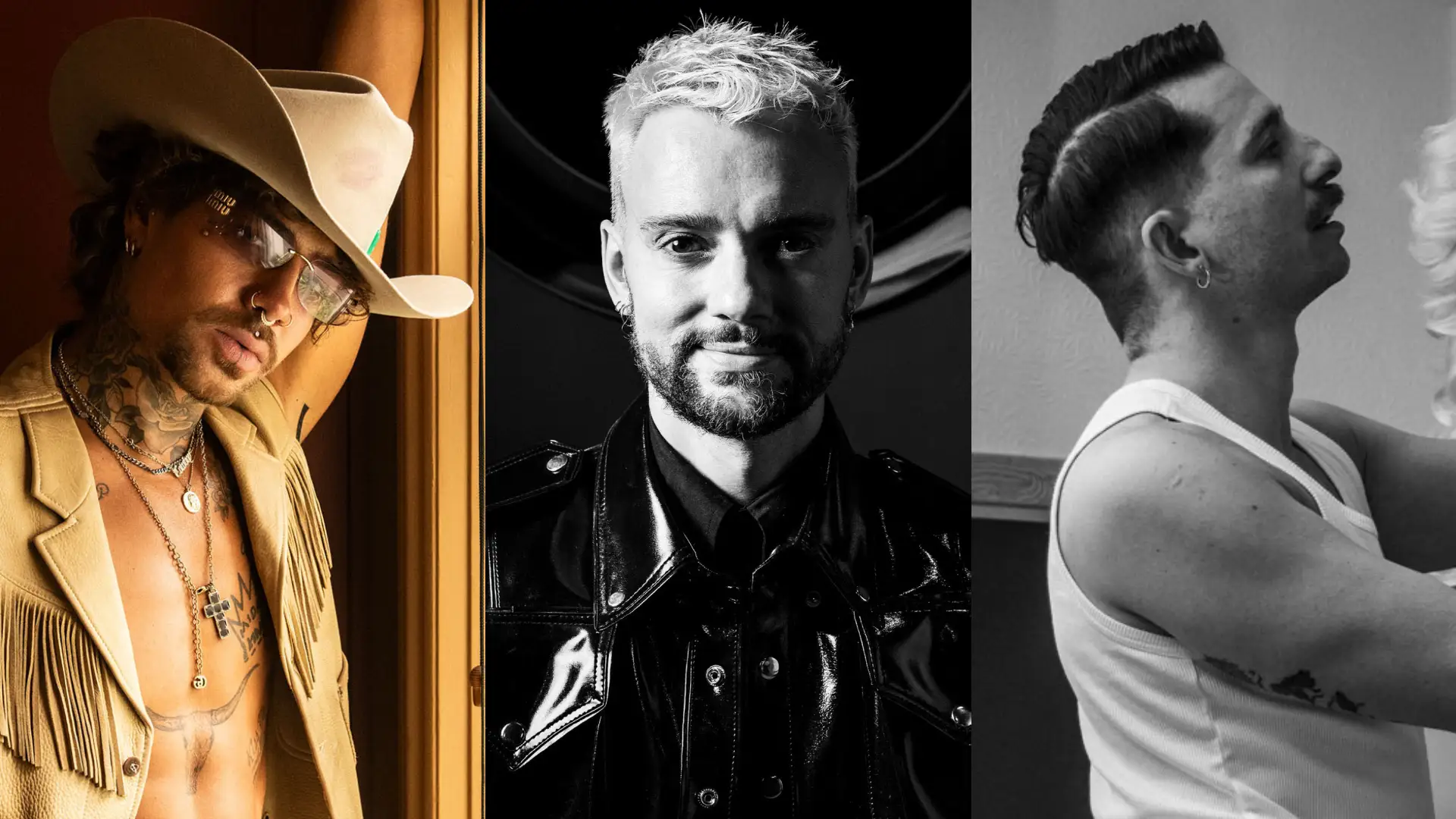
IS DRAG OVER?
There was a time, maybe 10 years ago, when it felt like everyone was becoming a drag queen. As RuPaul’s Drag Race gained mainstream traction, contestants from the programme found themselves with vast and profitable social media followings, which attracted the attention of brands and tour managers. Over in the US, Trixie and Katya put their stamp on YouTube, Bob The Drag Queen toured with Madonna, Willam starred in a Lady Gaga movie, Jinkx has conquered Broadway, and now Jujubee and Ginger Minj are on cinema screens in new movie Stop! That! Train! Elsewhere, other queens have launched pop careers.
The popularity of the show coincided with the age of Instagram, and drag queens had big aesthetics and loud personalities, which were perfect for cutting through the noise in a digital age. Is it any wonder that queer kids growing up in the 2010s, watching the world from their phones, aspired to be like these popular, hilarious, dolled-up superheroes who were paid to have fun and mingle with celebrities?
But after being fashionable for years, it seems the golden age of drag might be losing its lustre. Venues are struggling, and social media trends have moved along. This is against the backdrop of a tense political climate, and a time when organisations that only three years ago were making a big fuss about their queer allyship are now sitting on the fence.
But the comedy that drag provides can change hearts and minds in a way few other mediums can. Drag queens can be at once transgressive and likeable. They’re confident and do a great job of raising people’s spirits, and you can’t shush them up with a nasty comment online. But now it seems some of the queens themselves have had enough – so, what’s going on? Are they bored or burnt out? Or are they getting out at the right time?
“It was becoming a game of diminishing returns” – Crystal
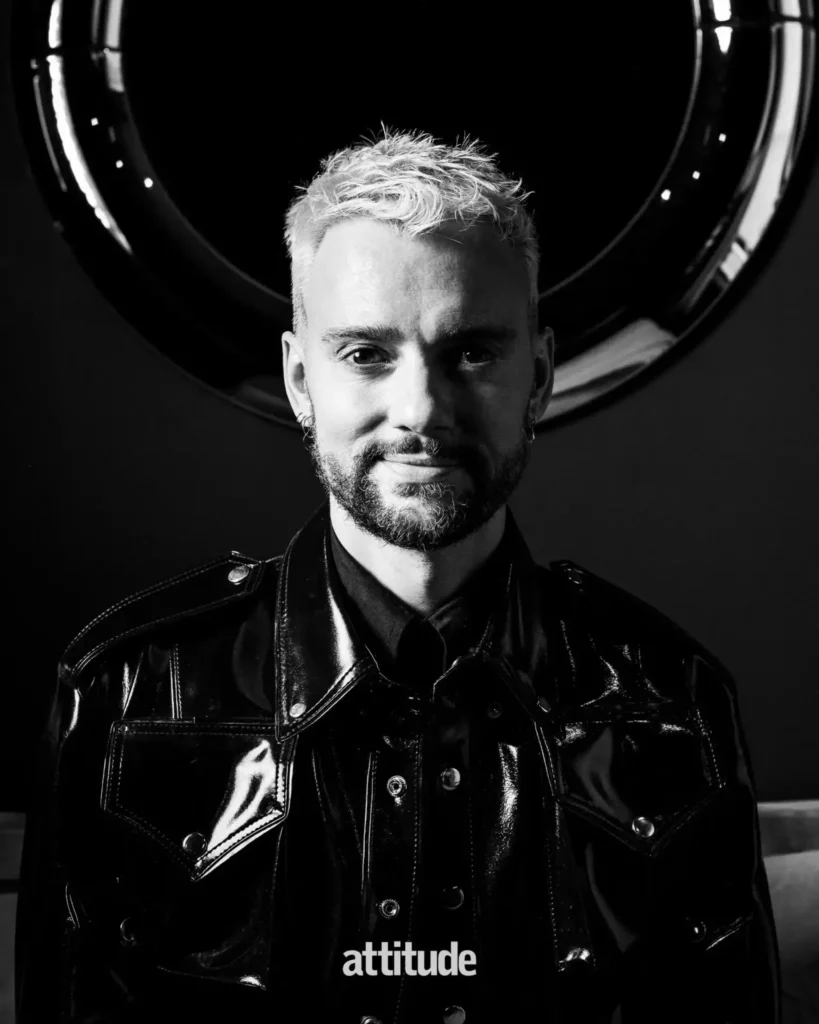
Crystal, who made her name on the first series of Drag Race UK, found herself feeling sad at gigs that were paying the bills but crushing her soul. “I would be performing for hundreds of cheering straight women and feeling… nothing? That wasn’t why I started doing drag; I was inspired by the queer scene.
“There’s something to be said for quitting while you’re ahead,” she continues. “The things about drag that used to feel edgy and dangerous stopped for me; it’s as if drag had all of the grit sucked out of it. I haven’t quit quit, but I’ve certainly stopped chasing gigs. It was becoming a game of diminishing returns.”
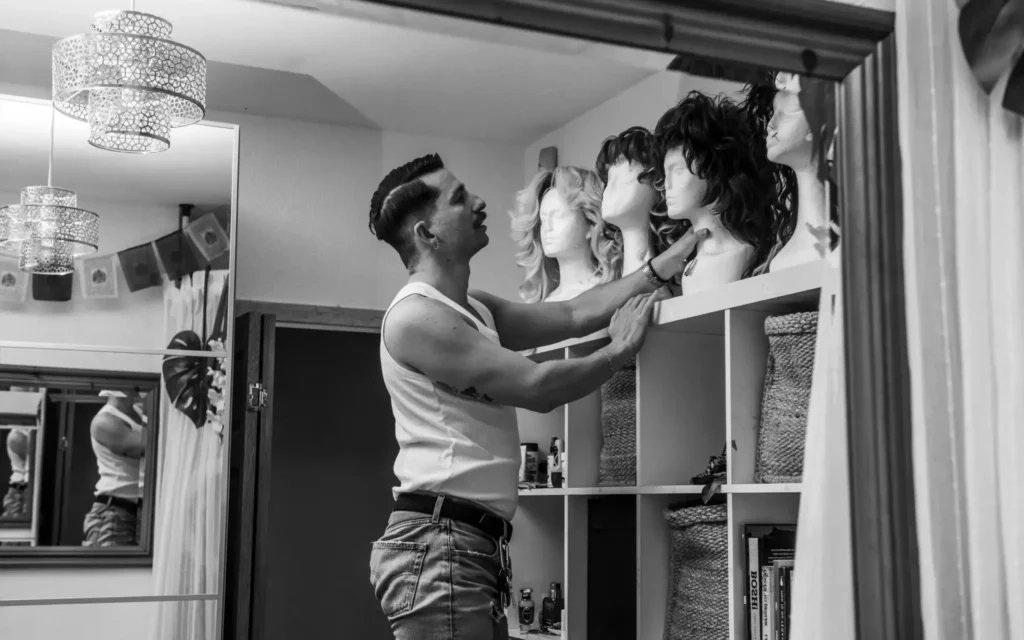
It was the same for Polish drag star Polka Dot, real name Robert Kocur. What started as a fun hobby turned into handing out brunch menus. “Because I hadn’t been on telly, I was like the Polish Cinderella, laying out the felt tips at brunch, paid less than everyone else because I’m a Polish immigrant.”
Polka Dot on the darker side of drag
For Kocur, mental health challenges and drag-related body dysmorphia also got him down. “I was shaving my entire body and facial hair for these gigs, then staring into a mirror alone for three hours and sculpting this feminine illusion. Personally, as a queen, I like to embody what society considers to be a female, but after the show Polka Dot would linger for days.
“Drag can be addictive, as people will love you on stage, and then afterwards you feel lonely, and so you do drag again, and then you lose yourself even more,” says Kocur. “I hated how I looked in the mirror – all smooth and without eyebrows. It would take me a month maybe to get back to normal, and then, just as I was starting to look like my Grindr photos again, ring-ring – another gig would come in. It was fun for a few years, but I began craving something else. I’ve been building up muscles in the gym and cycling lots; it’s hard to do these things when you’re also working until 4am, carrying suitcases and fake boobies up and down Tube steps.”
Behind the glamour
I work with drag queens myself. After helping performance icon Jonny Woo for many years and working at his east London drag bar The Glory, I went on to establish the drag bookings agency Rent-a-Queen. It’s true that drag is hard work, and there’s a laborious, mundane side to the job that many don’t see. I know a queen who sometimes sleeps in their car after gigs, and another who is seeing a physiotherapist about the toll that drag has taken on their body. If you do pursue drag, it’s important to rest and warm up. The money for gigs isn’t just for the time on stage; it’s for the time needed before and after. Clients will sometimes try to talk me down on price, saying, “Well, we only need her for 20 minutes.” But the makeup will still take hours, and the queen still needs to drive or get the train to Penzance and back.
I’ve also noticed a shift in drag tastes. Many birthdays and hen party customers are now saying that they want “old-school drag”. They would prefer experienced singing queens, in sequins and the full shebang, who can banter and tell jokes. For a while, storming up and down clacking a fan was enough for some audiences.
Lloyd-Paul Dixon, previously known as Lady Lloyd, is a DJ and former drag queen who starred in the 2014 TV show Drag Queens of London. Before the days of Drag Race, Lady Lloyd was the Soho drag It girl: she was papped falling out of clubs with Kesha, she had pics of her snogging Rylan splashed in the tabloids, and is besties with Siobhan from the Sugababes. In 2008, Dixon was the first male to walk in Vivienne Westwood’s womenswear show, at the age of just 22.
“I’m not a fucking girl!” – Lady Lloyd
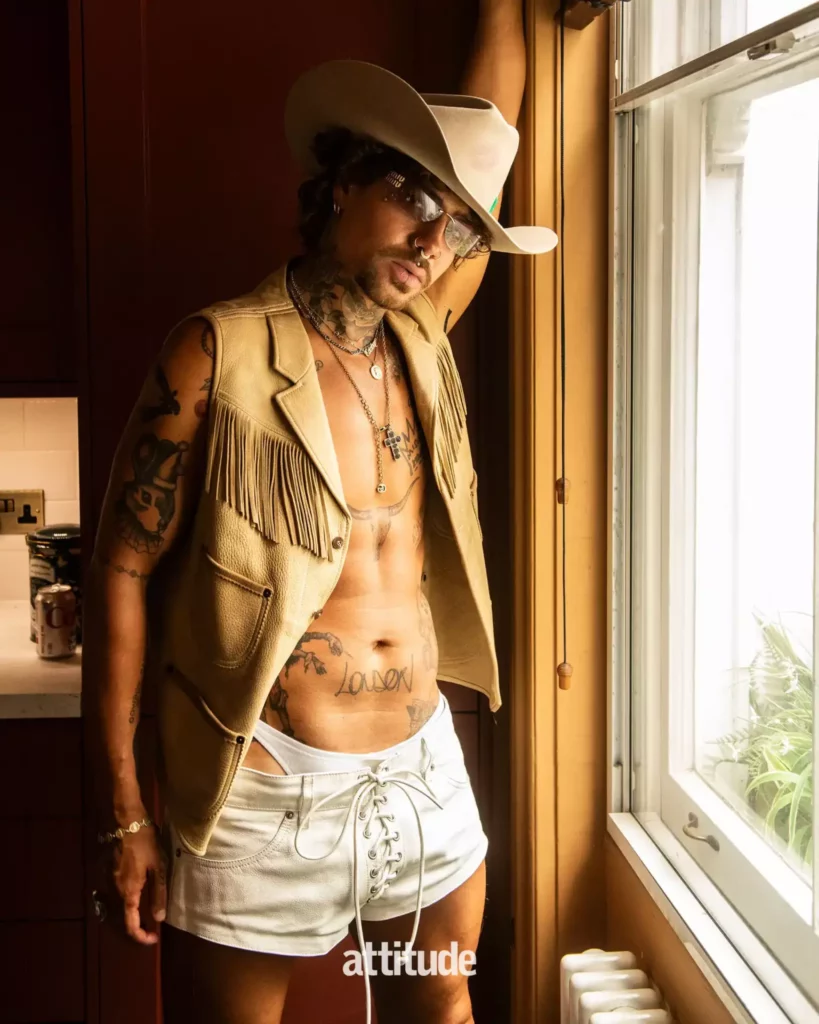
But Dixon had a moment of reckoning. “I can remember the exact moment that I decided to stop drag. I was walking to work, and I just had this visceral feeling inside: ‘I should not be wearing these high heels. Who am I kidding? What am I doing?’ It felt wrong. I was a few years into my sobriety, and doing a lot of therapy and listening to my body and my mind with intention. I felt like I was pretending, which doesn’t mean I was always pretending, but it means that I had changed, and I just knew that I wanted to get out.
“Black cab drivers would always kerb-crawl me. One night, a driver was calling out of his window: ‘You’re a fucking sexy girl! What’s your name then?’ And I just lost my shit. I turned around and screamed ‘I’M NOT A FUCKING GIRL!’ That’s when I realised the fun had stopped for me.”
Luckily for Dixon, his DJ skills are strong enough for him to keep most of his drag residencies without the wigs. “Drag for me was never a costume, to be honest; I’ve always been cooler than that. Most of my stuff was given to me by Vivienne Westwood personally when I modelled for her back in the day.”
The pair remained friends until Westwood’s death, but Dixon has since sold all of his Vivienne Westwood items through renowned auction house Kerry Taylor. “Vivienne wouldn’t have minded; she’d have been pleased. The proceeds paid for my music college degree. I kept one leopard-print fur coat that was very special to me, but everything else has gone. Vivienne always said, ‘Buy less, choose well – make it last.’ And I had been wearing some of those clothes for 20 years. I loved them dearly, but you have got to move on in life. I fucking love throwing things out!”
Has Drag Race created a drag bubble?
Another factor to consider is whether drag has simply reached saturation point. The number of contestants to have taken part in Drag Race globally has now surpassed 700. By 2030, we will most likely see our 1,000th Ru Girl entering the werk room. Drag Race was a godsend, but it seems it’s a double-edged sword that’s now starting to slice up the scene it once championed.
The popularity of Drag Race began to instil a set of expectations around what drag is in the public’s mind. As kids began copying the TV show, other aspects of the centuries-old art form began to wane.
Crystal thinks that while Drag Race was a personal blessing, it also had its drawbacks. “I’ve had such a cool ride as a result of the show and I’m very thankful for it. But there’s definitely also something limiting about it. It’s a shame that casual drag fans aren’t more interested in seeing the edgier sides of the art form. The interest in drag has been a rising tide that has lifted a lot of boats and has given a lot of people a career, but Drag Race also created a bit of a bubble.” And we all know what happens to bubbles…
“It’s just rinse-and-repeat TV” – Lady Lloyd on Drag Race
Dixon says he never had time for Drag Race. “My life is flashing before my eyes, and I see all of these people who are still watching season whatever it is of Drag Race, Love Island, I’m A Celebrity, and I just don’t understand it. What a waste of time. It’s just rinse-and-repeat TV. Why would I watch producer-led ‘reality’ TV when I could be watching Nicole Kidman in Birth for the sixth time?”
For Kocur, the financial inequity driven by Drag Race annoyed him. “Drag Race helped to normalise drag in the mainstream, but I look back now and think: ‘Did we actually need that?’ The good thing is that drag artists can finally actually earn money for their talent, but the other side of the coin is that queens from the show itself will be paid much more for the same booking, even though they’re sometimes the worst and least experienced performer present.”
Are there too many drag queens? My own agency started with 10 pals and now has nearly 100 artists. Are we simply seeing a natural reset as the novelty of Drag Race has worn off?
Are there too many drag queens?
Crystal says, “There’s fewer eyeballs on Drag Race now. Fewer people are interested in going to a drag brunch. The big drag tours have all but evaporated. But that interest was only ever in one kind of drag anyway, so maybe this will be a good thing, ultimately. People are wondering what will happen next.”
Kocur agrees. “There’s room for everyone under the drag umbrella,” he says. “But it’s more competitive now. I guess it’s like acting. There are lots of actors, but only a few will make it big. You need real passion. Sophia Stardust is a good example of a queen who will ride the storm because she’s so passionate and you need that passion to persist.”
Although some cooler queens in London are checking out, drag is still expanding in the rest of the country, even into newly Reform-led regions.
Despite her feelings about her personal drag career, Crystal is excited to see the industry continue to grow. “There can never be too many drag queens! The more people having fun with gender the better,” she says. “But do it because you love it, because you love the scene. Don’t assume it’s a way to make money or get famous.”
Crystal has little time for homogenous commercial drag; she lives for her edgier east London vibes. “I love punky drag and there are some great queens out there. Jane Norman is brilliant and I love Bailey J Mills – those girls are keeping that punky drag ethos alive and they continue to inspire and make me laugh.”
Meanwhile, Kocur, as a queer Polish man, is proud of the progress that Eastern European drag queens are making. “My sister Stealia Jobs is one of the best in the business – she’s a brilliant singer and she’s very funny. My sister Alexis Saint Pete was robbed on her season of Drag Race UK, but she’s so driven. She’s built up a following from scratch, and I’m amazed by her hard work. Alexis is a star; the camera loves her.”
Dixon chimes in with his top drag artist. “For me, it’s Danny Beard. Danny Beard is at the top of their game, I love their show – they’re great.”
Life after drag
These days, Dixon is busy DJ’ing at The Clapham Grand, Mighty Hoopla and his usual chaotic coterie of Soho haunts, but he’s replaced the designer dresses with leather chaps and rhinestoned cowboy hats: “Boy or girl, there’s never going to be any room in my wardrobe, I’ve come to accept that.”
Both Crystal and Kocur say that they have 80 per cent quit drag. Crystal is currently presenting her hit podcast Camp Classics! “I would rather do drag for free, like at a protest, and show up for my community, than be paid to do a brunch,” she says. “But I’m no longer pursuing the performance side.”
Kocur is still interested in taking his Polish collective Slav 4 U to festivals. “I hope that Jonny Woo will continue to invite me to Glastonbury’s Block9 to dance at the NYC Downlow. For me, that is where my drag comes alive. But no way am I doing makeup at 8am so that I can hand out bingo sheets and brunch menus. Never mind a full house – you’d have to buy me a house to persuade me!”
Instead, Kocur is playing with his masculine-feminine axis in a non-drag way. “There is so much to explore – drag is just one chapter in my journey,” he says.
This is a feature appearing in the September/October 2026 issue of Attitude, available on digital platforms and in print now. Buy here.