
‘This is gay music’: Oliver Zeffman on how Classical Pride is reclaiming the genre’s queer roots (EXCLUSIVE)
“As a whole, the classical music industry has a marketing problem,” Classical Pride founder Oliver Zeffman tells Attitude
By Jude Jones
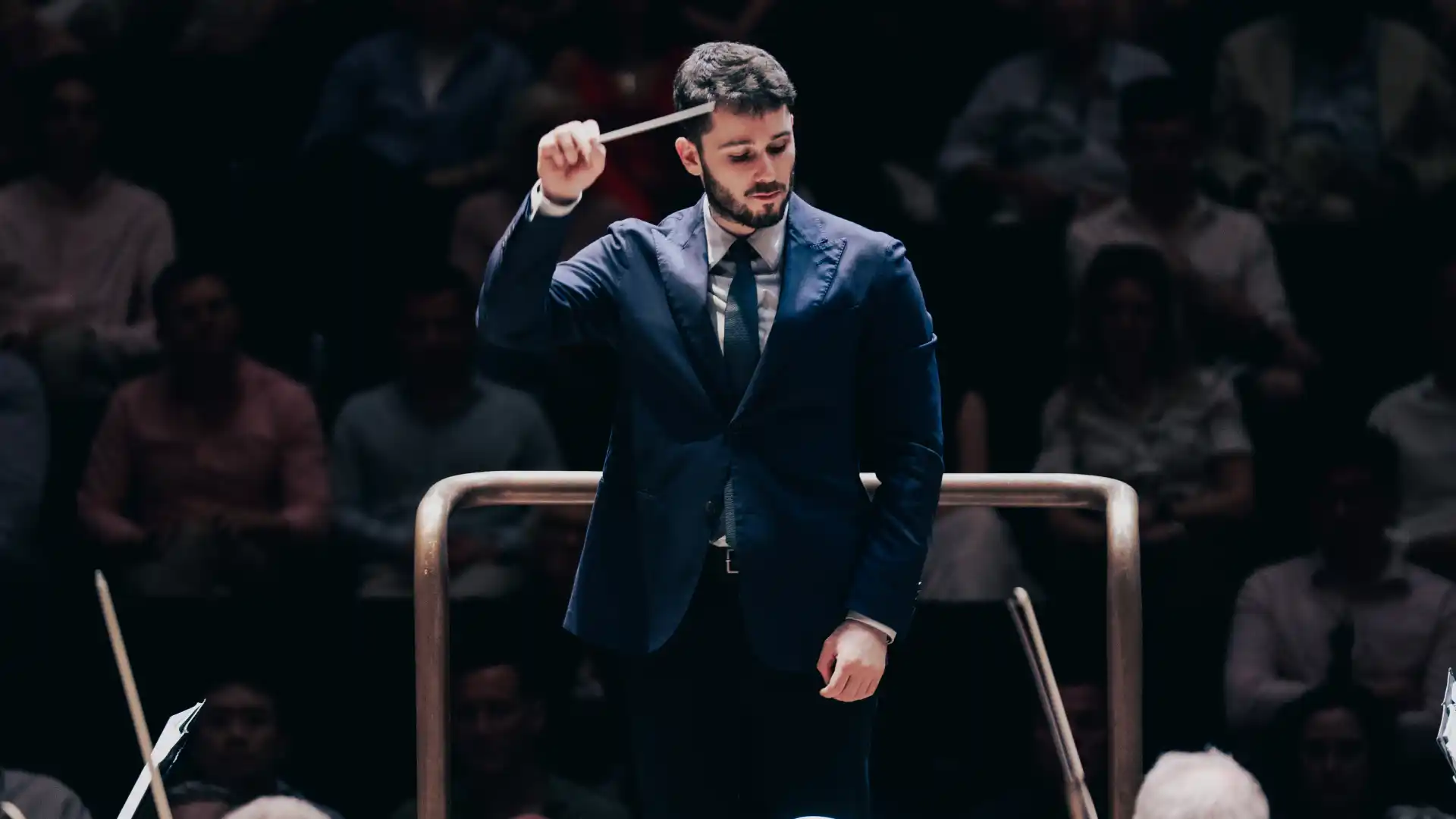
Tchaikovsky was gay. A musical psychodramatist now heralded as one of classical music’s giants for the emotional neurosis he could stir, the Russian composer also wrote lengthily and fluently of his attraction to younger men in his private letters (mostly to his brother Modest, who was also gay) and was fairly open about his sexuality.
“This is gay music,” says Oliver Zeffman, a 33-year-old conductor and the director of Classical Pride, an annual celebration of queerness in classical music now in its fourth year. “We talk about Elton John or Lady Gaga or Chappell Roan [as gay music], but Tchaikovsky was born way before John’s grandparents were even conceived.” Now, believes Zeffman, it is time that classical artists like Tchaikovsky get given their queer due.
Where did Oliver Zeffman’s career begin?
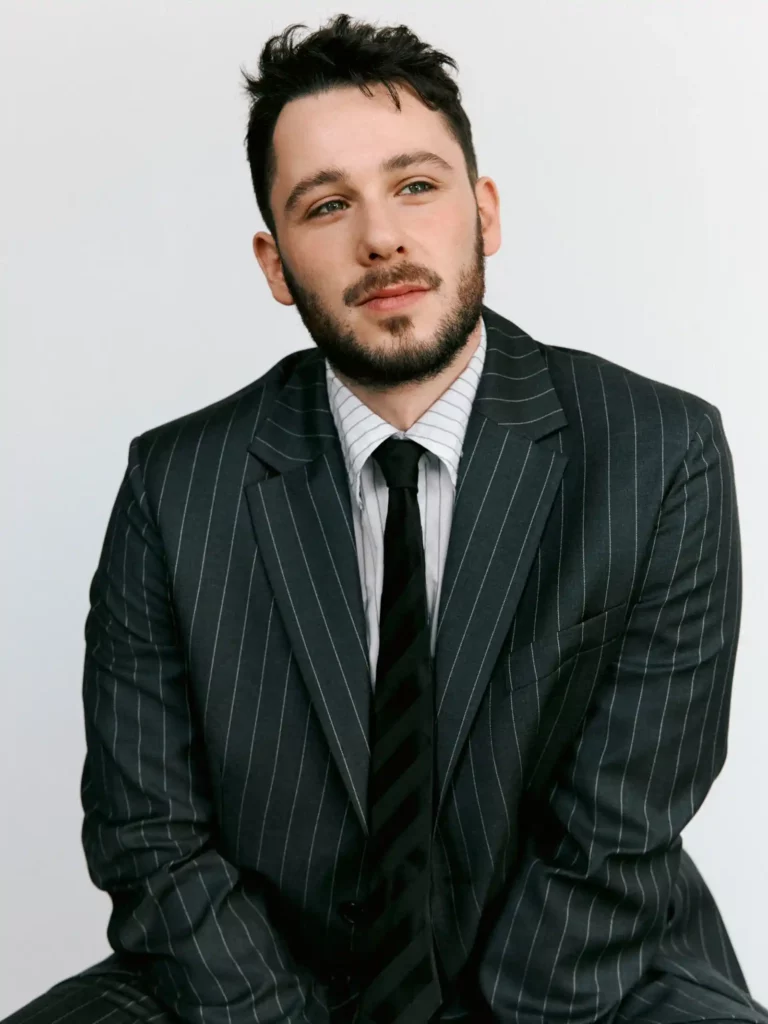
Zeffman was never a musical prodigy. His first forays into classical were violin classes imposed by his high-achieving parents aged three, who appreciated the genre but preferred Luther Vandross or the Isley Brothers to Wagner or Stravinsky. They had just wanted to one-up an older cousin who had also started classes recently; he remembers being more interested in playing with friends and video games than virtuosity. But Zeffman enjoyed the instrument enough and chose to stick with it into his teenage years, when he eventually decided he wanted to give conducting a crack.
Conducting takes chutzpah: “You have to have some ego to stand in front of 100 musicians like that.” However, it’s not a profession you can just strut into. Mozart’s father had been a conductor and violinist to Count Leopold von Firmian, a Protestant zealot and the Prince-Archbishop of Salzburg; Beethoven had come from a dynasty of respected musicians. Zeffman didn’t have any such aristocratic nepotism to call upon, beyond a distant blood connection to the 20th-century pianist and mononym, à la Madonna, Solomon. So, he had to take a guerilla approach to get his foot in the conductorial door, assembling a motley orchestra from his high-school friends. “I was rubbish,” he recalls, “and they were rubbish, but it’s how I started.”
Education and formative experiences
This experience was protean, but would come in handy when Zeffman headed off for university, where he studied History and French at Durham: History because it was his favourite subject at school; Russian because the same cousin had studied it, and because he already felt proficient enough in French and Italian, two of the other main languages of classical music.
In his third year, Zeffman had the opportunity to study abroad and chose St Petersburg Conservatory in Russia, an imposing 19th-century monument to the arts that includes an opera, ballet theatre and concert hall. It is also where Tchaikovsky, one of Zeffman’s favourite composers, was taught. It was there that he got his first real conducting training, and he returned to the UK determined – and would occasionally return to St Petersburg to conduct shows there, to his university’s glee.
Conducting and a music “marketing problem”
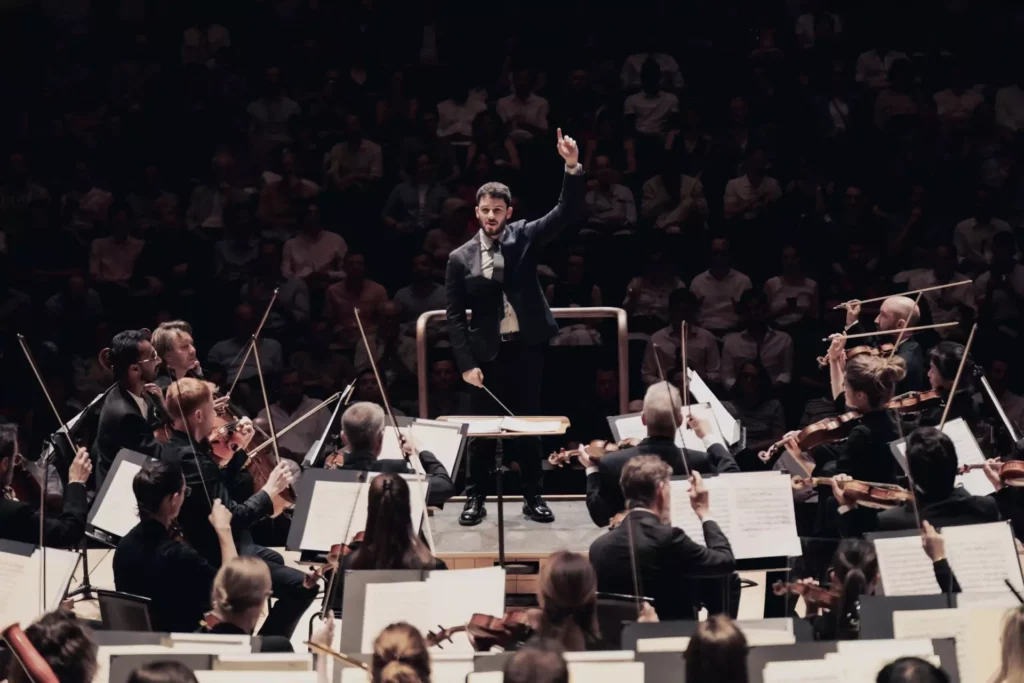
After Durham, Zeffman enrolled at the Royal Academy of Music, before going on to work assisting conductors and networking his way into the industry, which he felt was turning into a relic. “As a whole,” he says, “the classical music industry has a marketing problem.” The names most associated with the genre – the Tchaikovskies, Mozarts and Beethovens already mentioned – died centuries ago. And despite much of the genre’s greats having been LGBTQ+, from Tchaikovsky to Chopin to Saint-Saëns to Handel, it is still seen as a stuffy and generally straight affair.
Founding Classical Pride
Classical Pride, which Zeffman launched in 2023, was therefore an obvious idea (although, he states that “it’s not particularly out there”), even if the event was the first of its kind outside the US. After fishing around for sponsors and hosts for about six months, the Barbican got onboard and helped debut the first edition, where Zeffman conducted the City of Birmingham Symphony Orchestra and renowned LGBTQ+ soloists like pianist Pavel Kolesnikov and non-binary soprano singer Ella Taylor in performing works by LGBTQ+ composers, including Bernstein, Caroline Shaw and, of course, Tchaikovsky.
He felt the event was a smash hit, selling out tickets and bringing classical music to audiences who might not have interacted with it before. The second year went bigger, bringing on RuPaul’s Drag Race alums Thorgy Thor – also a violinist – and Monét X Change, also a classically trained opera singer. “There’s a lot of crossover,” Zeffman opines, “between opera and drag,” with all the cross-dressing and campness inherent to both.
Taking Classical Pride across the globe
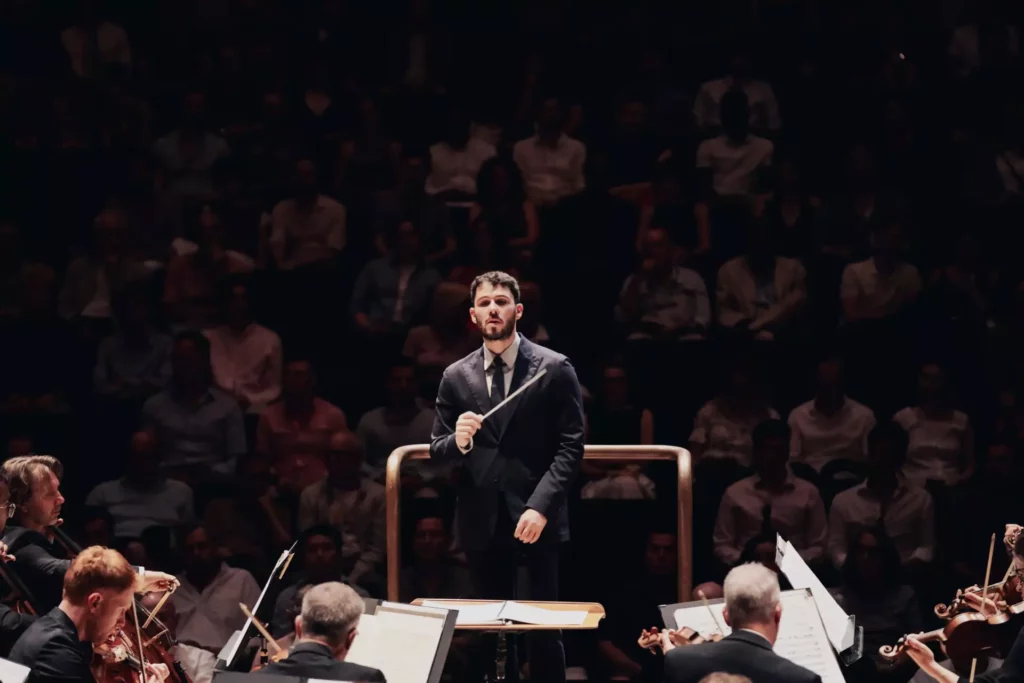
Zeffman took Classical Pride global for the first time last year, performing with the Los Angeles Philharmonic at the Hollywood Bowl. It featured performances of Jake Heggie’s Good Morning, Beauty cycle – a humorous ode to the long-term queer relationship – and lesbian conductor Jennifer Higdon’s Blue Cathedral, which she wrote after her younger brother, Andrew Blue, died of skin cancer.
This year will feature work by Henriëtte Bosmans – the queer composer who was banned from performing during the Nazi occupation of the Netherlands – and a bacchanalian Baroque ball at the 17th-century Whitehall Palace, which was once the residence of Stuart king and bisexual playboy James I. Baroque was an obvious subgenre for Classical Pride to take on, says Zeffman. “Of five big Baroque composers – Bach, Vivaldi, Handel, Lully and Corelli – three of them [Handel, Lully and Corelli] are gay.”
Classical Pride in 2026
“Classical music is enormous,” says Zeffman, “we’re not interested in doing the same thing every year.” Hence all the variation, from drag operas to Baroque balls to Hollywood Bowls. However, Classical Pride’s core aims always remain the same, says Zeffman: the recentring of LGBTQ+ artists in the classical canon, the introduction of classical music to new audiences, and the putting on a damn good show. And on all three fronts, Zeffman thinks, Classical Pride has only hit high notes.
Classical Pride 2026 show dates:
- Charlie Lovell-Jones & Charles Owen: Kings Place, London, on 10 June 2026 at 7:30pm
- The Baroque Ball: Banqueting House, London, on 11 June 2026 at 7:30pm
- City Music Foundation Artists in Recital (Free Event): Venue not specified, on 14 June 2026 at 6:00pm
- Barber Adagio and Ravel Boléro: Barbican Hall, London, on 14 June 2026 at 7:00pm
Classical Pride 2026 runs from 10 June to 14 June. For more information and to purchase tickets, please visit the official Classical Pride website.