
Dear LGBTQ youth: Here’s why you must learn about this lesbian photographer – and her epic shots of queer ’70s NYC
A London staging of the work of veteran photographer and lesbian activist Donna Gottschalk reveals the everyday lives of queer New Yorkers from as far back as 65 years ago. It’s essential viewing for queer people of all ages
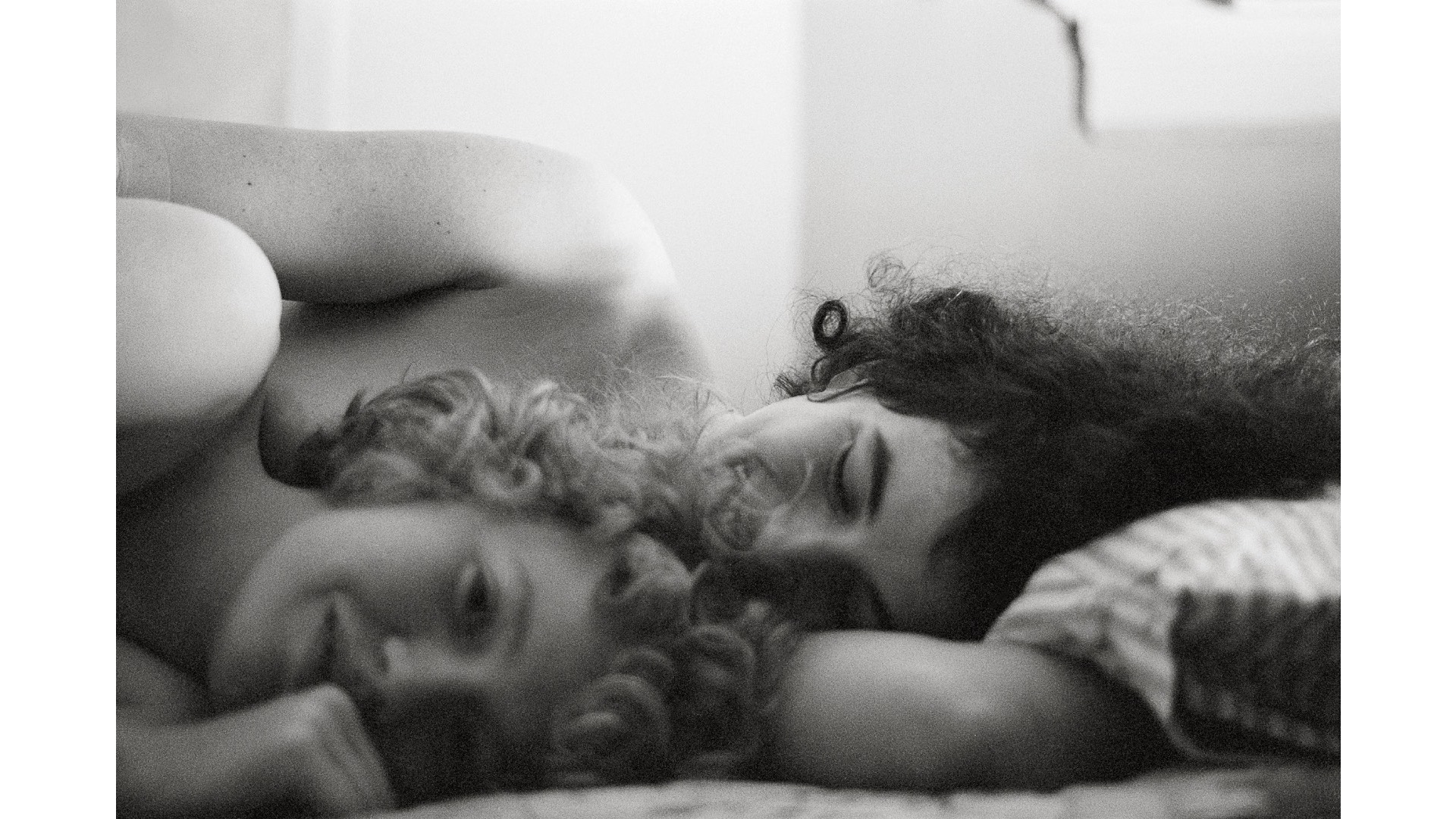
“I got my first camera at 17 and discovered all of these noble, marginalised people entering my life. I forced myself to be brave and ask to take their pictures… Sometimes they asked why, and my answer was always: ‘Because you are beautiful and I never want to forget you’.”
So says photography titan Donna Gottschalk, a 77-year-old lesbian activist and Gay Liberation Front member, ahead of a fascinating new exhibition of her work at the Photographers’ Gallery in London this spring, provocatively titled We Others.
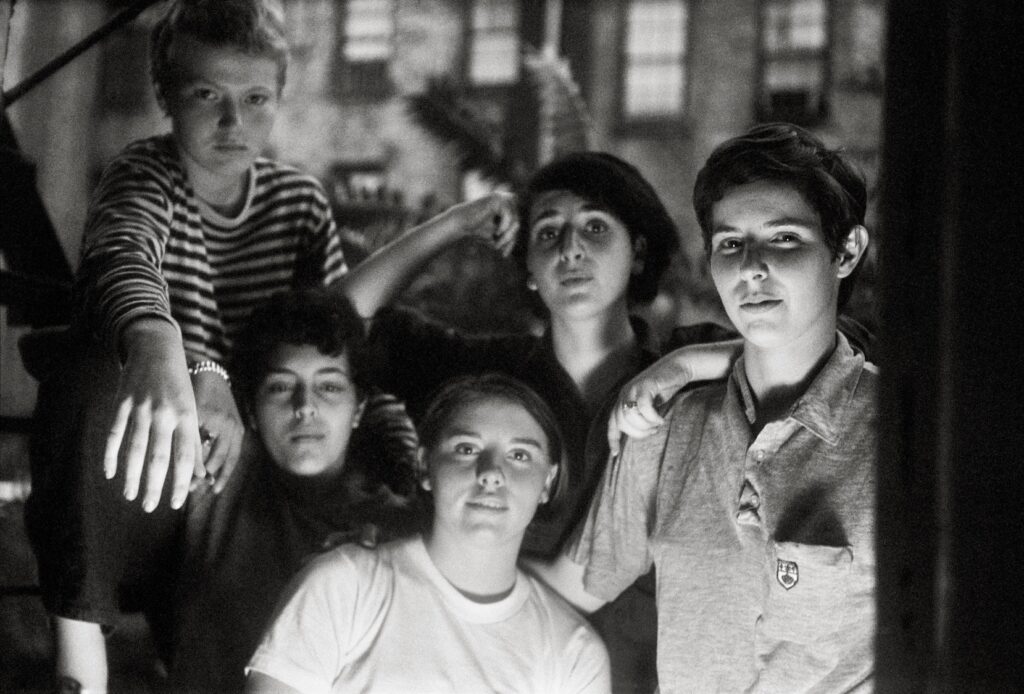
Oak, Robin, Binky, Chris and I, Baby Dykes, E. 9th Street, New York, 1969
Courtesy of the artist and Marcelle Alix, Paris © Donna Gottschalk
The show juxtaposes the tremendously intimate work of Gottschalk, born in 1949, with illuminating text by 39-year-old French writer Hélène Giannecchini, offering a cross-generational dialogue about queer visibility, memory and courage that’s sure to resonate with LGBTQ people of all ages, while demonstrating just how enduring the concept of chosen family really is.
Gottschalk was raised in the tenements of New York’s Lower East Side in the 1950s and spent a lot of time on the streets; a backdrop of violence and homophobia shaped her perspective.
Active in early LGBTQ rights movements, her photographs reveal the daily lives of her nearest and dearest, from friends and lovers to siblings and fellow activists, plus other marginalised people.
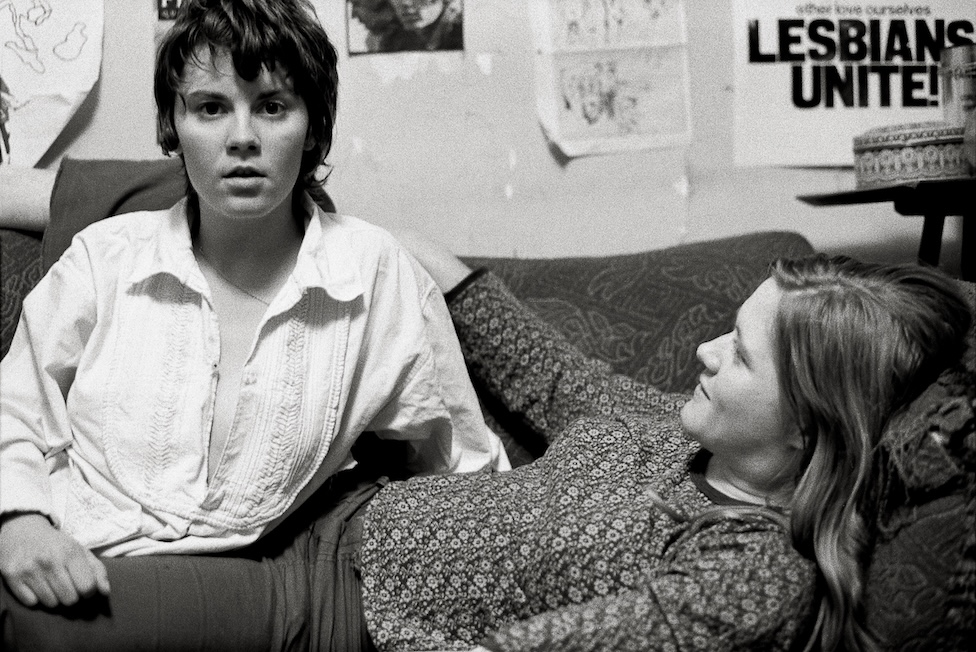
Marlene and Lynn, E. 9th Street, New York, 1970
Courtesy of the artist and Marcelle Alix, Paris © Donna Gottschalk
José Neves, an Assistant Curator at the Photographer’s Gallery, tells Attitude the exhibit is “a walk with Donna through New York, the key moment in Donna’s practice. The show is about the idea of creating your own family. Donna was part of the original, early days of LGBTQ activism.”
Giannecchini has meanwhile said of meeting Gottschalk for the first time, “I realised that this was a special encounter, that we would be bound together from then on and that those photos taken 20 years before I was born, also had something to say about my life.”
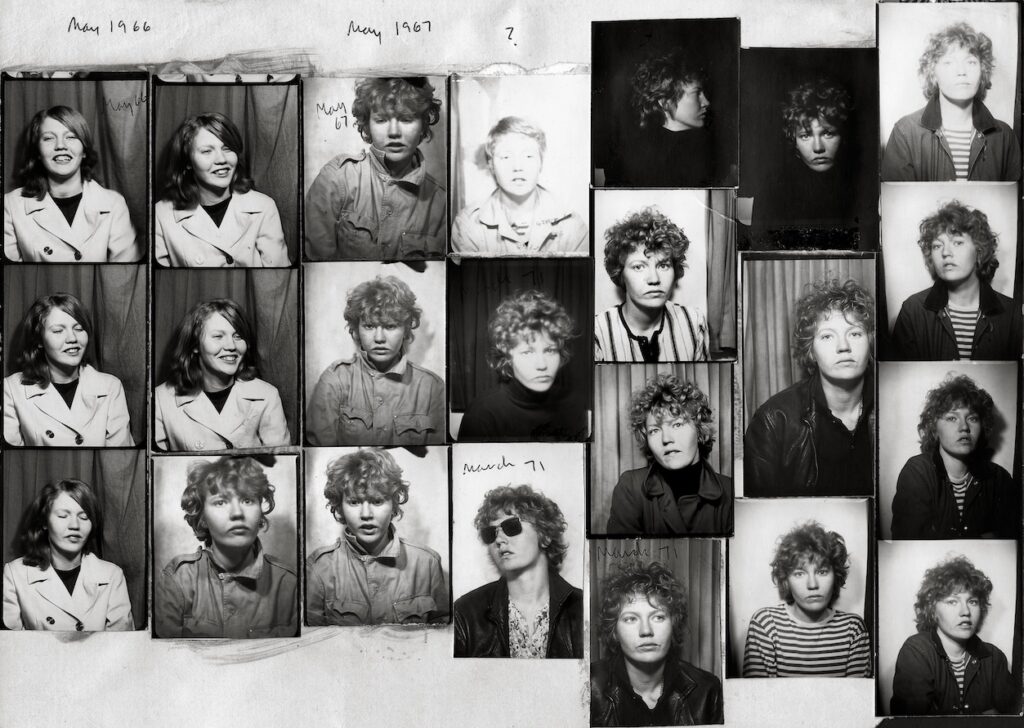
Photobooth portraits, 1966-1971
Courtesy of the artist and Marcelle Alix, Paris © Donna Gottschalk
Gottschalk joined the Gay Liberation Front in 1970. She took part in the action led by lesbian feminist organisation Lavender Menace to protest at the convention of the National Organization for Women against the exclusion of lesbians from the feminist liberation movement.
“Donna’s images are quite striking,” says Neves. “I think they’re the opposite of what you might expect from the period, with the powerful images of demonstrations on the streets. They could be described as more personal, about daily life. Moments with friends, family others within the lesbian community of that period. There are characters who appear throughout; one of the main characters is Donna’s sister Myla, a transgender woman. You can witness that transformation and transition through the images.”
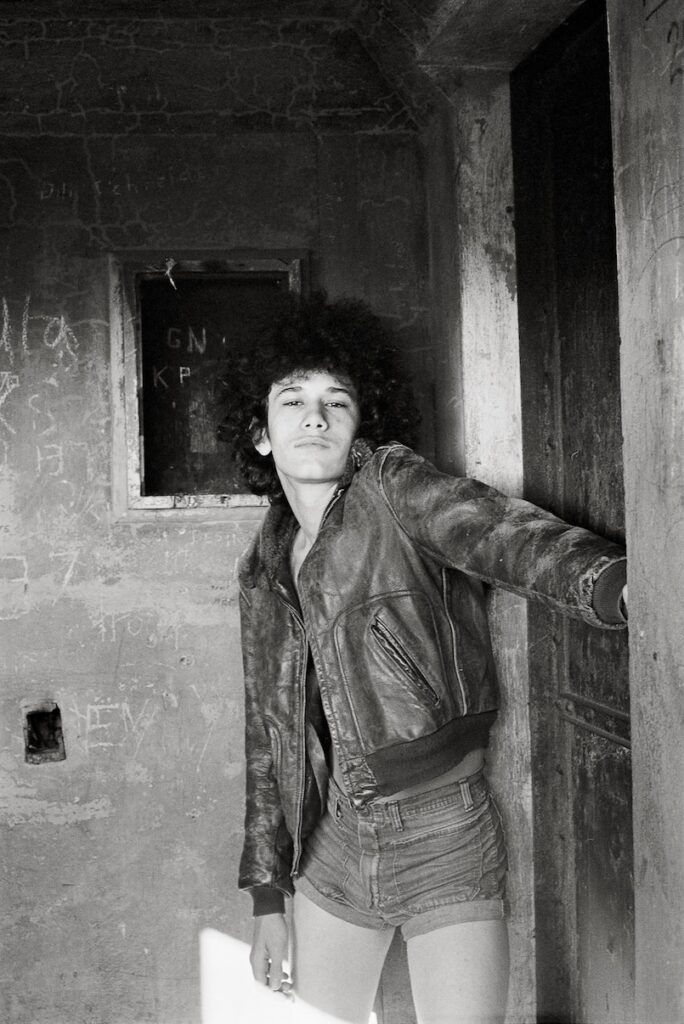
Myla, Sausalito, California, 1972-1973,
Courtesy of the artist and Marcelle Alix, Paris © Donna Gottschalk
“There’s a dark side to this exhibition,” continues Neves. “There are many people who have died, a large percentage who have not survived. Myla, for instance, was unfortunately killed in the 1990s. That says a lot about the complex history that’s displayed in the show, although the show is not actively protesting. The images are soft.”
Gottschalk is “very much involved” in the staging and plans to attend the opening, says Neves. “She made the selection of images,” he adds. “There will be a talk, which I’ll be moderating with Hélène and Donna.”
Gottschalk’s work has only been publicly displayed once before, in 2018 in New York City. (We Others is adapted from a 2024 show previously exhibited in Paris). Neves says Gottschalk, now based in Vermont, rarely printed back then. “You have to understand, for Donna, the subject was not accepted. She struggled while she was studying photography [at the Cooper Union for the Advancement of Science and Art] because homophobia was present. She had a horrible time, so she never showed.”
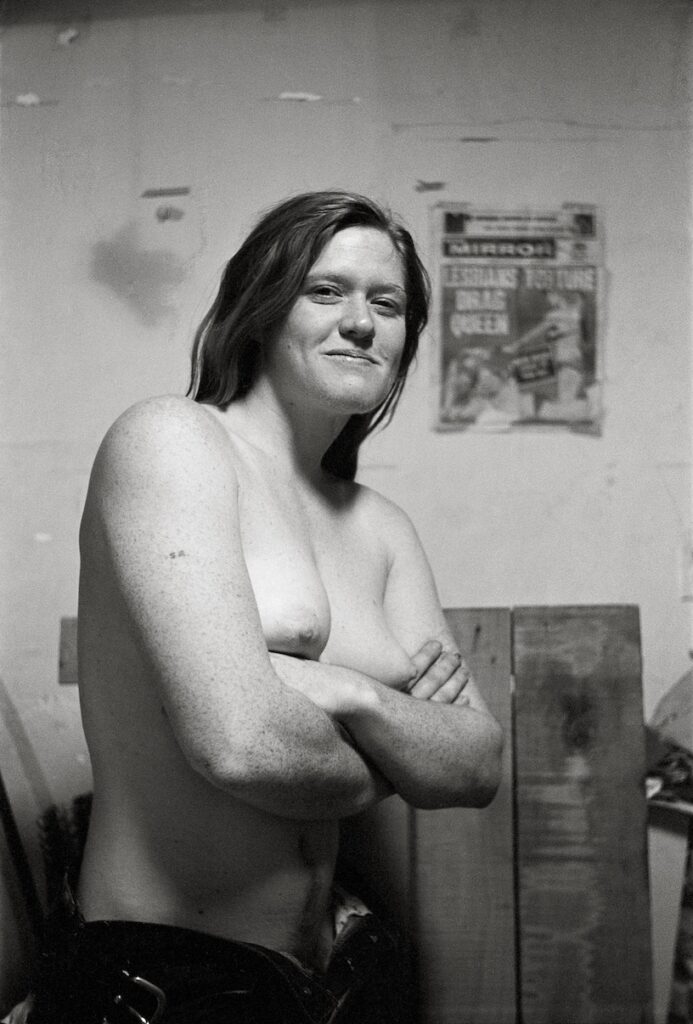
Marlene, E. 9th Street, New York, 1968
Courtesy of the artist and Marcelle Alix, Paris © Donna Gottschalk
On the logistics of putting this show together, Neves explains: “We had access to the negatives. We were able to bring them to Europe – Hélène travelled to Paris with that material after visiting Donna’s farm in Vermont – so we have new prints.”
He calls the work “special. There’s more of an effort by institutions to bring this work to light; work that was either suppressed or completely erased. We’re looking back at the history of queer lives. Especially lesbian life – many lesbian photographers were never allowed to show their work. It’s a slice of that life that was never on display.”
“It’s really important that we are able to bring that work to younger audiences. To show there’s a continuity. When you don’t have representation, it feels almost like there’s a gap. But that’s not true. This exhibition shows thriving LGBTQ lives, not only in activism, but in the private lives of these people, who are so fascinating. We are a community and need to build it that community. The templates, tools and strategies people used to do that in the past are still valid.”
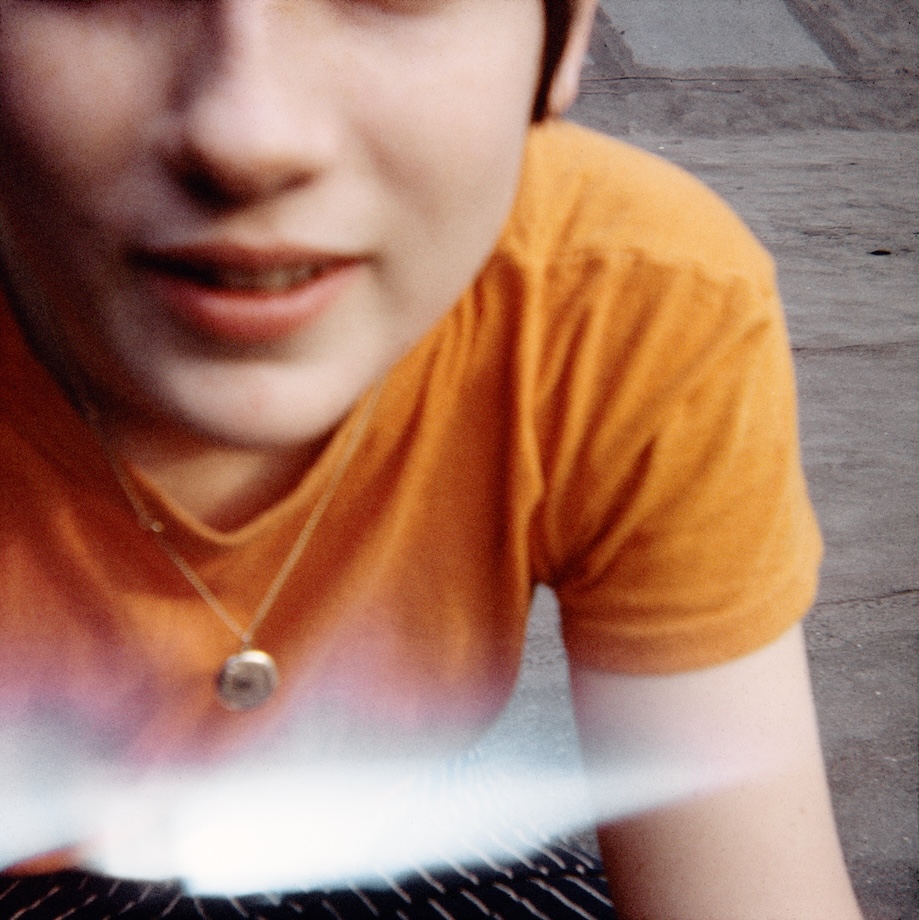
Jill, President Street, Brooklyn, New York, 1968
Courtesy of the artist and Marcelle Alix, Paris © Donna Gottschalk
Asked for his thoughts on the current state of play for photography as a form, Neves says: “It’s thriving! There’s always this negative, doomsday scenario – ‘there’s an excess of photography!’ – but it’s always been like that. It’s cyclical. We end up discussing the same things over and over.
“But photography is capable of adapting to anything. It’s incredible, the transition from analogue to digital, for instance. The medium will always adapt.”
We Others: Donna Gottschalk and Hélène Giannecchini will run from 6 March–7 June 2026
For more information, visit The Photographers’ Gallery official website.
Get more from Attitude