
BBC Tiger Island star Dan O’Neill in conversation with Riyadh Khalaf – 9 standout moments (EXCLUSIVE)
Breaking the mould as an openly gay TV biologist, O’Neill reflects on the defining moments that helped him find comfort in his sexuality and ultimately led him to a groundbreaking tiger discovery in Western Nepal
By Aaron Sugg
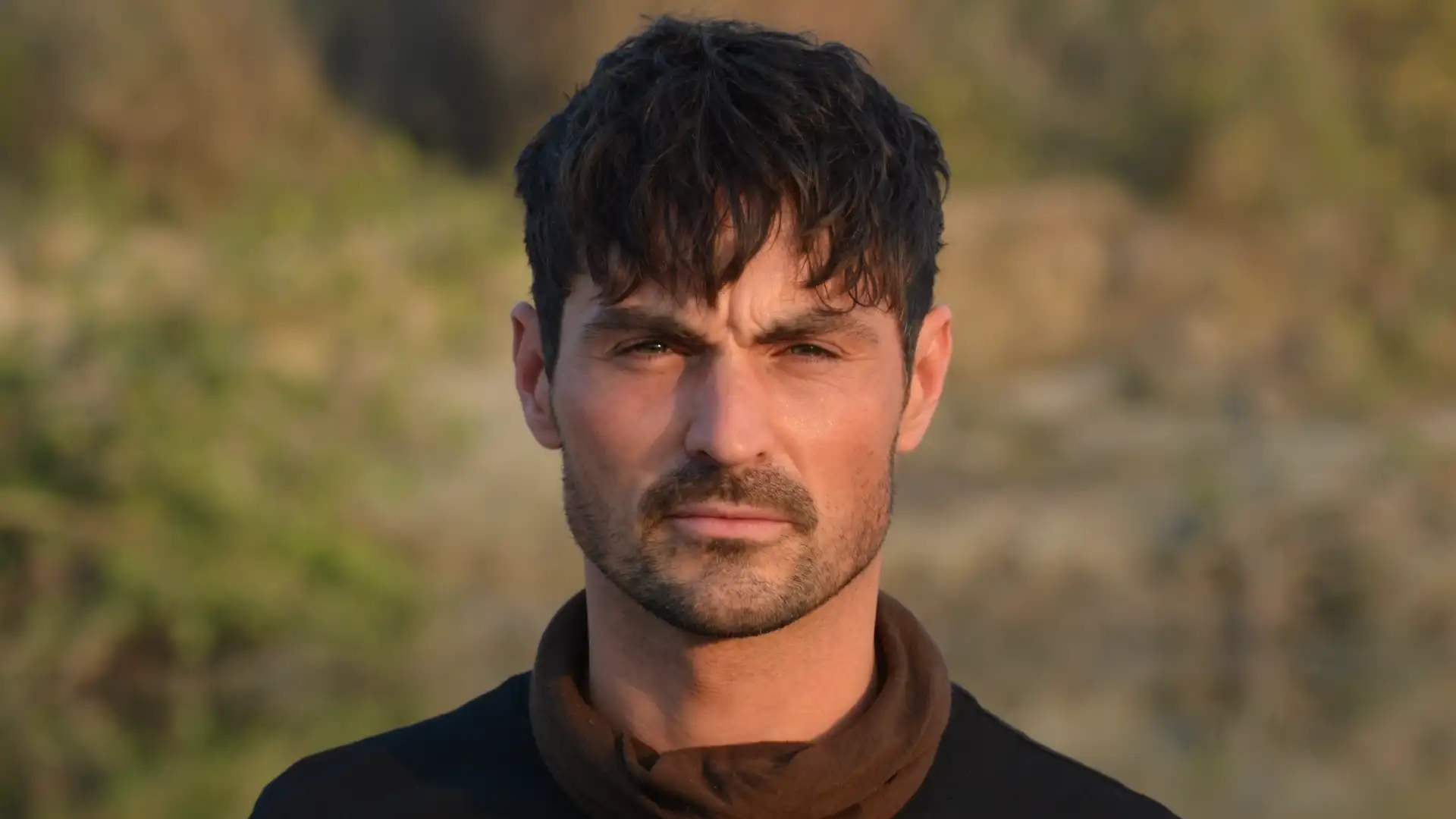
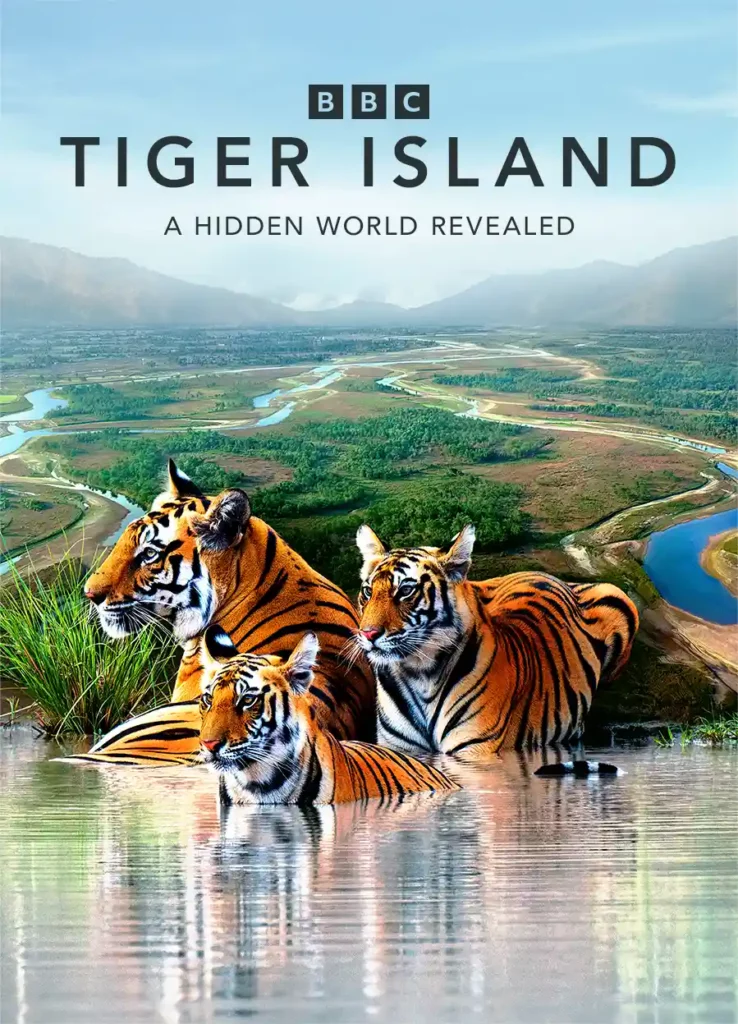
Documentary-maker Dan O’Neill, the first openly LGBTQ+ television presenter to front a wildlife series with his 2023 programme Giants, is preparing for the release of his latest BBC project. Tiger Island premieres on BBC One and BBC iPlayer on Sunday 7 June, following O’Neill as he comes face to face with wild Bengal tigers on the river islands of Western Nepal.
Ahead of the documentary’s release, the 34-year-old sits down with nature storyteller Riyadh Khalaf to discuss breaking the mould in the industry as a publicly gay TV biologist, growing up immersed in nature alongside a feathered best friend, and his groundbreaking discovery of female tigers living in a previously undocumented region of Nepal.
How a hawk helped Dan O’Neill find his tribe in the wilderness
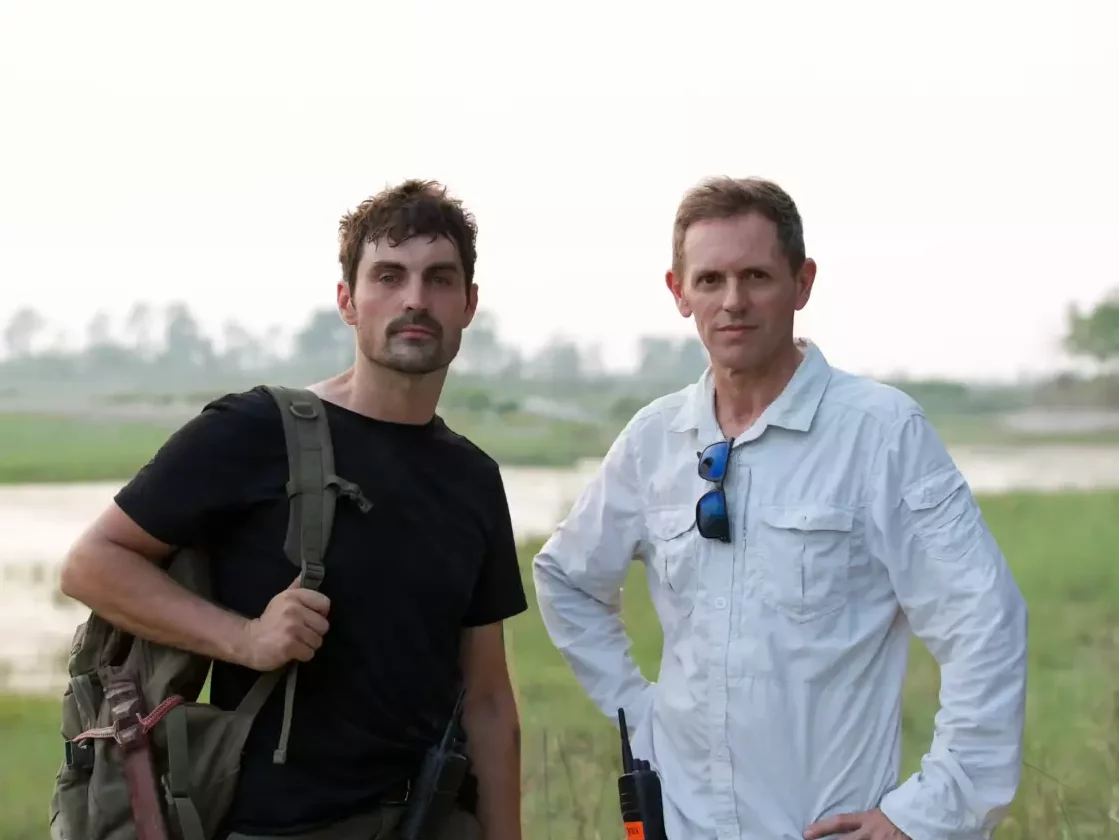
Dan O’Neill: I raised a hawk myself. So I had that crazy experience of living in the wilderness in the US and then raising this bird of prey that in no way was a pet, they are wild animals. What’s cool about that bird is it’s the only bird of prey that’s truly gregarious, meaning that it hunts in social family groups. So when I would walk through the forest, he would hop through the trees and follow me like a member of his pack. I think that’s an important LGBT-related thing because at that time, I’m sure you’ll agree and so many people will have the same story, that we’re quite othered. And my solace was the fact that this creature that nobody else around me had anything like, was following me through the trees. That definitely gave me a lot of sense of belonging.
Growing up without LGBTQ+ role models in wildlife television
Riyadh Khalaf: Was there ever a thought in your head, like: wait a minute, I’ve not seen anyone quite like me do this? You know I think back to all of the amazing and bonding moments I had with my parents with animals and watching people like Sir David Attenborough. And although I was so drawn to him and drawn to the stories, I didn’t see myself reflected back in any of the on-screen talent at the time. Was that ever a concern for you or did that motivate you more?
Dan: Hmm, there was definitely a period of time when I’ve always had this secret dream. It’s always been bubbling under that I wanted to follow in the footsteps of people like David Attenborough, Steve Backshall, people that I looked up to loads when I was younger.
All of these people just like you said, none of them are gay, or at least none of them are openly gay. I just didn’t see that these adventurers and many of the other ones had come from either backgrounds. It was kind of a macho-ness and almost like a sort of archetypal masculinity that, in order to be in the outdoors and to survive in nature, you have to kind of fit that mould.
The gay biologist who changed everything
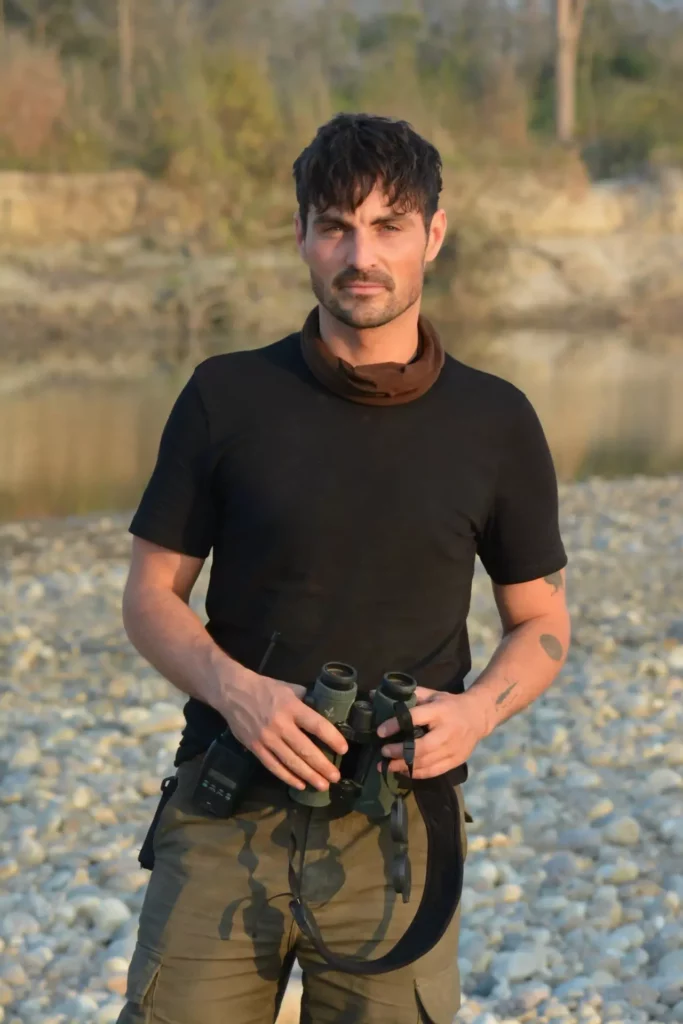
Dan: But then actually what it was is going to university to study biology because that was my greatest passion. And my lecturer, Duncan Cameron, being gay, covered in tattoos with crazy hair and just being the most amazing funky biologist that you could imagine. And that was the first realisation I was like hang on a minute, maybe these people aren’t on screen, but they do exist.
And then I think there was something about being queer, I think that when you click that part and you and realise that it’s something to be broken, something to be disrupted, I do think that’s in us because we’ve grown up having a lot of trauma or doors shut in our face or people thinking we’re not capable of doing the things that innately we know we are capable of doing.
O’Neill on how queerness fosters empathy in wildlife TV
Riyadh: It’s so inspiring to see you out there doing what you’re so obviously born to do and celebrated for it. It’s not just that you’re right there making these programmes, it’s what happens after. It’s the awareness, it’s the care, the compassion of locals, of people around the world. And then the scientific discoveries.
Dan: What you said there is so critical because I think there is an empathy and a kindness that comes with being queer. Obviously there’s people in every demographic in the world and people can have trauma, can act out in different ways, or the troubles of coming out can come out in different ways. But I do think it helps us have an ability to see other people’s pain and also injustice. From a wildlife but also a community perspective.
On whether being gay bring a different perspective to wildlife filmmaking
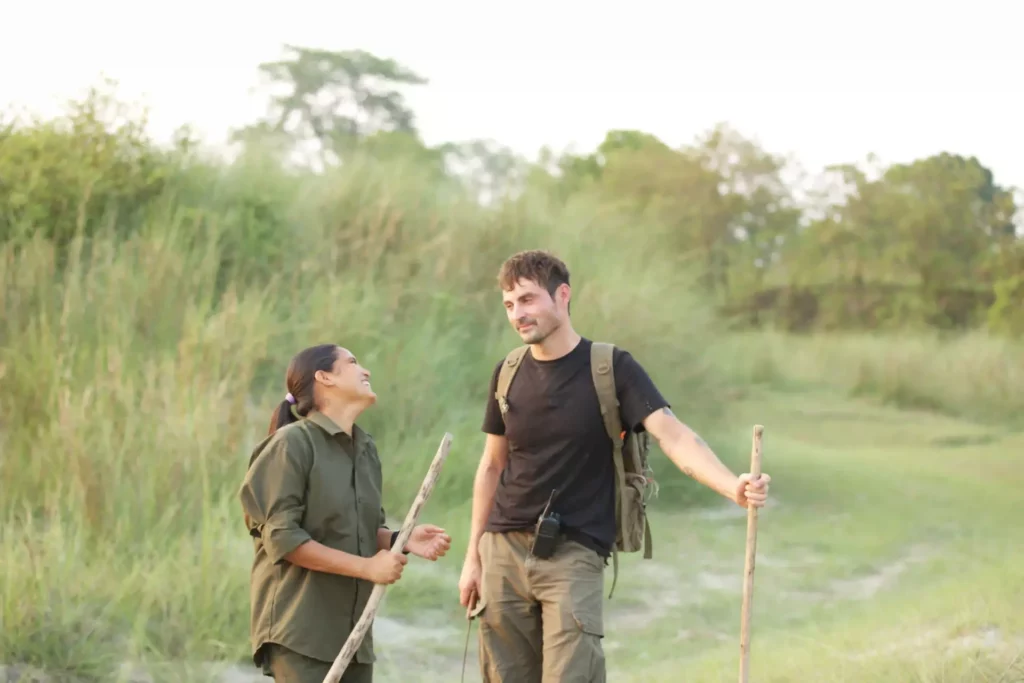
Riyadh: Does being gay bring a different approach, angle and understanding?
Dan: Yeah, I think because I met the producer Patrick Evans quite early on, and I think his grandfather was actually gay. I didn’t know this until recently. I was like, “What was it like? Did you have any thoughts about that, Patrick?” because he was the first person that met me on production. And we talked about how maybe the fact that his grandfather was gay meant he’d always been connected to LGBT people without being overtly connected himself.
And I think he got the differences that we bring to a situation, maybe that empathy slightly, and the fact that I was really interested in the sisters and wanted to get to know them before we started production. I was like, “Can I meet Sushila? Can I meet her before we go?”
I just think he saw something there and he became my greatest champion.
A message for the queer biologist who helped O’Neill find comfort in his sexuality
Dan: Probably that it’s people in your position, being in Duncan’s position, who are so unapologetically and hilariously themselves, mentioning being gay in a passing way that’s completely normal and chill, whilst also holding court in a room full of people you want to like you and you’re scared because you’ve come off the back of school or whatever.
And the fact that he was like, “I’m gay, I’m a badass, I’m covered in tattoos, I’m really into nature and I’m a complete nerd.” That was so inspiring because that basically was the beginning of my first year at university. And I was like, shit, it’s really cool to be gay. And it was the first time I realised it’s cool to be gay. It always was, that was just the first time I figured it out. Yeah, thanks, Dunk.
Tiger Island‘s groundbreaking discovery
Riyadh: What did you learn from Tiger Island?
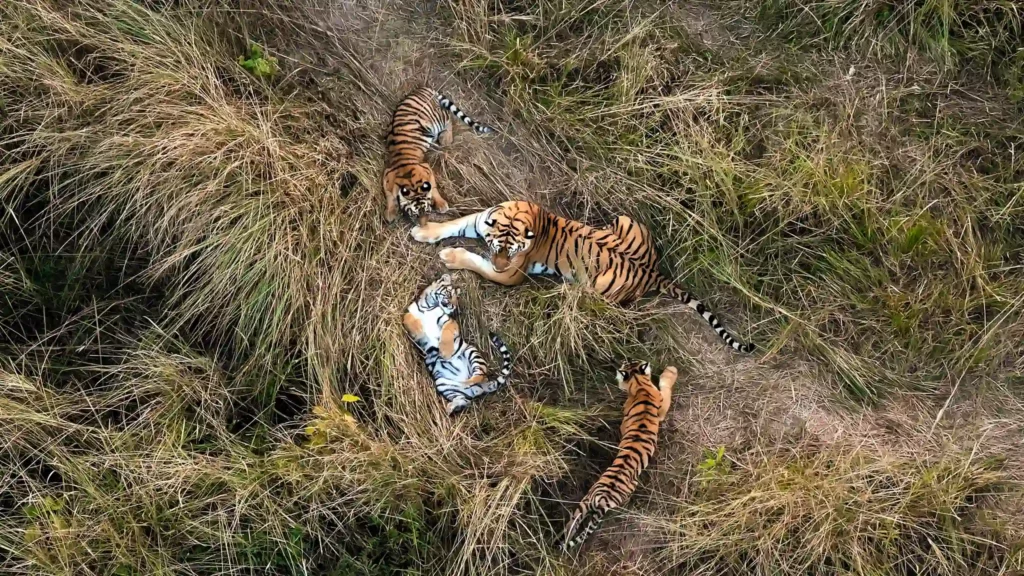
Dan: I think what we’ve discovered, is females working together to keep their cubs safe, which is something that with a solitary big cat like a tiger is totally new.
Riyadh: So you have essentially a gang of gals, mums and aunties and friends that are kind of working together even to protect cubs that are not their own?
Dan: Yeah, effectively what we’ve visualised is a female with two cubs, Goma. There’s an adjacent female to her which I suspect is her adult daughter from a previous litter but it’s hard to say, with three much younger cubs, and that one, which we named Jugni, delivers her cubs to Goma. So Goma now has her two eight-month-old cubs, three additional three-month-old cubs, and then Jugni goes off.
The importance of LGBTQ+ allyship in wildlife TV
Riyadh: What’s the state of play with being queer in this space? Is it better than it was, does it matter, and does being queer in natural world filmmaking affect your work?
Dan: I’m so proud of it now. To me it’s armour, whereas before I was afraid it might stop me doing things. Now I love being queer in this industry and in nature. There are so many of us now, people like you Riyadh shaping the game in different ways, and others coming up through the ranks.
And the fact that people like Steve Backshall, who I idolised growing up, watching Deadly 60, are so supportive now – he spoke about LGBTQ+ allyship with Attitude magazine on the BAFTA TV red carpet. He’s such an ally, and he messaged me afterwards saying he’d had a really nice time being interviewed by Aaron Sugg, saying he was really great and looked fabulous. And I’m just thinking what a great thing that now, where 20 years ago I might have thought I’d never been able to sit at the table with Steve. And actually all these people want to be part of it and are such warm allies. It feels like an exciting time to be different across this industry and other industries.
The surprising queer stories found in nature
Dan: All mammalian systems have homosexuality in them. Albatross make fantastic lesbians. In fact there’s so many amazing queer stories in nature.
Riyadh: Yes, not so much humans. Everything’s a bit more grey these days. But Dan, thank you so much. Congratulations from the bottom of my heart, I’m so happy for you. I can’t wait for everyone to see Tiger Island. Just give us the dates and where and when people can see it.
Dan O’Neill is a co-presenter on Tiger Island, a BBC Studios Natural History Unit production for the BBC and PBS’. It launches at 7:15 on Sunday 7 June on BBC One and BBC iPlayer.