
Senegal president signs law doubling prison sentences for same-sex relations to 10 years
On Tuesday (31 March), Senegalese president Bassirou Diomaye Faye approved the law, increasing the maximum penalty for same-sex relations
By Eve Ellis
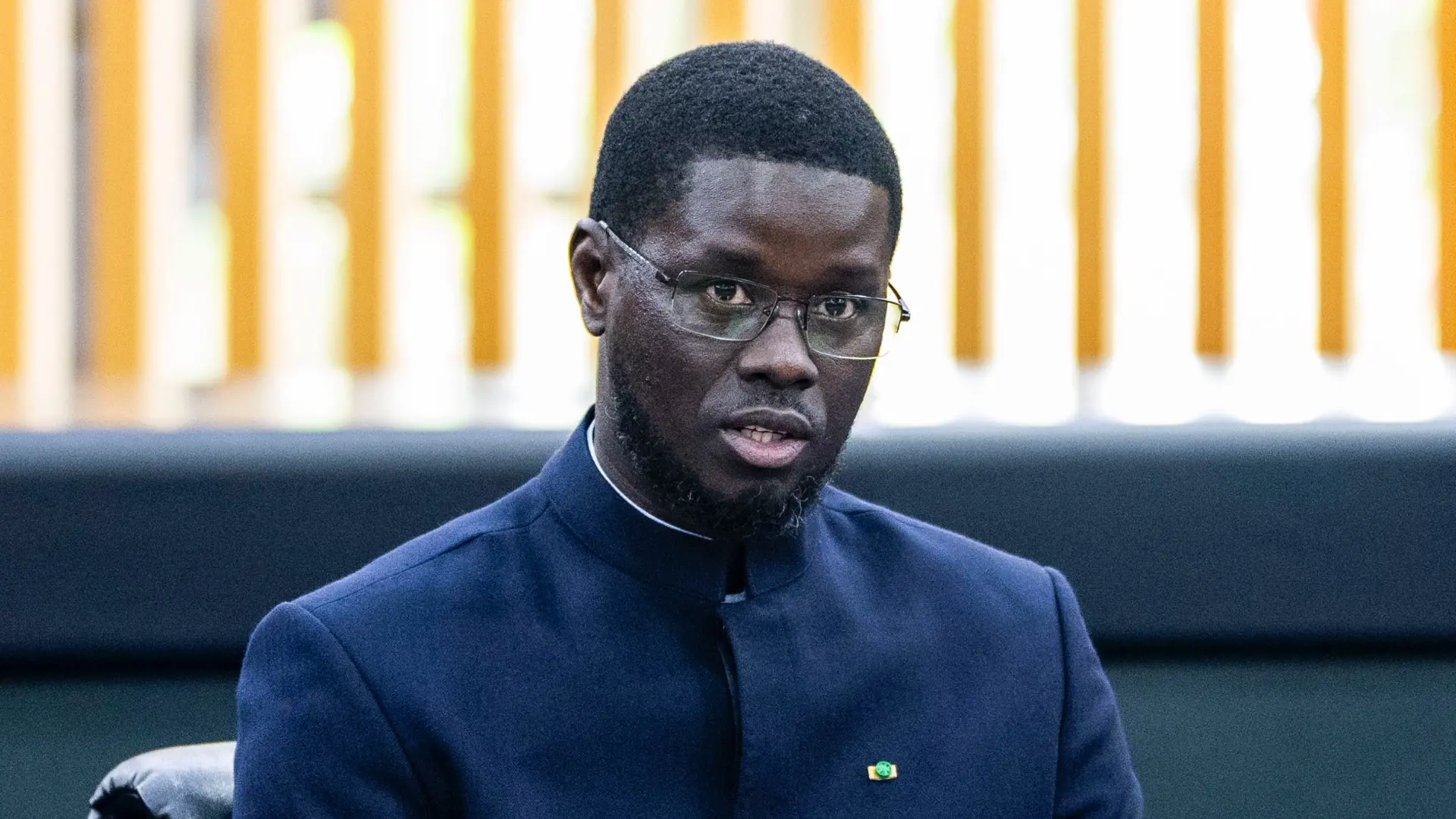
Senegal has signed into law a new measure targeting LGBTQ+ people, doubling prison sentences for same-sex relations and expanding criminal penalties to include the “promotion” of homosexuality.
On Tuesday (31 March), Senegalese president Bassirou Diomaye Faye approved the law, increasing the maximum penalty for same-sex relations from five to ten years in prison.
The new law also introduces harsher fines and criminalisation of “promoting” or “financially” supporting homosexuality, with penalties of three to seven years in prison.
LGBTQ rights group ILGA World had called on Bassirou Diomaye Faye not to sign the bill
The bill passed with overwhelming support and no opposition, amid what activists describe as an escalating crackdown on the country’s gay community.
UN rights chief Volker Turk called the law “deeply worrying” and said that it “flies in the face of sacrosanct human rights”.
LGBTQ rights group ILGA World had called on Faye not to sign the bill and to uphold “respect for individual liberty and the human person”.
As well as increasing prison sentences, the law allows for fines of up to 10 million CFA francs – around £13,000 – upholding Faye’s promise in 2024 to criminalise homosexuality.
Ghana is planning to re-introduce an anti-homosexual bill
Hostility towards LGBTQ+ people has been building for years in Senegal, where advocacy is often framed as a Western tool. Religious groups in West Africa have staged demonstrations calling for tougher penalties.
For many, the impact is already being felt. Reports suggest an increase in fear has led to some going into hiding after dozens of men were arrested since February. These arrests have often been based on phone searches, with cases reported almost daily and the names of those detained made public.
Despite the tougher penalties, the offence technically remains classified as a “misdemeanour” under Senegalese law.
Several other African countries have also introduced tough new laws targeting the community in recent years. Ghana is planning to re-introduce an anti-homosexual bill that activists say threatens basic human rights.