India Willoughby challenges BBC News over on-air ‘transphobic’ language in emails seen by Attitude (EXCLUSIVE)
In her correspondence, Willoughby challenges one executive over alleged guidance calling trans women "biological males who identify as women"
By Callum Wells
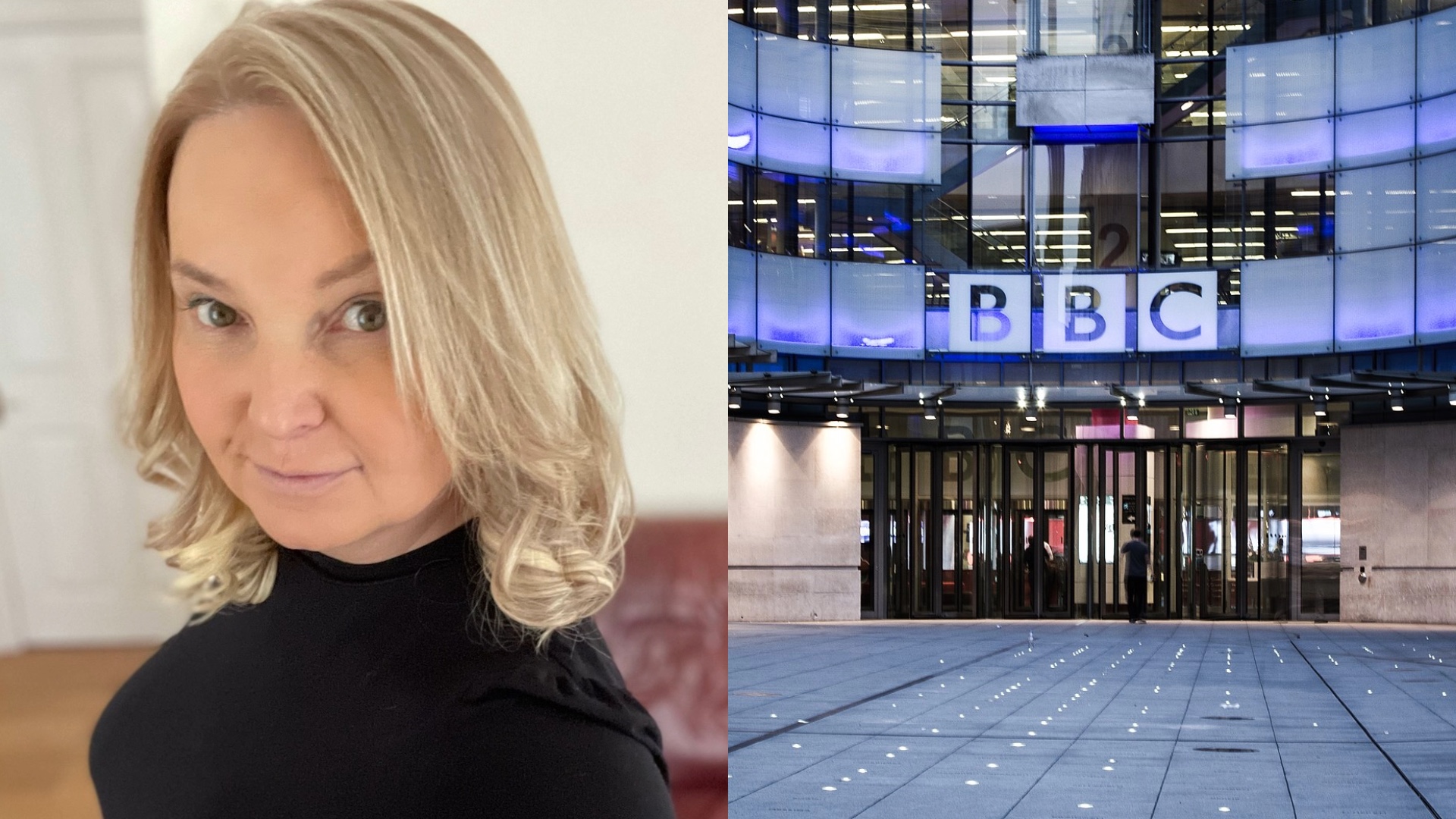
Broadcaster India Willoughby has accused BBC News of using language about trans people that she describes as “grossly offensive”, raising concerns about the potential mental health impact of editorial decisions on trans contributors and audiences.
In a series of emails exchanged in January 2026 and seen by Attitude, Willoughby challenges BBC News executive Richard Burgess over what she says is internal guidance instructing journalists to describe trans women as “biological males who identify as women”.
Willoughby describes the phrasing as “the most transphobic thing anyone could say”, arguing that it undermines trans women’s status and shapes how they are understood by audiences.
India Willoughby says she is placing her concerns “officially on the record for future potential coroners’ inquests”
She references the case of Lucy Meadows, the trans teacher who died by suicide in 2013 following intense media scrutiny relating to her being trans.
“Which is exactly what the media did to Lucy Meadows, resulting in her suicide,” Willoughby writes. “Now – with the advent of trans hysteria – here we are again.”
At the inquest into Meadows’s death, the coroner criticised sections of the British media for their coverage and singled out Daily Mail columnist Richard Littlejohn for the “ridicule and humiliation” and “character assassination” of Meadows, stating that the coverage was a contributing factor to Meadows’s suicide.
In her correspondence, Willoughby says she is placing her concerns “officially on the record for future potential coroners’ inquests”, citing what she sees as the cumulative harm caused by language used by major media organisations.
In response to Willoughby, Burgess writes that the BBC’s use of the term “biological male” reflects the UK Supreme Court’s ruling in April last year which ruled “that the terms “man”, “woman” and “sex” in the Equality Act 2010 refer to biological sex.
“Trans people are born. We align our bodies to our brains. We are as biological as everyone else” – India Willoughby
To which Willoughby responds: “There is nothing in the UK Supreme Court ruling that says the BBC or any other media organisation has to use that line,” she writes. “It is purely a journalistic decision on your part.”
She adds: “There is no medical definition of a ‘biological woman’ or a ‘biological man’. Trans people are born. We align our bodies to our brains. We are as biological as everyone else.”
“There are no trans people ‘identifying as’,” she continues. “We are.”
In her emails to Burgess, Willoughby further claims that trans contributors are not permitted to appear on BBC News or current affairs programmes unless accompanied by a gender-critical contributor for balance, while gender-critical contributors are allowed to appear alone. She describes this as an uneven application of the BBC’s impartiality guidelines. Separately, Willoughby told Attitude she has been informed on multiple occasions that the presence of a gender-critical contributor was a condition of her being booked for BBC television or radio appearances.
She cites an invitation to appear on Evan Davis’s Radio 4 programme in December 2021, which she understood to be an explainer about trans people, before later learning philosopher Kathleen Stock, who has attracted controversy for her views on trans people, would also take part. Willoughby says she was told she could not mention Stock’s involvement in a campaign opposing the Gender Recognition Act.
“You would not insist a Black man or woman be accompanied by a racist for ‘balance’,” she writes. “Or a gay person [with] a homophobe.”
A spokesperson said that the BBC’s priority when covering sex and gender is to provide clarity to audiences
Responding to Willoughby, Burgess says the BBC “take[s] great care when considering our coverage of sex and gender” and that it is “never our intention to cause offence”.
“Our priority when covering this subject area is to provide clarity to audiences, reflect a breadth and diversity of opinion, while ensuring accuracy and due impartiality,” he writes. “We do not take sides.”
When contacted by Attitude, a BBC spokesperson said there is no policy preventing trans contributors from being interviewed alone and that the corporation has previously interviewed trans people without gender-critical contributors appearing at the same time. The spokesperson added that contributors are generally informed about the nature of interviews in advance.
The spokesperson said that the BBC’s priority when covering sex and gender is to provide clarity to audiences, reflect a breadth and diversity of opinion, and ensure accuracy and due impartiality, adding that internal audience research suggests there is low public understanding of many of the terms used in such discussions.
“We recognise the strong feelings and concern felt by many people about the reporting of sex and gender,” the spokesperson added. “Our intention is never to offend anyone, but to give clear, accurate and duly impartial information to audiences.”
India Willoughby is a television newsreader, broadcaster and journalist who has worked across regional and national UK media. She made history in 2017 by becoming Britain’s first transgender national television newsreader, reading the lunchtime and evening news on Channel 5, and was also the first trans panellist and co-host on ITV’s Loose Women.
Get more from Attitude