
Why Provincetown remains one of the best LGBTQ+ travel destinations
In partnership with the Provincetown Office of Tourism
By Dale Fox
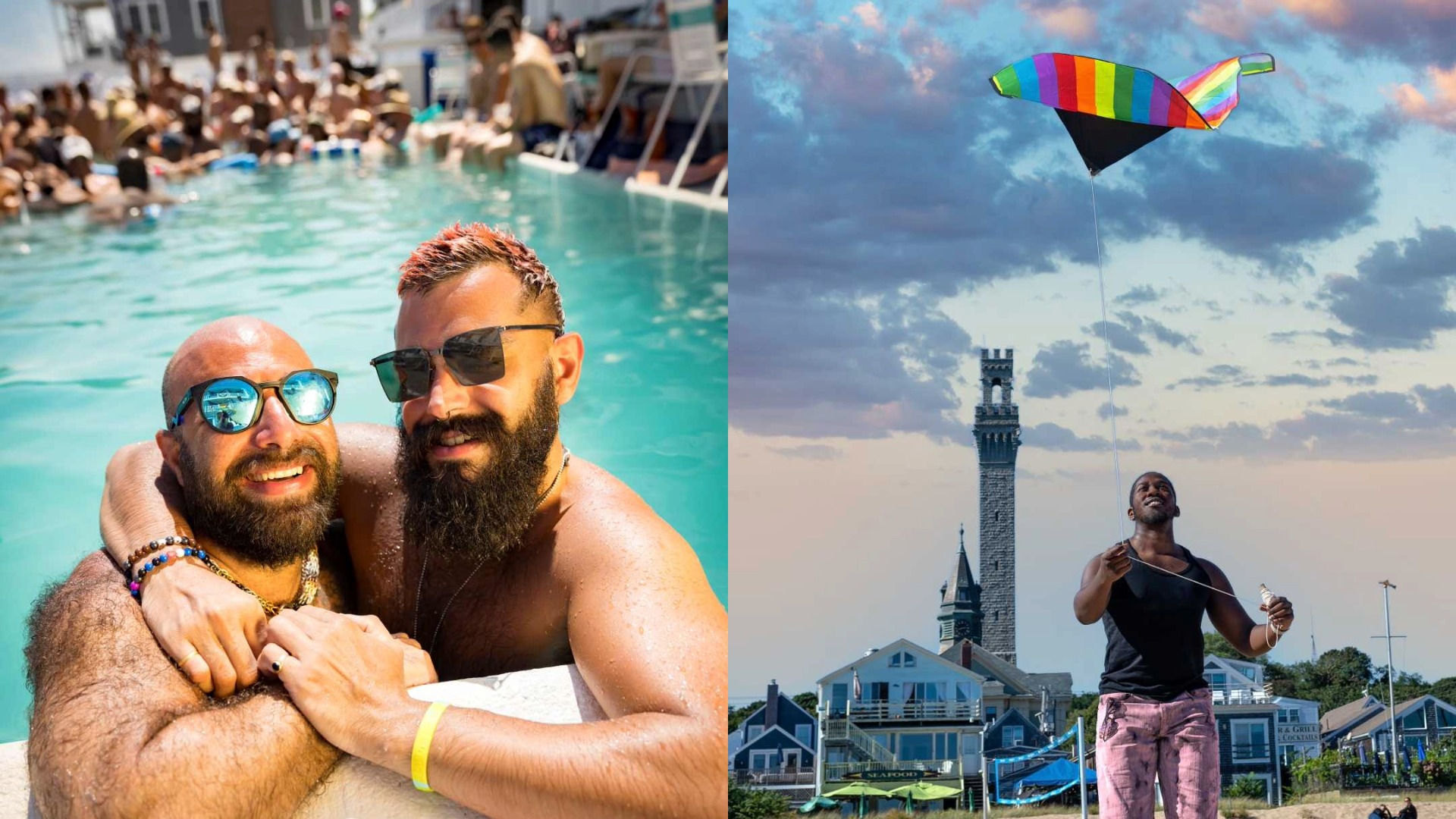
A long-time queer gathering place on the edge of the Atlantic, Provincetown has built its reputation on beaches, parties, returning faces and a sense of ease that keeps people coming back. From Tea Dances and Bear Week to art, history and chosen family, this is why Ptown continues to draw LGBTQ+ travellers year after year. It’s just two hours from Boston and five hours from New York by car, and there’s also a fast ferry from Boston that takes under 90 minutes.
Provincetown, often shortened to Ptown, is tiny, sun-soaked and intensely queer. Sitting right at the end of Cape Cod in the East Coast US state of Massachusetts, it’s renowned for having the highest concentration of same-sex couples anywhere in the country.
Ptown has a longer history than most holiday towns, shaped by artists and writers who settled here in the late 19th and early 20th centuries – not to mention its place at the very beginning of the United States’ story, with the Mayflower first anchoring in Provincetown Harbor in 1620.
So, why is Ptown so popular with the gays? If you’ve ever holidayed in Sitges or Gran Canaria, the appeal will be instantly recognisable. Provincetown is a destination where queer people aren’t centred around certain bars or beaches but are simply everywhere – all day, every day.
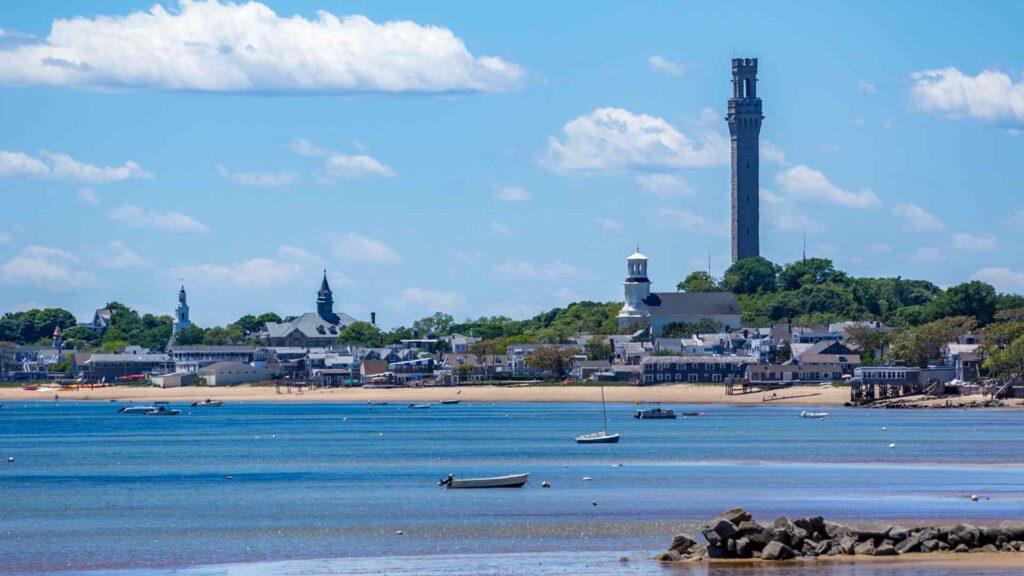
The town is compact and walkable, with most life concentrated along the colourful Brighton Lanes-esque Commercial Street, which makes it easy to spend a break that involves very little planning – and a lot of socialising. Indeed, coffee becomes lunch, lunch becomes the beach, and the beach becomes drinks and dancing. You keep running into the same people, sometimes within hours of meeting them, making Provincetown feel social even if you’re travelling solo.
What to do in Ptown
The legendary Tea Dance at the Boatslip is the anchor of Ptown queer social life. Held every afternoon throughout the warmer months, it draws people straight off the beach and into a packed waterfront dance floor. It’s loud, flirty, busy, and is the perfect starting point for the rest of the evening.
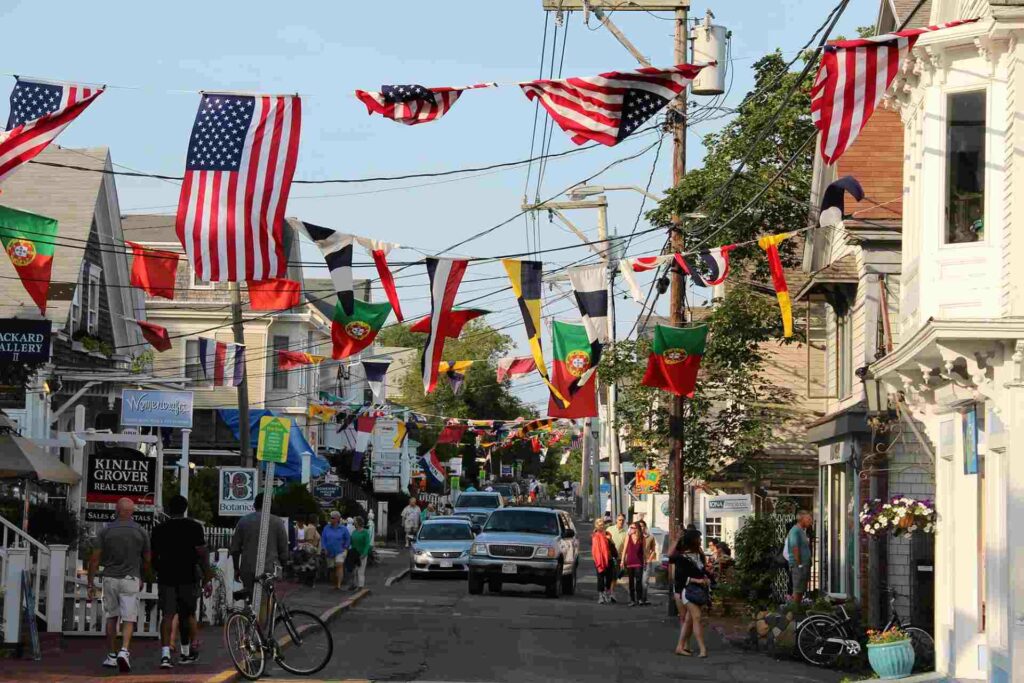
Ptown’s beaches, of course, are central to any visit. Herring Cove is known as the town’s clothing-optional beach and has long been popular with LGBTQ+ visitors, particularly in the afternoons, when people arrive in groups and tend to stay for hours. Race Point Beach nearby is larger and more exposed, with open Atlantic views and a steady flow of people moving between the sand and town as the day goes on.
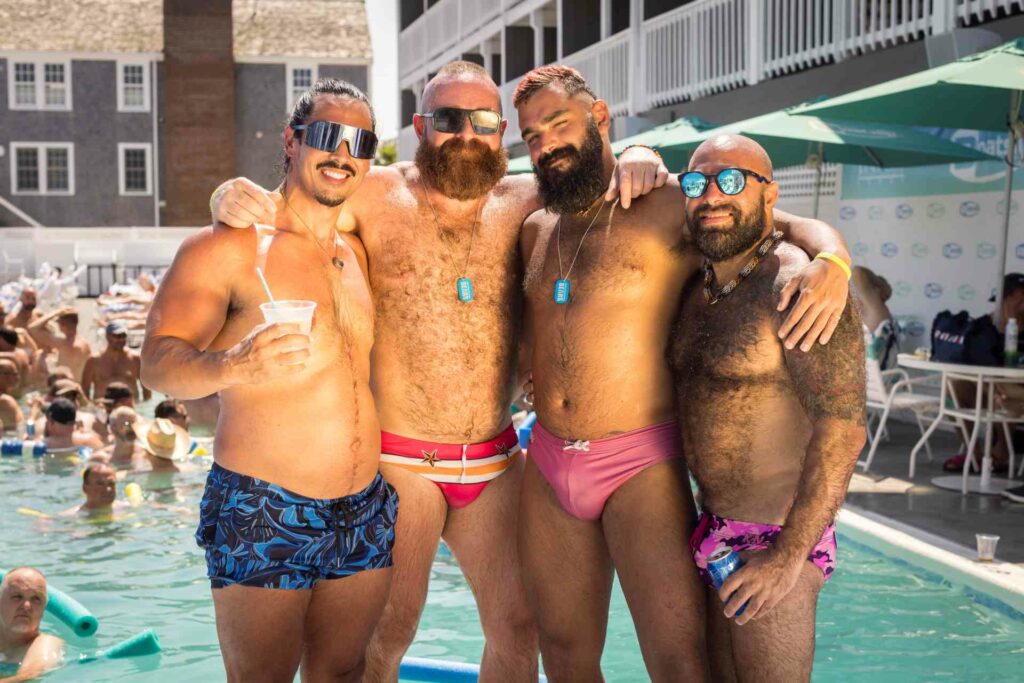
Year-round events make Provincetown popular with return visitors, with a calendar suited to all parts of the community. Bear Week is one of the biggest gatherings of its kind anywhere and fills the town each July with familiar faces, parties and late nights. Carnival Week brings parades and costumes that take over Commercial Street, while Pride Weekend, TransWeek, Frolic and Holly Folly each attract different crowds across the year. Many people plan trips around these weeks and come back every year to reconnect with the same groups.
History and culture
There’s also a lot of fun to be found in Ptown’s history, particularly because it is so easy to dip in and out of it between beaches, lunches and late nights.
Provincetown sits close to where the historic Mayflower first arrived in the US in the 17th century, a moment marked today by the Pilgrim Monument and Provincetown Museum, which towers over the town and offers an overview of how this small place fits into the much bigger American picture.
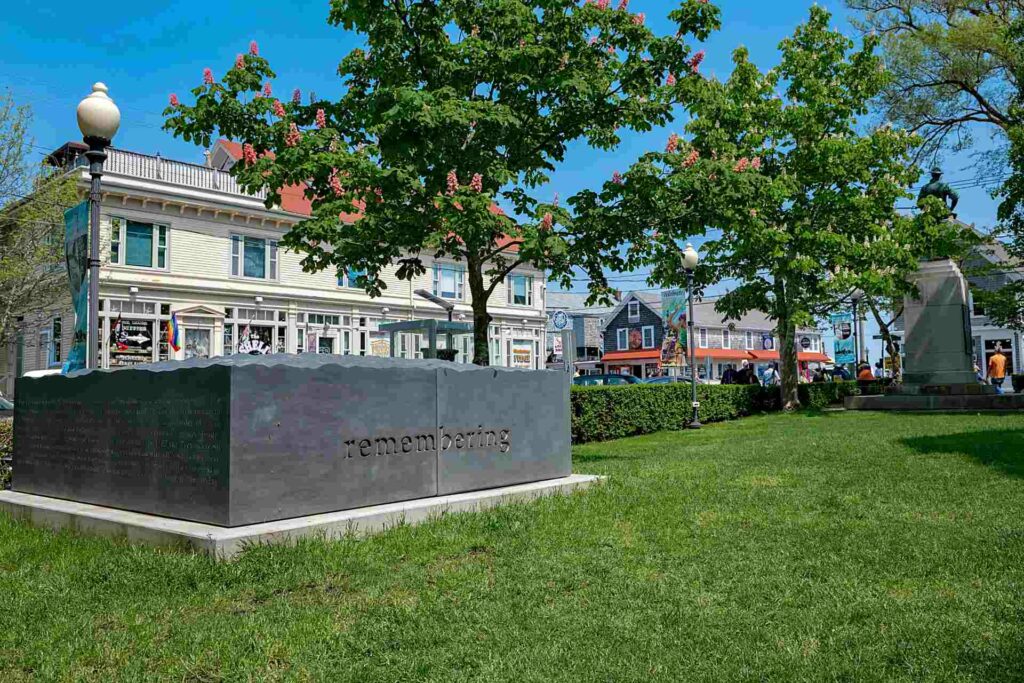
The town later became a well-known artists’ colony, and that creative legacy is still visible in its galleries and cultural institutions, most notably the Provincetown Art Association and Museum, which charts more than a century of local art-making alongside contemporary exhibitions.
That blend of early American history, creative experimentation and seaside hedonism helped create space for people living outside convention long before that was common elsewhere. Over time, it made Provincetown a natural gathering place for queer communities, something reflected in its long-running theatres, performance spaces and DIY venues.
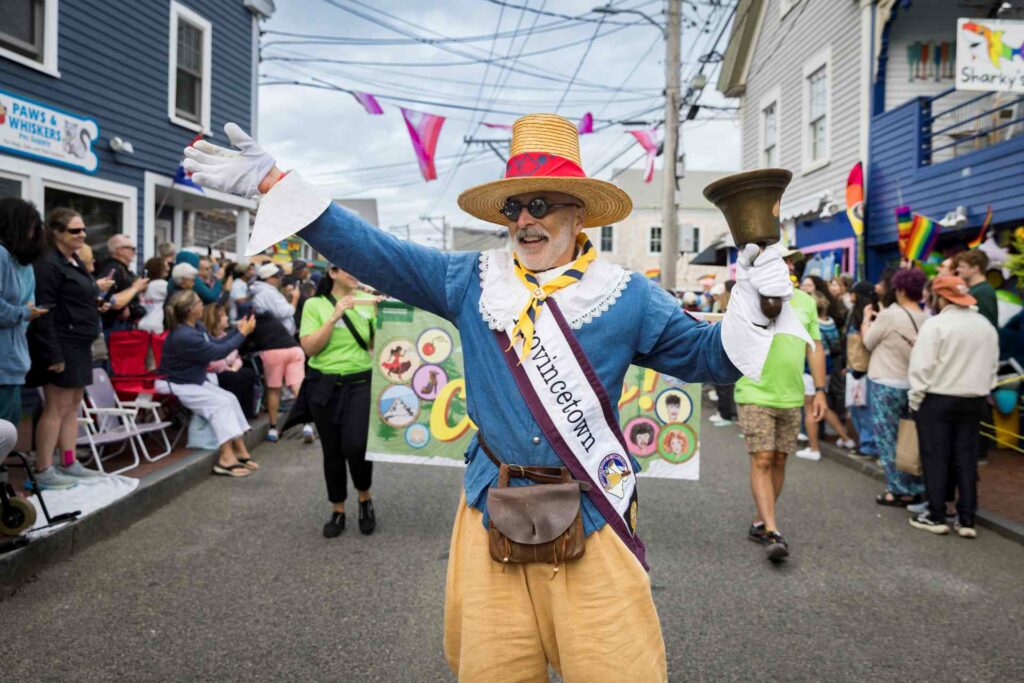
The town has appeared frequently across LGBTQ+ film, television and pop culture, and figures such as John Waters (who owns a summer house in Ptown – you may even get lucky and spot him at a Tea Dance) have long been associated with Provincetown, reinforcing its reputation for humour, sex and irreverence in a setting that’s centred around fun.
Where to stay
Ptown accommodation is mostly guesthouses, bed and breakfasts and small hotels – mostly LGBTQ+-owned or long-standing allies – and many visitors return to the same places year after year. That loyalty is partly down to how personal the stays tend to feel.
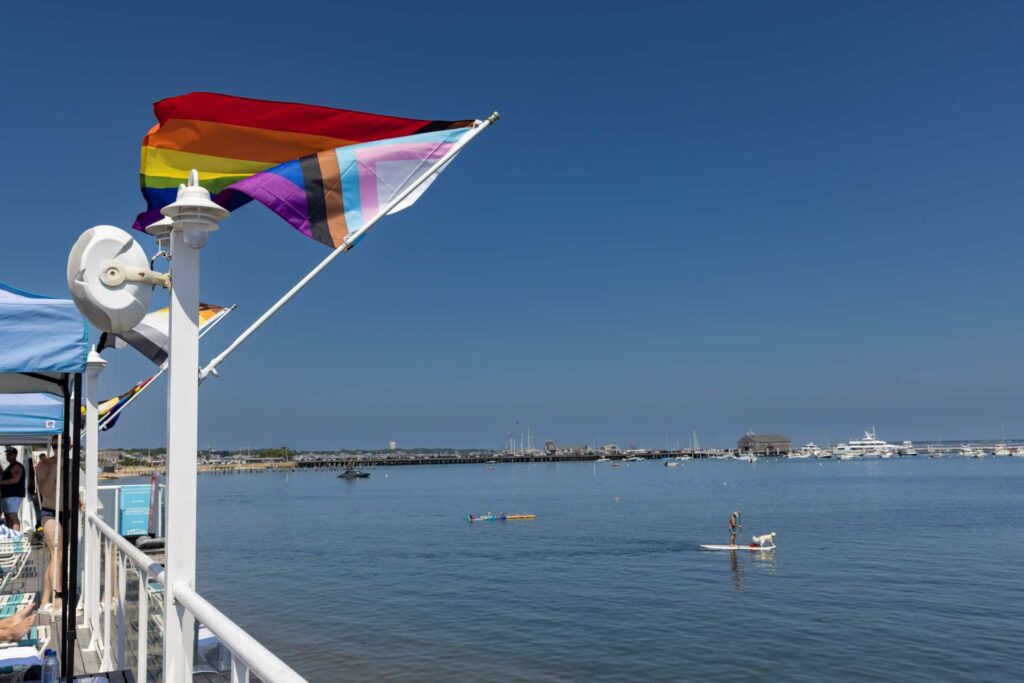
Well-known queer-owned options include places like The Brass Key Guesthouse, which combines a central location with a sociable garden and pool scene, and Crowne Pointe Historic Inn & Spa, a larger, adults-only property known for its spa and relaxed, friendly atmosphere. The Boatslip Resort remains a draw for those who like to stay close to the action (namely, the Tea Party – this is where it’s held), while smaller guesthouses such as The Ellery Hotel and The Provincetown Hotel at Gabriel’s appeal to visitors looking for something quieter without losing the sense of being part of the town.
Why visit Provincetown?
For LGBTQ+ travellers thinking about a US holiday, Provincetown offers a rare combination of beaches, parties, events and constant social energy. For many, visiting feels closer to a pilgrimage than a standard holiday. People travel here to be among chosen family, to step into a space where being queer feels ordinary and unremarkable, and to put some distance between themselves and everything else for a while.
For travel planning, events and LGBTQ+ resources, visit the Provincetown Office of Tourism or check out its guide to LGBTQ+ events in Provincetown.