Mitch Brown reflects on the moment that made coming out as bisexual feel impossible (EXCLUSIVE)
After coming out as the first openly bisexual AFL player during his retirement last year, Brown discusses bi-erasure both inside and outside the LGBTQ+ community, leading the 'Sport' category of Attitude 101, empowered by Bentley
By Aaron Sugg
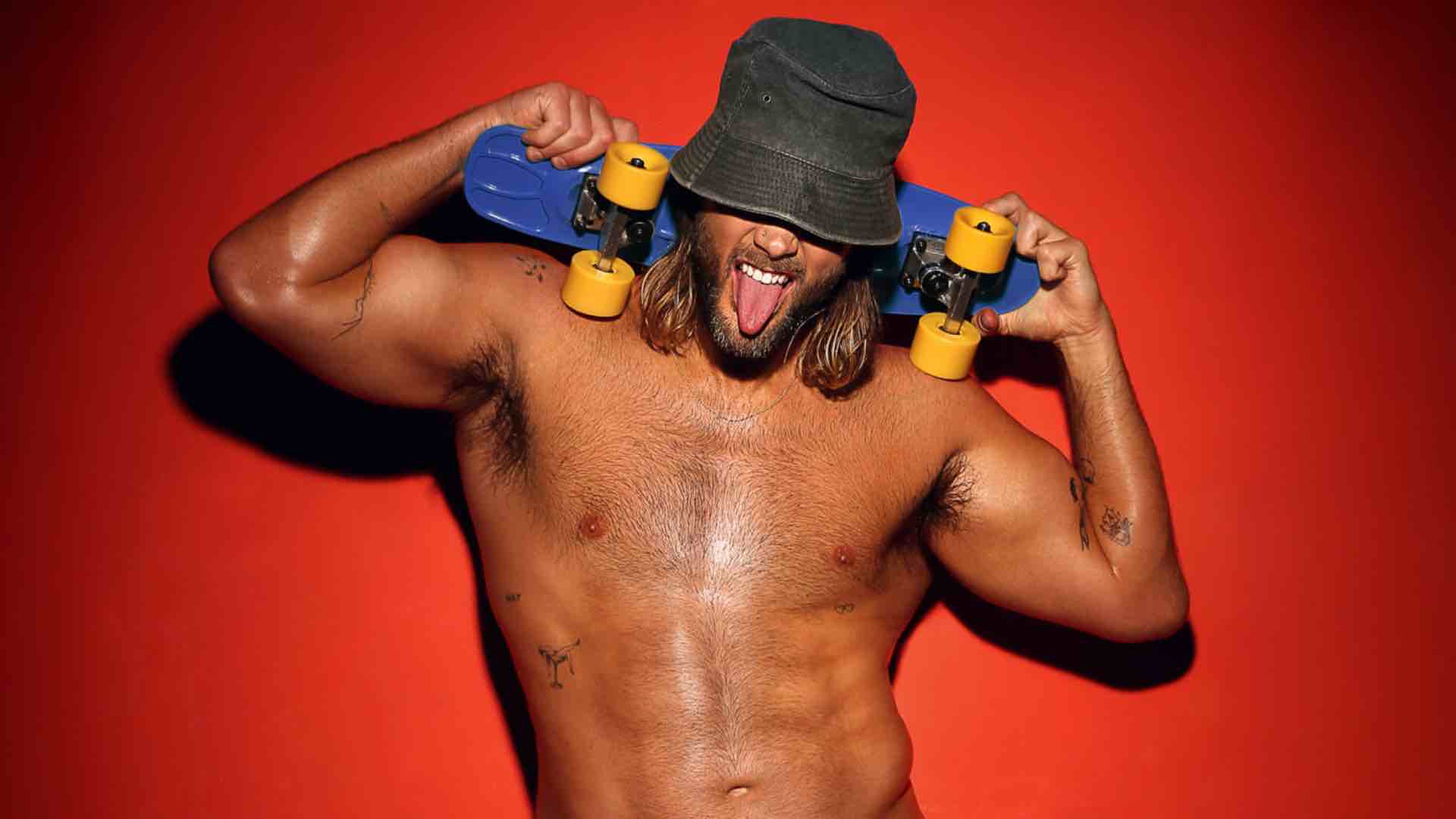
When Mitch Brown came out publicly at 36, nine years after retiring from Australian Football League (AFL), it surprised those closest to him. They did not react negatively, but with guilt. “It’s not this sense of biphobia or homophobia,” he says. “It’s more like, ‘Hey, I’ve known you all my life. What did I do to create an environment where you couldn’t come out?’” Old teammates expressed feelings of “grief” for not giving him space to be authentic, while family and friends weren’t aware because Brown had spent years moulding himself into one of “those stereotypical norms of a masculine man in Australia”. From a young age, he immersed himself in sport and doubled down on heteronormative behaviours. “You start believing your lies are your truth,” he reflects. He began shedding those toxic behaviours only after ending his football career in 2016.
Brown, who has been honoured as the leader of the ‘Sport’ category of Attitude 101, empowered by Bentley, recalls moments as a player that left mental scars. In 2007, his first year in football, he asked a teammate, “How do you know when you’re gay?” The response was laughter – he was alienated for his curiosity. In that split second, he realised that he would not come out during his football career. Brown says it was the first time he had attempted to share that part of himself, and it was an experience that would taint his self-development for years to come.
“I’d rather be locked in a cage of lions than shower next to a gay teammate” – Mitch Brown recalls homophobic locker room moment
As time went on, homophobia in sport grew louder. In locker rooms and recovery areas, speculation about teammates’ sexuality, crude hypotheticals and casual slurs became commonplace. One moment has lodged itself deep in Brown’s memory: lying on a massage table, two senior players he admired discussed a gay player joining the team. One said plainly: “I’d rather be locked in a cage of lions than shower next to a gay teammate.”
“Fucking hell, no,” says Brown, remembering the isolation.
“I had to detach myself from these hyper-masculine environments” – Brown on coming out as bisexual
It was only after he retired from professional sport that he felt he could confront his bisexuality openly. “As soon as I finished, when I could detach from that world… that’s when I realised, ‘Oh, now I can speak my truth.’ I had to detach myself from these hyper-masculine environments,” he explains. “I had to find the people who made me feel safe.” The journey towards self-discovery took a long time. “It took six, seven, eight years of transformation – finding my identity,” Brown admits candidly. “I’m still on that journey. And that’s a really good lesson: keep discovering, keep exploring.”
Brown’s “fuck this” moment came last season after witnessing multiple homophobic incidents on the field. The tipping point was a news story highlighting that in 129 years of AFL, no player had come out as queer. The statistic hit him hard. Frustration surged, clarity followed, and he knew it was time to act. Reaching out to a journalist, Brown stated simply: “Hey, I’m Mitch. I’ve played AFL for 10 years, and I’m bisexual.”
Get more from Attitude
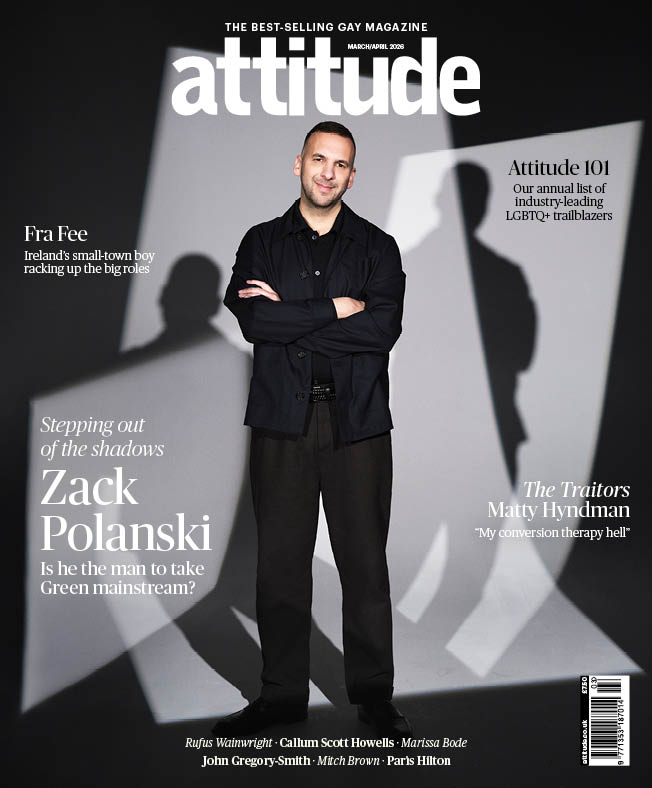
The full feature and Attitude 101 list appears in issue 369 of Attitude magazine, available to buy now in print, on the Attitude app, or through Apple News+.