The lawyer who married a nation: How Danny Kittinun Daramadhaj made Thailand marriage-equal
From lawyer to LGBTQ+ entrepreneur, Danny Kittinun Daramadhaj, honoured as the lead of the 'Financial & Legal' category of Attitude 101, empowered by Bentley, the pivoted to take up the battle for same-sex marriage in Thailand – and won
By Callum Wells
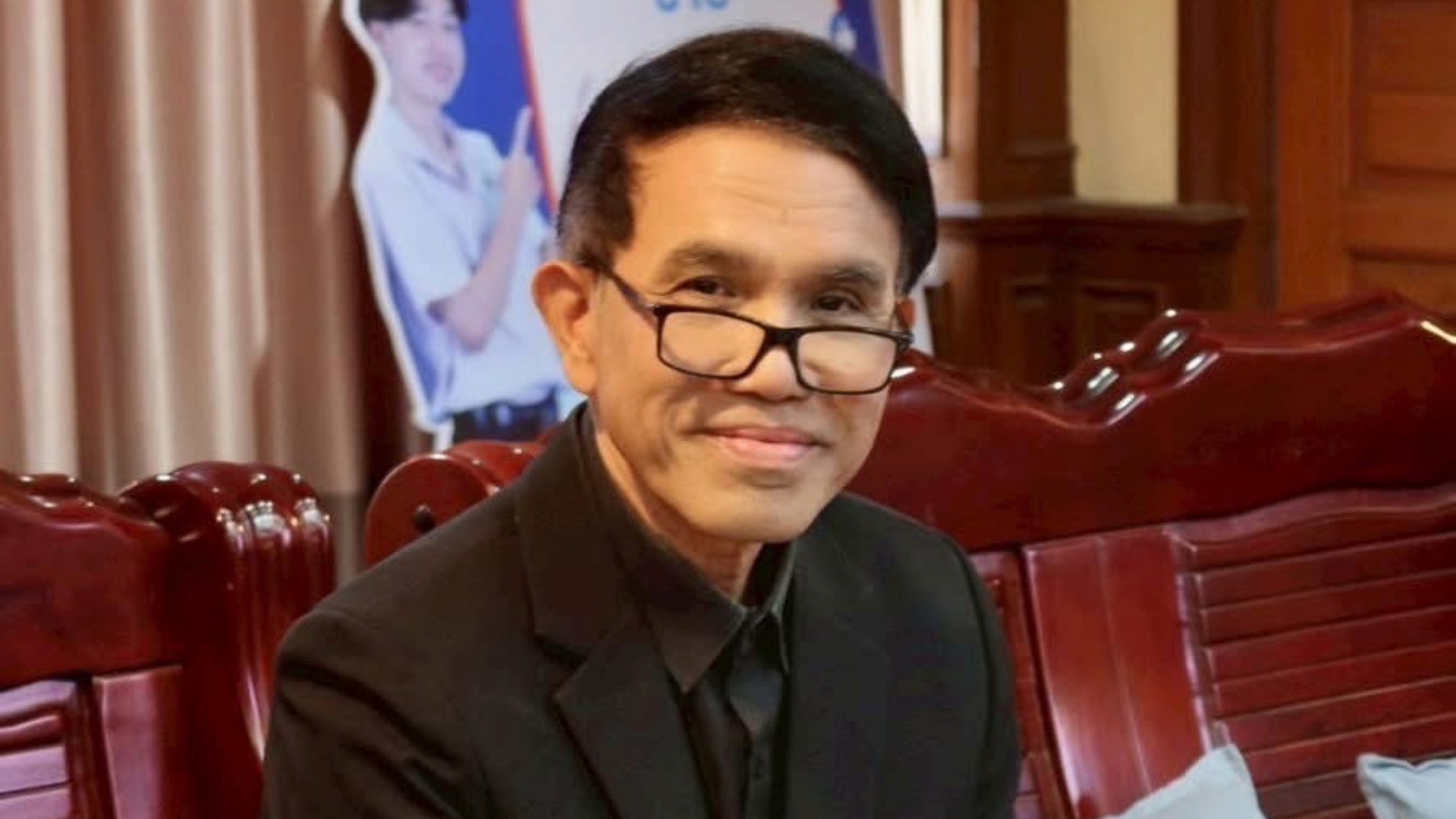
It’s 23 January 2025, and Bangkok‘s sweltering streets are showered with rainbow confetti as Thailand becomes Asia’s first nation with full marriage equality. No half measures, no separate laws — just pure, equal love under the same sun as straight couples. Nearly 2,000 queer hearts have tied the knot in the year since, from local legends to globe-trotting romantics jetting in to take their vows under Thai skies. The unassuming architect of it all is Danny Kittinun Daramadhaj, the 60-year-old president of the Rainbow Sky Association of Thailand (RSAT), a lawyer who’s turned human rights into headlines, and now leads the Financial & Legal category of Attitude 101, empowered by Bentley.
Rewind more than three decades from the euphoric sound of those wedding bells, and Daramadhaj, who qualified as a lawyer in 1989, was establishing his legal career. He then diversified by investing in property and creating safe havens for Bangkok’s underground LGBTQ+ scene. His company, The Beach Group, offered a vibrant web of gay discos, massage spots, restaurants and bathhouses pulsing with forbidden joy.
His voice steady over a translated video call in early January, Daramadhaj tells how these nights were shattered. “We had police raids… They [labelled] the queer or LGBTQ+ people as social deviants, and that’s against human rights.”
Daramadhaj’s pivot from lawyer to entrepreneur to activist wasn’t a straight line — it was a queer one, zigzagging through discrimination’s thorns
On the property side, Daramadhaj, then in his mid-thirties, envisioned a “gay village” housing project in rural Nakhon Ratchasima in Northeastern Thailand. But it was derided as an “HIV breeding ground”. “Why do they need their own space?” sneered its critics. Those insults? Rather than scare Daramadhaj, they schooled him.
Daramadhaj’s pivot from lawyer to entrepreneur to activist wasn’t a straight line — it was a queer one, zigzagging through discrimination’s thorns. Invited to join RSAT — founded 28 years ago — as a legal advisor, he climbed through the ranks to vice president, and then president. His law degree became a weapon for change. “Since I have my legal background, I took the chance to contribute and also to be an advocate ever since,” he tells me with pride.
That advocacy peaked with Thailand’s seismic marriage equality law, but the journey there began more than 20 years ago.
Inspired by the Netherlands, which legalised marriage equality in 2001, RSAT pitched the idea to the Thai prime minister via the Interior Ministry, but they were rebuffed: “Thailand was not ready.” It stung, fuelling a decade of quiet fury.
“I’m really proud because this is the symbolic recognition that our fight is not for nothing” – Daramadhaj on Thailand’s same-sex marriage legalisation
In 2015, a revitalised Daramadhaj pivoted to civil partnerships, demanding parity with heterosexual unions — medical consents, spousal welfare, joint adoption. No compromises.
The move towards equal marriage was difficult as government officials held firm on civil partnerships, seeing them as a fair compromise. There was also a backlash over the idea of same-sex marriage. “The whole society does not entirely accept the queer people,” says Daramadhaj. Even the LGBTQ+ community fretted over “heteronormative” disruptions. The effort stretched over several years and relied on examples of wins from Western countries. Human rights treaties — Thailand’s signed commitments — were Daramadhaj’s shield: “We quoted [them] back [to the Thai authorities] and said, ‘This is something we need to comply with.’”
By 2024, both a civil partnership bill and a marriage equality bill hit Thailand’s parliament. Senators, MPs, opposition and coalition were finally aligned: Thailand was ready. In the end, both bills were effectively replaced by a comprehensive marriage equality bill. The law passed with 400 votes in favour, with only 10 against, representing a landslide win rarer than a sober Pride float. Effective from 23 January 2025, it uses the same statute as straight marriages — there is no segregation.
“We are number 38 in the world [to legalise same-sex marriage],” says Daramadhaj, beaming. “And we’re about to commemorate the first-year anniversary. I’m really proud because this is the symbolic recognition that our fight is not for nothing, but it’s understood. So, this is good for me, good for the organisation, and also for the country as well, and also good for the people, with social diversity. I’m really excited about this.”
The full feature and Attitude 101 list appears in issue 369 of Attitude magazine, available to buy now in print, on the Attitude app, or through Apple News+.
Get more from Attitude