
‘The grief doesn’t go away’: Cat Burns on navigating loss as a neurodivergent person: (EXCLUSIVE)
The singer has been honoured with a Pride Icon Award at the 2026 PEUGEOT Attitude PRIDE Awards Europe, supported by British Airways
By Aaron Sugg
When Cat Burns spoke candidly about her dual diagnosis of autism and ADHD on The Celebrity Traitors in 2025, she had no idea the moment would resonate so deeply with viewers across the country. “I didn’t actually mean to. It just sort of happened,” Burns tells Attitude, sipping herbal tea from a mug in a cosy café in Dalston, east London.
The conversation sparked unexpectedly during a tense roundtable discussion, when fellow contestant Stephen Fry questioned Burns’s tendency to nap, suspecting it could be linked to the late-night treachery in the Traitors’ Turret. Instead, the trailblazing 26-year-old singer-songwriter found herself opening up about being neurodivergent. She explains that the constant social interaction of the programme demanded far more energy from her than it might for a neurotypical person.
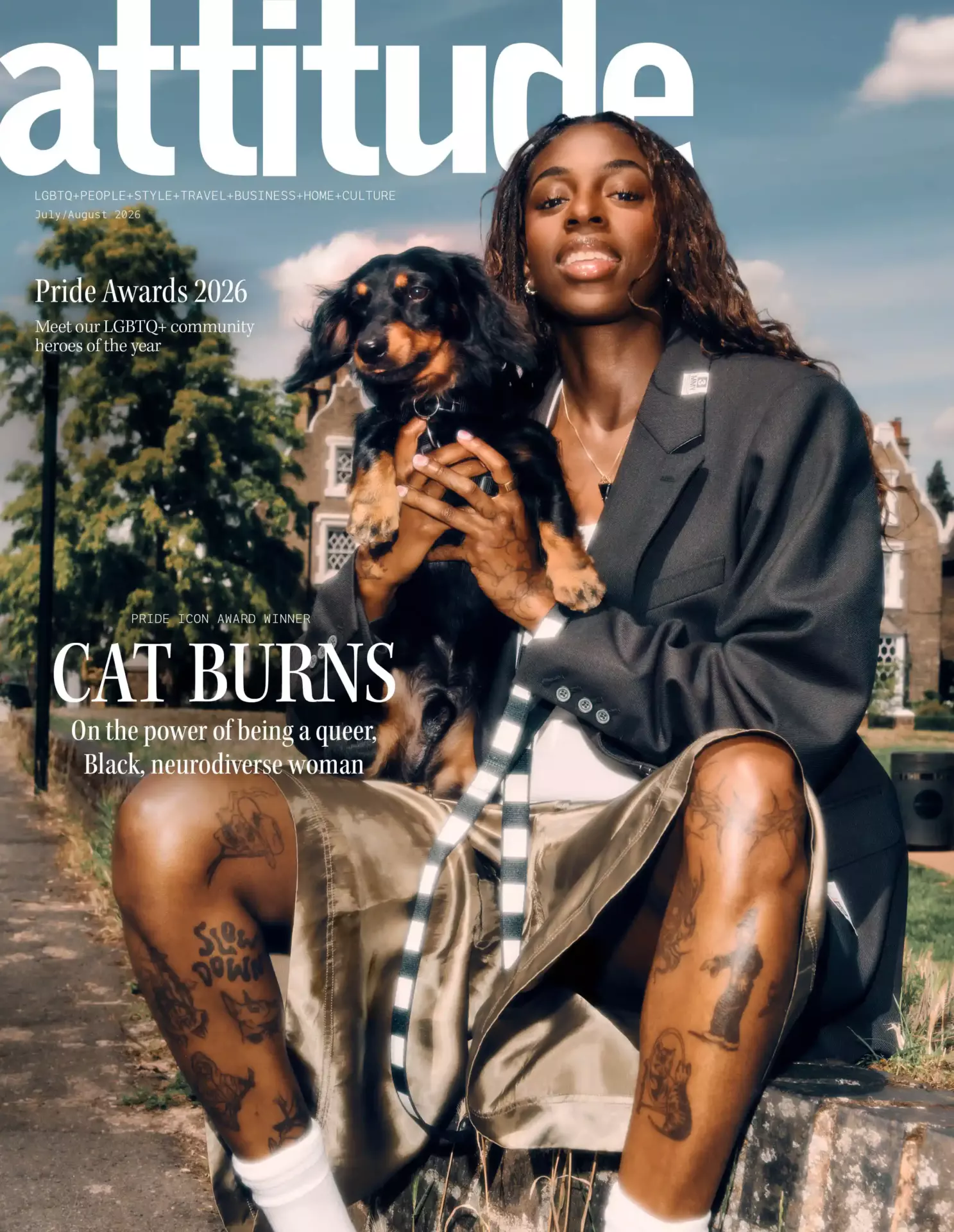
What could have been a fleeting reality TV moment quickly evolved into something far more significant. For many viewers, Burns’s honesty offered a rare glimpse of the community on one of the biggest franchises on British television. Leaning comfortably back on a red leather sofa, speaking softly, she reflects on the response: “I’ve definitely connected a lot more with parents, I’ve noticed. Parents of neurodiverse kids.”
This visibility has ultimately led to her receiving a Pride Icon Award at the 2026 PEUGEOT Attitude PRIDE Awards Europe, supported by British Airways.
Cat Burns on an outpour of praise
She admits she often thinks about the kind of representation she would have needed growing up. One message, in particular, has stayed with her. “‘Oh, my gosh. I really saw myself in you when watching the show, and I see myself in your music that you write,’” Burns recites proudly. “Those ones always fill me up the most, because I would have loved to have had someone like that when I was that age.”
Burns was diagnosed with ADHD at 21, before receiving an autism diagnosis at 22, experiences that she has since spoken about with growing openness. One of the most profound challenges she has faced has been grief. “Especially when you’re neurodiverse, we feel things very, very intensely,” she explains. On Christmas Day 2020, the singer lost her father, a moment that is still etched in her mind. Since then, she has talked about navigating bereavement without having the language or professional help to fully understand how deeply she was processing it at the time. “The grief doesn’t go away, but you learn how to live with it as years go on,” Burns explains delicately. “Once I got diagnosed, it was so helpful in finding resources and therapy to sort of help me move through that.”
Finding healing through music
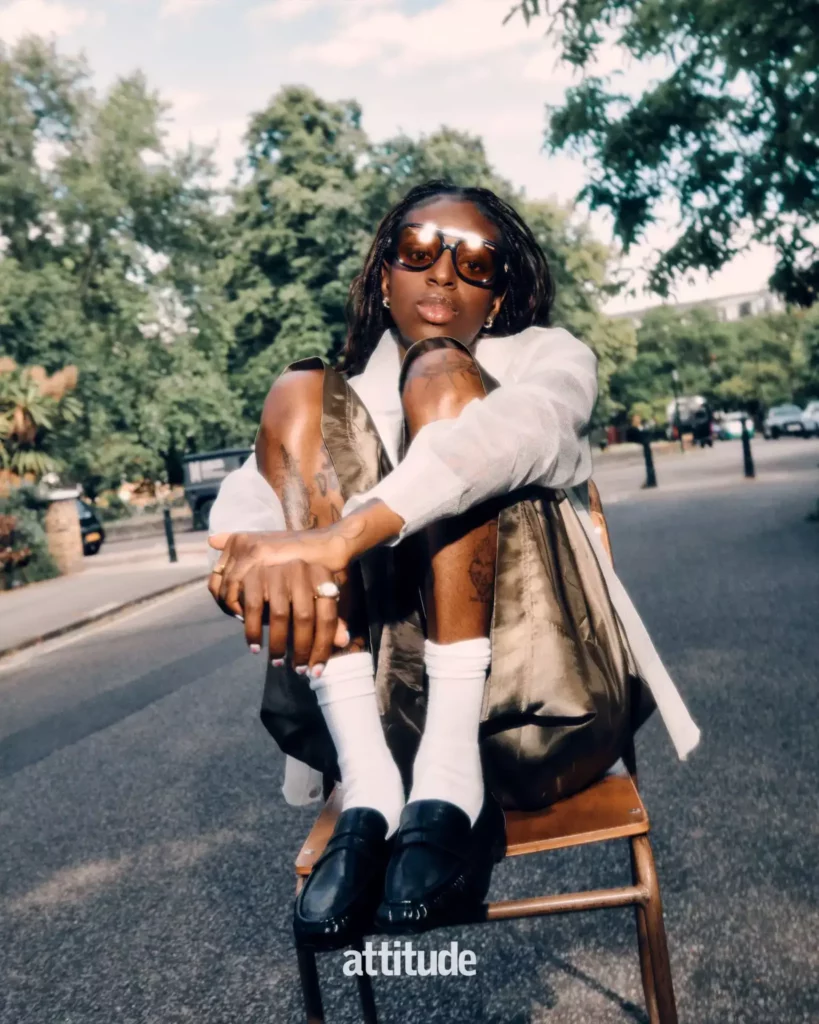
Burns lost her paternal grandfather, John, in April 2024, announcing his death in a heartfelt post shared with her one million Instagram followers. In the weeks before his passing, she revealed she had been able to come out to him as a proud lesbian. “He told me he loved me and held my hand so tight. He has no idea how healing that was for me,” the then-23-year-old wrote with a heavy heart.
She has since carried his light into her second studio album How to Be Human, which opens with a real-life voice note from him recorded while he was in hospital on the project’s lead single, ‘Come Home’.
The album marks a pivotal moment in her career, bringing queer love and the long-held stigma that surrounds the neurodivergent experience to the forefront of her music. “I kind of wanted to play on the idea that for a lot of people who don’t understand autism and neurodiversity, they see us as a bit robotic,” she explains, gently tugging at the cuff of her sleeve. “Feeling that we don’t have space for empathy when the fact is we’re so far on the other end.”
Navigating neurodivergence before fame
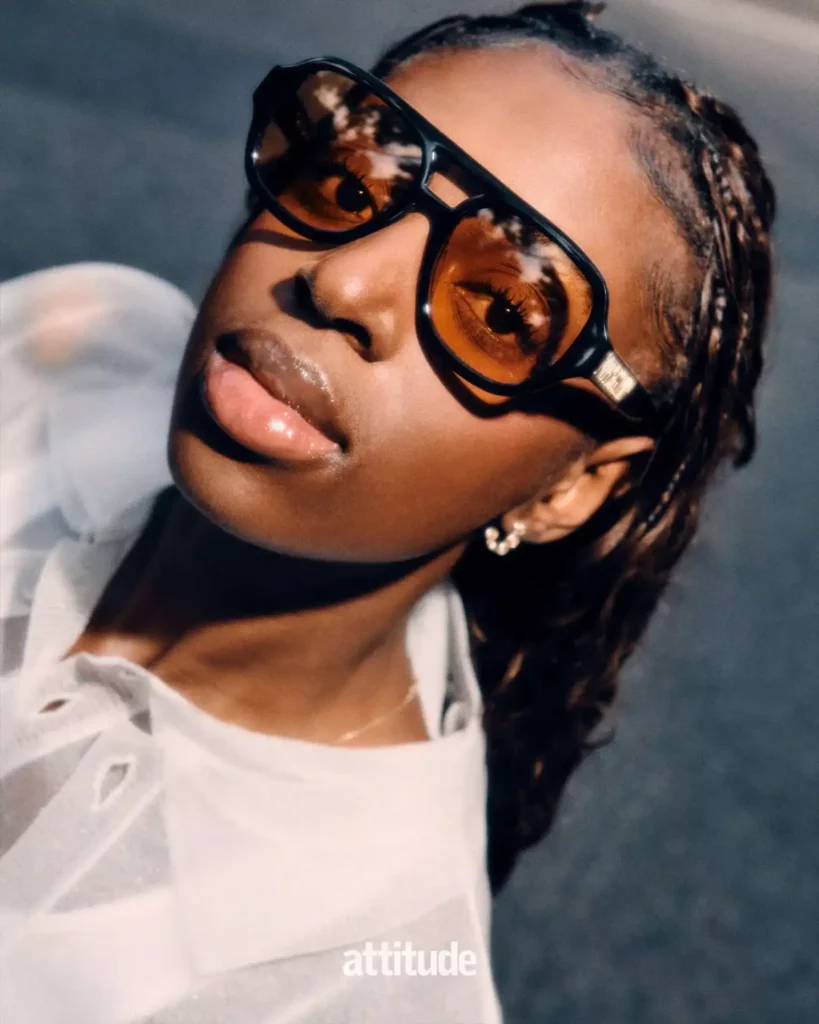
Burns remembers struggling with her neurodivergence since school, recalling the “shy kid” who often found sanctuary in solitude. “I think I noticed the only time I didn’t feel anxious was when I was completely alone, when I could just completely unmask and be myself,” the former Brit School pupil recalls. “My neurodiversity feels like there’s hidden cameras everywhere and if I do something wrong, someone’s going to be like, ‘Yeah, let’s try that one more time.’”
Exploring this sensation on her second studio album’s lead single ‘How to Be Human’, Burns references the 1998 mind-bending film The Truman Show – a concept that mirrors how everyday mistakes can, in her mind, feel amplified into something far more surreal. She sings, “Am I hiding it well? (Ah) / I wonder if they can tell (Ah) that I’m not like them, but I’m trying to be human / Am I doin’ it right?” The chorus lays bare the introspection that Burns has felt from a young age.
Cat Burns’s full interview appears in issue 371 of Attitude magazine, on sale in print and digital now. Order Attitude magazine issue 371 in print now, or in digital on the links below on Apple News+ and the Attitude app.