
The Yellow Car Phenomenon: Writer Matt Chandler on turning trauma into a powerful queer thriller (EXCLUSIVE)
WARNING: This article discusses themes of sexual assault. Writer and producer of the BFI Flare world premiere Every Time I See a Yellow Car, Matt Chandler writes about how open conversations and exposure have helped him tackle the queer short film
You don’t notice how many yellow cars there are – until you do. Then suddenly they’re everywhere: at traffic lights, parked on your street, cutting through your day as if they’ve always been there. Nothing in the world has actually changed. But something in you has.
What is The Yellow Car Phenomenon?
The Yellow Car Phenomenon – formally known as the Baader-Meinhof effect, or frequency bias – is the tendency to notice something far more often after you’ve just learned about it or had it pointed out. This sensation can refer to something as simple as spotting a new word appearing in every conversation, or something as difficult as grief, heartbreak, or in the case of my film Every Time I See a Yellow Car, sexual assault.
Yellow Car emerged after a conversation I had with a friend in which I shared my own experience of sexual assault, around the same time he was dealing with grief. For him, the world was full of references to illness, death and family bonds. For me, the world was full of references to spiking, rape and chemsex. Both of our experiences were valid in their respective reasoning, but neither one of our experiences was based in a tangible or mutually relatable reality. What I found triggering meant little to him and vice versa. We described it like the childhood ‘yellow car’ / ‘punch buggy’ game you play as a kid: when you look for a yellow car, it seems like the whole world decided to go out and buy one.
How open conversations inspired Every Time I See a Yellow Car

After that conversation, a strange thing happened. The more I saw yellow cars, the more I thought about my friend’s grief. The more he saw yellow cars, the more he thought about my sexual assault. We’d somehow created a frequency bias in each other’s minds; a symbiotic, almost absurd connection between our experiences.
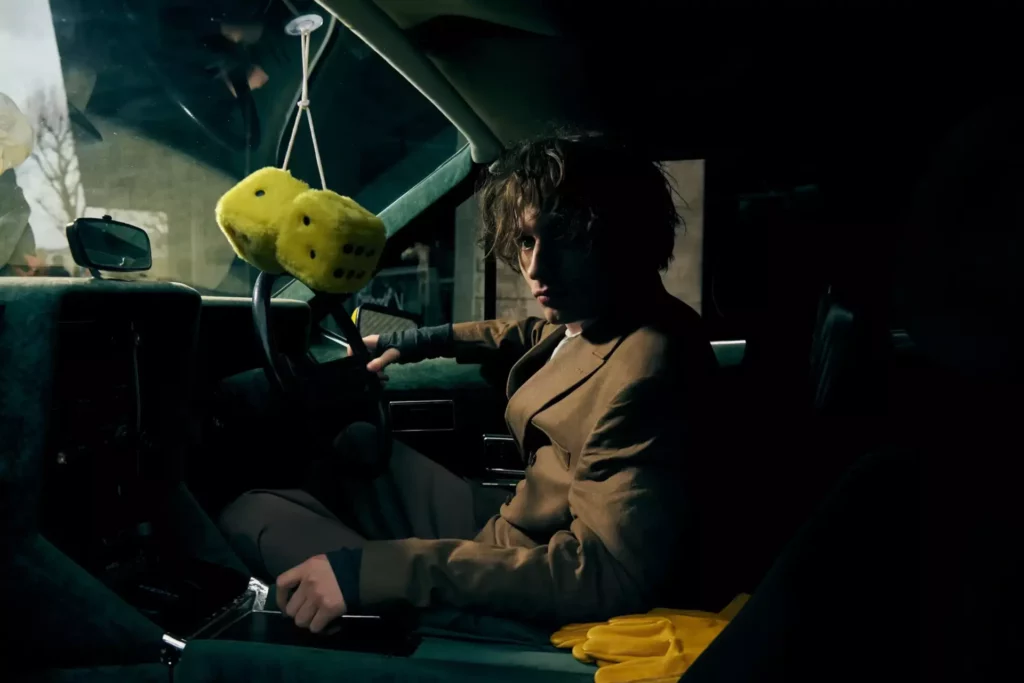
The script started with a simple idea: two brothers, who don’t speak the same emotional language, trying to understand each other after something terrible. It follows Olly (Ty Tennant) as he processes a series of traumatic experiences, most significantly a sexual assault – and makes the difficult decision to tell his brother Liam (Sam Buchanan) and a therapist (Cyril Nri). The nonlinear story plays out as an exploration of memory, grief, revenge and trauma that spirals into a psychological thriller. I wanted to explore what it means to be vulnerable with those closest to you, and also what happens when communication breaks down between you and those people.
What is Every Time I See a Yellow Car about?
The film’s queerness lives in observation – in the uncomfortable act of being seen by someone who cannot understand what they’re looking at. Liam and Olly are both outsiders to each other’s performances of masculinity. Queer thrillers often centre on revenge; reclaiming or confronting what hurt you. But in my own experience of assault, I didn’t want revenge; I wanted to move on. It was the (straight) men around me who were obsessed with violence, with fixing what couldn’t be fixed.
Every time someone watches my film, I feel exposed. Having your film meet its audience feels vulnerable at the best of times, but when it’s depicting something that is so heavily focused on trauma, it left me feeling like I’d livestreamed a therapy session. For most of cinema history, the little amount of queer representation that has been on screen has been so heavily focused on trauma narratives; negative coming-outs, AIDS storylines, violence against queer people, that there is a presumed responsibility that falls into the queer creator’s lap to tell a story that is pure in intention and undoes (or at the very least, doesn’t contribute to) queer trauma narratives. Feeling this pressure ultimately shifted the original structure of the script; what was once personal and expository transformed into a genre piece rooted in clearly fictionalised aspects; the themes remained but the narrative beats changed.
How my perspective changed
During production, the meaning of the yellow car shifted. At first, it was tied to my assault. Then it became about the process – every time I saw one, I thought: how am I going to make something this personal real? After filming, it shifted again: how will this be received? Who will judge me for this? (Working with The Survivors Trust, a sexual violence support charity, made a world of difference at this stage).
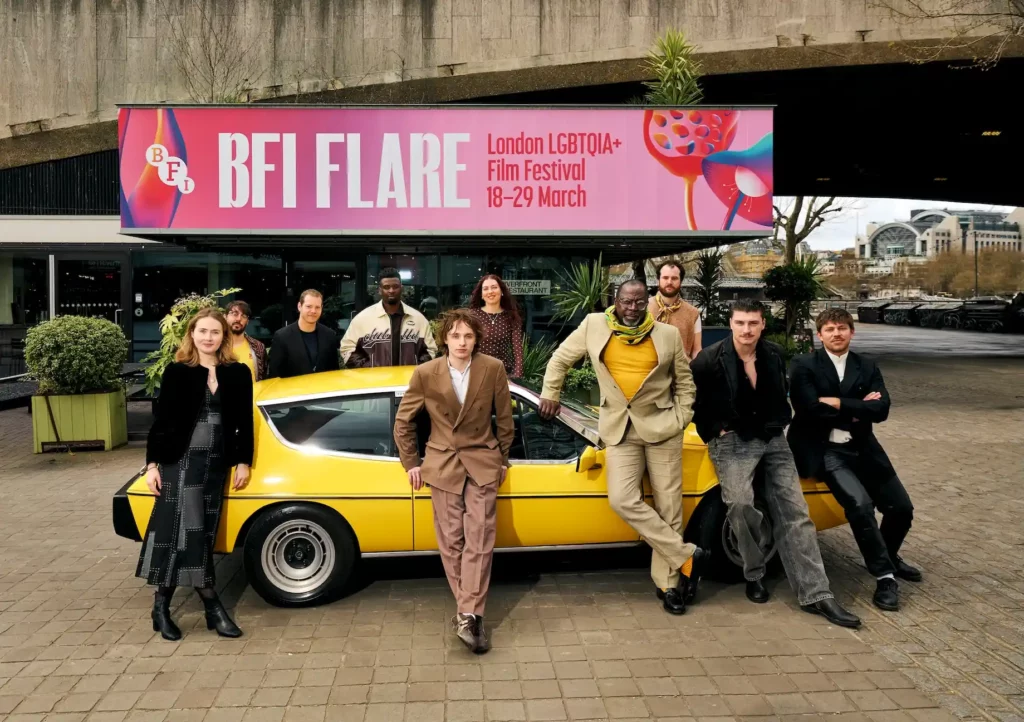
And now, after our premiere at BFI Flare, the meaning has changed again. Yellow cars still represent something quite vulnerable to me but the focus of that vulnerability has shifted. They now represent being open with my trauma. They represent telling everyone that when they look at a Yellow Car, they should remember my film… and when they remember my film, they should remember what happened to me.
Writing about trauma
Even writing this article now, two years post sexual assault, there is the feeling that by writing about trauma in this way I am writing myself into a narrative of being a victim, or a survivor, when I’m truly just wanting to tell a story I care about. Writing something personal to you is demanding, requires creative boundaries and ultimately may end up asking you to offer more of yourself than you’re entirely comfortable with.
But yellow cars now also represent something else: connection. What began as something abstract and isolating has become shared. When someone sends me a photo of a yellow car with “thinking of you” attached, it no longer feels like a trigger – it feels like recognition; a collective sign that we’re all going through something. Everyone has a ‘yellow car’ – something abstract and nonsensical that affects them in a way that makes sense only to them. An object, or a song, a smell, or a place that triggers a memory, sometimes in a way that even we cannot explain.
How to seek help
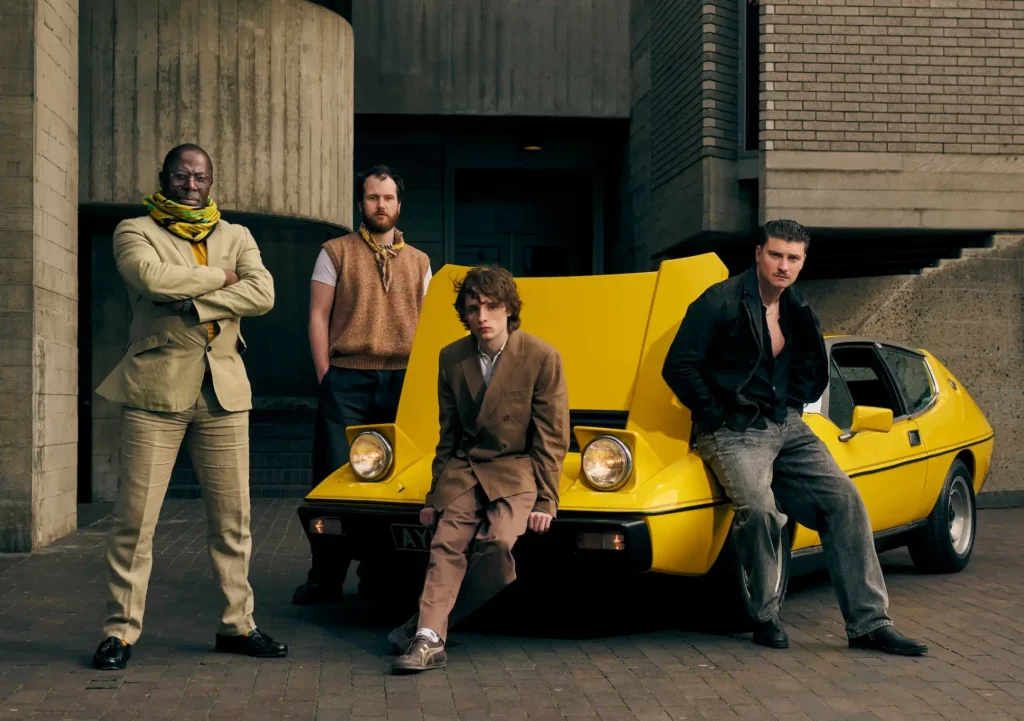
Ultimately, Every Time I See a Yellow Car became both a personal excavation and a broader reflection on trauma – how it intersects with masculinity and queerness. It’s a story about two brothers trying, and often failing, to understand each other, and the hope that compassion can still exist in that failure.
If you’ve been affected by any of the themes in this piece, you can contact The Survivors Trust Helpline on 0808 801 0818 for confidential support.
Every Time I See A Yellow Car is currently screening at various UK festivals. The next screening will take place as part of the BIFA-qualifying Unrestricted View Film Festival on 28 April 2026 at 6pm.